
Some trips impress you with famous landmarks, grand structures, and landscapes that make you stop to take pictures. But there are also journeys where the most memorable things aren't the obvious ones, but rather the small details – things you might miss if you're moving too fast.
Traveling to Portugal from the US is one such journey.
It's not a place that will overwhelm you right away, but the further you go, the more you realize that the value of this country lies not in ostentation, but in how things are preserved – very slowly, very patiently, and very "in the right place".
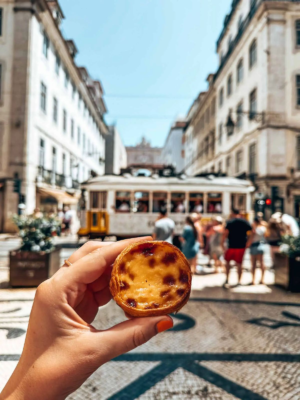
Pastel de Nata – a small cake, but one that carries a whole history.
If there's one thing almost everyone who visits Lisbon tries, it's Pastel de nata – a small egg tart with a crispy crust and a soft, subtly fragrant filling of cinnamon and vanilla.
But what many people don't know is that this type of cake didn't originate in modern bakeries, but in Catholic monasteries.
In the 18th and 19th centuries, monks at the Jerónimos monastery used egg whites to make starch for cloth, and the remaining yolks were used to make cakes. From that, Pastel de nata was born – not as a food "created for commercial purposes," but as a way of utilizing ingredients in religious life.
These days, you can find Pastel de nata everywhere. But the feeling of standing on a small street in Lisbon, holding a freshly baked pastry in your hand, still offers a very different experience – not because it tastes better, but because you're in exactly where the story begins.
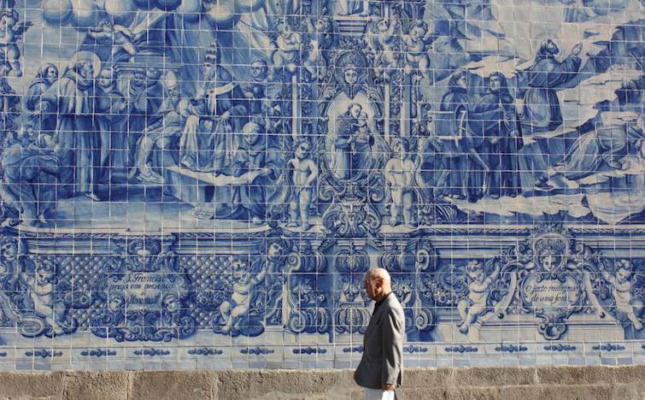
Azulejos – walls that are more than just for decoration.
When traveling through Lisbon or Porto, you'll easily spot walls covered in blue and white ceramic tiles – known as azulejos.
At first glance, this might just seem like a decorative style. But in reality, each wall tells a story.
Azulejos emerged during the period when Portugal was influenced by Moorish culture, and over time, they became a way to tell history – from battles and explorations to everyday moments.
In some churches or train stations, you can stand in front of a wall and "read" an entire period of history, not through words, but through images.
And that's what makes Portugal special – where history isn't just in museums, but is present right in our living spaces.

Fado – when music is more than just for listening.
If you spend an evening in Lisbon, chances are you'll come across a small space where a person stands and sings, without a large stage or fancy lighting.
That is Fado – a traditional Portuguese musical genre, often described as “beautifully sad”.
Fado is not music for entertainment.
It's the Portuguese way of telling the story of life – of long journeys, losses, and things that cannot be held onto.
And interestingly, you don't need to understand all the lyrics. Just sitting there and listening, you can still feel the emotions it evokes.
While such experiences might not be on a "must-see" list when traveling to Portugal from the US, they are moments that add depth to the trip.
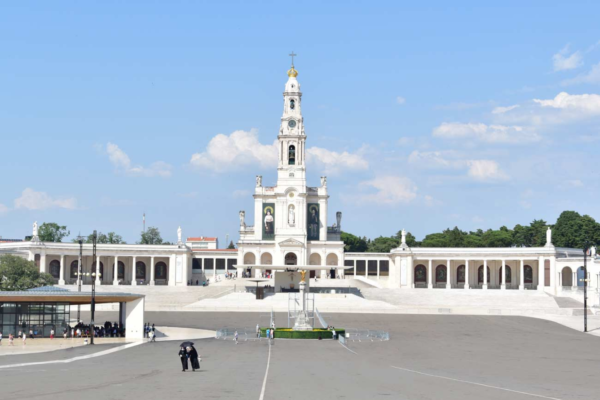
Fatima – where silence takes on a very different meaning.
During my journey through Portugal, Fatima was a very special stop.
It's not because of its size, nor its architecture, but because of the meaning this place holds.
This is one of the most important sacred sites in Catholicism, where millions of pilgrims come each year not to "see," but to pray and find peace.
What is special about Fatima is its tranquility.
It's not the usual quiet, but a space that naturally encourages people to slow down, speak more softly, and linger longer.
Even for those who don't come for religious purposes, this place still gives a very clear feeling – that there are spaces in the world that don't need explanation, yet still make you feel something very deep.
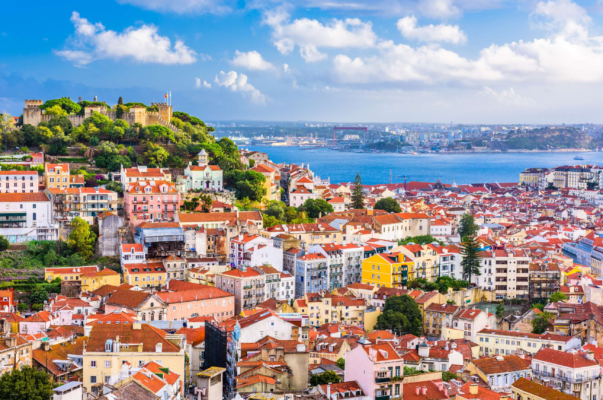
Porto – where things don't need to be new to be beautiful.
While Lisbon offers a sense of openness, Porto presents a completely different atmosphere – more intimate, more subdued, and somewhat "old-fashioned" in a very pleasant way.
Narrow streets, houses with colors faded by time, stone steps leading down to the banks of the Douro River… all create a space where you don't feel the need to rush.
Porto is also the birthplace of Port wine – one of Portugal's iconic wines. But the memorable part isn't about how many wines you try, but about sitting back, looking out at the river, and letting time slow down a little.
A journey isn't about what's "outstanding."“
Traveling to Portugal from the US, especially on an itinerary designed by Carnival US, isn't about "seeing as much as possible," but rather about having enough time to fully experience each place.
From Lisbon to Porto, from Fatima to everyday life, every stop is kept at just the right pace – not too fast to miss anything, nor too slow to lose the connection.
And perhaps, what makes this journey different isn't what you see, but what you realize afterward – that there are countries that don't need to make a strong impression, but still leave a lasting impression in your memory.
👉 If you're looking for a Portugal travel itinerary from the USA – a destination that offers not only stunning scenery but also a rich cultural depth and unique experiences – you can check out the tour details. here.
📩 Or inbox us to get advice on a suitable itinerary and reserve your spot early for upcoming trips!