
Japanese autumn dishes Autumn has always been a very special part of Japanese seasonal culture. When the leaves begin to cover Kyoto or Tokyo enters its first chilly days, that's when the most distinctive flavors of autumn appear on dining tables. The Japanese often say:“Autumn is the season of taste.”
And perhaps, only when you actually visit Japan during this season will you understand why it's called that. When the trees begin to turn red, the air becomes cooler, and the sun sets a little earlier, that's when the whole country enters its most appealing culinary season of the year. Gone is the summer heat that makes people crave only simple cold dishes; Japanese autumn is the time to enjoy hot, seasonal food and flavors that feel "right in season" in a unique way.
What's special is that, for the Japanese, eating is not just about being full or enjoying delicious food. Each season has its own ingredients, its own dishes, and its own memories associated with that time of year. Therefore, if you visit Japan during autumn foliage season, it's not just a journey to see the scenery, but also an opportunity to discover a very distinctive part of Japanese culture through autumn cuisine.
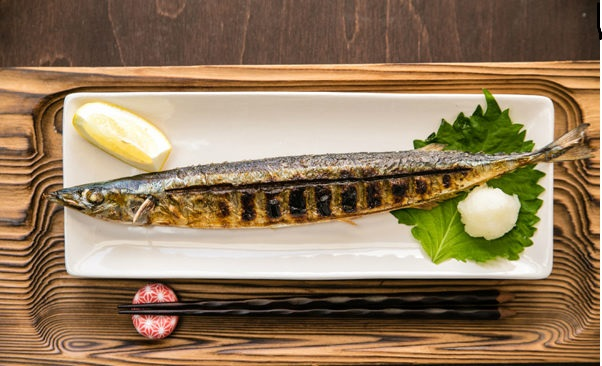
1. Sanma – Pacific saury, “the taste of Japanese autumn”
If there's one dish that represents autumn in Japan, it's almost certainly sanma fish.
Sanma, meaning "autumn swordfish" in Chinese characters, is, true to its name, the fattiest and most delicious fish is best enjoyed when the leaves begin to change color. The Japanese typically grill whole sanma over charcoal, adding only a pinch of salt to preserve the fish's natural flavor, and serve it with grated daikon radish and a few drops of sudachi lime juice.
What makes this dish special isn't its elaborate preparation, but its distinctly Japanese simplicity – where the finest ingredients are always respected in their most natural form.
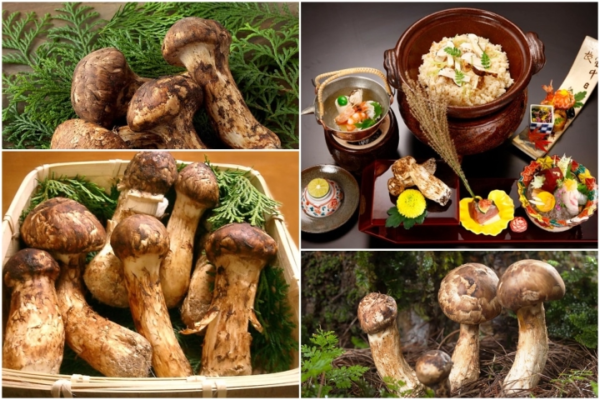
2. Matsutake – a mushroom known as the “treasure of autumn”
Matsutake is one of the most expensive and sought-after ingredients in Japan every autumn.
This type of mushroom has a distinctive pine-like aroma and a very unmistakable flavor. The Japanese often use matsutake in rice dishes, steam it with chawanmushi (Japanese hot dogs), or lightly grill it to preserve its original aroma.
It's no coincidence that matsutake mushrooms are considered a symbol of autumn in Japan. For many, simply smelling the aroma of matsutake mushrooms in the air is enough to feel that autumn has truly begun.
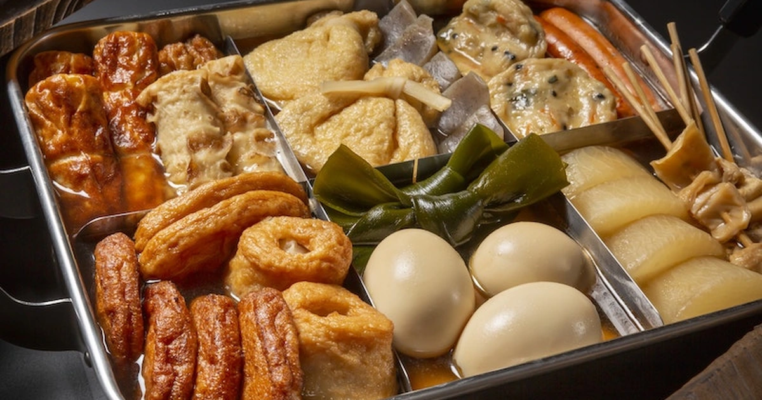
3. Oden – a dish that makes cold weather more bearable.
As the weather starts to get chilly, convenience stores in Japan begin selling oden – a traditional stew consisting of daikon radish, eggs, fish cakes, konnyaku, and various other ingredients cooked in hot dashi broth.
Oden isn't a "fancy" dish, but it's a very familiar part of Japanese autumn and winter. A hot bowl of oden on a mildly chilly day almost evokes a very "Japanese" feeling that no other dish can replace.
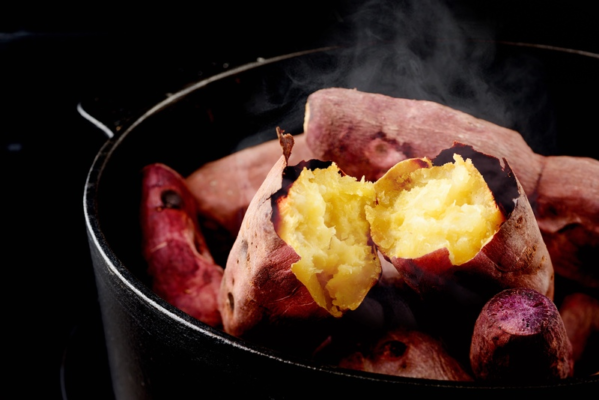
4. Yaki Imo – Roasted Sweet Potatoes and Autumn Memories
Autumn in Japan is also the season for yaki imo – roasted sweet potatoes.
Street vendors selling roasted sweet potatoes appear on small streets, carrying a very distinctive aroma that almost anyone who has lived in Japan will remember. The sweet potatoes are slow-roasted on hot stones until the skin is slightly charred, while the inside is soft and sweet like honey.
This is a very simple dish, yet it is associated with childhood memories and autumn for many Japanese people.
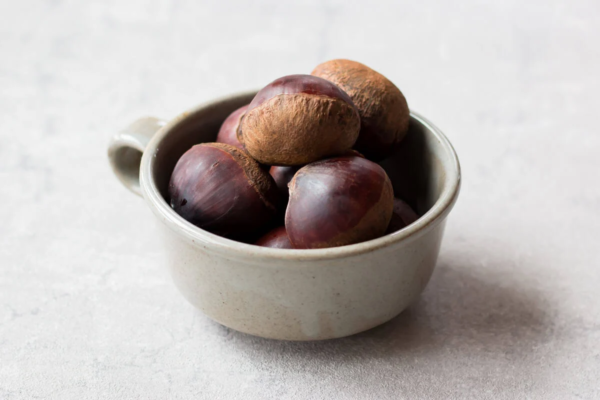
5. Kuri – Japanese autumn chestnuts
Chestnuts are a prominent ingredient in Japanese autumn cuisine, from chestnut rice (kuri gohan) to wagashi (Japanese sweets) and the famous Mont Blanc cream cakes.
Interestingly, the Japanese don't just use chestnuts as a dessert; they see them as a warming ingredient that's perfectly in tune with the season. In mildly chilly weather, a bowl of hot chestnut rice is almost a comforting dish that perfectly embodies the Japanese autumn.
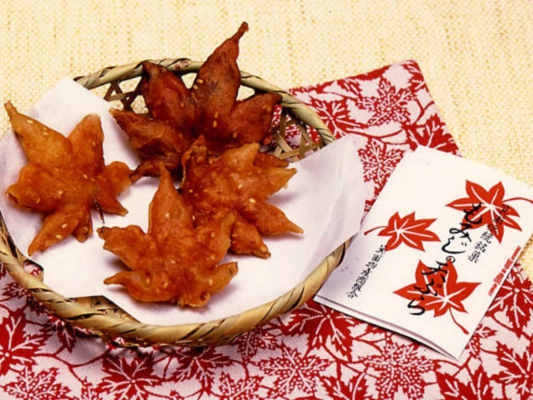
6. Momiji Tempura – a unique "fried maple leaf" dish.
One of the most delightful treats during the Japanese autumn foliage season is momiji tempura – maple leaves that have been soaked in salt, coated in batter, and then deep-fried until crispy.
It may sound strange, but this is a famous dish in the Osaka region, especially around Minoh. Momiji tempura is not just a snack; it also showcases the creativity and how the Japanese integrate nature into their daily lives.
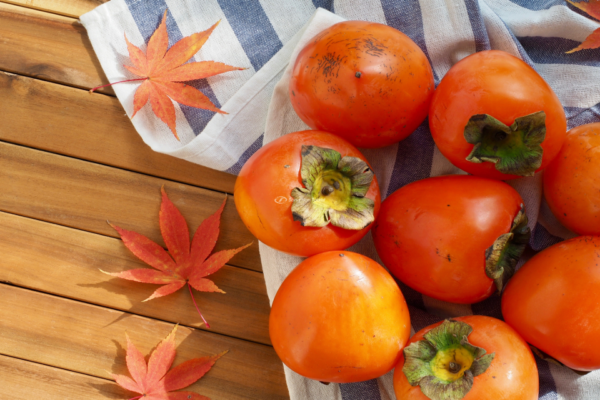
7. Khaki Pink – a very unique symbol of Japanese autumn.
The orange-red persimmons are almost a familiar image of autumn in Japan.
Kaki persimmons have a sweet, juicy flavor and are often eaten fresh or dried to make hoshigaki – a famous Japanese dried persimmon snack.
Perhaps the most beautiful thing lies not only in the taste, but in the image of the pink garlands hanging under the eaves each autumn – a very peaceful and very Japanese scene.
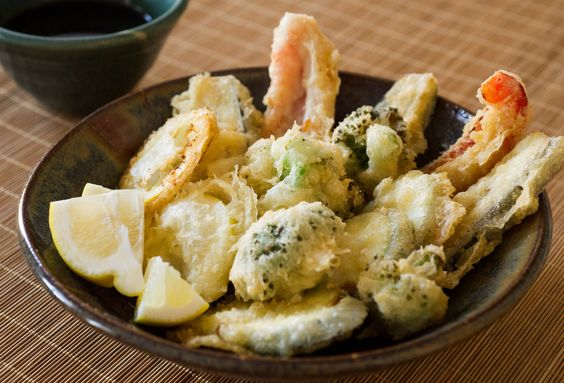
8. Autumn Tempura – When Seasonal Ingredients Become an Art.
Tempura in Japan varies not only by region but also by season.
In autumn, tempura often features mushrooms, Japanese pumpkin, sweet potatoes, or seasonal fish. What's special is that the batter is always made very light to preserve the flavor of the ingredients inside – true to the spirit of Japanese cuisine: subtlety and respect for nature.
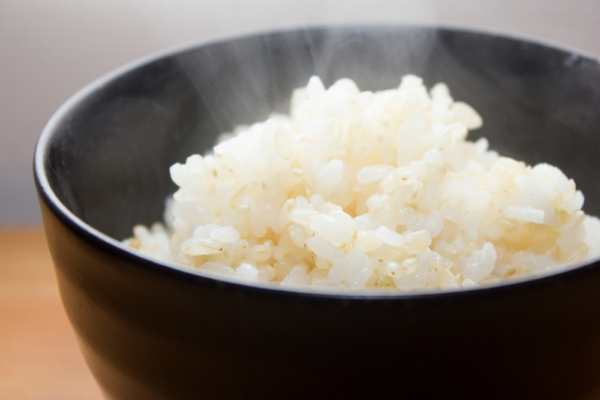
9. Shinmai – New Rice of the Autumn Harvest
Autumn is also the time for harvesting new rice in Japan. Shinmai – meaning "new rice" – is considered the best rice of the year because it is softer, more fragrant, and has a higher natural moisture content than old rice.
For the Japanese, a simple bowl of shinmai rice is sometimes enough to feel the essence of autumn.
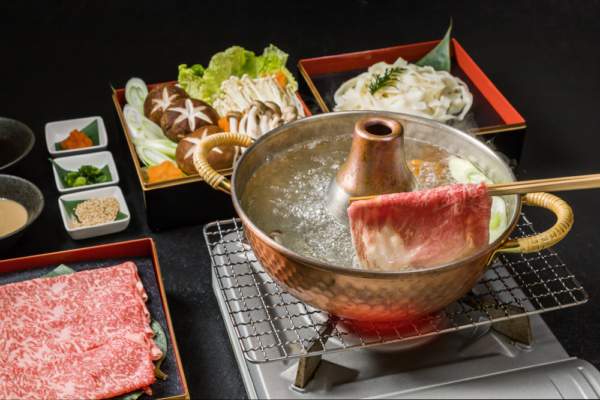
10. Shabu Shabu – the most "weather-appropriate" hot pot dish for autumn.
As the weather gets colder, shabu shabu becomes one of the most popular dishes. Thin slices of beef are quickly dipped into hot broth, served with vegetables, mushrooms, and a signature sesame dipping sauce, creating a light yet very "Japanese" experience.
More than just food, shabu shabu is how the Japanese enjoy the cold weather with cozy, slow meals, allowing them to fully appreciate the autumn atmosphere.
Japanese autumn is not just beautiful to look at.
What many people remember about Japan in autumn is not just the red leaves in Kyoto or the golden hues of Mount Fuji, but also the unique flavors that only appear during this time of year.
From piping hot sanma fish and fragrant matsutake mushrooms to a simple roasted potato on a small street corner, everything brings Japanese autumn to life in a way that's difficult to describe in pictures.
And perhaps that's what makes Japan so special – where even eating becomes part of a seasonal culture.
👉 If you're looking for a fall trip to Japan from the US, a place that offers not only beautiful scenery but also a unique cultural and culinary depth, you can explore these tours. Japan - South Korea Autumn with Carnival US Travel.