Pilgrimage Leisure

Italy

All the ways lead to Rome

🌍 Southern Europe / Italy
💰 Euro
Best: Apr - Jun, Sept - Oct
💬 Japanese; English
🕐

Italy is one of the most important Catholic pilgrimage destinations in the world, where the history of the Church, the witness of the Apostles, the beauty of sacred art, and the spiritual life of the faithful are deeply present in its churches, basilicas, catacombs, and holy places.

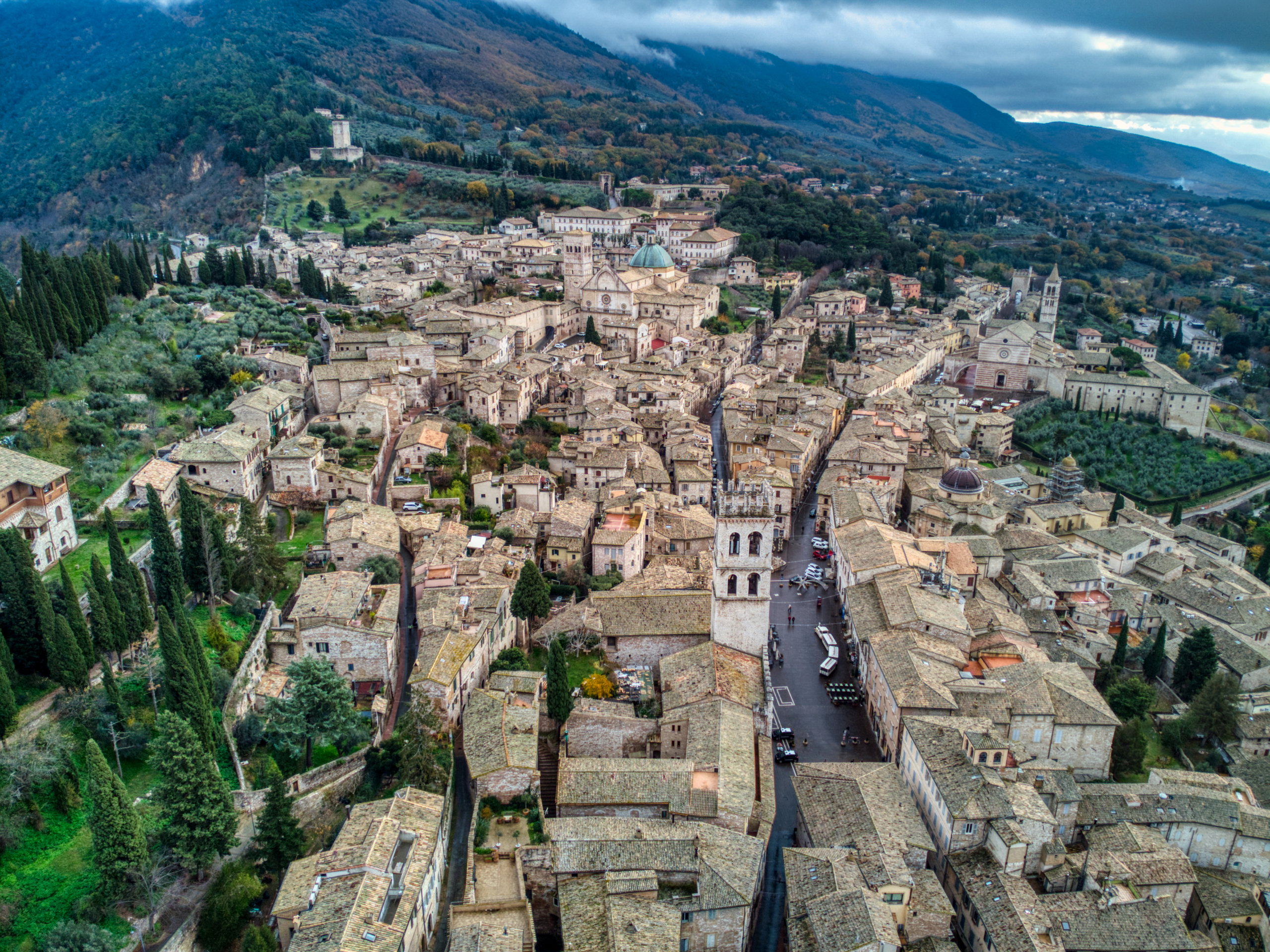
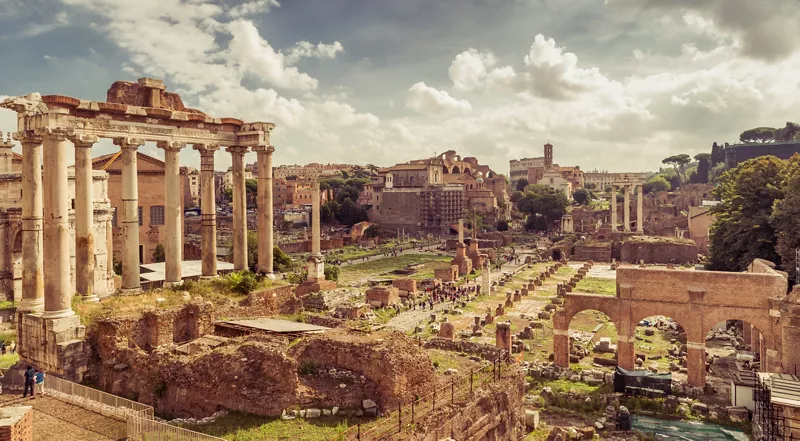
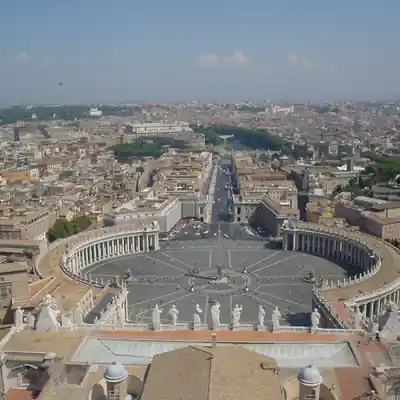
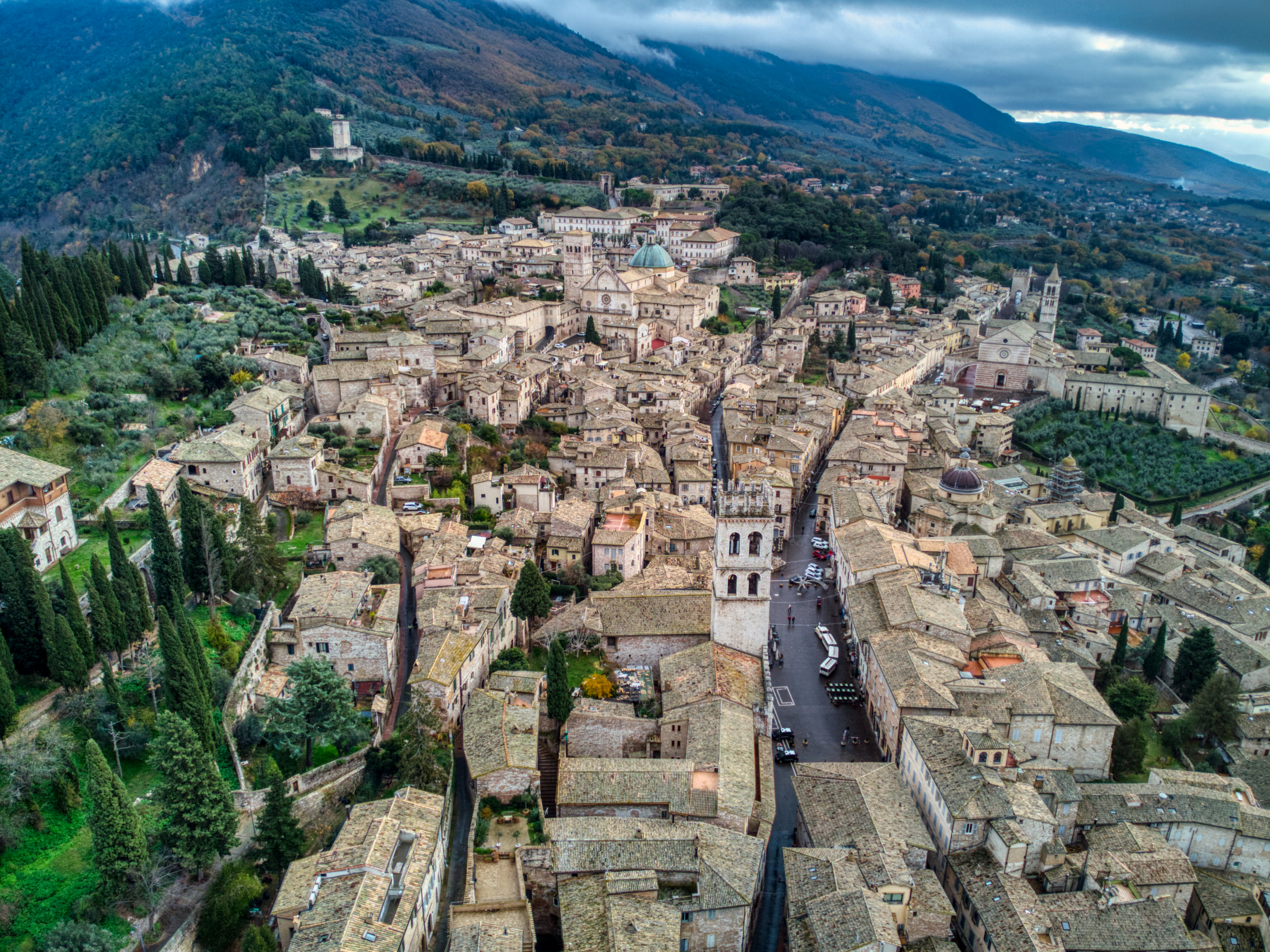
This journey brings travelers to Rome, Vatican City, and Assisi — three places that each carry a different spiritual meaning. Rome invites pilgrims to return to the roots of the early Church and the witness of the martyrs. Vatican City invites travelers into communion with the universal Church and the successor of Saint Peter. Assisi invites each person into simplicity, humility, peace, and love through the example of Saint Francis.

This handbook has been prepared as a helpful travel companion throughout the journey. It important provides information about travel documents, airport procedures, luggage, weather, clothing, safety, meals, hotels, communication, local customs, and the spirit of pilgrimage so travelers can prepare well and travel with confidence.

Travelers are encouraged to review this handbook carefully before departure. Good preparation will help the journey feel smoother, more organized, and more meaningful at every destination.

Documents & Visa

Travelers must bring their original passport, valid for at least 6 months after the end date of the trip. A Passport Card is not valid for international air travel.

Italy is part of the European Union and the Schengen Area. US citizens may enter Italy and other Schengen countries for short-term travel according to current entry rules. Once ETIAS officially begins, eligible US travelers may need to complete ETIAS authorization before travel. Carnival US can assist travelers with this process when applicable.

Green Card holders and travelers who are not US citizens may have different visa requirements depending on the passport they hold. A US Green Card does not automatically replace a Schengen visa if the traveler's passport requires one.

Carnival US provides visa assistance services for Green Card holders when needed. This service may include preparing the application package, submitting the application, providing flight information, invitation letters, and guidance on documents needed for the biometrics appointment at the nearest consulate or visa processing center. Travelers should allow at least 2 months for the visa application process.

This service may require an additional fee. Please contact the office for specific pricing and processing time.

Travelers should take photos of their passport, visa or residency documents if applicable, flight itinerary, travel insurance, hotel list, and emergency contact information. Save copies on the phone/cloud and share one copy with a trusted family member.

Do not place passports, cash, bank cards, medications, or important documents in checked luggage.

Important: If missing documents prevent a traveler from departing or entering Italy, Vatican City, or the Schengen Area, Carnival US is not responsible, and the standard tour cancellation policy will still apply.

Luggage

Each traveler is generally allowed to bring:

One (1) checked bag

One (1) carry-on bag

One (1) personal item

Specific baggage rules may vary depending on the airline listed on the ticket.

Checked Baggage

Checked baggage should include most personal belongings such as clothing, shoes, toiletries, toothpaste, toothbrush, razors, personal care items, food, beverages, liquids, and other larger items not needed during the flight.

If your baggage exceeds the airline's permitted weight limit, additional baggage fees may apply. These fees are the traveler's responsibility and depend on the policy of each airline.

Do not place important documents, passports, money, bank cards, jewelry, medication, or valuable items in checked baggage. Travelers should always keep these items with them in a carry-on bag, personal bag, waist pouch, or crossbody bag.

Allowed Size and Weight for Checked Baggage

The total length + width + height should not exceed 62 inches / 158 cm.

Economy Class: One (1) checked bag up to 50 lbs / 23 kg.

Business Class: Two (2) checked bags, with each bag up to 75 lbs / 32 kg.

Carry-On Baggage

Carry-on baggage should include small electronics such as a phone, camera, laptop, regular travel camera, money, important documents, medication, and other valuable items. Travelers are encouraged to pack one extra set of clothing, personal medication, a light jacket, and essential toiletries in case checked luggage is delayed or lost.

Please do not place sharp metal objects or prohibited items in your carry-on baggage.

Power banks must always be packed in carry-on baggage and must not be placed in checked baggage.

Throughout the trip, travelers are responsible for taking care of their own carry-on items. Money, passport, visa, and important documents should always be kept with the traveler.

Allowed Size and Weight for Carry-On Baggage

One (1) carry-on bag: total length + width + height should not exceed 42 inches / 106 cm.

The carry-on bag should not exceed 17 lbs / 8 kg.

Important: The baggage information above is based on general international travel guidelines. However, each airline may have its own baggage requirements. Carnival US will provide the specific airline baggage rules before departure so travelers can prepare accordingly.

Q&A: What should I do if my luggage is lost?

If your luggage is lost, please go immediately to the airport Lost and Found office or airline baggage service counter to file a lost baggage report. The tour guide will assist travelers with the form when possible.

Please keep all documents, claim tags, and written confirmation provided by the airline. Once the luggage is found, the airline will usually arrange delivery to the hotel.

Travelers should provide the correct hotel address listed on the luggage tag issued by Carnival US before the flight.

Hotels

Hotels used by Carnival US during the pilgrimage are generally 4-star standard. However, at certain pilgrimage destinations, hotels may be simpler and focused more on comfort and practicality rather than luxury service.

Travelers should understand that a pilgrimage is different from a leisure vacation. The purpose of the journey is centered on places, prayer, reflection, and sacred meaningful experiences rather than luxury accommodations, so expectations should be adjusted accordingly.

Carnival US will send travelers detailed hotel information by email, including hotel names, addresses, and ratings. Most hotels provide basic amenities similar to what travelers may expect at home. However, hotel rooms in Europe may be smaller than hotel rooms in the United States, and single rooms may be compact.

Check-In / Check-Out

Hotel check-in is usually between 2:00 PM and 4:00 PM. Hotels will try to accommodate early check-in when possible. However, if rooms are not ready, travelers may store their luggage at the hotel and spend free time exploring the surrounding area or rest according to the tour guide's instructions.

Hotel check-out is usually between 11:00 AM and 12:00 PM. To make check-out easier, travelers should carefully check all drawers, nightstands, closets, the bathroom, outlets, luggage area, and hotel safe before leaving the room.

Please make sure no jewelry, cash, passport, documents, chargers, medicine, or personal items are left behind.

Room Keycard

Many hotels use keycards to operate room doors, electricity, lights, or elevators. The layout of switches, outlets, and keycard slots may be different from one hotel to another, so travelers may need to look around the room carefully after check-in.

Travelers should keep the room keycard with them during the stay because it can be used for several purposes:

To open the room door.

To activate electricity and outlets inside the room.

To access the elevator or choose the hotel floor in some hotels.

Additional Hotel Services

Some hotels offer paid services such as minibar, entertainment TV, laundry, or room service. If travelers do not wish to use these services, they should avoid pressing payment buttons or opening paid services on the TV.

Some hotel minibars may have sensors. If an item is moved, lifted, or used, the system may automatically record it and charge the room according to the hotel's policy.

If travelers have questions, they should ask the front desk or tour guide before using any paid service.

eye

All hotel rooms have private bathrooms. Most hotels provide towels, soap, shampoo, Wi-Fi, and a hair dryer, but travelers should still bring their own personal items such as toothbrush, toothpaste, shampoo, body wash, medication, slippers, and items they use regularly.

Please Be Careful in Hotel Bathrooms

In many hotels in Italy, bathtubs or bathroom floors may be slippery, especially when wet. Some bathrooms may have high bathtub sides, which can make it difficult to step in or out.

Travelers should place a towel on the floor if needed, move slowly, and be especially careful to avoid slipping. Carnival US always tries to request walk-in showers when possible, but hotels may not always be able to provide them, especially during peak travel seasons or depending on room availability.

Room Cleaning

Many hotels in Europe may not clean rooms daily as often as in the past, or they may clean only upon request. This may be due to staffing, cost, energy-saving practices, or environmental policies.

If travelers would like daily room cleaning, they may request it from housekeeping or the hotel front desk, and the hotel will try to assist when possible.

Personal Items to Prepare

Hotels usually provide basic amenities such as towels, soap, shampoo, and Wi-Fi. However, travelers are encouraged to prepare additional personal items, including:

Travel-size toiletries such as toothpaste, toothbrush, shampoo, body wash, and personal hygiene items.

Personal medication and common medicine, such as sickness as motion medicine, headache medicine, allergy medicine, and digestive medicine.

Tissues, sunscreen, and lip balm.

Bandages, ointments, vitamins, and basic first-aid items.

A pen for filling out forms.

Any other personal items needed during the trip.

If travelers need to purchase additional items during the journey, they may ask the tour guide or hotel front desk for assistance.

Flights & Airport

Italy's main international gateway for many pilgrimage journeys is Rome Fiumicino Airport (FCO), also known as Leonardo da Vinci International Airport. This airport is large, modern, and well connected to Rome and Vatican City.

About 3 weeks before departure, Carnival US will email travelers important flight information, including the flight route, airline names, flight numbers, connection details, and electronic ticket numbers.

Please note that this document is not a boarding pass. Travelers will receive the boarding pass after check-in, usually 24 or 48 hours before departure, depending on the airline.

Travelers can check in online 24 hours before the flight or check in at the airline counter at the airport.

If the seat assignment or flight segment is missing from the electronic ticket, please do not worry. The airline may update this information about 7–10 days before departure.

Seat Assignment

Airline systems usually assign seats about 24 hours before departure. Travelers who wish to choose a specific seat may visit the airline website and pay any applicable seat selection fees directly through the airline.

Q&A: What should I do if I have TSA PreCheck or Global Entry?

If you have TSA PreCheck or Global Entry, please inform the airline counter staff at the airport so they can help ensure TSA PreCheck appears on your boarding pass when applicable.

Q&A: How early should I arrive at the airport?

For domestic flights, travelers should arrive at the airport at least 2 hours before departure.

For international flights, travelers should arrive at the airport at least 3 hours before departure.

Q&A: Where can I find my flight route?

Carnival US will provide the flight itinerary by email. The route will show the airline, flight number, departure time, arrival time, and other important travel details.

Special Requests

If travelers need a special meal, such as a vegetarian meal or child meal, or need wheelchair assistance to the boarding gate, please contact Carnival US as early as possible. Special requests are subject to airline availability and approval.

Q&A: Why does my ticket show one airline, but I check in with another airline?

Many airlines work together through codeshare flights. For example, a ticket may show United Airlines, but the flight may be operated by Lufthansa. In this case, travelers may need to check in with the airline that operates the flight.

Q&A: What happens if I want to change my ticket at the last minute?

If a traveler wants to change the flight ticket after it has been issued, additional fees may apply according to the airline's ticket change or cancellation policy. The traveler may also need to pay any fare difference between the original ticket and the new ticket.

For this reason, travelers should carefully check all flight information as soon as they receive the ticket to avoid mistakes and unnecessary additional costs.

Arrival Procedures

When the airplane lands in Italy, travelers should carefully check all luggage and personal belongings to avoid leaving anything behind on the aircraft. After exiting the plane, travelers will be guided through immigration procedures and baggage claim.

Please follow the instructions and the tour guide's flag to the designated meeting area to avoid getting separated from the group.

If you do not see your tour guide or driver, please look around the nearby area, as they may have stepped away briefly to assist another pilgrim. If you still cannot find them, contact the tour guide using the phone number provided in the final confirmation email.

Important Note: Travelers should not say words related to aviation security threats, such as “bomb” or “explosive,” in any language while at the airport, during baggage check-in, security screening, or on the airplane. Such words may cause serious delays, security questions, or legal consequences.

US Customs & Border

When returning to the United States, travelers will go through US Customs and Border Protection inspection at the first US airport of entry.

US citizens and permanent residents who have been abroad for more than two days may generally return to the United States with up to $800 worth of goods duty-free, as long as the items are for personal use and accompanying the traveler upon return.

For travelers who bring back more goods, a flat duty rate of 3% may apply to the next $1,000 worth of purchases.

Travelers should keep all purchase receipts in case US Customs officers request a declaration upon return to the United States.

Travelers must declare food, plants, seeds, medicine, large amounts of cash, and valuable items when required. Certain fresh fruits, meats, plants, seeds, and agricultural products may be restricted or prohibited.

Money & Payment

Italy and Vatican City use the Euro, written as CZ or shown with the symbol .

Exchange rates may change depending on the time of travel. As a general reference, 1 USD is approximately equal to 0.86 EUR. This means $10 USD is about €8.60, $50 USD is about €43, and $100 USD is about €86.

Travelers should remember that the Euro is stronger than the US Dollar in value. If an item costs €100, it is approximately $116–$117 USD, depending on the exchange rate.

Q&A: Where can I exchange money?

Travelers are encouraged to exchange US dollars for Euros at their bank in the United States before departure. Many banks allow customers to order Euros in advance and pick them up about one week later. It is recommended to request some smaller denominations for easier daily use.

Legal currency exchange offices can be found at airports, major cities, and towns in Italy. Banks may also exchange money, but they can be crowded and may not always offer the best exchange rates.

ATMs in Italy are also a safe and convenient option for withdrawing Euros, but transaction fees may apply depending on the traveler's bank and card type.

Q&A: Can I use credit cards in Italy?

Yes. Visa and MasterCard are widely accepted in Italy and Vatican City, especially at hotels, restaurants, larger stores, museums, tourist shops, and public transportation services. American Express and Discover are less commonly accepted.

ATMs are available in most cities and are especially common in central areas, including Rome and areas near Vatican City.

Before departing, travelers should notify their bank and credit card companies that they will be traveling to Italy. This helps prevent cards from being blocked or temporarily suspended due to unusual international transactions.

Pickpocketing can occur in crowded tourist areas in Europe. In Italy, travelers should be especially careful around Rome, Vatican City, the Colosseum, Trevi Fountain, Spanish Steps, public transportation, train stations, and crowded pilgrimage or tourist sites.

Avoid wearing expensive jewelry while traveling. Cash should be divided and kept in separate safe places close to the body.

Q&A: Can I pay by phone?

Yes. Apple Pay, Google Pay, and international payment cards can be used at many service locations during the journey, especially at shops, restaurants, hotels, and public transportation services in Italy. However, travelers should still carry some Euro cash for small purchases, church candles, restrooms, tips, and local vendors.

Tax Return

For this section, the better term is Tax Refund / VAT Refund.

Goods in Europe can be expensive, and VAT is often high. In Italy, the standard VAT rate is commonly around 22%. When purchasing eligible goods with a value of €70.01 or more on the same receipt, travelers may be able to request a VAT refund.

To receive a VAT refund, travelers must ask the store to prepare the proper Tax Free Form / VAT Refund Form at the time of purchase. Please keep the original receipt, VAT refund form, passport, boarding pass, and purchased items easily accessible.

At the airport, travelers may need to present the VAT refund form and the purchased goods to customs officers before checking in luggage or before leaving Europe. After the form is validated, the refund may be received directly at the airport or returned to a credit card, depending on the refund company and the traveler's selected refund method.

If purchases are made in another European Union country, travelers must still obtain the Tax Free Form from the store and keep the purchased items available for inspection at the final airport before departing Europe.

Waiting time may be long depending on the number of travelers and the availability of staff at the refund or customs counter.

Please note that the refund amount is usually not the full 22% VAT amount, as service fees may be deducted by the tax refund company. Travelers should keep all receipts and forms carefully and should avoid using or packing purchased items deep inside checked luggage before completing the VAT refund process.

Travelers should not accept or carry luggage or packages for anyone outside the group.

Travelers should also check items carefully to avoid buying counterfeit goods or poor-quality imitations of famous brands. If customs officers or European officials discover counterfeit goods, penalties may be serious depending on the item and situation.

Weather & Clothing
Interior Location Average Temp Mouse
Spring: March – May Rome / Vatican 10°C – 23°C Mild and pleasant, with possible light rain. Bring a light jacket, thin scarf, comfortable walking shoes, and a small umbrella.
Spring: March – May Assisi 7°C – 21°C Cooler than Rome, especially in the morning and evening. Bring a light warm layer or windbreaker.
Summer: June – August Rome / Vatican 18°C – 32°C Hot during the day, especially in squares and outdoor sites. Bring a hat, sunglasses, sunscreen, water, and breathable but modest clothing for churches.
Summer: June – August Assisi 16°C – 30°C Warm to hot, but evenings may feel cooler. Bring light clothing and a thin jacket if easily cold.
Autumn: September – November Rome / Vatican 10°C – 27°C Comfortable weather, with warm days and cooler evenings. Bring a light jacket, scarf, and comfortable walking shoes.
Autumn: September – November Assisi 8°C – 25°C Assisi is on a hillside and can feel cooler, especially early morning and evening. Bring layers and a light warm jacket.
Winter: December – February Rome / Vatican 4°C – 14°C Cool and sometimes rainy. Bring a warm jacket, scarf, small umbrella, and shoes with good grip.
Winter: December – February Assisi 1°C – 11°C Colder than Rome, especially in the morning and evening. Bring a thicker jacket, scarf, gloves if needed, and warm walking shoes.
Pilgrimage Clothing

When visiting churches, basilicas, Vatican sites, monasteries, chapels, or sacred places in Italy, travelers should dress modestly, neatly, and respectfully.

Shoulders and knees should be covered when entering churches and religious places. Avoid clothing that is too short, too sheer, too tight, or too revealing.

At Vatican City and major basilicas in Rome, dress code rules may be applied strictly. Travelers may be denied entry if their clothing does not meet the requirements.

Comfortable walking shoes are strongly recommended because Italy, Rome, Vatican City, and Assisi may include cobblestone streets, ancient roads, wide plazas, stairs, hills, basilica floors, museums, and long walking routes.

Women are advised not to wear high heels during pilgrimage days. Travelers should wear sneakers, flat shoes, or walking shoes that have already been worn before.

Travelers should prepare one set of clothing for the day, a jacket, prescription medication, and a few essential toiletries in the carry-on bag in case checked luggage is delayed or lost.

In many European hotels, toothpaste, toothbrushes, and room slippers may not always be provided. Travelers should bring their own personal toiletries and slippers if needed.

Hotel laundry service may be available, but it is usually expensive. Since the group may move between different cities and hotels during the pilgrimage, travelers should carefully consider whether to use hotel laundry service and should pack accordingly.

Communication & Internet

Hotel phone calls can be expensive. Travelers are encouraged to use an eSIM, local SIM card, or international roaming plan from the United States.

International roaming plans from US carriers such as Verizon, AT&T, or T-Mobile often cost around $10–$12 per day, depending on the carrier and plan.

Travelers should contact their mobile provider before departure to choose the most suitable roaming plan for Italy and other destinations in the route.

Travelers may also use an eSIM to stay connected during the trip. eSIM prices for Italy, Rome, and Vatican City usually vary depending on data amount and length of use. Common price ranges are:

Short plan, 5–7 days, 1–3GB: approximately $5–$10

Medium plan, 7–15 days, 5–10GB: approximately $10–$25

Large plan, 15–30 days, 10–20GB+: approximately $20–$40

Most hotels provide free Wi-Fi for guests. Travelers may use iMessage, Viber, WhatsApp, or other internet-based apps to contact family and friends when they return to the hotel.

Travelers should not depend completely on hotel Wi-Fi. It is recommended to save hotel addresses, tour leader contact numbers, guide phone numbers, and meeting points offline.

For group travel, travelers should make sure their phone is charged every morning and should carry a small power bank in their personal bag.

Emergency Numbers

In case of an emergency in Italy, travelers may call:

112 – General emergency number in Italy and Europe for police, ambulance, and fire services.

113 – National Police.

118 – Ambulance / medical emergency.

115 – Fire department.

117 – Guardia di Finanza / Financial Police.

For a real emergency, the easiest and most practical number to remember is 112.

If travelers are separated from the group, they should stay in a visible and easy-to-recognize location and call the tour guide immediately.

If travelers lose an item at a hotel, airport, restaurant, church, pilgrimage site, museum, train station, or tourist area, they should report it to the nearest staff member, security point, or tour guide as soon as possible.

For minor health issues, inform the tour guide so they can help contact the hotel, local guide, pharmacy, clinic, or emergency service if needed.

Electricity

In Italy and Vatican City, the standard electricity supply is generally 220–230V / 50Hz.

The most common plug types are Type C and Type F, which uses two round pins. In Italy, travelers may also encounter Type L outlets, so a universal travel adapter is strongly recommended.

Travelers are encouraged to prepare a universal multi-adapter for convenience throughout the journey. A universal adapter can be purchased before departure from stores such as Amazon or Walmart.

Before using hair dryers, curling irons, electric shavers, chargers, or other electronic devices, please check that the device supports 100–240V. If a device only supports 110V, a voltage converter may be needed.

Power banks should always be packed in carry-on luggage and must not be placed in checked baggage.

Safety

Italy is a beautiful and meaningful destination with deep Catholic heritage, historic cities, sacred basilicas, art, architecture, and pilgrimage traditions. However, travelers should remain aware of their surroundings, especially in crowded areas such as airports, train stations, Rome city center, Vatican City, churches, museums, plazas, restaurants, and tourist attractions.

Pickpocketing can occur in busy tourist areas in Europe. In Italy, travelers should be especially careful around Rome, Vatican City, the Colosseum, Trevi Fountain, Spanish Steps, public transportation, train stations, and crowded pilgrimage sites.

Travelers should keep passports, cash, bank cards, phones, and important documents secure at all times. Do not keep all valuables in one bag, and avoid placing your wallet or phone in your back pocket. A crossbody bag or front-worn bag is recommended for daily sightseeing.

When visiting churches, basilicas, Vatican sites, museums, historical sites, or crowded plazas, please stay with the group and follow the tour guide's instructions.

Many areas in Rome, Vatican City, and Assisi may include cobblestone streets, stairs, hills, uneven sidewalks, and slippery surfaces when wet. Comfortable walking shoes with good grip are strongly recommended.

Do not accept packages, luggage, food, drinks, or personal items from strangers. Travelers should only carry their own belongings and should not agree to transport anything for another person.

If travelers become separated from the group, they should stay in a visible and easy-to-recognize location and call the tour guide immediately. Do not leave the area on your unless owned by the tour guide or Carnival US.

At hotels, keep valuables in a safe place and lock your room when leaving. If going out during free time, travel with others when possible and inform the tour guide if needed.

Carnival US is not responsible for lost personal belongings, accidents caused by personal negligence, or issues resulting from failure to follow safety instructions.

Food & Dining

The tour includes breakfast at the hotel. Dinners included in the program will be arranged in either European or Asian style, depending on the day, restaurant availability, and local conditions.

A typical European-style meal includes three parts: an appetizer, a main course, and usually dessert. The main course may include bread, meat, fish, seafood, pasta, vegetables, or local dishes. A typical Asian-style meal usually includes about 4–5 shared dishes, followed by fruit or dessert.

Some meals in Europe may taste different from what Vietnamese travelers are used to. They may include more bread, pasta, cheese, meat, olive oil, or sauces, and fewer vegetables than a typical Vietnamese meal. Carnival US will try its best to vary the menus whenever possible, while also giving travelers the opportunity to experience local flavors.

Travelers may prepare small personal food items such as instant noodles, dried shredded pork, chili, seasonings, snacks, or light food items to use when needed. However, please note that bringing outside food into restaurants in Europe may not always be convenient. Many restaurants serve only the pre-arranged menu, and requests for hot water for instant noodles may not always be available.

Japanese Cuisine

Italian cuisine is rich, refined, and familiar, with ingredients such as bread, olive oil, pasta, cheese, seafood, meats, vegetables, tomatoes, herbs, and regional specialties. Italy is also one of the classic homes of the Mediterranean diet, where fresh vegetables, olive oil, seasonal ingredients, and simple cooking traditions are central to daily food culture.

During the journey, meals are not only a time to rest and regain energy, but also an opportunity to experience Italian culture, hospitality, and local daily life.

If there is an opportunity, travelers may try signature Italian foods such as Pasta, Pizza, Risotto, Lasagna, Gelato, Tiramisu, seafood dishes, and foods served with olive oil.

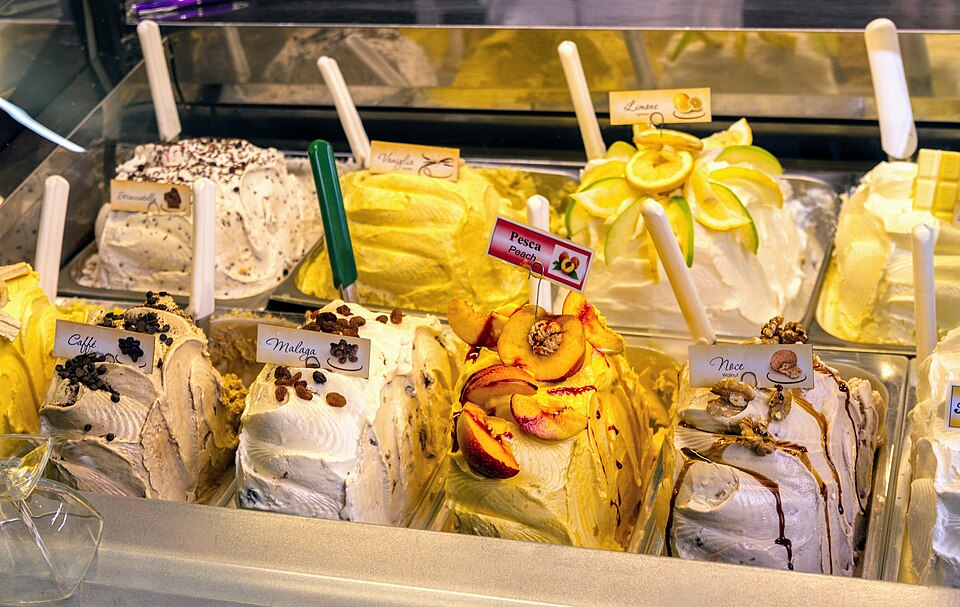
Gelato is one of Italy's most beloved treats. It is often smoother, denser, and more flavorful than regular ice cream, making it a pleasant experience after walking and sightseeing.

Wine may also be part of the local dining culture when appropriate. However, travelers are always encouraged to drink responsibly, moderately, and according to their personal health condition.

Mean Notes

Travelers should inform Carnival US in advance if they have food allergies, dietary restrictions, vegetarian needs, or any special meal requests, so the team can assist within the limits of what is available.

Due to restaurant conditions, pre-arranged menus, and differences in food culture, not all special requests can be fully guaranteed. Travelers are encouraged to keep an open and flexible mindset while experiencing local cuisine.

Italian meals are often enjoyed in a relaxed and friendly atmosphere. A meal is not only for eating, but also a time to rest, talk, and connect with others. During this pilgrimage, each meal can be seen as a quiet pause to relax, recover, and prepare for the next sacred destination.

Local Cuisine
Pasta
A signature part of Italian cuisine, served in many regional styles with sauces such as tomato, pesto, cream, seafood, or meat.
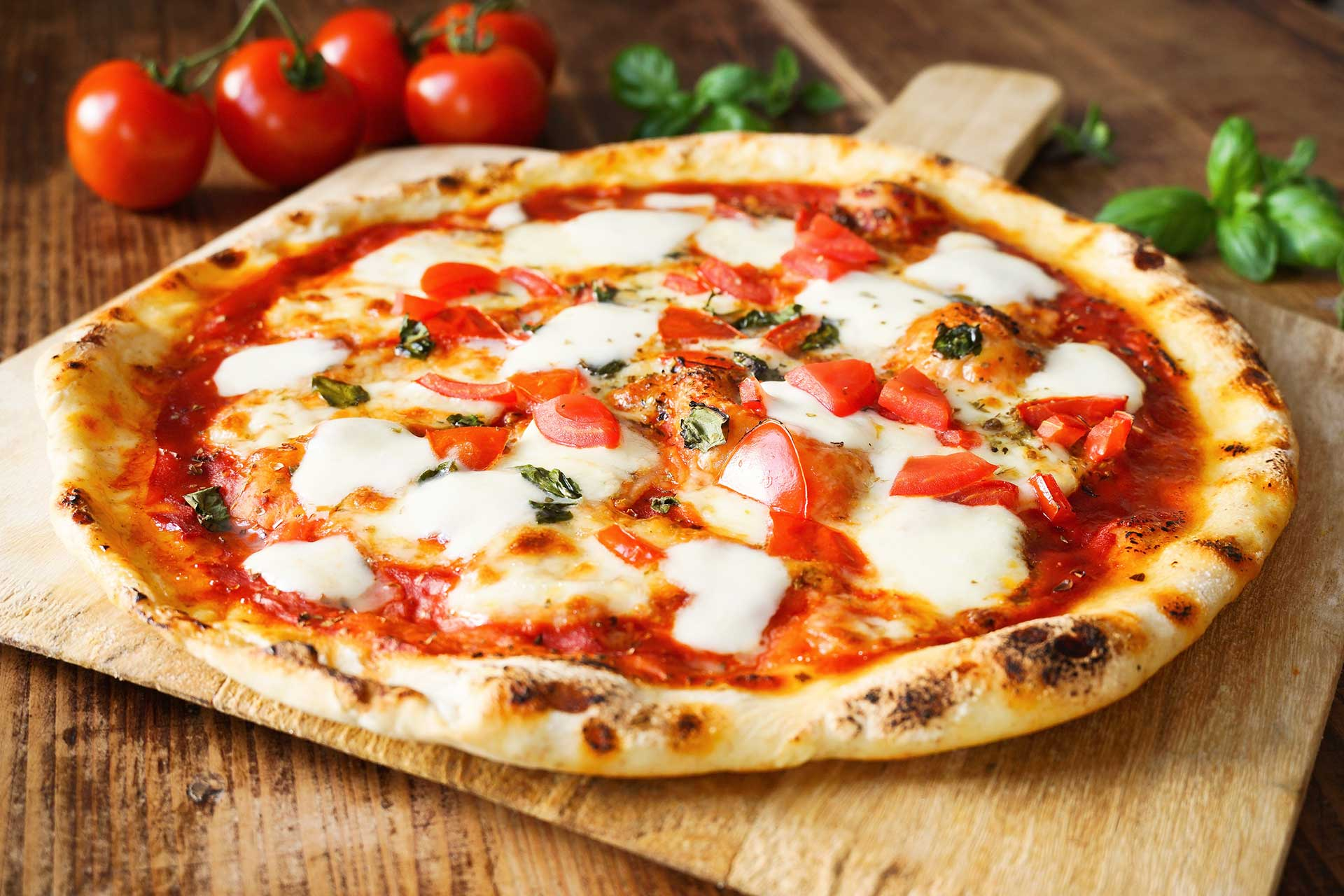
Pizza
Pizza
A classic Italian favorite made with thin dough, tomato sauce, cheese, and toppings. Roman and Neapolitan styles may differ in texture and flavor.
Risotto
A creamy rice dish often cooked with broth, cheese, seafood, mushrooms, or seasonal ingredients.
Lasagna
Layers of pasta, meat sauce, cheese, and béchamel baked into a rich and comforting dish.
Gelato
Gelato
Italian-style ice cream known for its smooth texture and strong flavors. It is a popular treat after walking or sightseeing.
Tiramisu
A famous Italian dessert made with coffee-soaked ladyfingers, mascarpone cream, and cocoa.
Espresso / Cappuccino
Coffee is an important part of Italian daily life. Espresso is common after meals, while cappuccino is usually enjoyed earlier in the day.
Pilgrimage Site Overview

The pilgrimage sites in Italy carry extraordinary spiritual meaning because they are closely connected to the foundations of the Catholic Church, the lives of the Apostles, the witness of the early martyrs, the ministry of the Pope, and the examples of great saints such as Saint Francis of Assisi, Saint Clare, and Blessed Carlo Acutis.

In Rome, pilgrims visit basilicas, catacombs, sacred stairs, relics, and churches that speak of sacrifice, courage, conversion, and the endurance of faith through centuries. In Vatican City, travelers experience the heart of the universal Church through Saint Peter's Basilica, papal audience opportunities, and the living communion of pilgrims from around the world. In Assisi, the journey becomes quieter and more reflective, inviting travelers to rediscover peace, humility, simplicity, and love for God in everyday life.

As travelers visit these sacred places, they are encouraged to keep a spirit of prayer, silence, respect, and gratitude. Some places may be crowded, some may require security checks or long waits, and some may involve walking over stone streets, stairs, or hillside paths. Modest clothing, comfortable shoes, patience, and an open heart will help each traveler enter more deeply into the meaning of the journey.

These renewed pilgrimage sites invite travelers not only to admire architecture, art, and history, but also to their own faith, prayer, humility, and desire to live closer to God.

Basilica of Saint Paul Outside the Walls
One of the four major basilicas of Rome, built over the tomb of Saint Paul the Apostle. This sacred site invites pilgrims to reflect on conversion, mission, courage, and the faithful witness of Saint Paul, who gave his life to proclaim the Gospel.
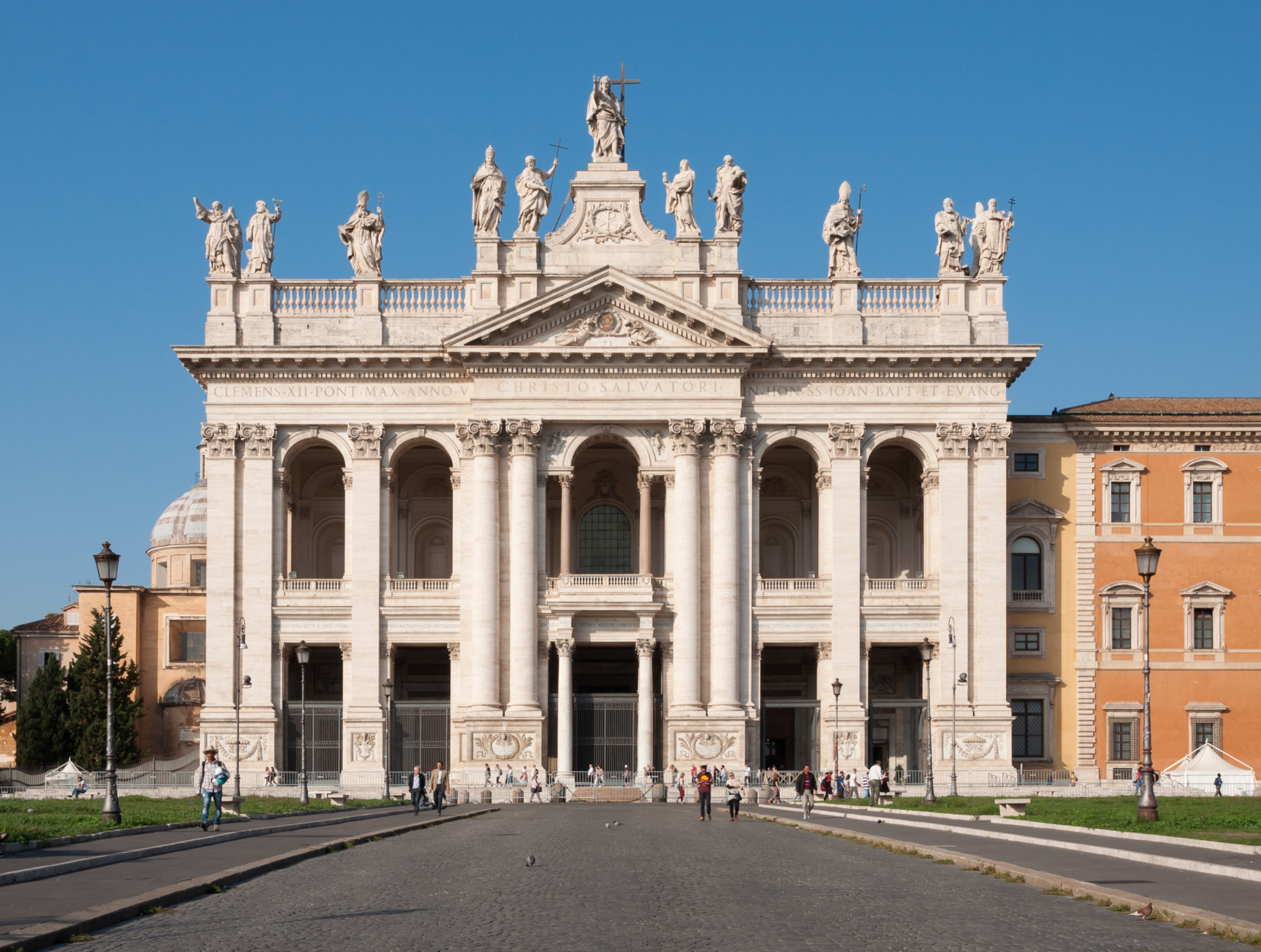
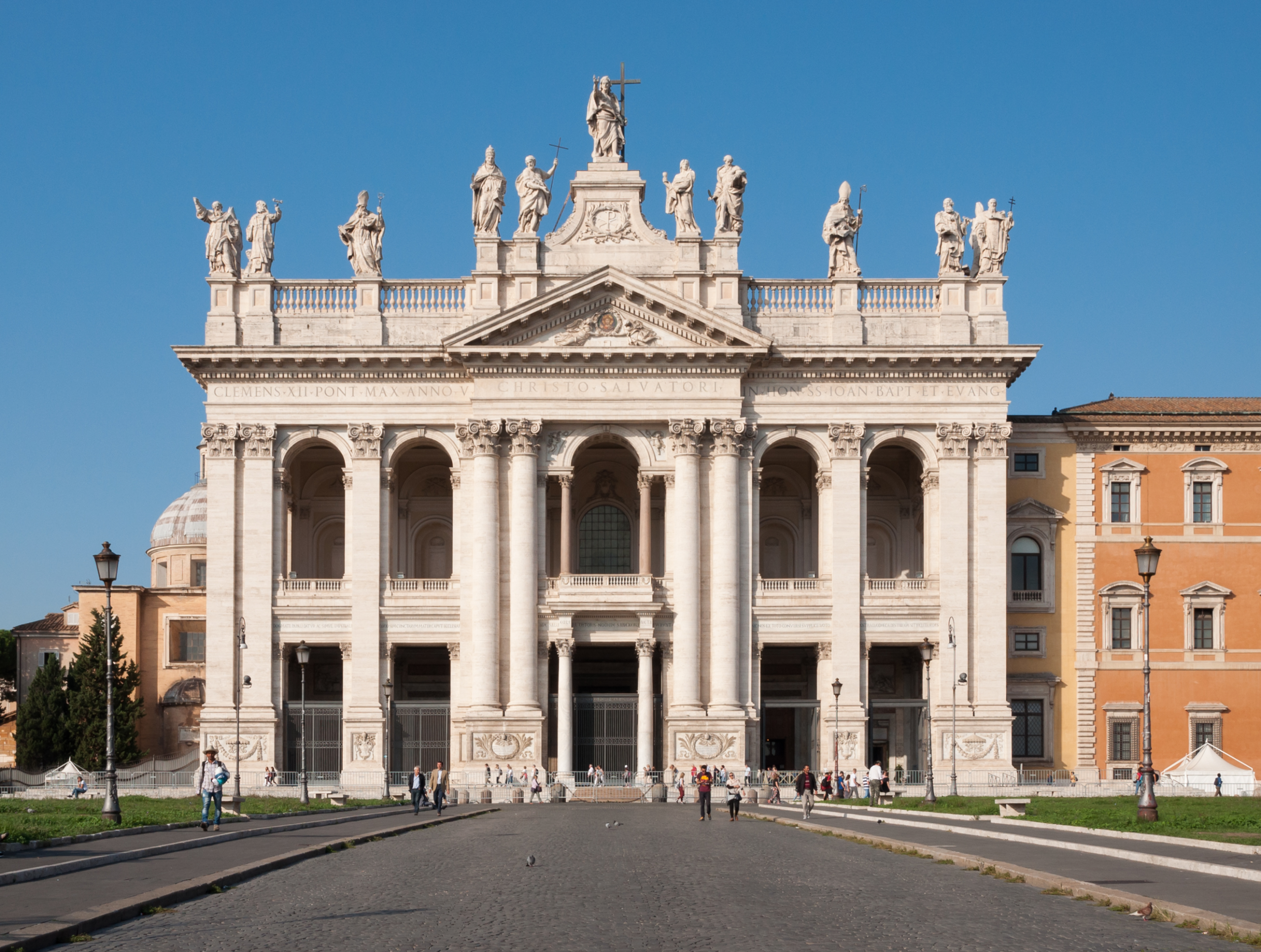
Archbasilica of Saint John Lateran
According to tradition, these are the stairs that Jesus climbed during His trial before Pontius Pilate. Many pilgrims ascend the steps on their knees in prayer, repentance, and personal reflection on the Passion of Christ.
Basilica of the Holy Cross in Jerusalem
A historic Roman basilica known for relics connected to the Passion of Christ. It is a meaningful place for pilgrims to reflect on the Cross, sacrifice, redemption, and the love of Christ.
Basilica of Saint Mary Major
One of the four major basilicas of Rome and an important Marian shrine. Dedicated to the Blessed Virgin Mary, this basilica invites pilgrims into prayer, gratitude, and devotion to the Mother of God.
Catacombs of Saint Callixtus
Ancient underground burial places of early Christians, popes, and martyrs. The catacombs remind pilgrims of the courage, silence, sacrifice, and deep faith of the early Church during times of persecution.