Pilgrimage Leisure

Turkey

Beyond World, beyond time

🌍 Europe / Asia / Turkey
💰 Turkish Lira
Best: Apr - Jun, Sept - Oct
💬 Turkish; English
🕐

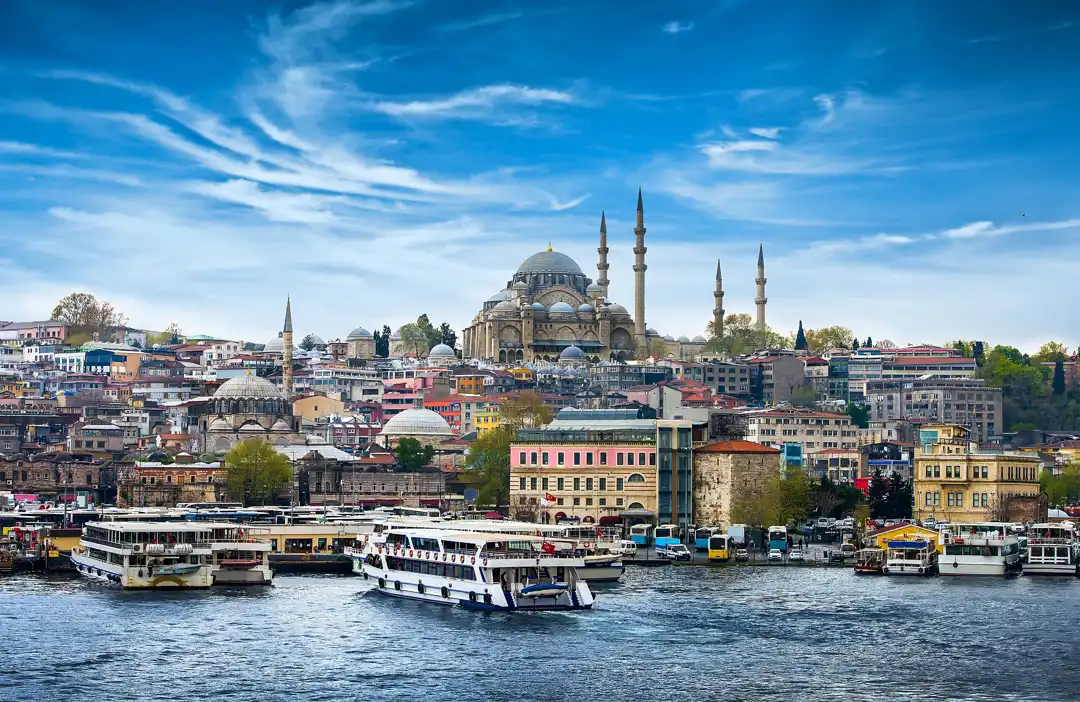
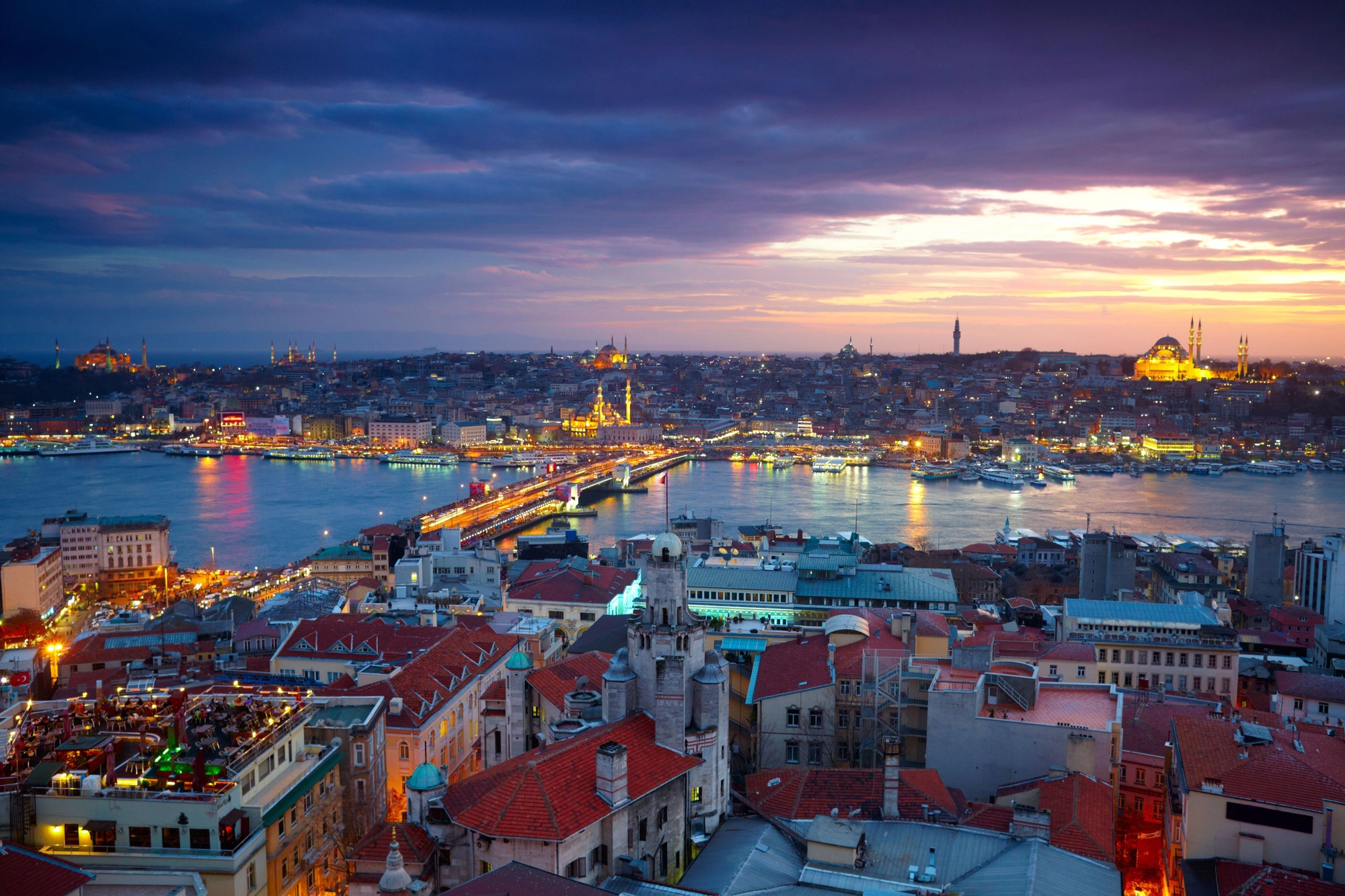
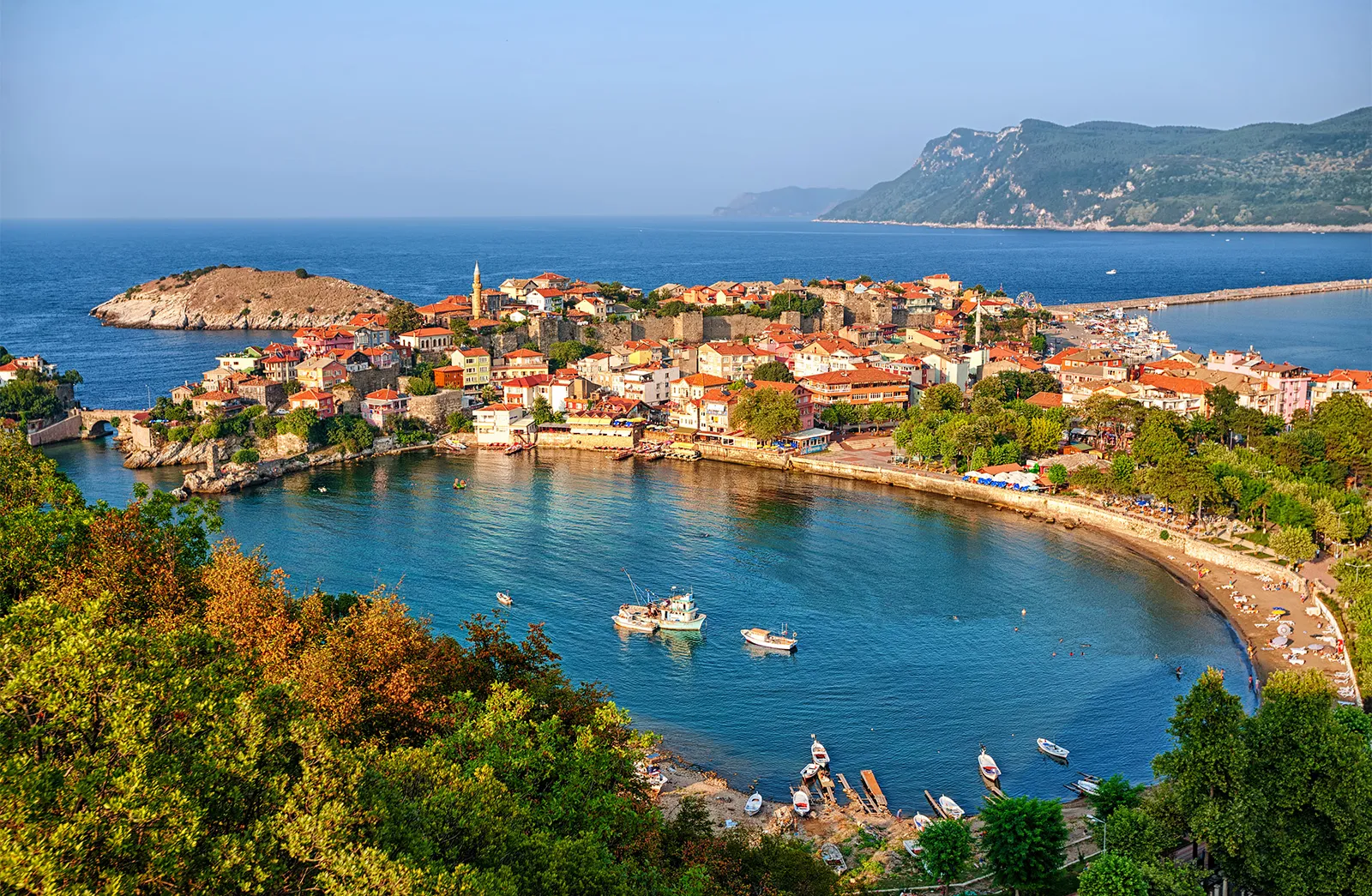
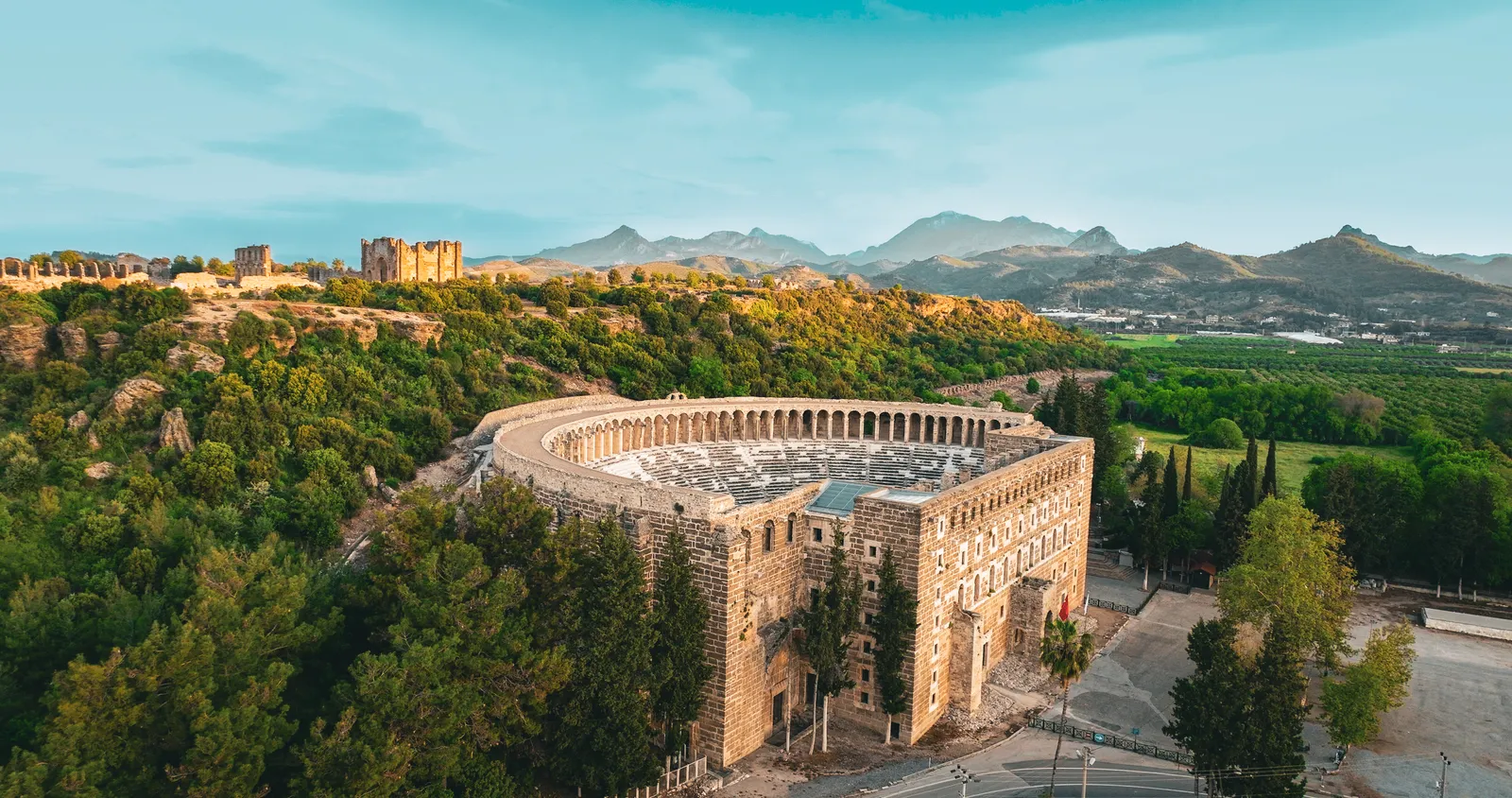
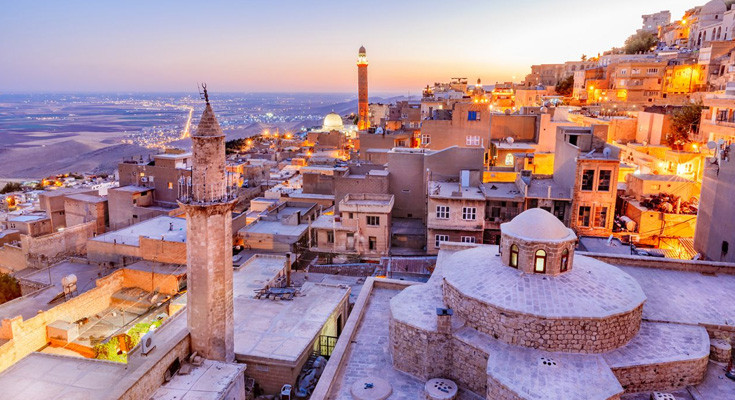
Turkey is a land between Europe and Asia, where the ancient past and modern life meet. It is a country shaped by many layers of civilization, including Byzantine, Ottoman, Roman, early Christian, Islamic, and local Anatolian cultures, all existing together in a unique and unforgettable setting.

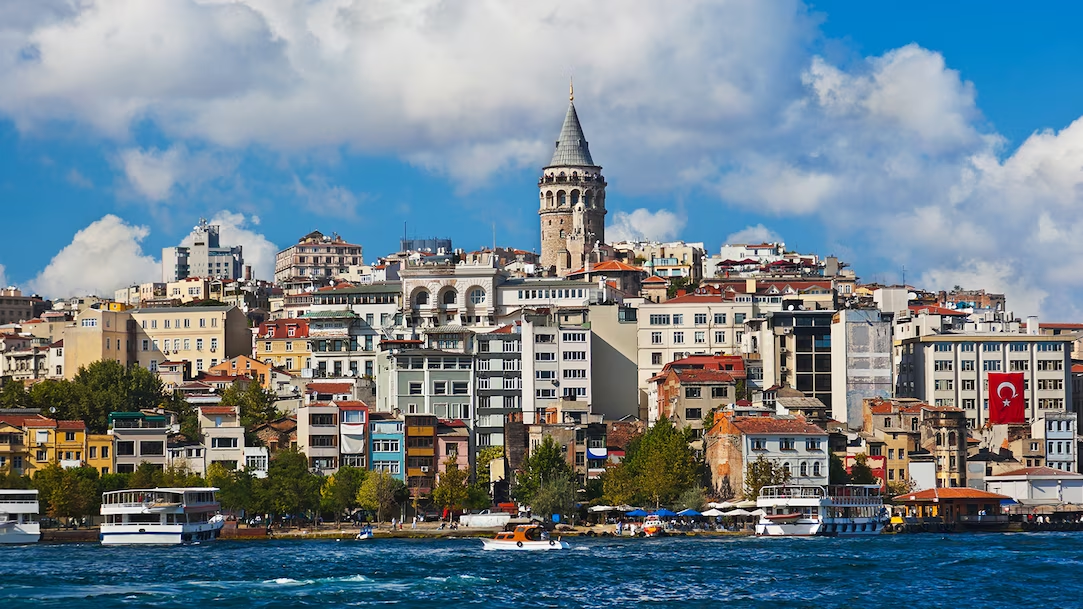
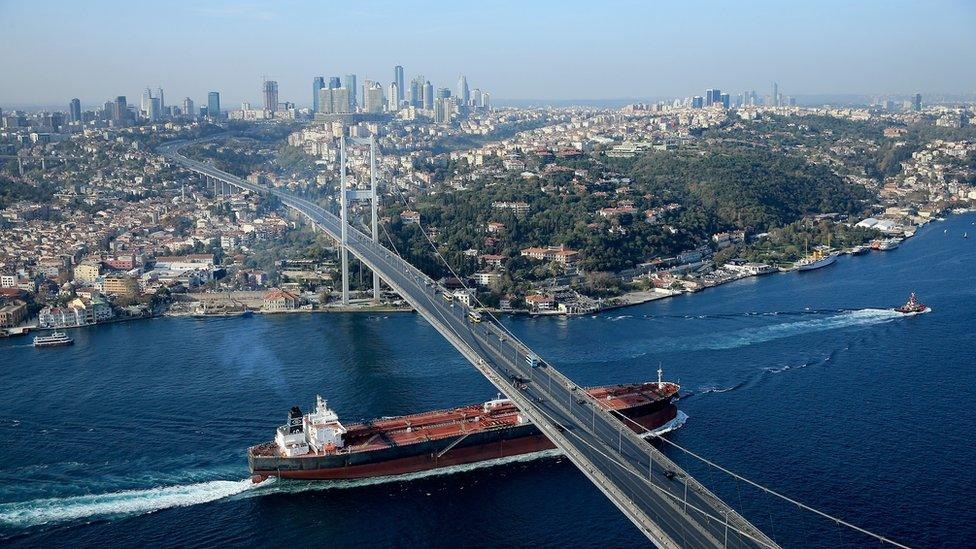
A journey through Turkey is more than a sightseeing trip. Travelers will encounter Istanbul along the Bosphorus, the legendary city of Troy from Homer's epic stories, Bursa as a former Ottoman capital, Roman-era Ephesus, the sacred House of the Virgin Mary, the white terraces of Pamukkale, the dreamlike landscapes of Cappadocia, and Ankara, the capital of modern Turkey.

This handbook is written in an easy-to-read style, focusing on practical preparation and a deeper understanding of each destination. When travelers know the story behind each place, they will not simply “pass through” the sites, but will be able to appreciate the depth of history, culture, and faith found throughout Turkey.

Documents & Visa

Your passport must be the original document and should be valid for at least 6 months from the end date of the trip.

Visa or entry permit requirements for Turkey may change depending on nationality. Travelers should check the latest guidance from Carnival US and official sources before departure.

If you are not a US citizen, entry requirements may be different. A Green Card does not automatically replace a visa if your passport is from a country that requires a visa for Turkey.

Take photos of your passport, residency documents, flight tickets, travel insurance, hotel list, and emergency contact information. Save them on your phone/cloud and send one copy to a trusted family member.

Do not place your passport, cash, bank cards, personal medication, or important documents in checked luggage.

Important: If missing documents prevent a traveler from departing or result in denied entry, Carnival US is not responsible, and the tour cancellation policy will still apply.

Luggage

Checked Baggage

Specific baggage rules will follow the airline listed on the ticket. In general, economy class usually allows one checked bag of about 50 lbs / 23 kg, depending on the ticket.

Checked baggage should include clothing, shoes, personal items, liquids, and items that are not needed immediately during the flight.

Travelers should pack light and neatly because the tour includes long travel segments, hotel changes, outdoor walking areas, and large historical sites.

Carry-On Baggage

Carry-on baggage should include your passport, important documents, money, bank cards, phone, personal medication, power bank, one extra set of clothing, and other necessary items.

Power banks must always be kept in carry-on baggage and must not be placed in checked baggage.

Travelers should bring a light jacket because the flight may be long, the tour bus may be cold, and early mornings in Cappadocia or some evenings may feel cooler than expected.

Walking Shoes

Travelers are encouraged to bring two pairs of comfortable walking shoes that have already been worn before. Istanbul has stone streets and crowded markets, Ephesus has ancient stone surfaces, Pamukkale may have wet or slippery areas, and Cappadocia has rocky paths and gentle slopes.

Hotels

Hotels during the tour are arranged according to the route, transportation route, and local availability. In some pilgrimage or regional destinations, hotel services may be simpler than those in major city centers. Travelers should understand that this journey focuses on history, culture, faith, and meaningful experiences rather than luxury accommodations.

Carnival US will provide hotel information when available, including hotel names, addresses, and other important details. Most hotels provide basic amenities such as towels, soap, shampoo, Wi-Fi, hair dryers, and private bathrooms. However, room size, bathroom layout, bedding type, and hotel facilities may vary from one location to another.

CHECK-IN / CHECK-OUT

Hotel check-in is usually between 2:00 PM and 4:00 PM. If rooms are not ready upon arrival, the group may store luggage at the hotel and continue with the program or wait in the hotel area, depending on the schedule.

Hotel check-out is usually between 11:00 AM and 12:00 PM. Before leaving the hotel, travelers should carefully check the safe, drawers, closet, outlets, bathroom, nightstand, and under the bed to make sure no personal items are left behind.

Room Keycard & Electricity

Many hotels use room keycards to open doors, activate electricity, or access elevators. In some hotels, the keycard must be inserted into a slot near the door to turn on the room lights and power outlets. Elevator systems may also require the keycard before selecting a floor.

Switches, outlets, heating, air conditioning, and bathroom layouts may vary from hotel to hotel. If travelers have difficulty using anything in the room, they should ask the tour guide or hotel front desk for assistance.

Personal Belongings

Do not leave passports, cash, jewelry, credit cards, electronics, or valuable items in visible areas inside the room. Keep valuables in a safe place, and lock the room whenever leaving.

Travelers should not keep all cash, passport, and cards in one place. It is recommended to divide important items and keep essential documents close to the body during travel days.

BATHROOM SAFETY

Hotel bathrooms may have different layouts, including bathtubs, shower cabins, glass partitions, or wet floors. Please be careful when stepping in and out of the shower or bathtub, especially if the floor is wet. Travelers may place a towel on the floor to reduce slipping risk and should use handrails if available.

Room Cleaning

Room cleaning policies may vary by hotel. Some hotels may clean rooms daily, while others may only clean upon request or follow limited cleaning schedules. If travelers need fresh towels, toiletries, or room cleaning, they may contact housekeeping, the hotel front desk, or the tour guide.

PERSONAL MEDICATION & DAILY ITEMS

Travelers should prepare personal medication and common travel medicine, including headache medicine, digestive medicine, allergy medicine, motion sickness medicine, cold medicine, bandages, medicated oil, and any prescribed medication currently being used.

Travelers are also encouraged to bring travel-size toiletries, tissues, hand sanitizer, sunscreen, lip balm, vitamins, a small first-aid kit, and a pen for filling out forms.

If travelers need to purchase additional personal items during the journey, they may ask the tour guide or hotel front desk for assistance.

Flights & Airport

Carnival US will email travelers the flight itinerary before the departure date. This document includes flight information, airline names, flight numbers, connection details, and electronic ticket numbers. Please note that this document is not a boarding pass.

Travelers will receive their boarding pass after check-in, either online or at the airline counter at the airport. Online check-in usually opens about 24 hours before departure, depending on the airline.

For international flights, travelers should arrive at the airport at least 3 hours before departure. This allows enough time for airline check-in, baggage drop-off, security screening, passport control when applicable, and walking to the departure gate.

If the flight route shows a codeshare flight, travelers should follow the airline information provided in the Carnival US email or flight route. In some cases, the ticket may show one airline, but check-in may be handled by another partner airline operating the flight.

Travelers should carefully check all flight information after receiving the route, including name spelling, airline, flight number, departure time, arrival time, and connection details. If any information appears incorrect or unclear, please contact Carnival US as soon as possible.

If travelers need special assistance, such as wheelchair service, special meals, or other airline-related requests, please inform Carnival US early so the request can be submitted before departure. Special requests are subject to airline availability and approval.

Arrival in Istanbul

When the airplane lands in Istanbul, travelers should carefully check all personal belongings before leaving the aircraft, including passport, phone, wallet, medication, glasses, documents, and carry-on items.

After exiting the plane, travelers should follow airport signs and the tour guide's instructions to proceed through immigration, baggage claim, and customs. Please stay with the group and follow the tour guide's flag or meeting instructions to avoid getting separated.

After immigration, travelers will collect checked luggage at baggage claim. Please check the luggage tag and suitcase carefully to make sure it is your own bag before leaving the baggage area.

If luggage is missing or damaged, please report it immediately to the airline baggage service counter or Lost and Found office before leaving the airport. Keep all baggage claim tags and written documents provided by the airline.

If you do not see the tour guide, driver, or group representative after exiting the arrival area, please remain in a visible location and contact the tour guide using the phone number provided in the final confirmation email. Do not leave the airport on your unless owned by Carnival US or the tour guide.

Important Note: Travelers should not say words related to aviation security threats, such as “bomb,” “explosive,” or similar terms, in any language while at the airport, during baggage check-in, security screening, or on the airplane. Such words may cause serious delays, questioning, or legal consequences.

US Customs & Border

When returning to the United States, travelers will go through US Customs and Border Protection (CBP) inspection at the first US airport of entry.

US citizens and permanent residents returning from Turkey may generally bring back up to $800 worth of goods duty-free, as long as the items are for personal use and accompanying the traveler upon returning to the United States. For travelers who wish to bring back more goods, a flat duty rate of 3% may apply to the next $1,000 worth of purchases.

Travelers should keep all purchase receipts in case US Customs officers request a declaration upon return to the United States.

Travelers must declare food, plants, seeds, medicine, large amounts of cash, and valuable items purchased abroad when required. Certain fresh fruits, meats, plants, seeds, and agricultural products may be restricted or prohibited from entering the United States.

Travelers should also be careful when purchasing brand-name goods, jewelry, carpets, leather products, spices, or souvenirs. Keep receipts for valuable purchases and avoid buying counterfeit goods, as counterfeit items may be confiscated and may cause customs issues.

For more details, please visit the US Customs and Border Protection website:
https://www.cbp.gov/travel

Money & Payment

Turkey uses the Turkish Lira, written as TRY or shown with the symbol . Some tourist areas may list prices or accept foreign currency, but for daily spending, travelers should prepare Turkish Lira or use an international payment card.

Visa and MasterCard are commonly accepted at hotels, restaurants, and larger stores. American Express may not be as widely accepted.

Travelers should still carry a small amount of cash in smaller denominations for water, tips, restrooms, small souvenirs, local markets, or places that may not accept cards.

Before departing, travelers should notify their bank and credit card companies that they will be traveling to Turkey. This helps prevent cards from being blocked or temporarily suspended due to international transactions.

Do not exchange money with strangers on the street. If travelers need to exchange money or withdraw cash from an ATM, they should follow the guidance of the hotel, tour guide, or a reputable currency exchange location.

Cash Safety

Divide your cash and keep it in different places. Do not carry all your cash, passport, and bank cards in the same wallet or bag.

Tax Return

Turkey offers VAT refunds for eligible foreign travelers on qualifying goods purchased at participating stores. To request a refund, travelers must ask the store to prepare the proper Tax Free Form / VAT Refund Form at the time of purchase.

Travelers should keep the original receipt, Tax Free Form, passport, boarding pass, and purchased items easily accessible at the airport. In some cases, customs officers may ask to inspect the purchased items before approving the refund, so travelers should not pack these items deep inside checked luggage before completing the process.

The VAT refund process is usually completed at the airport before leaving Turkey. After customs validation, travelers may receive the refund in cash, by credit card, or through another method depending on the refund company and airport procedure.

Please note that the refund amount may not equal the full VAT amount because service fees may be deducted by the tax refund company. Refund rules, eligible goods, minimum purchase amounts, participating stores, and airport procedures may change, so travelers should confirm details with the store, tour guide, airport staff, or official tax refund counter before making large purchases.

Travelers should carefully check purchased items and avoid counterfeit or fake brand-name goods. Counterfeit items may cause customs issues and may be confiscated.

Weather & Clothing
Interior Location Average Temp Mouse
Spring: March – May Istanbul / Ephesus / Pamukkale / Cappadocia / Ankara 5°C – 26°C / 41°F – 79°F Cool and pleasant, but weather may vary by region. Istanbul can be windy with light rain. Ephesus and Pamukkale gradually become warmer, while Cappadocia and Ankara may still feel cold in the early morning and evening. Wear a light shirt or blouse with a thin jacket, long pants, a light scarf, and comfortable walking shoes. Bring a small umbrella or a light rain jacket.
Summer: June – August Istanbul / Ephesus / Pamukkale / Cappadocia / Ankara 12°C – 37°C / 54°F – 99°F Sunny, dry, and quite hot, especially in Ephesus, Selçuk, and Pamukkale. Istanbul may feel breezy near the Bosphorus. Cappadocia and Ankara can be hot during the day but cooler in the early morning and evening, especially for hot air balloon viewing. Wear lightweight, breathable, sweat-absorbing, but modest clothing. Bring a hat, sunglasses, sunscreen, water, and good walking shoes. Bring a light jacket for early mornings and evenings in Cappadocia and Ankara.
Autumn: September – November Istanbul / Ephesus / Pamukkale / Cappadocia / Ankara 5°C – 30°C / 41°F – 86°F September may still be warm in many areas, while October and November gradually become cooler and more comfortable. Istanbul may be windy and rainy towards the end of the season. Cappadocia and Ankara become noticeably colder in the early morning and evening. Dress in layers, with a light inner shirt and a light jacket. Bring comfortable shoes, a light scarf, a hat, sunglasses, and warmer clothing if visiting Cappadocia or Ankara.
Winter: December – February Istanbul / Ephesus / Pamukkale / Cappadocia / Ankara -3°C – 15°C / 27°F – 59°F Cold, humid, and possibly rainy in Istanbul. Ephesus and Pamukkale may feel cool to mildly cold. Cappadocia and Ankara are much colder and may have snow or icy conditions. Bring warm clothing, a thick jacket, scarf, beanie, gloves, non-slip shoes, and a small umbrella or raincoat.
Pilgrimage Clothing

When entering mosques, churches, shrines, temples, or other sacred places, travelers should dress modestly and respectfully.

Shoulders and knees should be covered. Avoid clothing that is too short, too sheer, too tight, or too revealing.

Women are encouraged to bring a light scarf or shawl to cover their hair when entering certain mosques.

When visiting places of worship, please keep quiet, avoid speaking loudly, do not take photos where photography is prohibited, and be respectful of people who are praying.

Communication & Internet

An eSIM or international roaming plan is a convenient option for staying connected during the trip. Travelers are encouraged to set it up before leaving the United States and check the connection again after landing.

Hotel Wi-Fi is usually available for free, but travelers should not depend on it completely. It is recommended to save important information offline, including hotel addresses, the tour leader's phone number, the local guide's phone number, and group meeting points.

Emergency Numbers

112 – General emergency number in Turkey. Use this number for police, ambulance, fire department, and other urgent emergency situations.

155 – Police emergency line. In many cases, emergency calls are now directed through 112, but 155 may still be recognized for police assistance.

110 – Fire department. In many areas, emergency calls are now handled through 112, but 110 may still be recognized for fire-related emergencies.

156 – Gendarmerie / rural security assistance, especially outside major city centers.

Special Note for Travelers

For a real emergency in Turkey, the easiest and most practical number to remember is 112.

If you are separated from the group, stay in a visible and easy-to-recognize location and call the tour guide immediately.

If you lose an item at a hotel, airport, restaurant, historical site, or tourist area, report it to the nearest staff member, security point, or tour guide as soon as possible.

For minor health issues, inform the tour guide so they can help you contact the hotel, local guide, pharmacy, clinic, or emergency service if needed.

Electricity

Turkey uses approximately 230V / 50Hz electricity. electricity. The most common plug types are Type C and Type F, which uses two round pins. Travelers should bring a universal adapter and check that their devices support it 100–240V Before use.

Safety

Turkey is a beautiful and welcoming destination with rich history, culture, and religious heritage. However, travelers should remain aware of their surroundings, especially in crowded areas such as airports, markets, bazaars, mosques, churches, historical sites, restaurants, and busy tourist streets.

Keep your passport, cash, bank cards, phone, and important documents secure at all times. Do not keep all valuables in one bag, and avoid placing your wallet or phone in your back pocket. A crossbody bag or front-worn bag is recommended for daily sightseeing.

Be extra careful in crowded places such as the Grand Bazaar, Spice Bazaar, Sultanahmet area, Ephesus, Pamukkale, Cappadocia viewpoints, and airport arrival or departure areas. Crowds can make it easier to lose items or become separated from the group.

When walking through historical sites, stone streets, ruins, terraces, or cave areas, wear comfortable shoes with good grip. Some surfaces may be uneven, slippery, dusty, wet, or steep, especially in Ephesus, Pamukkale, Cappadocia, and old city areas.

Do not accept packages, luggage, food, drinks, or personal items from strangers. Travelers should only carry their own belongings and should not agree to transport anything for another person.

If you become separated from the group, stay in a visible and easy-to-recognize location and call the tour guide immediately. Do not leave the area on your unless owned by the tour guide or Carnival US.

At hotels, keep valuables in a safe place and lock your room when leaving. If going out during free time, travel with others when possible and inform the tour guide if needed.

Carnival US is not responsible for lost personal belongings, accidents caused by personal negligence, or issues resulting from failure to follow safety instructions.

Food & Dining

Turkish cuisine reflects the country's unique position between Europe and Asia. Its flavors are shaped by Middle Eastern, Mediterranean, Balkan, and Ottoman traditions, creating a food culture that is rich, warm, and full of variety. During the journey, travelers may enjoy grilled meats, fresh bread, yogurt, vegetables, spices, nuts, dried fruits, Turkish tea, and traditional coffee.

Meals in Turkey take more time to eat. They are also a way to experience local hospitality, family-style dining, and the slower rhythm of daily life. Many dishes are served with bread, rice, salad, yogurt, or small appetizers, making the meal feel both generous and welcoming.

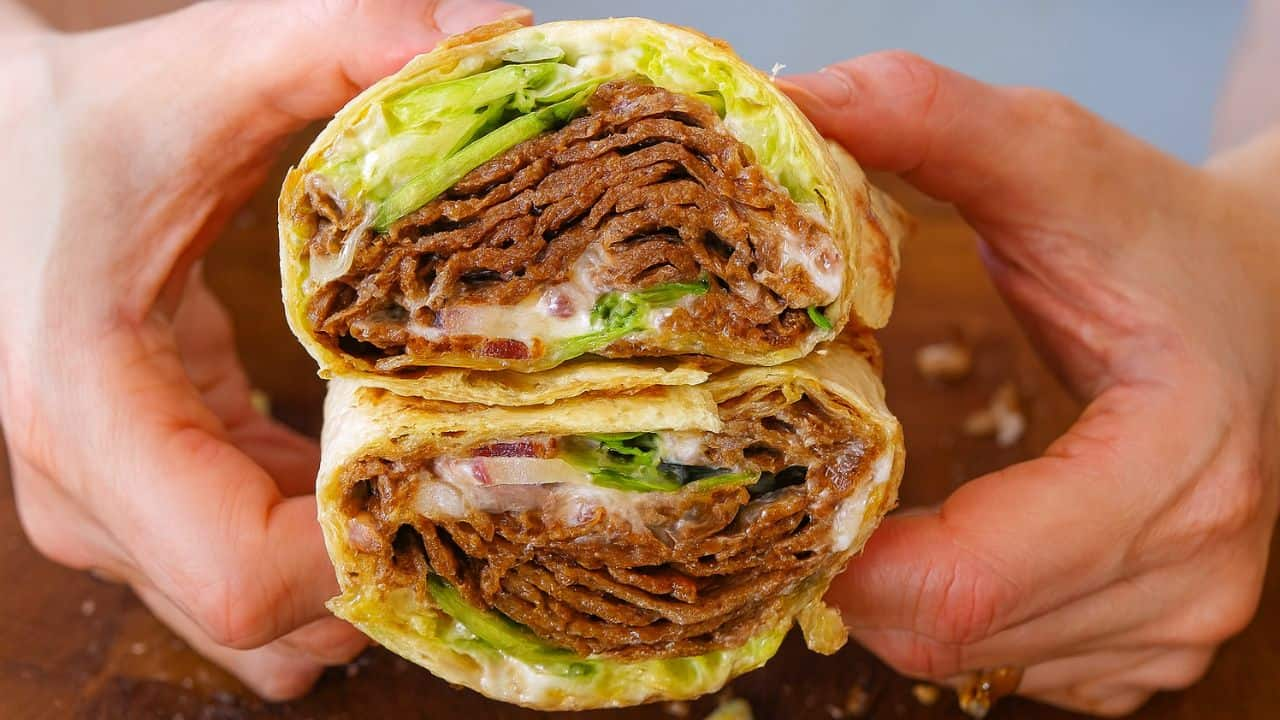
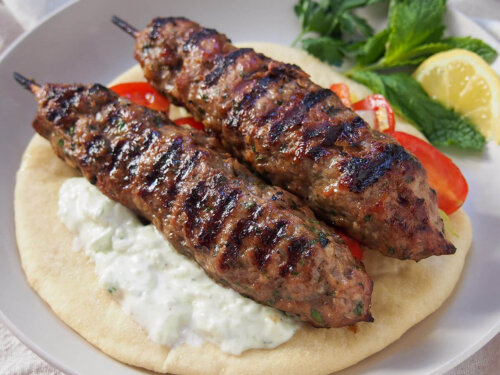
Some popular dishes travelers may have the chance to try include kebab or döner kebab, made with grilled or thinly sliced roasted meat; köfte, a seasoned grilled meatball dish; pide and lahmacun, Turkish-style flatbreads topped with meat, cheese, herbs, or spices; and mezze, a selection of small appetizer dishes such as hummus, eggplant, yogurt, salads, and vegetables.

Other traditional foods include manti, small dumplings often served with yogurt and sauce, and gözleme, a thin grilled flatbread filled with cheese, vegetables, or meat. For dessert, travelers may enjoy baklava, a sweet layered pastry with nuts and syrup, or Turkish Delight / lokum, a soft traditional candy often flavored with rose, pistachio, or fruit.

Turkey is also known for its drinks. Turkish tea is commonly served throughout the day, while Turkish coffee is strong, rich, and usually served in small cups. Ayran, a yogurt-based drink, is also popular and refreshing, especially with grilled foods.

Travelers should inform Carnival US in advance if they have food allergies, follow a vegetarian diet, avoid certain meats, seafood, dairy, gluten, or have other special meal needs. Because meals may be arranged with local restaurants and pre-set menus, not all requests can be fully guaranteed. Travelers are encouraged to remain flexible and open-minded while enjoying the local flavors of Turkey.

Local Cuisine
Kebab / Döner Kebab
Kebab / Döner Kebab
Grilled meat or thinly sliced roasted meat, often served with rice, bread, or vegetables.
Köfte
Köfte
Grilled meatballs or seasoned ground meat, easy to enjoy and widely available.
Pide / Lahmacun
Turkish flatbread or thin bread topped with meat, cheese, egg, herbs, or spices.
Mezzoe
Small appetizer dishes such as hummus, mashed eggplant, salads, yogurt-based dishes, and vegetables.
Manti
Small dumplings filled with meat, usually served with yogurt and sauce.
Gözleme
A thin grilled flatbread filled with cheese, vegetables, or meat.
Baklava and Turkish Delight / Lokum
Traditional sweets, including layered pastry with nuts and syrup, and soft chewy confectionery often flavored with rose, pistachio, or fruit.
Turkish Coffee, Turkish Tea, and Ayran
Popular local drinks. Turkish coffee is strong and traditionally served in small cups, Turkish tea is commonly enjoyed throughout the day, and ayran is a refreshing yogurt-based drink.
Pilgrimage Site Overview

A pilgrimage through Turkey is a journey across lands deeply connected to early Christianity, ancient civilizations, and the meeting point of East and West. From the churches and councils of the early Christian world to the landscapes of Anatolia, Turkey offers pilgrims a meaningful opportunity to walk through places shaped by Scripture, tradition, history, and faith.

This journey brings travelers to important spiritual and historical destinations such as Ephesus, the House of the Virgin Mary, ancient Christian sites, Istanbul, Cappadocia, Pamukkale, Troy, Bursa, and Ankara. Each place reveals a different layer of Turkey's story, from Roman and Byzantine heritage to Ottoman culture and modern Turkish life.

For Catholic pilgrims, Turkey is especially meaningful because it is connected to the missionary journeys of the early Church, the life of Saint Paul, the devotion to the Blessed Virgin Mary, and the Christian communities that once flourished in Asia Minor. The journey invites travelers not only to visit famous landmarks, but also to reflect on the roots of faith, the courage of the early Christians, and the spiritual history that shaped the Church.

This handbook is designed as a practical and spiritual companion for the journey. It provides helpful information about travel documents, packing, clothing, weather, safety, hotels, meals, communication, and pilgrimage etiquette, so travelers can prepare well and experience Turkey with greater understanding, respect, and spiritual openness.

House of the Virgin Mary
A sacred pilgrimage site near Ephesus, traditionally believed to be the final home of the Blessed Virgin Mary. Pilgrims come here to pray, reflect, and honor Mary in a peaceful mountain setting.
Epices
One of the most important ancient cities in Asia Minor, Ephesus is closely connected to early Christianity and the missionary journeys of Saint Paul. It is also associated with the early Christian community addressed in the Book of Revelation.
Basilica of Saint John
Located near Ephesus, this historic basilica was built over the traditional burial place of Saint John the Apostle. It is a meaningful stop for pilgrims reflecting on the apostolic roots of the Church.
Cave Churches of Cappadocia
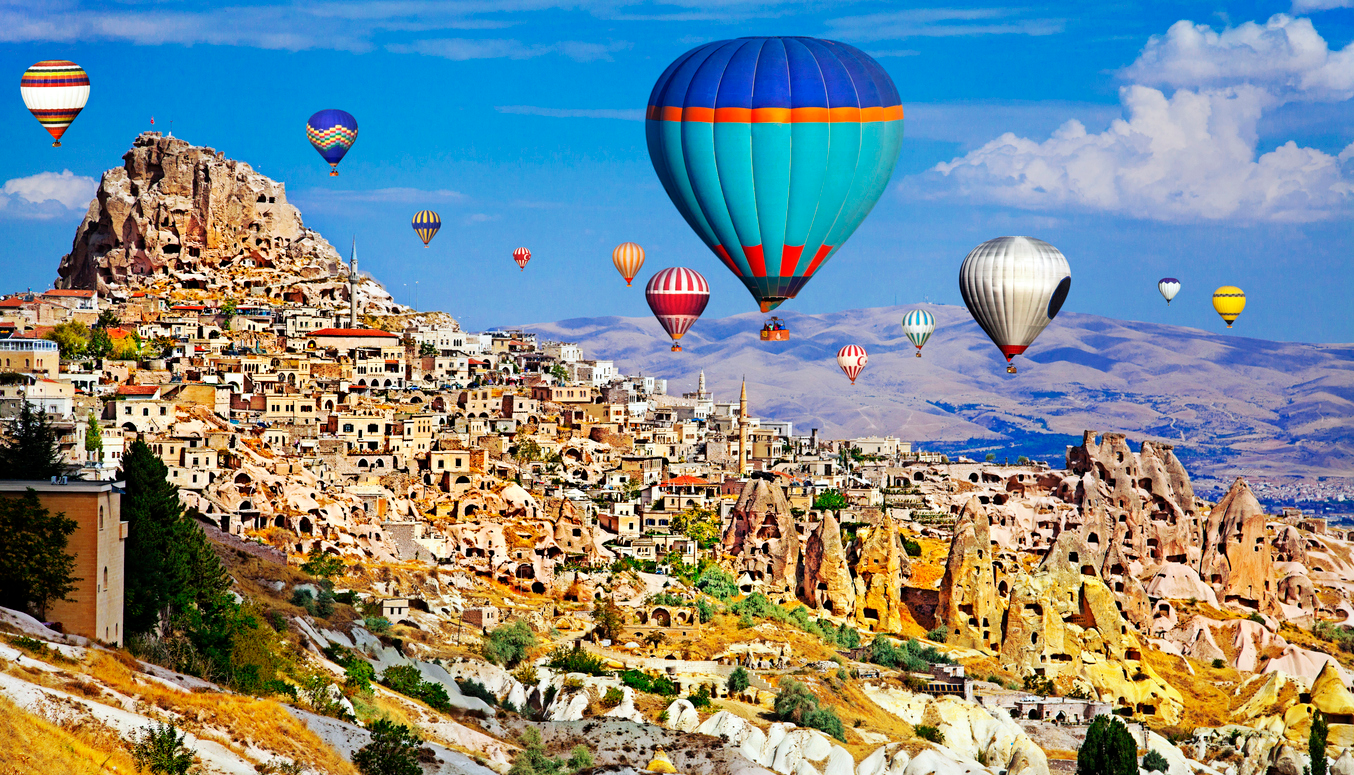
Cappadocia is known for its rock-cut churches, chapels, and monasteries created by early Christian communities. The cave churches preserve frescoes, prayer spaces, and memories of Christian life in the region.
Göreme Open-Air Museum
A UNESCO World Heritage site in Cappadocia, Göreme Open-Air Museum contains many ancient rock-cut churches and monastic spaces. It offers pilgrims a powerful glimpse into early Christian worship and spiritual life.
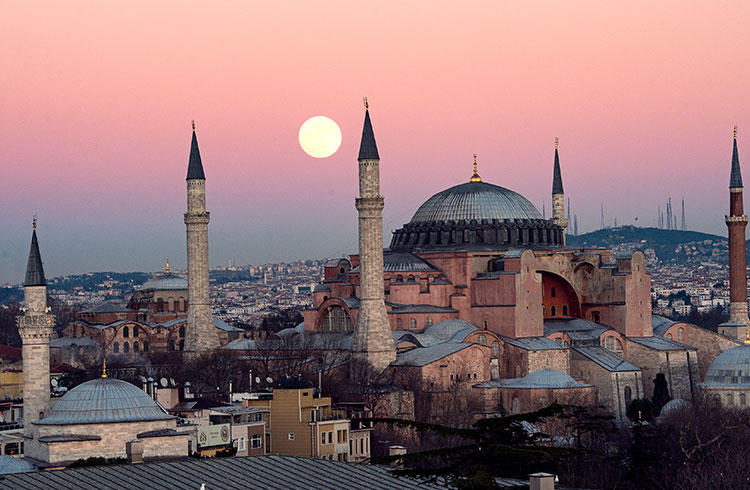
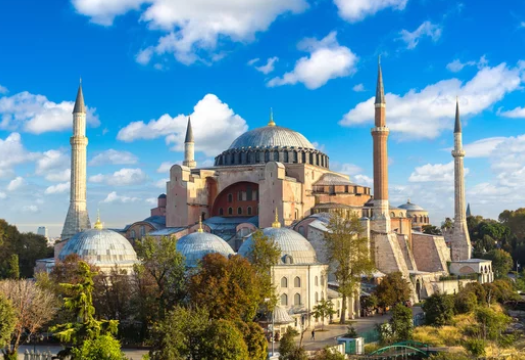
Hagia Sophia, Istanbul
Hagia Sophia is one of the most important historic religious monuments in the world, reflecting Byzantine Christian heritage and later Ottoman history. Its architecture, mosaics, and atmosphere show the layered sacred history of Istanbul.
Blue Mosque / Sultan Ahmed Mosque
A major Islamic landmark in Istanbul, the Blue Mosque helps travelers understand the religious and cultural life of Turkey. Visitors should dress modestly and respectfully prayer times and mosque etiquette.
Troy
Troy is best known from ancient Greek tradition and Homer's epic stories. While not a Christian pilgrimage site, it helps travelers understand the ancient world and cultural background of the region.
Bursa
Bursa was an early Ottoman capital and is known for its mosques, historic neighborhoods, and cultural heritage. It offers travelers insight into the Islamic and Ottoman layers of Turkey's history.
Ankara
Turkey's modern capital, Ankara represents the country's contemporary identity. It provides historical and cultural context for understanding modern Turkey beyond its ancient and religious sites.