
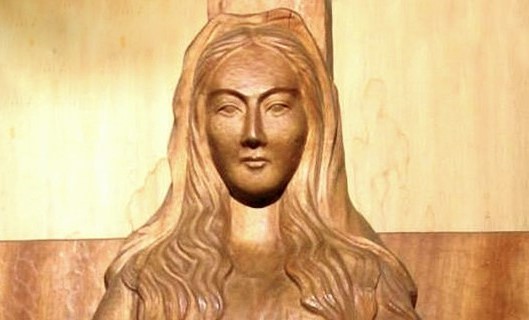
TGPSG / Aleteia — The apparitions of Our Lady in Akita, Japan, are little known, even though they occurred recently and have been recognized by Bishop John Ito of that diocese. The distinctive feature here is that the sacred message was not revealed to someone with 'clear sight,' but to a very solitary person with 'clear hearing.'.
If we're talking about Akita, I'm sure that even within the Catholic community, the name doesn't evoke anything special, except perhaps the name of a dog breed famous for its loyalty and devotion to its owner.
However, from June 12, 1973, to September 15, 1981, the Feast of Our Lady of Sorrows, Akita was the site of a series of, not "appearances" as sometimes mistakenly called, but mystical phenomena, accompanied by messages sent to a novice of the Servants of the Eucharist, Sister Agnès Sasagawa Katusuko, warning the world and the Church of a terrible and just punishment that could occur.
Recognized by Bishop John Ito of the diocese in 1984, and considered by Cardinal Ratzinger – the future Pope Benedict XVI – as a continuation of the Fatima message, the revelations in Akita nevertheless did not gain much recognition, not necessarily because they took place in a remote location.
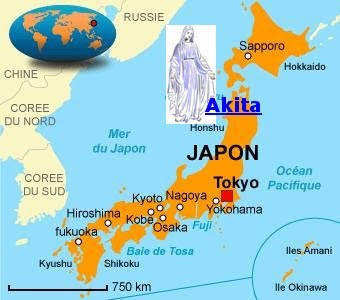
A son of wartime
Japan has always been the land of the Virgin Mary, even though it was hampered in the 16th century by persecution due to the rapid spread of Catholicism across the Japanese archipelago.
Several apparitions of the Virgin Mary in the late 19th century were recognized by the Church, in which a Christian who was imprisoned and martyred was comforted by the Virgin Mary in prison.
In 1948, the Japanese Bishops' Conference consecrated the country to the Immaculate Heart of Mary, as Our Lady had requested in 1917 in Portugal, demonstrating the gravity of her warning in a nation that in August 1945 had suffered the devastating double blow of atomic bombs in Hiroshima and Nagasaki – the latter being a Catholic archdiocese.
Born in 1931 into a Buddhist family, Sasagawa Katusuko was a child of wartime and of the double disaster, leaving a profound mark on many generations.
As a teenage victim of serious health problems that could have killed her or at least paralyzed her, this young girl was miraculously cured, leading her to decide to be baptized into Catholicism and dedicate her life to missionary work and teaching religious doctrine.
Alas, in March 1973, the girl whose baptismal name was Agnès suddenly fell ill and became completely deaf, rendering her unable to teach anymore…
However, refusing to be defeated by cruel fate, the 42-year-old woman, while still learning to read by lip-reading and mastering sign language, applied to join the Servants of the Eucharist – a congregation willing to accept her – despite her age and disability. She entered the order on May 12, 1973, just before the Feast of Our Lady of Fatima.
The Voice of the Virgin Mary
A month later, on the night of June 12th to 13th, Sister Agnès, while praying before the Tabernacle, saw a dazzling light emanating from it.
On June 28th, the nun felt terrible pain in her left hand: a wound in the form of a crucifix had appeared on this hand since July 6th; and this wound was related to the statue of Our Lady of the Nations – carved for the convent ten years earlier by a local artist; this statue in Amsterdam had been the subject of much controversy because of the apparitions beginning in 1945, attracting attention due to the many things the Virgin Mary said, which led to countless articles being written about it.
Despite its controversial nature, the statue itself is not the most important thing; what is remarkable is that the bleeding wound of the nun emitted a soothing fragrance, which also emanated from the wooden statue of Our Lady, even though it was not the scent of the local wood. This phenomenon was not observed only by Sister Agnès.
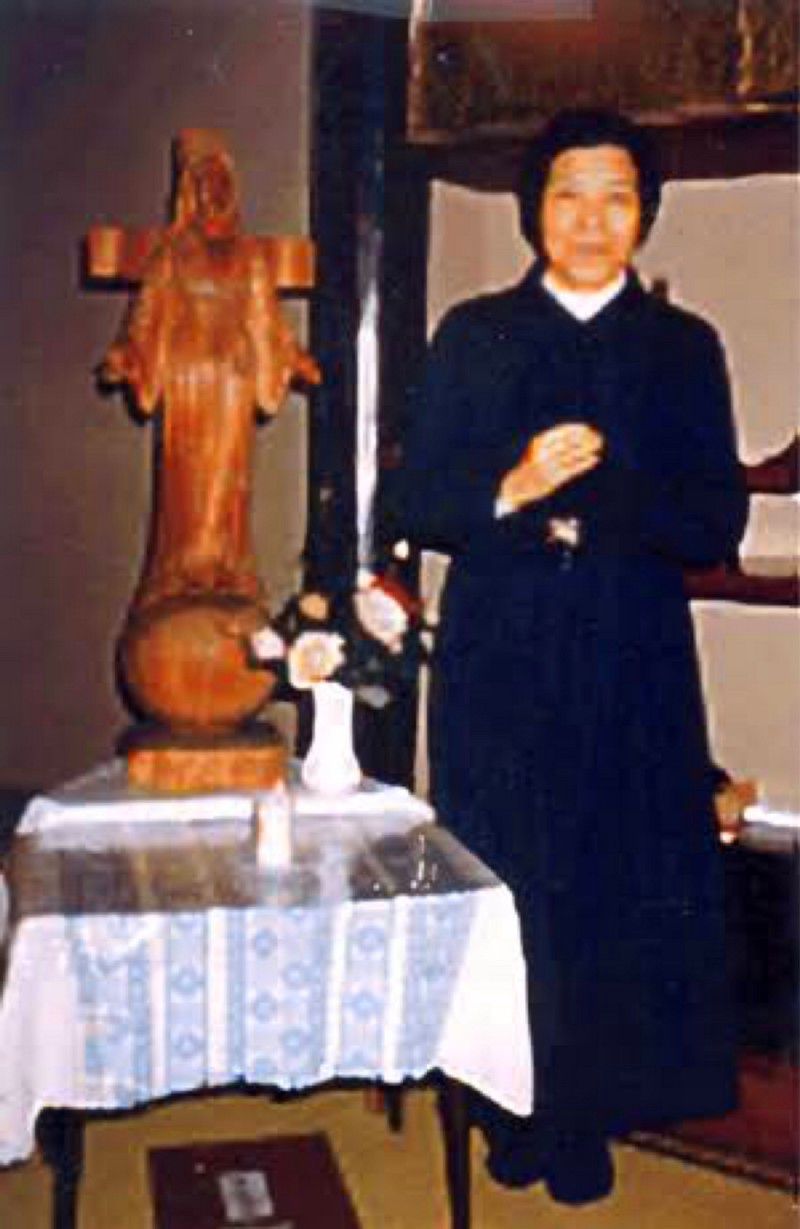
Almost simultaneously, this novice, who had been deaf for months, clearly heard the voice of Our Lady promising her healing – this miracle was partially accomplished shortly afterwards, and after nine months she regained her full hearing – and Our Lady asked her, while awaiting her healing, to offer up all her suffering from deafness and the pain from the burning marks on her hands, “to atone for the sins of humanity.”.
Message for August 3rd
This first message was followed by a second, clearer message, on August 3rd:
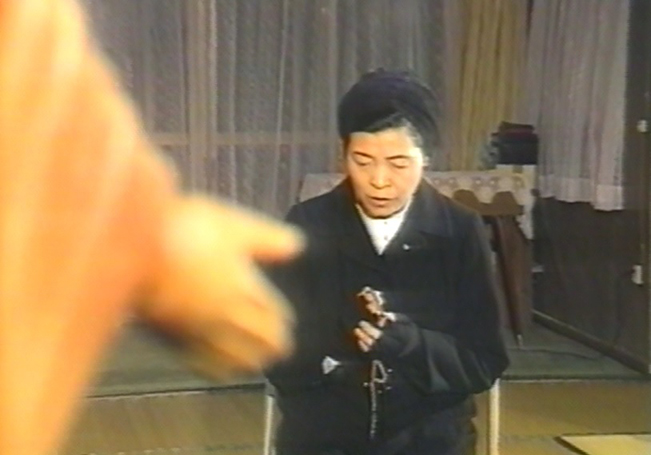
“Our Lady said to Sister Agnes: My daughter, my novice, do you love God? Then listen to what I say to you, for it is very important. There are too many people in this world who grieve God. I want souls to comfort Him. To appease the wrath of the Heavenly Father, I await, together with my Son Jesus Christ, souls who will atone for their sins through suffering and self-denial, in place of sinners and the unfaithful.”.
The Father is preparing to punish humanity so that they may know His wrath against this world. Together with her Son, the Mother has intervened many times to appease the Father's wrath. She has prevented calamities by comforting and offering to the Father, together with all the souls of the victims, the sufferings that the Son endured on the Cross, offering His Blood and Soul, overflowing with love. Prayer, penance, renunciation of sin, and courageous sacrifice—all can appease God's wrath. She also asks this of your community: to live in poverty, sanctify yourselves, and pray to atone for the betrayals and offenses of so many people.”
On October 13th, the anniversary of the miracle of the spinning sun at Fatima, Our Lady announced an unprecedented catastrophe, coinciding with a terrible crisis in the Church in which the devil would intervene; then, from January 4th, 1975, to September 15th, 1981, the statue of Our Lady wept 101 times.
The catastrophe did not happen. This leads us to believe that repentant souls, including many non-Christian souls moved by the tears of the Virgin Mary – tears that were difficult to shed in a culture where crying in public was considered incredibly impolite – may have touched the heart of the Father. That is why, in ancient times, despite Jonah's indignation, "Nineveh, the great city" was not destroyed.