Leisure

Japan

Land of the Sun Rises

🌍 East Asia / Japan
💰 Japanese Yen
Best: Mar-May, Sep-Nov
💬 Japanese; English
🕐

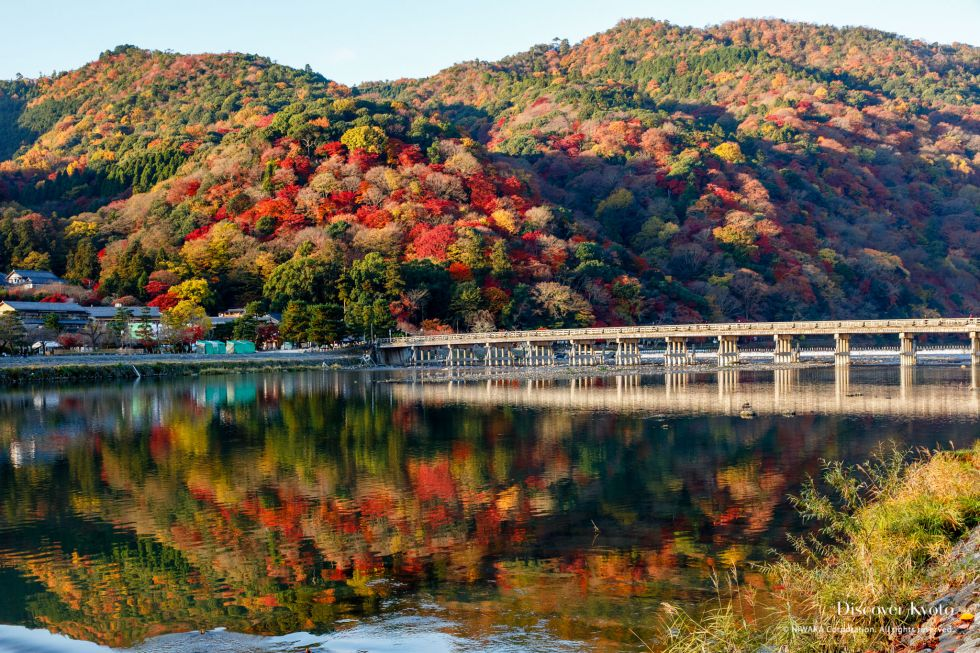
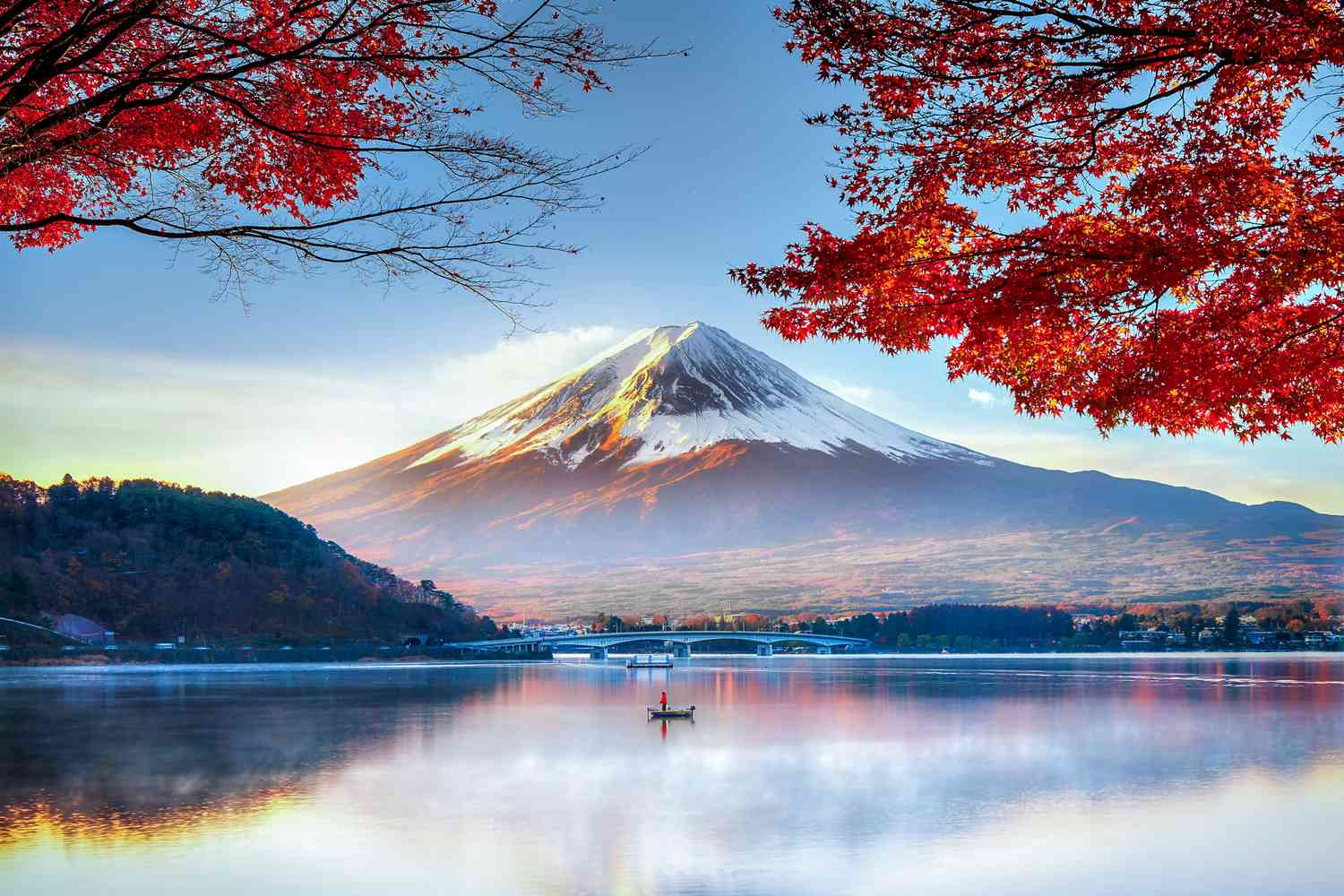
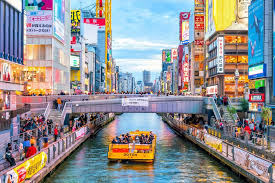
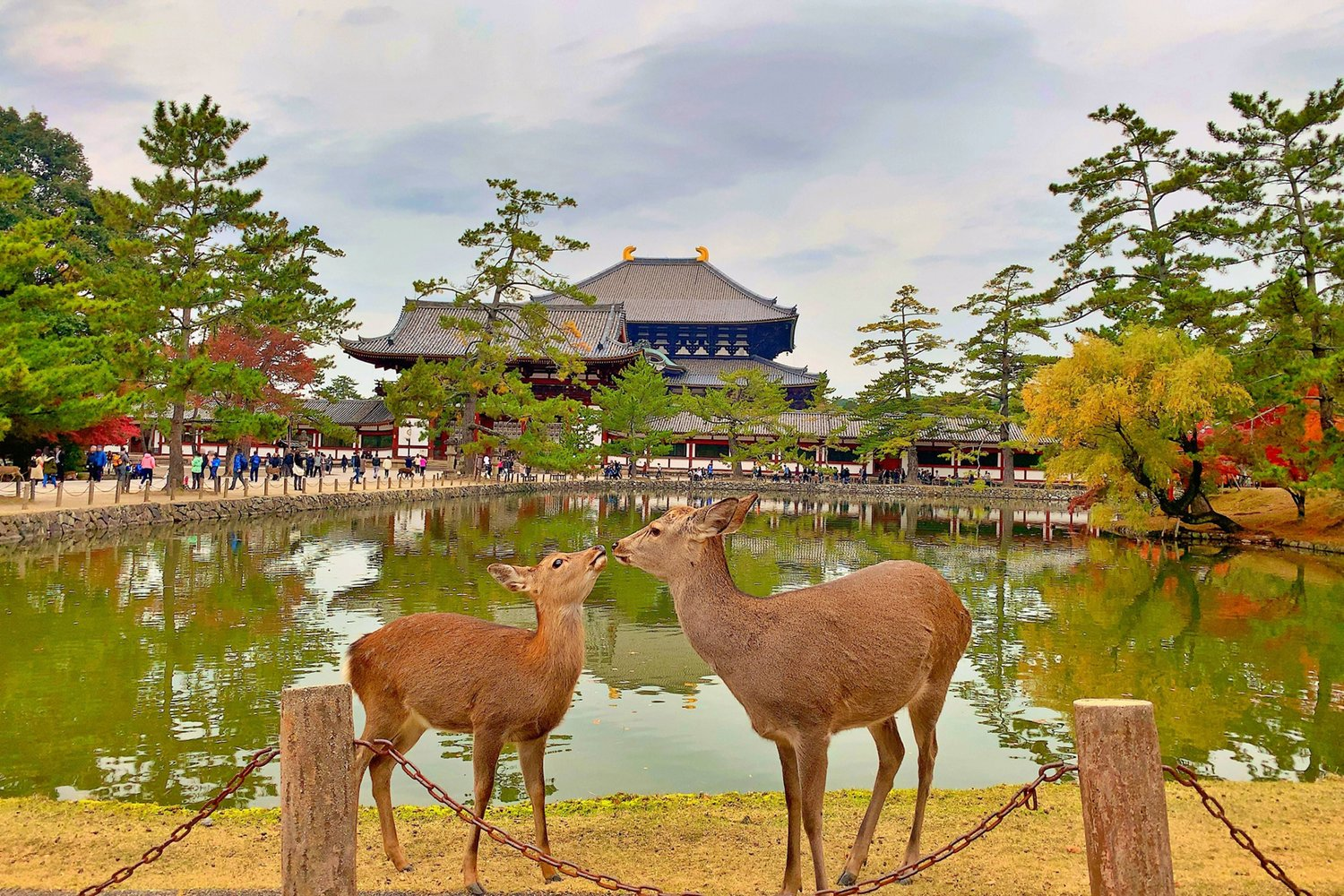
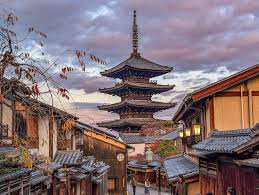
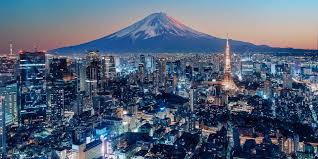
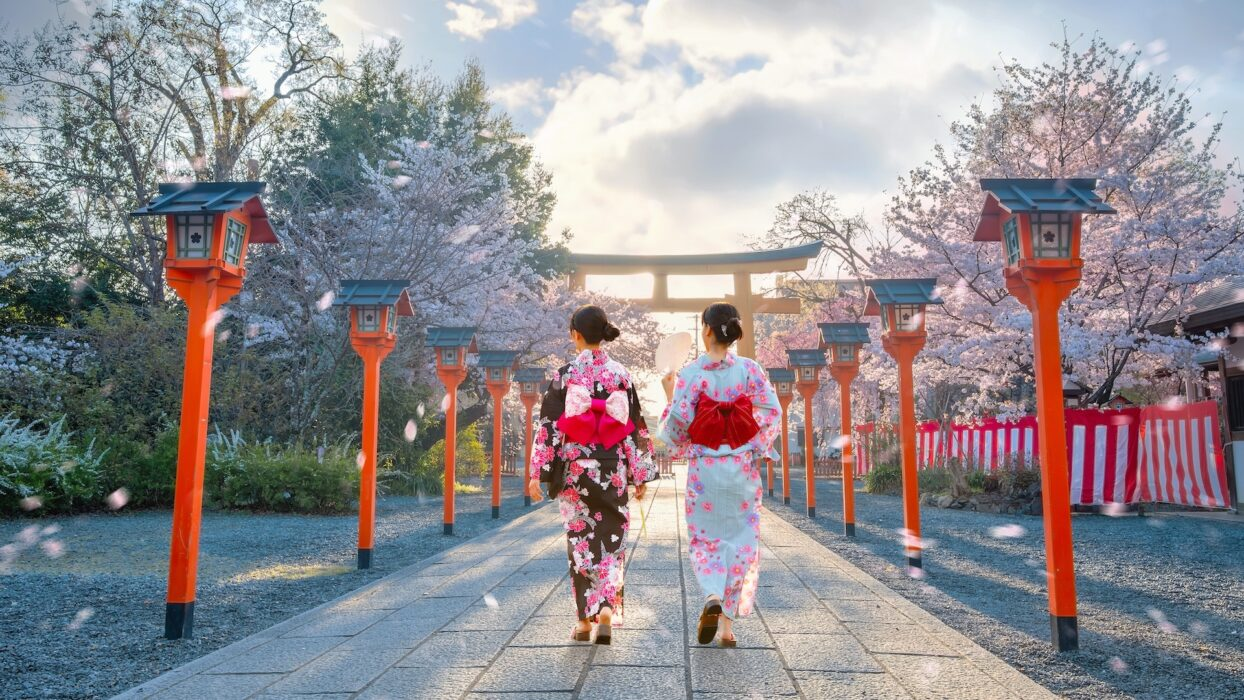
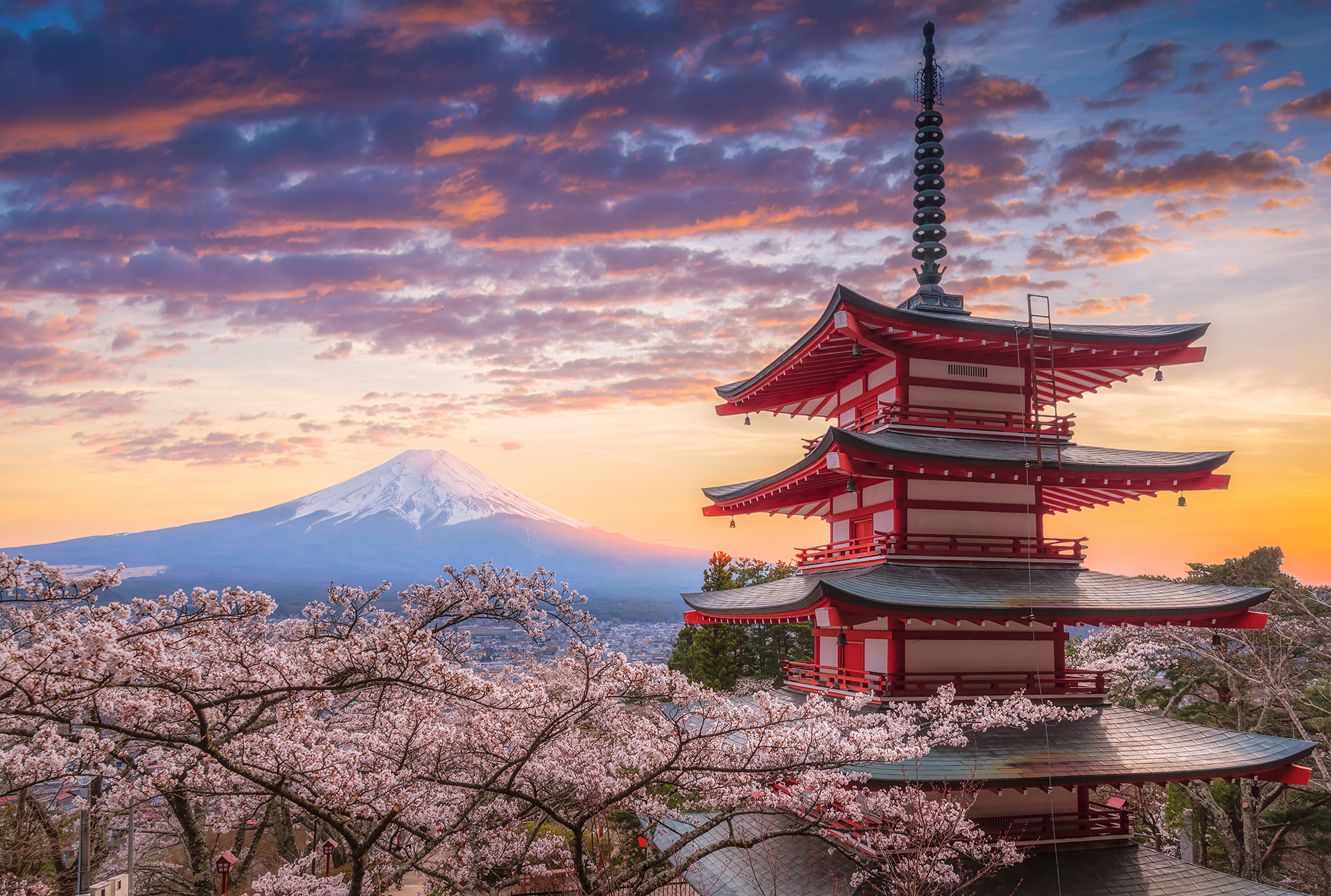
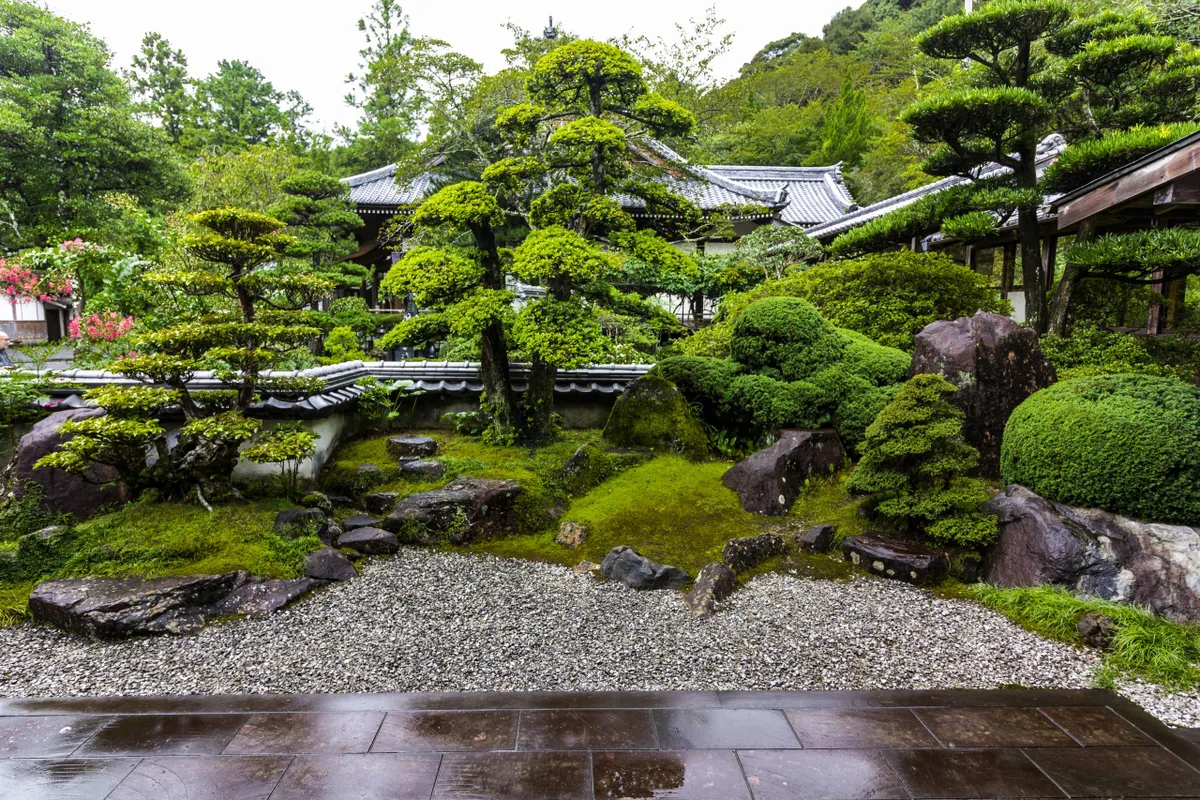
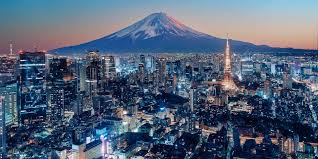
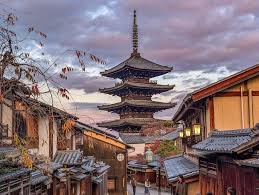
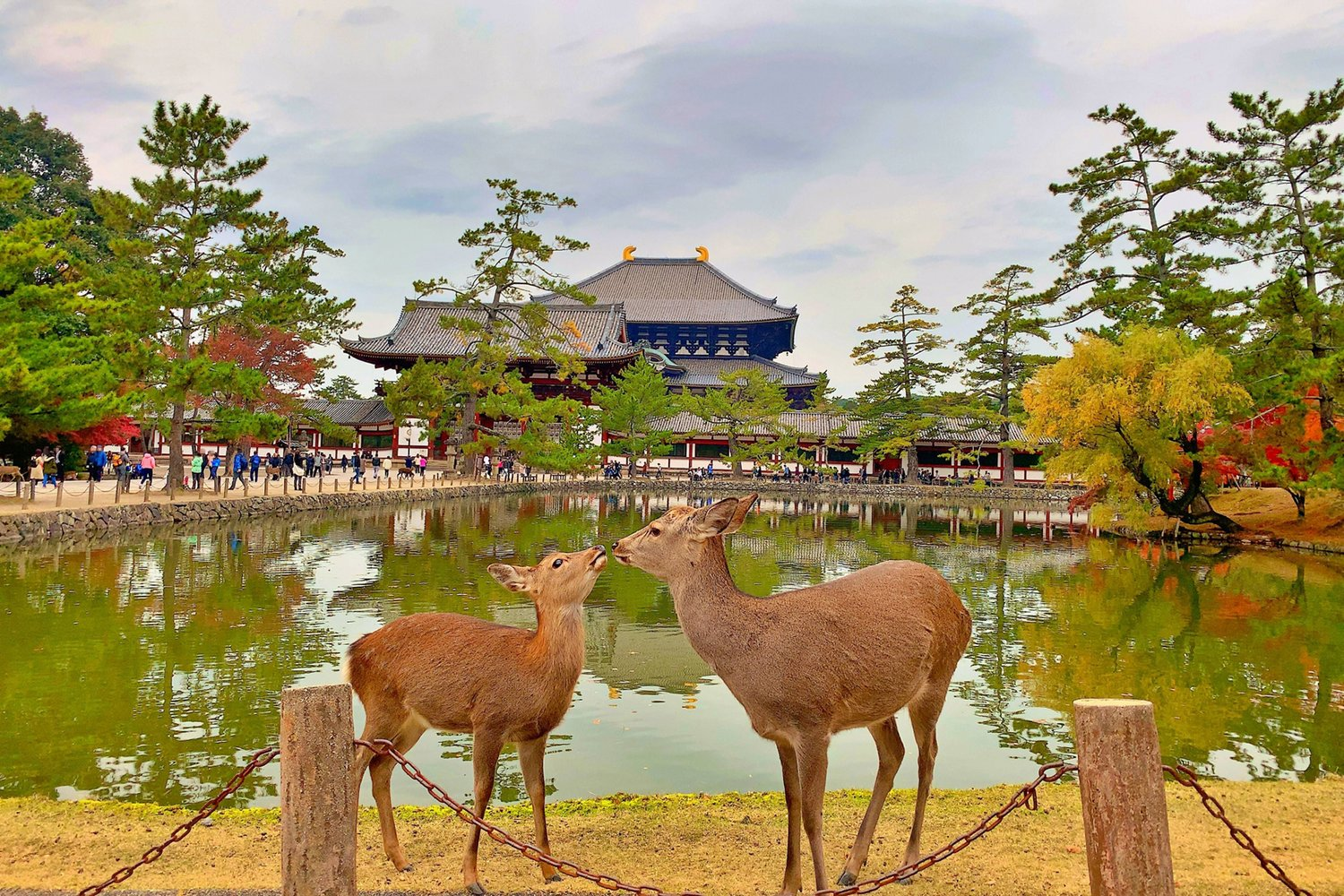
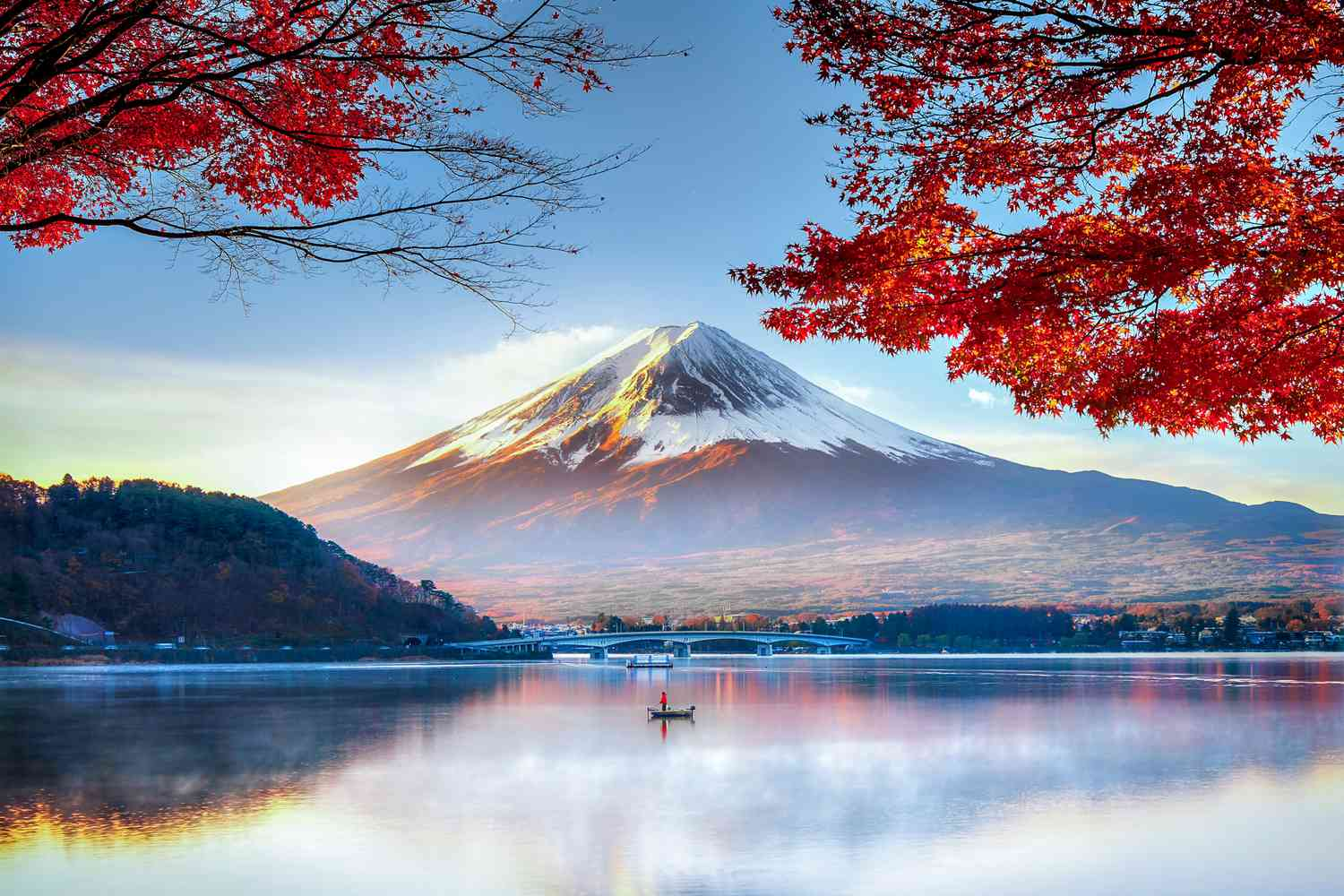
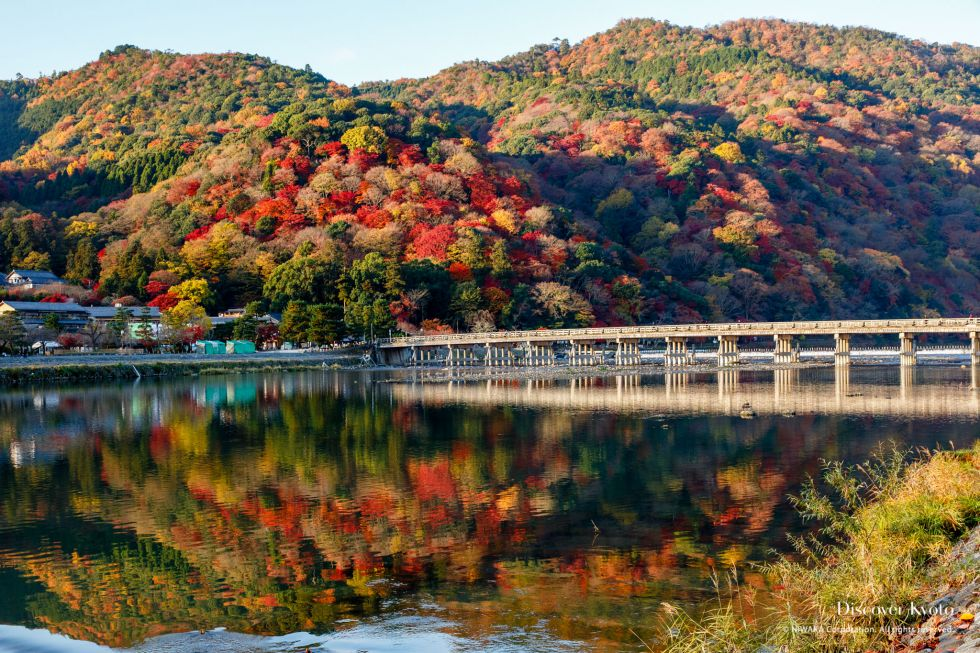
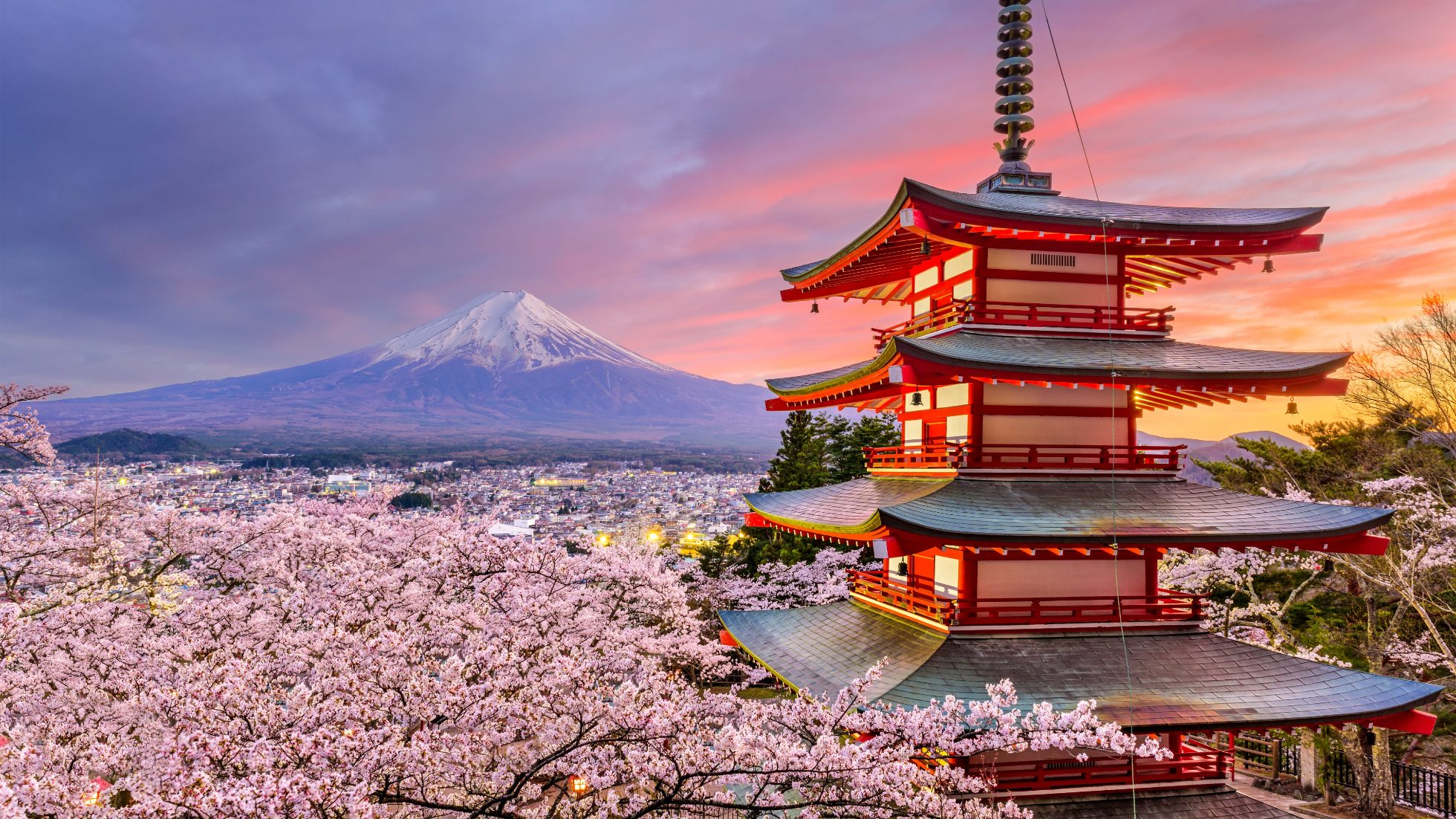
Japan is a destination where ancient tradition, refined beauty, modern convenience, and deep cultural discipline come together. This journey invites travelers to experience peaceful temples, historic gardens, traditional streets, sacred spaces, and the natural majesty of places such as Mount Fuji.

The journey is not only about sightseeing, but also about observing a way of life shaped by respect, order, simplicity, and attention to detail. Travelers may walk through temple grounds, admire seasonal landscapes, enjoy local cuisine, and experience the quiet elegance that makes Japan one of East Asia's most meaningful destinations.

This handbook is designed as a practical travel companion. It provides helpful information about documents, packing, flights, money, weather, clothing, safety, hotels, meals, communication, and cultural etiquette so travelers can prepare well and enjoy Japan with comfort, respect, and peace of mind.

Documents & Visa

Travelers must bring their original passport, valid for at least 6 months after the end date of the trip. A Passport Card is not valid for international air travel.

Entry requirements for Japan may vary depending on nationality, residency status, and current government regulations. US citizens may be eligible for visa-free entry depending on current rules, but travelers should always follow the latest guidance from Carnival US and official sources before departure.

Green Card holders and travelers who are not US citizens may have different entry requirements depending on the passport they hold. A US Green Card does not automatically replace a visa if the traveler's passport requires one.

Travelers should take photos of their passport, visa or entry documents, flight itinerary, travel insurance, hotel list, and emergency contact information. Save copies on the phone/cloud and share one copy with a trusted family member.

Do not place passports, cash, bank cards, medications, or important documents in checked luggage.

Important: If missing documents prevent a traveler from departing or entering Japan, Carnival US is not responsible, and the standard tour cancellation policy will still apply.

Luggage

Each traveler is generally allowed to bring:

One (1) checked bag

One (1) carry-on bag

One (1) personal item

Specific baggage rules may vary depending on the airline listed on the ticket.

Checked baggage should include clothing, shoes, personal items, toiletries, liquids, and items not needed during the flight. Travelers should pack light and neatly because Japan may include hotel changes, train stations, narrow hotel rooms, walking areas, and historical sites.

Do not place important documents, passports, cash, bank cards, jewelry, or valuable items in checked baggage. These items should always be kept with the traveler.

Carry-on baggage should include passport, important documents, money, bank cards, phone, medication, power bank, one extra set of clothing, and essential toiletries in case checked luggage is delayed or lost.

Power banks must always be packed in carry-on baggage and must not be placed in checked baggage.

Travelers should bring comfortable walking shoes that are easy to take off and put on. Some temples, shrines, restaurants, or traditional buildings may require visitors to remove shoes before entering.

Hotels

Hotels used by Carnival US during the journey are generally 4-star standard. However, some hotels may be simpler and focused more on comfort and practicality rather than luxury service.

Japan's hotel rooms may be smaller than what travelers are used to in the United States. Single rooms may be compact, and luggage space may be limited.

Carnival US will provide hotel information when available, including hotel names, addresses, and ratings. Most hotels provide basic amenities such as towels, soap, shampoo, Wi-Fi, hair dryers, and private bathrooms.

Hotel check-in in Japan usually begins around 3:00 PM. If rooms are not ready, the group may store luggage at the hotel and continue with the program or wait in the hotel area.

Hotel check-out is often around 10:00 AM, which may be earlier than in many Western countries. Travelers should check all personal items before leaving the room, including drawers, bathroom, outlets, luggage area, and the hotel safe.

Many hotels use keycards to open doors, activate electricity, or access elevators. In some hotels, room controls may be located near the bed or wall panel.

Hotel bathrooms may include bathtubs with high sides. Travelers should be careful when stepping in and out to avoid slipping.

Some Japanese hotels provide amenities such as toothbrushes, toothpaste, slippers, and pajamas or yukata, but some may limit disposable items due to environmental policies. Travelers may bring their own personal toiletries if preferred.

Coin laundry is common in Japan and may be available inside hotels or nearby. It is usually more convenient and affordable than hotel laundry service.

Flights & Airport

Japan has several major international airports, including:

Tokyo Narita Airport (NRT)

Tokyo Haneda Airport (HND)

Osaka Kansai Airport (KIX)

The arrival airport will depend on the final route and airline routing.

About 3 weeks before departure, Carnival US will email travelers important flight information, including the flight route, airline names, flight numbers, connection details, and electronic ticket numbers.

Please note that this document is not a boarding pass. Travelers will receive the boarding pass after check-in, usually 24 or 48 hours before departure, depending on the airline.

Travelers can check in online 24 hours before the flight or check in at the airline counter at the airport.

If seat assignments or flight segments are missing from the electronic ticket, the airline may update this information closer to departure, often about 7–10 days before the flight.

For international flights, travelers should arrive at the airport at least 3 hours before departure. For domestic flights, travelers should arrive at least 2 hours before departure.

If travelers have TSA PreCheck or Global Entry, they should provide their Known Traveler Number when possible or notify the airline counter staff so TSA PreCheck can appear on the boarding pass when applicable. These programs apply mainly to US airport procedures and may not apply to Japanese airport security or immigration.

If travelers need special meals, child meals, wheelchair assistance, or other airline services, please contact Carnival US as early as possible. Requests are subject to airline availability and approval.

When the airplane lands in Japan, travelers should check all personal belongings before leaving the aircraft. After exiting the plane, proceed through immigration, collect checked luggage, and follow the tour guide's flag or meeting instructions to avoid getting separated from the group.

US Customs & Border

When returning to the United States, travelers will go through US Customs and Border Protection inspection at the first US airport of entry.

US citizens and permanent residents who have been abroad for more than two days may generally return to the United States with up to $800 worth of goods duty-free, as long as the items are for personal use and accompanying the traveler upon return.

For travelers who bring back more goods, a flat duty rate of 3% may apply to the next $1,000 worth of purchases.

Travelers should keep all purchase receipts in case US Customs officers request a declaration upon return to the United States.

Travelers must declare food, plants, seeds, medicine, large amounts of cash, and valuable items when required. Certain fresh fruits, meats, plants, seeds, and agricultural products may be restricted or prohibited.

Money & Payment
Currency
Japanese Yen (JPY) · 1 USD ≈ 140–150 JPY
Cash first
Japan is a cash-preferred country. Many temples, local restaurants, and small shops are cash-only. Always carry Yen.
Cards
Visa and Mastercard accepted at large stores and shopping malls. Amex and Discover less accepted. ATMs at 7-Eleven support international cards.
Mobile Pay
Apple Pay works with integrated cards but requires Japan-specific standards (Suica/Pasmo, iD/QUICPay). Not reliable for foreign bank cards everywhere.
Import
Order Yen from your US bank 1 week in advance. Exchange booths at airports and city centers.
Tax Return
Tax rate: 10% consumption tax
How it works
Tax-free deducted immediately at the register. Show your original passport when paying. No refund process needed at the airport (minimum purchase: 5,000 Yen).
Important
Keep the receipt tucked in your passport. Customs officers will check it on departure. Do NOT open the sealed tax-free packaging (cosmetics, snacks) until you leave Japan.
Weather & Clothing
Interior Location Average Temp Mouse
Spring: March – May Tokyo / Kyoto / Osaka / Major Tourist Areas 10°C – 20°C cherry blossoms in many areas. Bring a light jacket, thin scarf, comfortable walking shoes, and a small umbrella.
Summer: June – August Tokyo / Kyoto / Osaka / City Areas 25°C – 35°C Hot and humid, with possible rain during the rainy season. Bring breathable clothing, hat, sunglasses, sunscreen, water, and a small umbrella.
Autumn: September – November Kyoto / Tokyo / Fuji Area / Historic Sites 5°C – 18°C One of the best seasons, with clear skies and autumn foliage. Kyoto gardens and mountain areas can feel cooler. Bring layers, a warm jacket, scarf, and comfortable walking shoes.
Winter: December – February Tokyo / Kyoto / Fuji Area / Northern or Mountain Areas -5°C – 10°C Cold and dry, with possible snow in northern or mountain regions. Bring thermal layers, thick coat, gloves, beanie, scarf, and non-slip shoes.
Pilgrimage Clothing
Footwear
Slip-on walking shoes with good grip. Many shrines require shoes to be removed — bring clean, thick socks.
At temples
Dress modestly and respectfully. Keep noise to a minimum inside sacred halls.
Mt. Fuji
Bring an extra warm layer — it is significantly colder than city areas at all times of year.
Hotel amenities
Toothbrush, toothpaste, slippers, and Yukata robes provided. Coin laundry available in or near hotels.
Communication & Internet

Japan has excellent internet service in hotels, airports, train stations, and major tourist areas. Travelers may use international roaming, eSIM, local SIM cards, pocket Wi-Fi, or free Wi-Fi where available.

International roaming plans from US carriers such as Verizon, AT&T, or T-Mobile often cost around $10–$12 per day, depending on the carrier and plan.

An eSIM or pocket Wi-Fi can be especially useful in Japan for maps, translation, train navigation, and group communication. Travelers should set it up before departure or immediately after arrival.

Hotel Wi-Fi is usually available, but travelers should not depend on it completely. It is recommended to save hotel addresses, tour leader contact numbers, guide phone numbers, and meeting points offline.

Travelers may use iMessage, Viber, WhatsApp, Line, or other internet-based apps to contact family and friends.

Emergency Numbers

In case of emergency in Japan, travelers may call:

110 – Police emergency

119 – Fire department / ambulance / medical emergency

For a real emergency, contact the tour guide immediately if possible and follow local emergency instructions.

If you are separated from the group, stay in a visible and easy-to-recognize location and call the tour guide immediately. Do not leave the area on your unless specifically constrained by the guide or Carnival US.

For minor health issues, inform the tour guide so they can help contact the hotel, pharmacy, clinic, or local emergency service if needed.

Electricity

Japan commonly uses Type A plugs, which are two-flat-pin plugs similar to the United States. However, some outlets may not have the third grounding hole.

The standard electricity supply is generally 100V / 50–60Hz.

Most modern phones, cameras, and laptop chargers support 100–240V, but travelers should check their devices before use. Some hair dryers, curling irons, electric shavers, or other appliances may not work properly without the correct voltage support.

Travelers should bring a universal travel adapter for convenience.

Power banks should always be packed in carry-on luggage and must not be placed in checked baggage.

Safety
Traffic cars
Vehicles drive on the LEFT. Look right first before stepping off the curb.
Taxi doors
Rear taxi doors open and close automatically. Do NOT touch them.
Public etiquette
No talking on the phone on trains. Eating while walking is generally frowned upon.
Queue quietly.
Tax-free packaging
Do not open sealed tax-free bags (cosmetics, snacks) before leaving Japan or you may lose the exemption.

Japan is generally a very safe, clean, and organized destination. However, travelers should still remain aware of their surroundings, especially in crowded areas such as airports, train stations, shopping streets, temples, tourist attractions, and busy city centers.

Keep passports, cash, bank cards, phones, and important documents secure at all times. Do not keep all valuables in one bag.

When visiting temples, shrines, museums, gardens, or cultural sites, please stay with the group and follow the tour guide's instructions. Some areas may be crowded, and it is easy to become separated from the group.

Do not accept packages, luggage, food, drinks, or personal items from strangers. Travelers should only carry their own belongings.

Many Japanese sites require walking, stairs, stone paths, garden paths, or train station transfers. Wear comfortable shoes with good grip and be careful on wet or uneven surfaces.

Travelers should also respect Japan's public etiquette: speak softly, follow lines, avoid loud phone calls on public transportation, and follow all signs at temples, shrines, museums, and train stations.

Carnival US is not responsible for lost personal belongings, accidents caused by personal negligence, or issues resulting from failure to follow safety instructions.

Food & Dining

The tour usually includes breakfast at the hotel, often with a mix of Asian and Western options. Included meals may vary between Japanese local cuisine, Asian-style meals, and dishes suitable for Vietnamese travelers depending on the restaurant and local conditions.

Japanese meals often focus on freshness, balance, presentation, and seasonal ingredients. A typical set meal may include rice, miso soup, fish or meat, vegetables, pickles, and small side dishes.

Carnival US will try its best to vary menus whenever possible so travelers can experience local flavors while still having suitable meals.

Travelers may bring small personal food items such as instant noodles, snacks, chili, dried shredded pork, or seasoning. However, bringing outside food into restaurants may not always be appropriate or convenient. Requests for hot water for instant noodles may not always be available in local restaurants.

Travelers should inform Carnival US in advance if they have food allergies, vegetarian needs, dietary restrictions, or special meal requests. Due to restaurant conditions and pre-arranged menus, not all special requests can be guaranteed.

Japanese dining culture values cleanliness, respect, balance, and appreciation for food. Travelers are encouraged to take only what they can eat at buffets and avoid waste when possible.

Local Cuisine
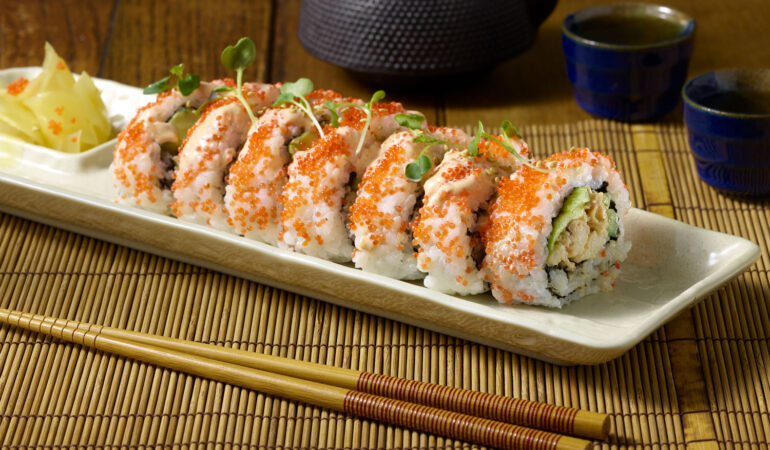
Sushi
Sushi
Fresh seafood or other toppings served with seasoned rice. Sushi is one of Japan's most famous foods.
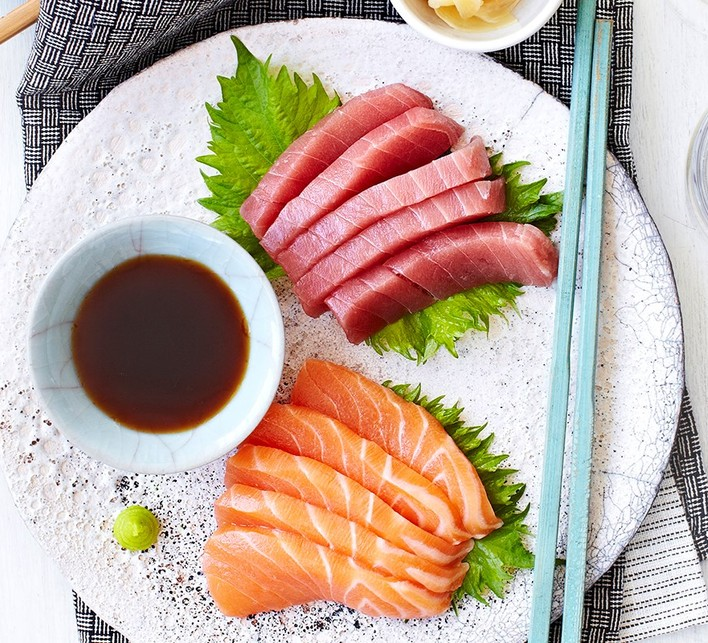
Sashimi
Sashimi
Thinly sliced fresh seafood served without rice, often enjoyed for its clean and delicate flavor.
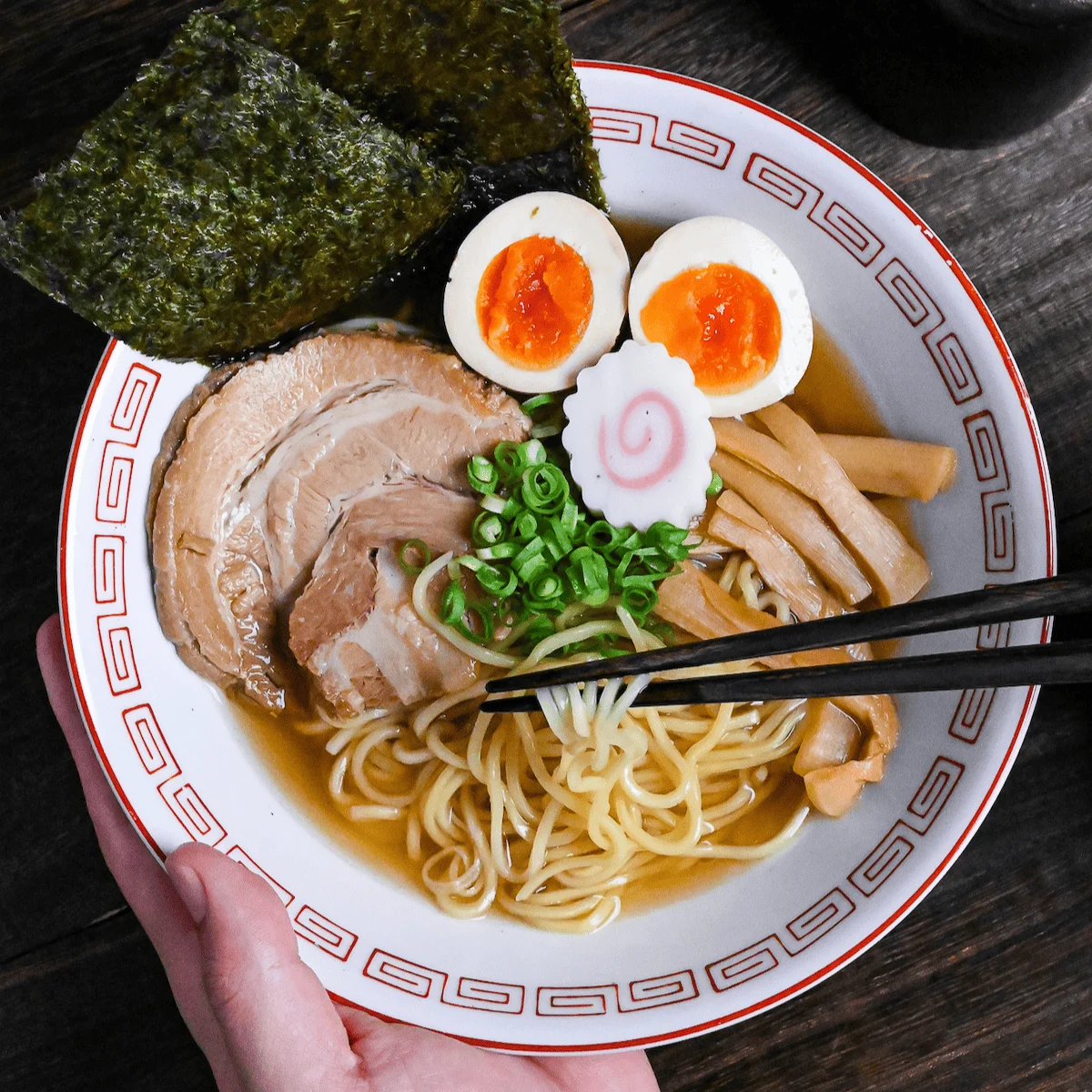
Ramen
Ramen
Japanese noodle soup with broth, noodles, meat, eggs, vegetables, and toppings. Each region may have its own style.
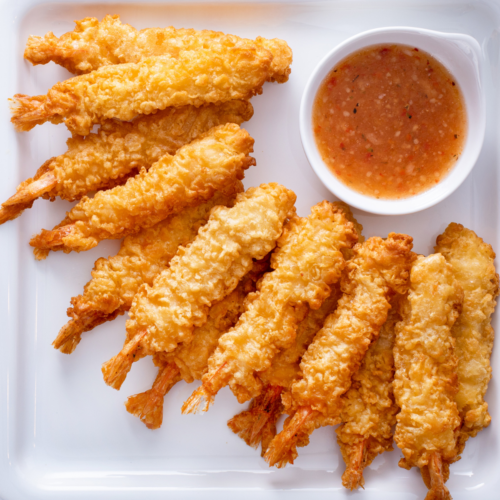
Tempura
Tempura
Lightly battered and fried seafood or vegetables, often served with dipping sauce or rice.
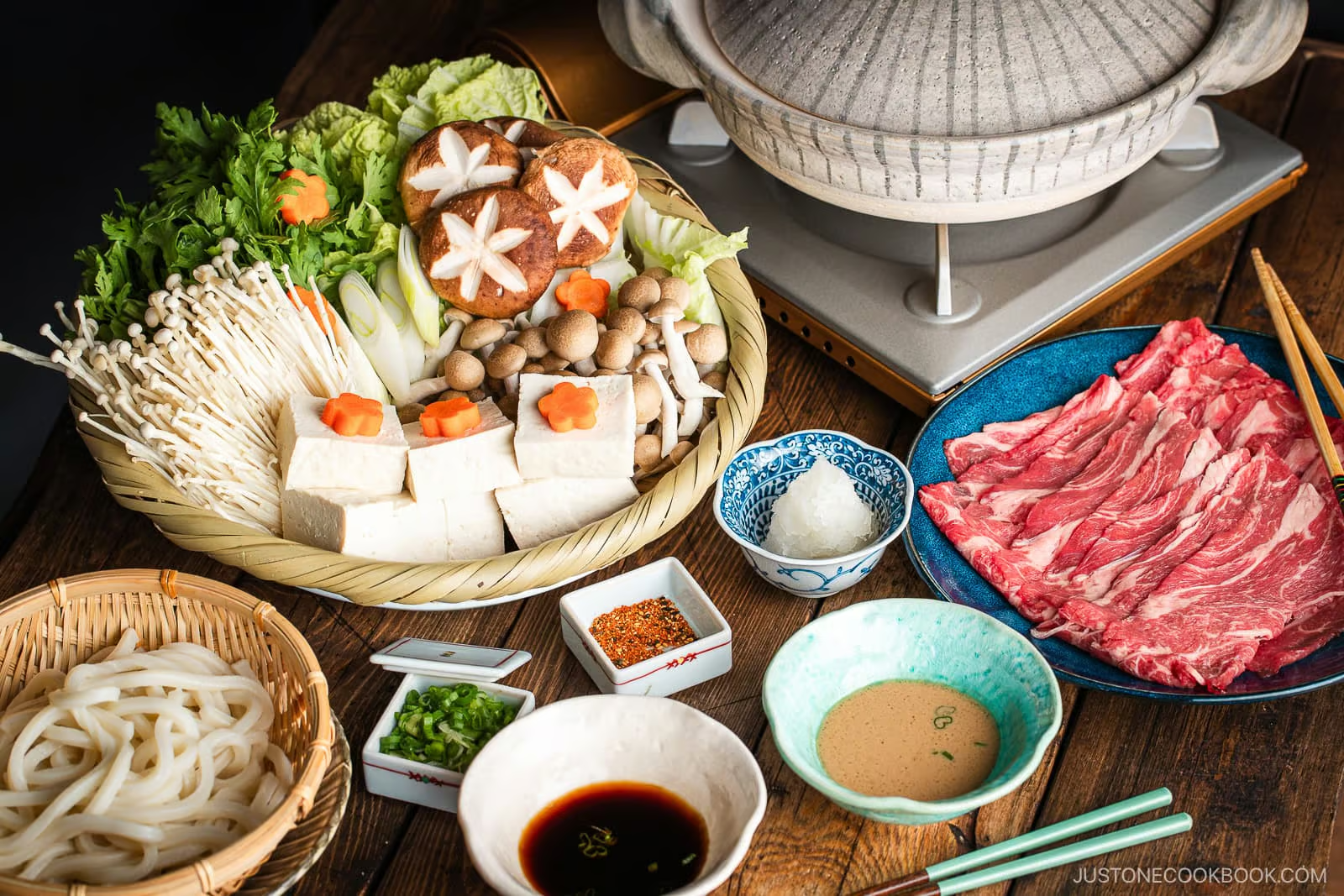
Shabu Shabu
Shabu Shabu
A hot pot meal where thin slices of meat and vegetables are cooked in broth and dipped in sauce.
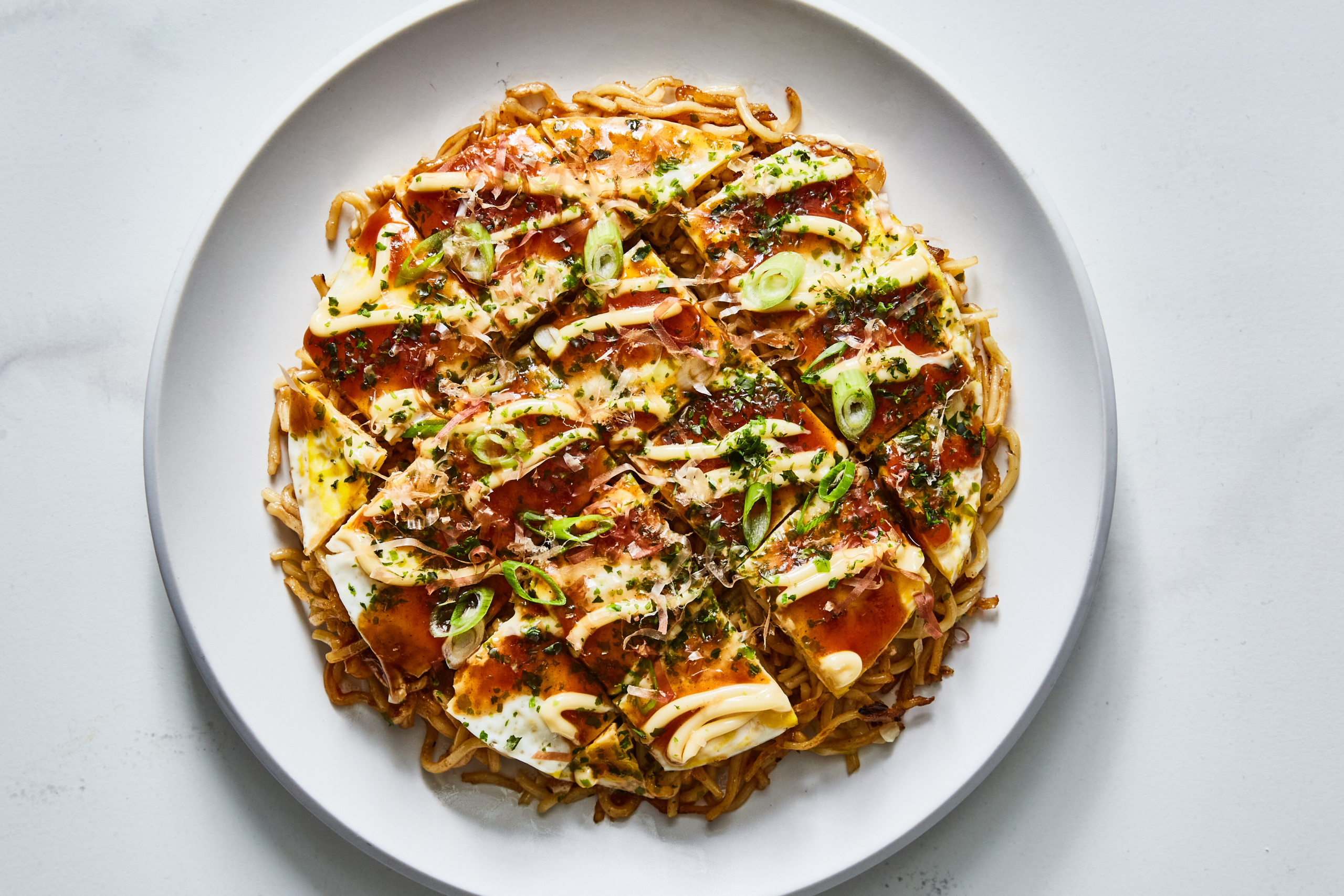
Okonomiyaki
Okonomiyaki
A savory Japanese pancake made with batter, cabbage, meat or seafood, and sauce. It is especially popular in Osaka and Hiroshima.
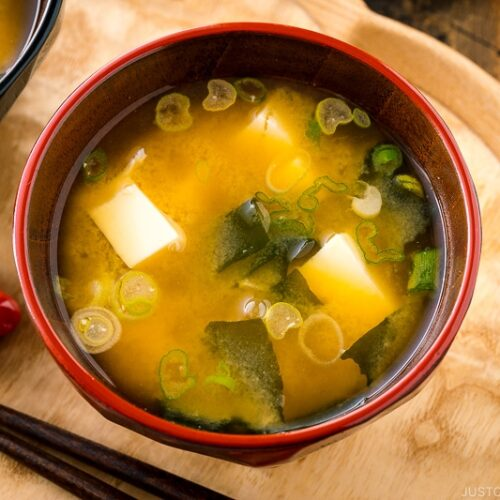
Miso Soup
Miso Soup
A traditional soup made with miso paste, tofu, seaweed, and other ingredients. It is commonly served with Japanese meals.
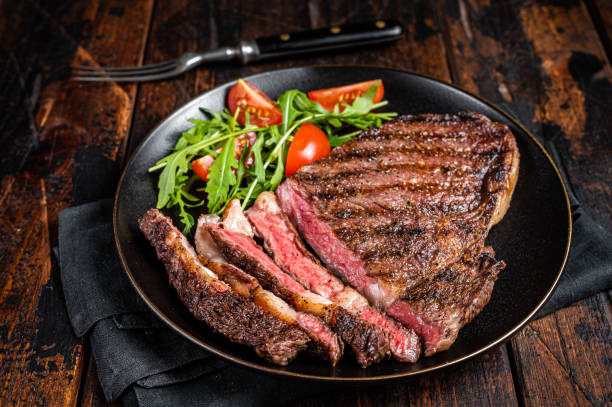
Wagyu Beef
Wagyu West
High-quality Japanese beef known for its marbling, tenderness, and rich flavor.
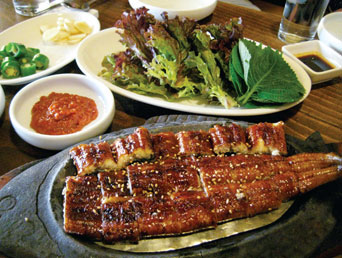
Unagi / Grilled Eel
Unagi / Grilled Eel
Grilled eel served with a sweet savory sauce, often over rice. It is a traditional and flavorful Japanese dish.