








Pilgrimage Leisure

Brazil

Where the Redeemer Watches Over All

🌍 South America
💰 Brazilian Real
Best: Dec-Mar
💬 Portuguese/English
🕐

Brazil is one of South America’s most vibrant and unforgettable destinations, a country where faith, music, nature, food, culture, and dramatic landscapes come together. From the mountains and beaches of Rio de Janeiro to the Marian heart of Aparecida and the powerful beauty of Iguaçu Falls, Brazil offers travelers a journey filled with contrast, color, and meaning.

This journey invites travelers to see Brazil beyond its famous images of samba, football, beaches, and Carnival. It is also a land of deep Catholic devotion, historic churches, family prayer, natural wonder, and warm hospitality. Whether standing beneath Christ the Redeemer, praying at the National Shrine of Our Lady Aparecida, or walking near the thunder of Iguaçu Falls, travelers will experience Brazil as a place where beauty and faith meet in powerful ways.

Documents & Visa

Travelers should make sure their passport is the original passport and valid for at least 6 months beyond the end of the trip. Passport Card is not valid for international flights or entry into Brazil.

U.S., Canadian, and Australian passport holders currently need a visa or eVisa to visit Brazil for tourism. Travelers should complete the visa/eVisa process before departure and follow the latest instructions from Carnival US.

Green Card holders who do not hold a U.S. passport must check Brazil visa requirements based on the nationality shown on their passport.

Travelers should bring:
Original passport
Brazil visa/eVisa approval if required
Green Card if applicable
Travel insurance information
Hotel list and itinerary
Emergency contact information
Copies or photos of passport, visa/eVisa, Green Card, and important documents

Important reminder: Do not place passport, visa/eVisa, cash, bank cards, medication, or important documents in checked luggage. Keep them with you in your carry-on or personal bag.


Luggage

Each traveler usually may bring 1 checked luggage, 1 carry-on, and 1 personal item. The final allowance depends on the airline listed on the ticket.

Checked luggage:
Suggested size limit: total dimensions up to 62 inches / 158 cm
Economy class usually allows 50 lbs / 23 kg per checked bag
Pack clothing, shoes, toiletries, liquids, and items not needed during the flight
Pack light because the itinerary may include multiple flights, hotel transfers, outdoor sites, and large pilgrimage areas

Carry-on:
Keep passport, visa/eVisa, cash, cards, phone, medication, chargers, power bank, one extra outfit, and important documents with you
Liquids in carry-on must follow TSA and airline rules
Never place personal medication or travel documents in checked luggage
Bring a light jacket because flights, buses, and some evenings may feel cooler than expected

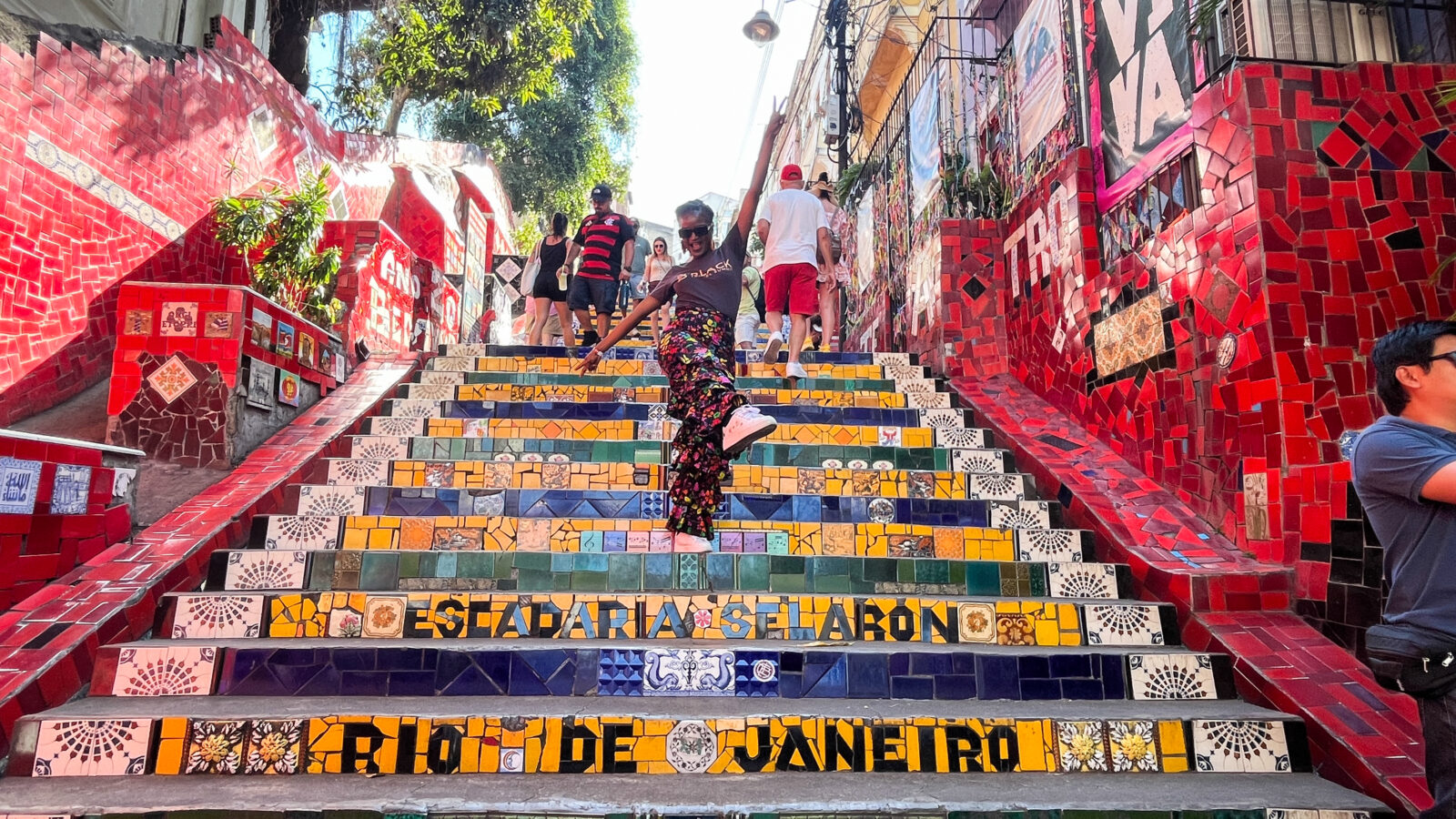
Walking shoes are very important. Travelers should bring 2 pairs of comfortable walking shoes that are already broken in. Rio may include steps and hills, Aparecida has a very large shrine complex, and Foz do Iguaçu has walkways near the falls that may be wet or slippery.

Hotels

Hotels in Brazil may vary by city and region. Hotels in Rio and larger cities may be modern and busy, while hotels near pilgrimage or nature areas may be simpler.

Hotel reminders:
Check-in is usually between 2:00 PM and 4:00 PM
Check-out is usually between 11:00 AM and 12:00 PM
If rooms are not ready, the group may store luggage and continue the itinerary
Some hotel rooms require a keycard to activate electricity
Check the safe, drawers, outlets, bathroom, and closet before leaving
Do not leave passports, cash, jewelry, or valuable items visible in the room
Keep medication, passport, and important documents secure
In humid areas or after visiting the falls, dry shoes and jackets as soon as possible

Travelers should prepare personal medication such as headache medicine, stomach medicine, allergy medicine, motion sickness medicine, cold medicine, bandages, and personal health items.

Flights & Airport

Carnival US will send the flight itinerary by email before departure. This document includes flight information and e-ticket details, but it is not the boarding pass. Boarding passes are available after online check-in or at the airline counter.

Main arrival airport for Rio de Janeiro:
RIOgaleão – Tom Jobim International Airport / Galeão International Airport (GIG)

Possible airports depending on the itinerary:
São Paulo–Guarulhos International Airport (GRU)
Foz do Iguaçu International Airport (IGU)

Travel reminders:
Arrive at the airport at least 3 hours before international flights
Online check-in usually opens 24 hours before departure, depending on the airline
If the ticket shows a codeshare flight, check in with the operating airline listed in the flight itinerary
After landing, check your personal items carefully and follow the tour guide or group sign to immigration and baggage claim

If travelers do not see the guide or group after landing, they should call the emergency phone number provided by Carnival US. Do not leave the airport alone before contacting the group.

US Customs & Border

When returning to the United States, travelers must follow U.S. Customs and Border Protection rules.

Travelers should keep receipts for valuable purchases, gifts, and souvenirs. Do not bring restricted items such as certain meats, fresh fruits, plants, seeds, soil, animal products, or agricultural products unless they are allowed under U.S. rules.

Brazil is known for coffee, snacks, religious items, crafts, and local souvenirs. Pack food items carefully and make sure they are commercially packaged if bringing them back.

Do not carry luggage, packages, or goods for other people, even if they are friends or members of the group. Each traveler should pack and control their own luggage.

Money & Payment

Brazil uses the Brazilian Real, abbreviated BRL and commonly shown as R$.

Credit cards are widely accepted in hotels, restaurants, shopping centers, and major tourist areas. However, travelers should still carry a small amount of cash in Brazilian reais for water, tips, public restrooms, small souvenirs, church donations, and places that may not accept cards.

Money safety tips:
Notify your bank or credit card company before international travel
Use ATMs located inside banks, malls, hotels, or secure areas
Do not exchange money with strangers on the street
Check ATM fees and exchange rates before confirming a transaction
Carry small bills for daily use
Divide cash and cards into several safe places
Avoid showing large amounts of cash in public

Brazil is a large country, and costs may vary between Rio de Janeiro, Aparecida, and Foz do Iguaçu. Travelers should avoid keeping all cash in one wallet.

Tax Return

Brazil does not have a simple tourist VAT refund system like many European countries. Travelers should not expect a standard airport tax refund process for regular shopping.

For valuable purchases, keep receipts and ask the store about warranty, exchange, packaging, and export rules. When buying religious items, coffee, chocolate, crafts, or souvenirs, choose reputable stores and keep proof of purchase.

Important reminders:
Not all purchases qualify for any type of refund
Restaurant meals, hotel stays, and services usually do not qualify
Keep receipts for customs and personal records
Do not buy wildlife products, feathers, animal products, or items with unclear origin
Do not carry goods for another traveler

Weather & Clothing
Season Location Average Temp Notes
Spring: September – November Rio de Janeiro 68°F – 82°F Warm and pleasant, with stronger sun later in the season. Bring light clothing, sunscreen, and a hat.
Spring: September – November Aparecida / São Paulo State 58°F – 80°F Mild to warm. Mornings and evenings may feel cooler. Bring a light jacket.
Spring: September – November Foz do Iguaçu 65°F – 85°F Warm and humid, with possible rain. Bring light rain protection.
Summer: December – February Rio de Janeiro 75°F – 90°F Hot, humid, and sunny. Afternoon rain is possible. Bring sunscreen, water, and breathable clothing.
Summer: December – February Aparecida / São Paulo State 68°F – 85°F Warm to hot, with possible rain. Dress lightly but modestly for shrine visits.
Summer: December – February Foz do Iguaçu 72°F – 90°F Hot and humid. Falls may have stronger water flow, but walkways can be wet.
Autumn: March – May Rio de Janeiro 68°F – 82°F More comfortable than summer. Good for sightseeing and outdoor visits.
Autumn: March – May Aparecida / São Paulo State 55°F – 78°F Comfortable for pilgrimage. Bring layers for morning and evening.
Autumn: March – May Foz do Iguaçu 60°F – 80°F Good for walking and nature visits. Rain is still possible.
Winter: June – August Rio de Janeiro 60°F – 77°F Mild and usually comfortable. A light jacket may be useful in the evening.
Winter: June – August Aparecida / São Paulo State 50°F – 72°F Cooler, especially early morning and evening. Bring a jacket or sweater.
Winter: June – August Foz do Iguaçu 50°F – 75°F Mild to cool. Near the falls, mist and wet walkways can make it feel colder.
Pilgrimage Clothing

When visiting churches, shrines, cathedrals, basilicas, and sacred places, travelers should dress modestly and respectfully.

Recommended clothing:
Shoulders and knees should be covered
Bring a light scarf, shawl, or jacket to cover shoulders when needed
Avoid sleeveless tops, very thin clothing, short skirts, short shorts, or revealing outfits at religious sites
Wear comfortable walking shoes with good grip
For Christ the Redeemer, Sugarloaf, Aparecida, and Iguaçu Falls, choose shoes that are safe for steps, slopes, and wet surfaces
At Iguaçu Falls, bring a thin rain jacket or light waterproof layer because the mist may make clothing wet

A pilgrimage is not only about visiting sacred places, but also about entering them with a spirit of prayer, respect, and humility.

Communication & Internet

eSIM is a convenient option for travel in Brazil. Travelers may purchase a Brazil or South America data plan before departure from a trusted eSIM provider.

International roaming is also available through U.S. carriers such as AT&T, T-Mobile, Verizon, or other providers. Travelers should check pricing before departure.

Hotel Wi-Fi is usually available and often free. WhatsApp, iMessage, Viber, and email are useful for staying in touch with family and the tour group.

Internet may be weaker in some outdoor areas, large shrine complexes, airports, national parks, or during long transfers. Download important documents, maps, hotel names, and itinerary details before leaving the hotel.

Emergency Numbers

Police: 190
Ambulance / SAMU: 192
Fire Department: 193

Travelers should also keep the tour leader’s phone number, hotel address, bus information, and Carnival US emergency contact information with them at all times.

Electricity

Brazil uses both 127V and 220V depending on the city and region. The frequency is 60Hz.

Common plug type:
Type N

Travelers from the United States should bring a universal travel adapter. Most phone chargers, laptop chargers, and camera chargers are dual voltage, but travelers should check the label before use.

Hair dryers, curling irons, and other heat appliances may require a voltage converter if they are not dual voltage.

Safety

Brazil is a beautiful and meaningful destination, but travelers should stay alert, especially in large cities, crowded tourist areas, beaches, markets, and photo spots.

Safety tips:
Stay with the group during tours
Watch personal belongings in Rio, beaches, downtown areas, markets, and crowded viewpoints
Wear bags in front of the body
Do not keep wallets or phones in back pockets
Avoid wearing expensive jewelry or luxury watches during sightseeing
Do not show large amounts of cash
Do not walk alone at night or in quiet unfamiliar areas
Use approved transportation or tour buses
Be careful when taking photos in public areas
Follow the tour guide’s instructions
Carry the hotel address and make sure the phone has enough battery
Return to the group meeting point on time

At Iguaçu Falls, be careful on wet walkways, near railings, and in misty areas. Wear shoes with good grip and protect phones from water.

Food & Dining

Brazilian cuisine is diverse, influenced by Portuguese, African, Indigenous, and immigrant traditions. Meals often include rice, beans, meat, fish, vegetables, tropical fruits, grilled foods, and baked snacks.

Tour meals may include hotel breakfast and scheduled group lunches or dinners. Depending on the day and local arrangements, meals may be Brazilian-style, international-style, or Asian-style.

Popular foods to try include feijoada, pão de queijo, churrasco, moqueca, coxinha, açaí, brigadeiro, tropical fruit juice, coconut water, and Brazilian coffee.

Travelers with food allergies or dietary restrictions should notify Carnival US in advance. Options may depend on the restaurant and region.

Dining tips:
Breakfast is often served at the hotel
Brazilian meals may include rice, beans, meat, and salad
Churrasco restaurants may serve many types of grilled meat
Seafood may be available in Rio and coastal areas
Drink bottled water if your stomach is sensitive
Be cautious with raw foods, street food, and ice if you have a sensitive stomach
Bring snacks for long transfer days

Local Cuisine
Feijoada
Feijoada
A traditional Brazilian black bean and meat stew, often considered one of Brazil’s most iconic dishes. It is rich, filling, and usually served with rice.
Pão de Queijo
Pão de Queijo
Small Brazilian cheese bread made with tapioca flour and cheese. It is soft, chewy, and easy for travelers to enjoy.
Churrasco
Churrasco
razilian-style barbecue with grilled meats, often served at buffet-style steakhouses. A popular meal experience for visitors.
Moqueca
Moqueca
A Brazilian fish or seafood stew, often made with coconut milk, peppers, and spices. Common in some coastal regions.
Açaí
Açaí
A cold fruit bowl or smoothie made from açaí berries. It is popular in Brazil, especially in warm weather.
Pilgrimage Site Overview

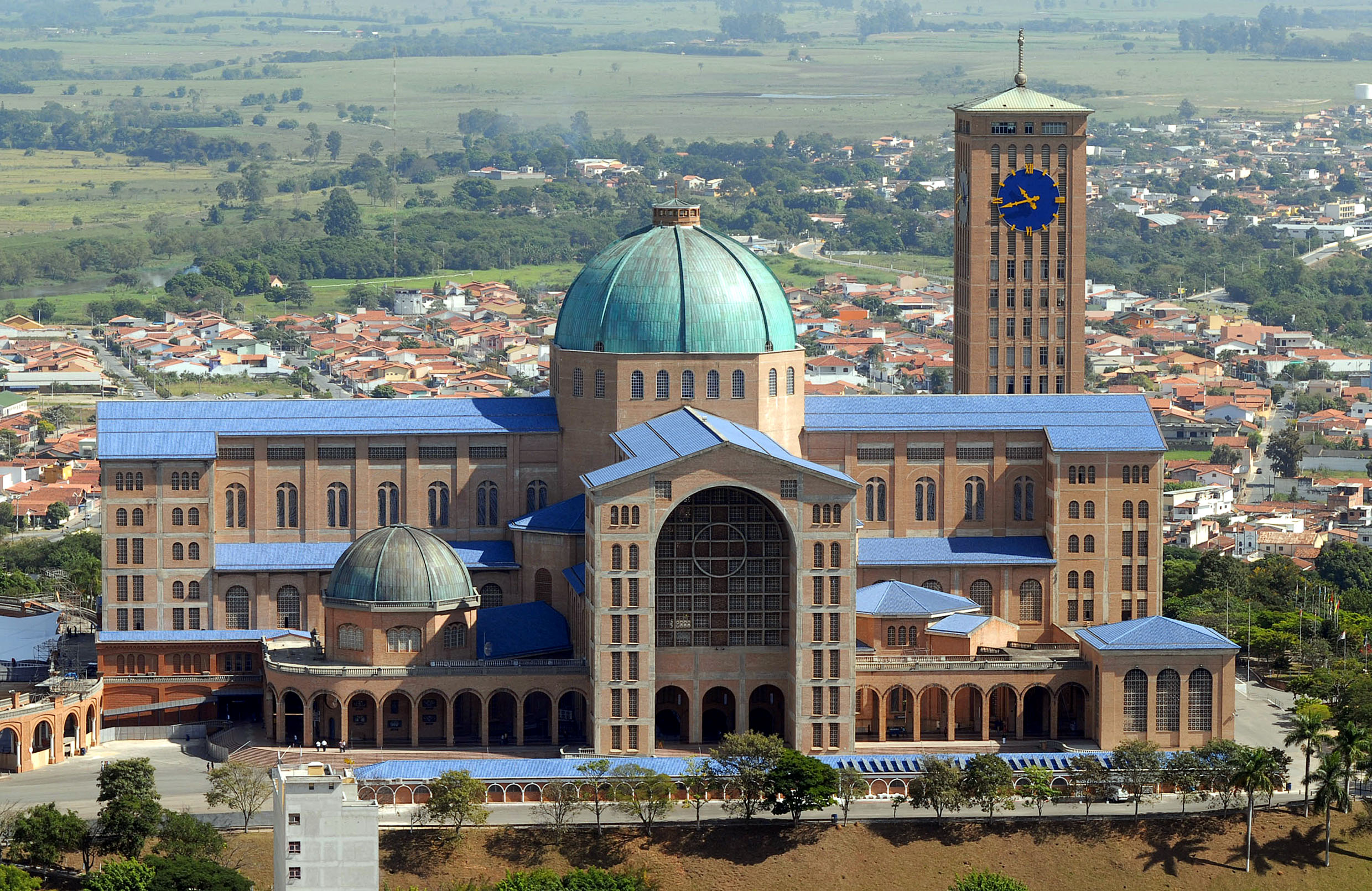
Brazil is a land where Catholic faith is deeply woven into daily life, public devotion, family prayer, and national identity. In Rio de Janeiro, Christ the Redeemer stands with open arms above the city, reminding pilgrims that Christ embraces both the beauty and the struggles of human life. In Aparecida, the National Shrine of Our Lady Aparecida welcomes millions of pilgrims who come with prayers for family, healing, gratitude, and hope.

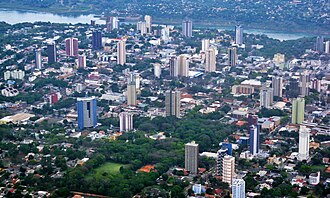
This pilgrimage moves through three meaningful spiritual landscapes: Rio de Janeiro, Aparecida, and Foz do Iguaçu. Rio invites pilgrims to reflect on Christ’s mercy over the world. Aparecida invites pilgrims to entrust their lives to Mary’s protection. Foz do Iguaçu invites travelers to stand humbly before the power of creation and give thanks to God. Together, these places form a journey of prayer, beauty, surrender, and renewed trust.

Christ the Redeemer / Cristo Redentor
The iconic statue of Christ with open arms above Rio de Janeiro. A powerful symbol of mercy, welcome, and faith over the city.
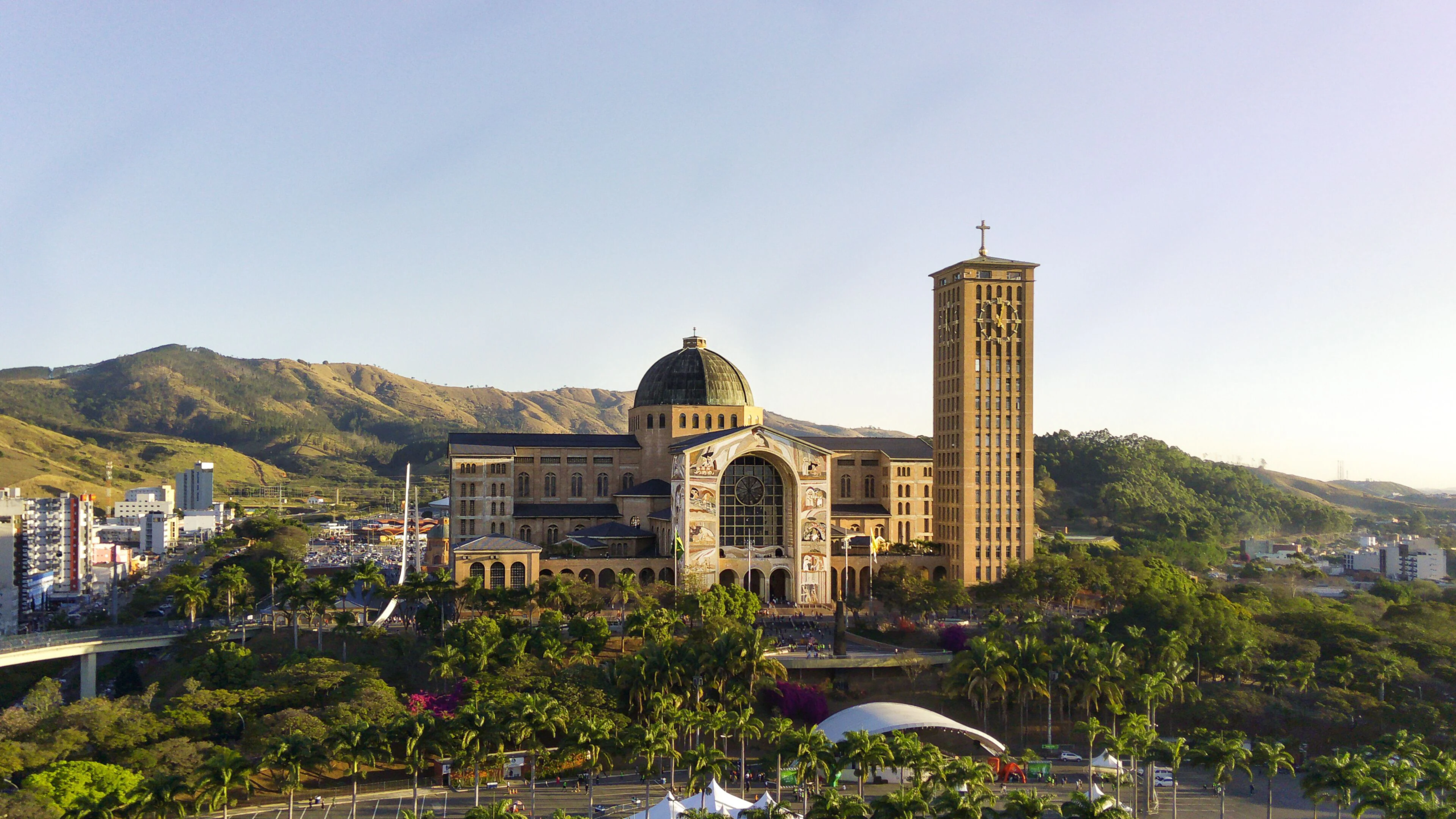
National Shrine of Our Lady Aparecida
The largest Marian pilgrimage site in Brazil and the spiritual heart of devotion to Our Lady Aparecida, patroness of Brazil.
Footbridge of Faith, Aparecida
A pedestrian bridge connecting the old basilica area with the National Shrine, symbolizing the pilgrim’s walk of trust and prayer.
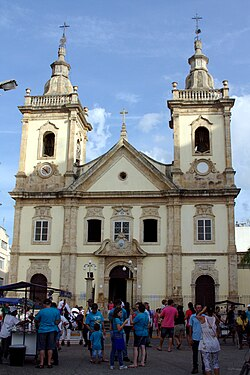
Old Basilica of Aparecida
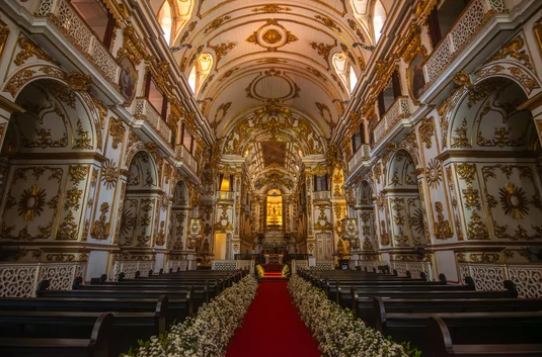
A historic church connected with the early growth of devotion to Our Lady Aparecida. A meaningful stop for prayer and reflection.

Ready to Visit Brazil?

Explore our curated journeys to this destination