Pilgrimage Leisure

France

Where Heaven Touched Earth

🌍 Western Europe
💰 Euro
Best: Apr - Jun, Sept - Oct
💬 France
🕐

A pilgrimage is not simply a trip, but a journey of the soul — a time when each person is invited to set aside the busyness of daily life and enter into a quiet space of prayer, reflection, and a deeper encounter with God.

This handbook has been prepared as a small companion throughout the journey, helping travelers understand the essential information before departure, learn more about the pilgrimage sites to be visited, and prepare more thoughtfully — both materially and spiritually.

Please read it carefully before the trip so that the journey may unfold smoothly, prayerfully, and with deeper meaning.

Documents & Visa

When traveling on a pilgrimage, travelers must bring a valid passport with at least 6 months of validity remaining after the date of return to the United States. If missing or invalid documents result in the inability to depart or enter a country, Carnival US will not be responsible, and the standard tour cancellation policies will still apply.

Please note that a Passport Card is not valid for international flights.

For pilgrimages to France — one of the Schengen countries where ETIAS applies to U.S. citizens — Carnival US can assist travelers with completing the required registration before departure in accordance with entry regulations. Please contact our office for specific processing fees and timelines.

Carnival US Visa Assistance Service:

Carnival US provides visa assistance services for Green Card holders. This service includes document preparation, application guidance, flight information, invitation letters, and instructions for preparing the required documents for the biometrics appointment at the nearest consulate. Travelers should allow at least 2 months for the visa application process.

This is a paid service — please contact our office for specific processing fees and timelines.

Travelers are advised to make photocopies of their passport and visa and share them with trusted friends or family members. Copies should also be kept separately from the original documents in case the originals are lost.

Luggage

BAGGAGE REGULATIONS

Q&A: HOW MANY CHECKED BAGS MAY TRAVELERS BRING?

For the pilgrimage, travelers may bring:

One (1) checked bag
One (1) carry-on bag
One (1) personal item

FOR CHECKED BAGGAGE:

Checked baggage should include most of your belongings, such as clothing, shoes, personal items including toothpaste, towels, toothbrushes, fruit knives, metal items, razors, food, drinks, and liquid items.

ALLOWED SIZE:

The total length + width + height must not exceed 62 inches / 158 cm.
Economy Class: One (1) checked bag weighing up to 50 lbs / 23 kg
Business Class: Two (2) checked bags, each weighing up to 75 lbs / 32 kg.

FOR CARRY-ON BAGGAGE:

Carry-on baggage may include small electronic devices such as phones, cameras, laptops, regular travel cameras, money, and other valuable items.

ALLOWED SIZE:

One (1) bag: length + width + height must not exceed 42 inches / 106 cm.
The bag must not exceed 17 lbs / 8 kg.

Q&A: WHAT SHOULD I DO IF MY BAGGAGE IS LOST?

If your baggage is lost, please go immediately to the airport’s Lost and Found office to complete a lost baggage report. The tour guide will assist travelers with filling out the form. Please keep all documents provided by the airline. Once the baggage is found, the airline will deliver it to the hotel. Please provide the exact address shown on the luggage tag issued by Carnival US before departure.

Hotels

All hotels used by Carnival throughout the pilgrimage are 4-star standard. However, in some pilgrimage destinations, hotels may be simpler, focusing more on comfort rather than luxury service. Therefore, guests should keep in mind that a pilgrimage is different from a leisure vacation; the journey focuses on sacred sites rather than luxury experiences, and expectations should be adjusted accordingly.

Carnival will send an email with detailed hotel information for each hotel in the itinerary, including the address and hotel rating. Most hotels provide basic amenities similar to those at home; however, single rooms are often smaller in size, or may have a queen bed.

Check-in/Check-out

Check-in time is usually from 14:00 – 16:00. The hotel will try to assist with early check-in if possible. However, if the room is not ready, guests may store their luggage and freely explore the area around the hotel. Guests may ask the tour guide for suggestions on places to visit or rest while waiting.

Check-out time is usually from 11:00 – 12:00. To ensure a smooth check-out process, guests should carefully check all personal belongings in drawers or bedside tables, as well as jewelry or cash kept in the safe, before leaving the room.

Keycard

Many hotels use keycards to operate the electricity, lighting, or elevators. The placement of switches and power outlets may vary from hotel to hotel, so guests may need to locate the switches in the room.

Guests should keep the room keycard with them throughout their stay, as it is often used for several purposes:

Swipe the card to open the room door
In many hotels, the card must be inserted into a slot in the room, usually near the door, to activate the electricity and power outlets
When using the elevator, guests may sometimes need to swipe the card first before selecting the floor

Additional Services

Most hotels offer PAID TV services, including entertainment movies. If guests do not wish to watch, please do not press the PAY button. If the button is pressed, even if the movie is not watched afterward, guests may still be charged. The lowest price is usually around 25 EUR / 1 movie.

In addition, the refrigerator often contains a sensor minibar; when guests pick up or use an item, the system may automatically record it and charge according to the hotel’s policy.

Bathroom

All rooms have a private bathroom. Most hotels provide a hair dryer and basic toiletries; however, guests should prepare their own essential personal items. Hotels usually provide large bath towels and face towels, but small towels are rarely provided.

PLEASE BE CAREFUL IN THE HOTEL BATHROOM

In many hotels in France, bathtubs often have high edges and may be difficult to step into or out of. Guests should place a towel on the floor and be especially careful to avoid slipping. Carnival always tries to request walk-in showers when possible; however, hotels may not always be able to accommodate this request, especially during peak season.

Cleaning

Nowadays, many hotels no longer provide daily room cleaning as they did in the past, and may only clean between new guest stays due to factors such as cost, staffing, and sustainability practices. Some guests also do not request daily housekeeping.

If guests need daily room cleaning, they may request it from housekeeping, and the hotel will try to assist if possible.

Personal Items

Hotels usually provide basic amenities such as towels, soap, shampoo, Wi-Fi, etc. However, guests should also prepare:

Travel-size personal toiletries, such as toothpaste, toothbrush, shampoo, body wash, etc.
Personal medication and common medicine, such as motion sickness medicine, headache medicine, allergy medicine, digestive medicine, etc.
Tissues, sunscreen, lip balm
Bandages, ointment, vitamins
A pen for filling out forms

Other necessary personal items.

If guests need to purchase additional items, they may ask the tour guide or hotel reception for assistance

Flights & Airport

FLIGHT TICKETS – CHECK-IN PROCEDURES

In France, the major international airport is Paris Charles de Gaulle Airport (CDG). Compared to other international airports in Europe, this airport is quite large and has a train system to transfer between terminals.

Approximately 3 weeks before departure, Carnival US will send travelers an email with the following flight-related information:

A PDF file containing your flight itinerary, flight number, and electronic ticket number. Please note that this document is not your boarding pass. Travelers will receive their boarding pass after completing check-in 24 or 48 hours before departure.

Travelers may check in online 24 hours before the flight or check in at the airline counter at the airport.

If “Seat” or “Flight Segment” information is missing from your electronic ticket, please do not worry. An updated electronic ticket will be sent to you within 7–10 days, reflecting the complete seat or flight segment information.

AIRPLANE SEATING: The airline system will assign seats 24 hours before departure. If travelers wish to select a preferred seat, please visit the airline’s website to choose and pay for the seat directly.

Q&A: WHAT SHOULD I DO IF I HAVE TSA PRECHECK OR GLOBAL ENTRY?

If travelers have TSA PreCheck or Global Entry, please inform the airline ticket counter staff at the airport so TSA PreCheck can be updated on the boarding pass.

Q&A: HOW EARLY SHOULD I ARRIVE AT THE AIRPORT?

Domestic travel: Arrive at the airport at least two (2) hours before departure.

International travel: Arrive at the airport at least three (3) hours before departure.

Q&A: WHERE CAN I FIND MY FLIGHT ITINERARY?

Carnival US will provide travelers with the flight itinerary by email. This itinerary shows the airline, flight number, departure and arrival times, as well as seat and meal information.

NOTE: If travelers would like to request a special meal, such as a vegetarian meal or child meal, or wheelchair assistance to the boarding gate, please contact Carnival US as early as possible.

Q&A: WHY DOES MY AIRLINE TICKET SHOW ONE AIRLINE, BUT I CHECK IN WITH ANOTHER AIRLINE?

Many airlines work together through codeshare agreements and shared flight segments. For example, the ticket may show United, but travelers may check in with and fly on Lufthansa.

Q&A: WHAT IF I WANT TO CHANGE MY TICKET AT THE LAST MINUTE?

If travelers wish to change their airline ticket after it has been issued, they will be responsible for any additional fees according to the airline’s cancellation or change policy, as well as any fare difference between the original ticket and the new ticket. Therefore, when travelers receive their airline ticket, please review all information carefully to avoid errors and unnecessary additional costs.

ENTRY PROCEDURES

Q&A: WHAT SHOULD I DO WHEN THE PLANE LANDS?

When the plane lands, travelers should carefully check all luggage and personal belongings to avoid leaving anything behind on the aircraft. After that, travelers will be guided through immigration procedures and baggage claim. Please follow the instructions and the tour guide’s flag to the meeting area to avoid getting separated from the group.

If travelers do not see the tour guide or driver, please look around the nearby area, as they may have stepped away to assist another pilgrim. If you still cannot find them, please contact the tour guide using the phone number provided in the final confirmation email.

NOTE: Travelers should not say sensitive words in any language, such as “bomb” or “explosive,” or any words that may threaten aviation safety while at the airport, during baggage check-in, or on the airplane.

US Customs & Border

U.S. citizens and permanent residents who have been in Europe for more than two days may return to the United States with up to $800 worth of goods duty-free. For travelers who wish to bring back more goods, a flat duty rate of 3% may apply to the next $1,000 worth of purchases.

Travelers should keep all purchase receipts in case U.S. Customs officers request a declaration upon return to the United States.

For more details, please visit the U.S. Customs and Border Protection website:
http://www.cbp.gov/xp/cgov/travel.

Money & Payment

CURRENCY AND PAYMENT

All countries visited by our group use the Euro.

Exchange rate: May fluctuate depending on the time of exchange.
1 EUR is approximately equal to 1.17 USD.

Q&A: WHERE CAN I EXCHANGE MONEY?

It is recommended to exchange U.S. dollars for Euros through banks in the United States. Travelers may order Euros from their bank and pick them up approximately 1 week after placing the order. It is recommended to request some smaller denominations for easier use during the trip.

At airports, cities, and towns, there are legal currency exchange offices available. Banks also exchange money, but they are often crowded and may not offer the best exchange rate.

ATM machines are also a safe option while in France; however, fees may apply depending on the type of card used.

Q&A: CAN I USE CREDIT CARDS IN FRANCE?

YES! Visa and MasterCard are widely accepted and are convenient, secure, and usually offer a reasonable exchange rate. American Express and Discover are accepted less frequently. ATMs are available in most cities and are commonly found in central areas.

Before departure, travelers should notify their bank and credit card company that they will be traveling in France so that the bank does not block or temporarily suspend the account due to unusual international transactions.

Pickpocketing is very common in many European countries. Therefore, travelers should be careful with personal belongings, documents, and money. It is not recommended to bring jewelry while traveling. Money should be divided into separate places and kept close to the body.

Q&A: CAN I PAY WITH MY PHONE?

Travelers may use Apple Pay, Google Pay, or international payment cards at many service locations throughout the journey.

Tax Return

Goods in Europe are often expensive, and VAT tax is usually more than 20%. When purchasing eligible items valued at 150 euros or more, travelers may be able to request a VAT refund. However, travelers must ask the store to prepare the tax refund form at the time of purchase and must present the purchased items to Customs at the airport. After the refund form is approved, the tax amount may be refunded directly at the airport.

If travelers purchase items in another European Union country, they must have the tax refund form provided by the store and bring the purchased items to present to airport officials. The refund process may take a long time, depending on staff availability at the refund counter.

IMPORTANT NOTE: Travelers must never accept, carry, or watch over luggage for anyone outside the group.

Travelers should not say sensitive words in any language, such as “bomb” or “explosive,” or any words that may threaten aviation safety while at the airport, during baggage check-in, or on the airplane.

Travelers should carefully check all items before purchasing to avoid buying counterfeit, fake, or low-quality products from well-known brands. If Customs or European officials discover counterfeit or fake goods purchased by travelers, travelers may face serious fines depending on the product and related penalties.

Weather & Clothing
Season Location Average Temp Notes
SPRING (MARCH–MAY) Paris

Lourdes
10°C – 18°C

8°C – 17°C
Cool weather, with a chance of light rain. Travelers should bring a light jacket and a scarf.
SUMMER (JUNE–AUGUST) Paris

Lourdes
18°C – 28°C

16°C – 27°C
Warm during the day and cooler in the evening. Travelers should bring a light jacket and a sun hat.
AUTUMN / FALL (SEPTEMBER–NOVEMBER) Paris

Lourdes
10°C – 20°C

9°C – 19°C
Pleasant weather, slightly chilly in the evening. Travelers should bring a light warm jacket.
WINTER (DECEMBER–FEBRUARY) Paris

Lourdes
3°C – 8°C

2°C – 10°C
Cold weather, with possible rain or snow. Travelers should bring a warm coat, scarf, and gloves.rời lạnh, có thể mưa hoặc tuyết, cần áo ấm, khăn, găng tay
Pilgrimage Clothing

Travelers are advised to pack one (1) set of clothing for the day, a jacket, prescription medication, and a few essential personal hygiene items in their carry-on baggage. This is recommended in case checked baggage is lost or delayed, so travelers will still have necessary items to use. Please do not bring sharp metal objects in carry-on baggage.

In Europe, most sightseeing locations require walking. In some major cities, tour buses are not allowed to enter the city center, so travelers should expect to walk often.

Travelers are encouraged to wear comfortable sneakers or flat shoes that they are already used to wearing, in order to avoid foot pain from extensive walking. Women are advised not to wear high heels. In Europe, most hotels do not provide toothpaste, toothbrushes, or indoor slippers, so travelers should bring their own.

Hotels may offer laundry service, but the cost is usually quite high. Since the group will also be moving frequently, travelers should consider carefully before using hotel laundry service.

Communication & Internet

Hotel phone calls can be very expensive. Therefore, guests are advised to purchase a phone card in Europe or activate international roaming in the U.S., which usually costs around 10 – 12 USD/day.

For international roaming services, before departure, guests should contact their current mobile provider, such as AT&T or T-Mobile, to register for a suitable roaming plan, depending on the destination and different service rates.

Reference links for mobile provider roaming services:

Verizon https://www.verizon.com/plans/international/international-travel/travel-pass/

AT&T https://www.att.com/international/

T-Mobile https://www.t-mobile.com/cell-phone-plans/international-roaming-plans

In addition, guests may also use an eSIM to stay connected.

eSIM prices when traveling to France usually vary depending on data allowance and validity period, but the common price ranges are currently as follows:

Short-term plan (5–7 days, 1–3GB): around 5 – 10 USD
Medium plan (7–15 days, 5–10GB): around 10 – 25 USD
Large plan (15–30 days, 10–20GB+): around 20 – 40 USD

Most hotels provide free Wi-Fi for guests. Guests may use iMessage, Viber, or WhatsApp to contact family and friends when returning to the hotel.

Emergency Numbers

In France, the important emergency numbers are:

112 – General emergency number across Europe
Use for all emergency situations, including accidents, medical emergencies, fires, explosions, or immediate danger.

15 – Medical emergency / ambulance
Call when medical assistance, a doctor, emergency care, serious pain, or a health-related accident is needed.

17 – Police
Call in cases of theft, assault, unsafe situations, or when police assistance is needed.
18 – Fire department
Call in cases of fire, accidents, being trapped, or natural disasters.

114 – Emergency by text message
For people who are deaf, hard of hearing, or unable to make a phone call.

Electricity

In France, most electrical outlets use 220 volts, 50 Hz. Guests should bring a two-round-pin plug adapter with a flat base. A universal multi-adapter can be purchased on Amazon or at Walmart.

Safety

Staying Well During Your Pilgrimage in France

Your pilgrimage in France will include sacred sites, historic churches, city walks, and periods of travel between destinations. To enjoy the journey comfortably and safely, please take care of your health and follow the guidance of the tour leader throughout the trip.

France is generally a safe and well-developed country for travelers. However, as in many popular European destinations, visitors should remain aware of their surroundings, especially in crowded areas such as train stations, airports, markets, pilgrimage sites, and major tourist attractions.

Personal Health

Please bring any personal medication you may need for the entire journey, along with a little extra in case of travel delays. Keep important medication in your carry-on bag, not only in checked luggage.

If you have allergies, dietary restrictions, mobility concerns, or medical conditions that may affect your travel, please inform the tour leader before departure so proper care and planning can be arranged when possible.

It is also recommended to bring basic travel health items such as pain relievers, motion sickness medication, stomach medicine, bandages, hand sanitizer, and any vitamins or supplements you normally use.

Walking & Physical Comfort

Many pilgrimage sites in France include stone streets, uneven pathways, stairs, slopes, and long periods of walking or standing. Comfortable walking shoes are strongly recommended.

Please walk at a safe pace, use handrails when available, and be careful on wet pavement or old stone surfaces, especially near churches, historic towns, and outdoor pilgrimage areas.

For travelers with knee, back, or mobility concerns, a walking stick or light support aid may be helpful. Please notify the tour leader if you need extra time when walking with the group.

Weather & Hydration

Weather in France may vary by region and season. Please dress in layers and bring a light jacket, especially for early mornings, evenings, or visits to churches where the interior may feel cooler.

During warmer days, remember to drink water regularly. Carry a refillable water bottle when possible, especially on days with more walking or outdoor visits.

Safety in Public Areas

Please keep your passport, wallet, phone, and important documents secure at all times. Crossbody bags or money belts are recommended in crowded areas.

Be especially careful in airports, train stations, metro areas, busy streets, and popular tourist locations. Pickpocketing can happen in crowded places, so avoid placing valuables in back pockets or open bags.

Do not leave personal belongings unattended in churches, restaurants, buses, hotel lobbies, or public areas.

Emergency & Group Safety

Always follow the instructions of the tour leader and stay with the group during scheduled activities. If you need to step away, please inform the tour leader or a group member.

Save the tour leader’s contact information on your phone and keep a printed copy of the hotel address with you each day.

In case of emergency in France, the general European emergency number is 112.

Simple Reminder

Travel with awareness, patience, and care. A safe pilgrimage allows everyone to focus more deeply on prayer, fellowship, and the spiritual meaning of the journey.

Food & Dining

🌿 DINING CULTURE

Dining in France is often seen as a meaningful social experience, not simply a quick meal. French people usually take time to enjoy their food, appreciate the flavors, and spend time in conversation. Meals may feel slower and more relaxed compared to the United States, especially at traditional restaurants or during dinner.

Breakfast in France is usually simple and light. Many people enjoy coffee, tea, bread, croissants, pain au chocolat, butter, and jam. A large hot breakfast is less common, so travelers should not be surprised if hotel or local breakfasts feel lighter than American-style breakfasts.

Lunch and dinner are often more structured. In many restaurants, lunch is served around midday, while dinner usually begins later in the evening. Some restaurants may close between lunch and dinner, so travelers should be aware of meal times, especially during free time or independent exploration.

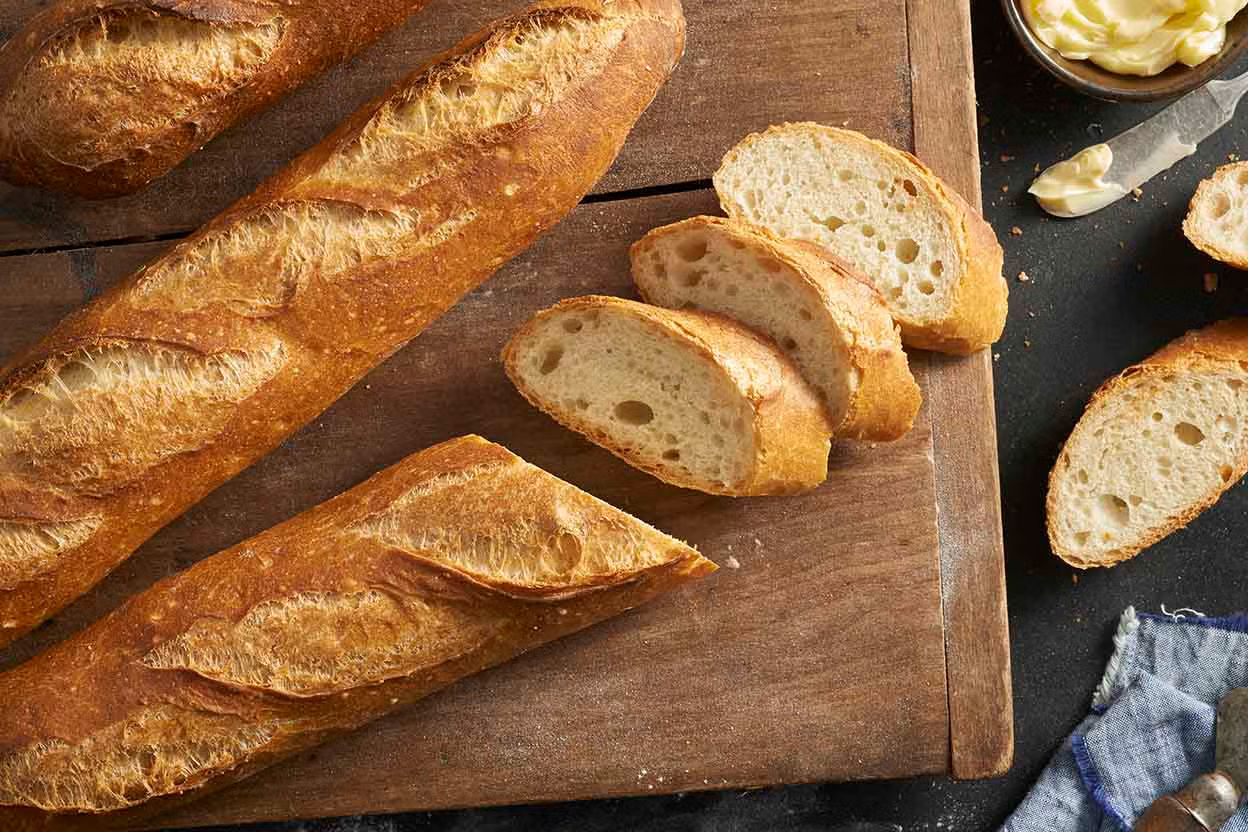
Bread is an important part of the French dining table. Baguette is often served with meals and may be eaten with cheese, soup, or sauces. In casual settings, bread may be placed directly on the table rather than on a separate bread plate.

When dining at restaurants, it is polite to greet the staff with “Bonjour” during the day or “Bonsoir” in the evening before ordering or asking questions. A simple greeting is considered part of good manners in France.

Tipping in France is different from the United States. Service is usually included in the bill, but travelers may leave a small extra tip if they receive good service. For example, rounding up the bill or leaving a few euros is appreciated but not required.

Travelers should also remember that meals in France may take longer, especially in sit-down restaurants. This slower pace is part of the culture and allows guests to enjoy the food, atmosphere, and conversation. For pilgrimage groups with a busy schedule, it is helpful to keep snacks, bottled water, or fruit available for long travel days.

Local Cuisine
Croissant
Croissant
re a classic breakfast item in France. Travelers are encouraged to try them at local bakeries instead of only eating them at the hotel.
Ratatouille
Ratatouille
A vegetable stew made with eggplant, zucchini, tomatoes, bell peppers, and herbs. It is a lighter option and suitable for travelers who prefer vegetables or a less heavy meal.
Crêpe
Crêpe
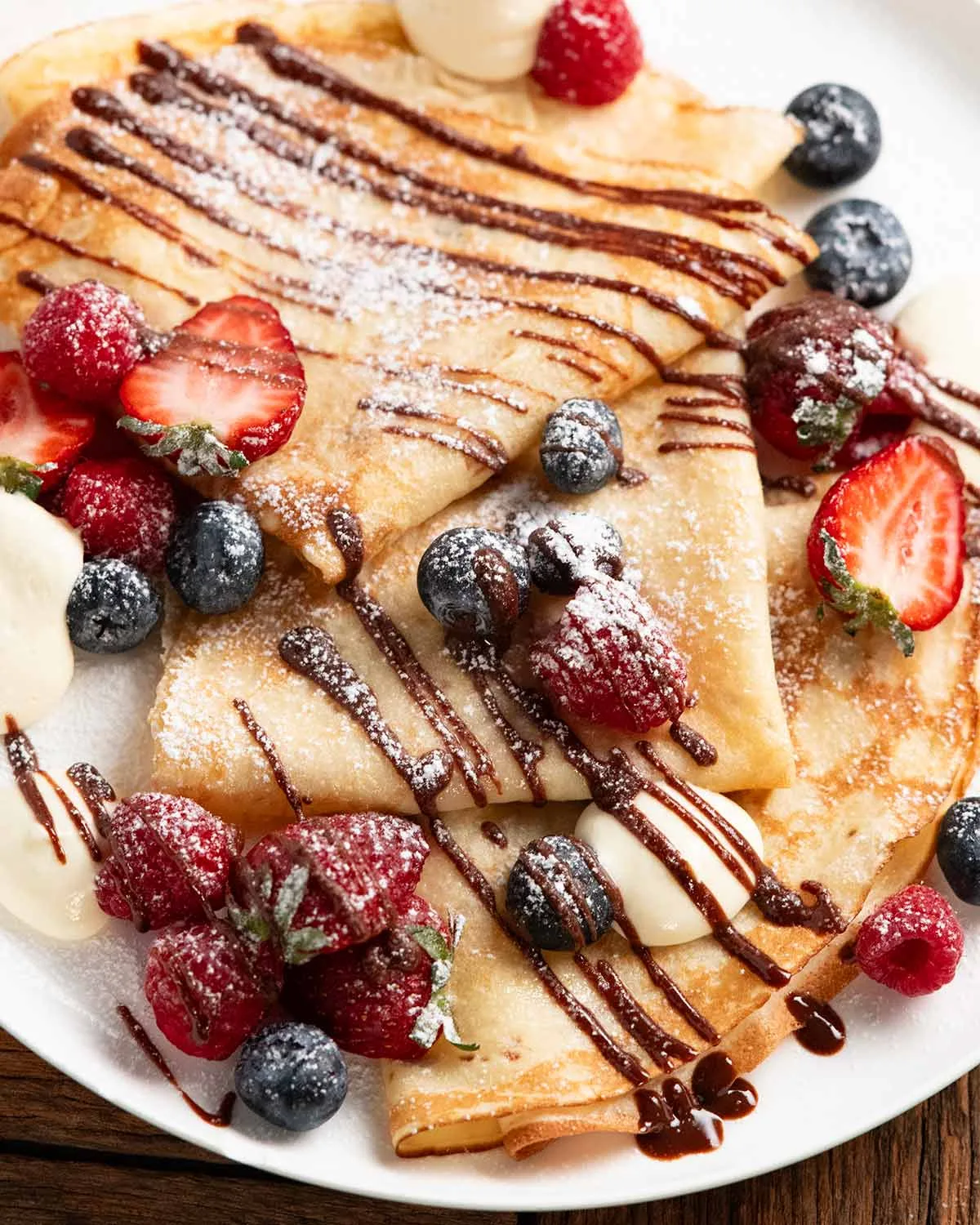
Can be enjoyed sweet with Nutella, banana, sugar, or butter, or served savory in the style of a galette. The Montmartre area often has many small stands and shops where travelers can easily buy them for a quick snack.
Baguette
Baguette
is the long, traditional French bread known for its crispy crust and soft, lightly fragrant interior. It is a very familiar part of daily life in France and is often enjoyed for breakfast or served with cheese, butter, soup, or main dishes.
Escargot
Escargot
Snails baked with garlic butter, a classic French specialty. The flavor mainly comes from the butter, garlic, and herbs, so it is not as difficult to try as many people imagine.
Pain au chocolat
Pain au chocolat
is a pastry similar to a croissant, but with chocolate filling inside. It is easy to enjoy and is suitable for breakfast or as a light snack during the day. Many travelers especially enjoy it for its buttery aroma and gentle chocolate flavor.
Boeuf Bourguignon
Boeuf Bourguignon
Beef stewed in red wine with carrots, onions, and mushrooms. This famous dish from the Burgundy region is often served with mashed potatoes or bread.
Soupe à l’oignon
Soupe à l’oignon
French onion soup, usually made with onions and broth, then topped with melted cheese. It is especially comforting on cold days.
Coq au vin
Coq au vin
A classic French stew of chicken braised with red wine, bacon (lardons), mushrooms, and garlic,
Crème brûlée
Crème brûlée
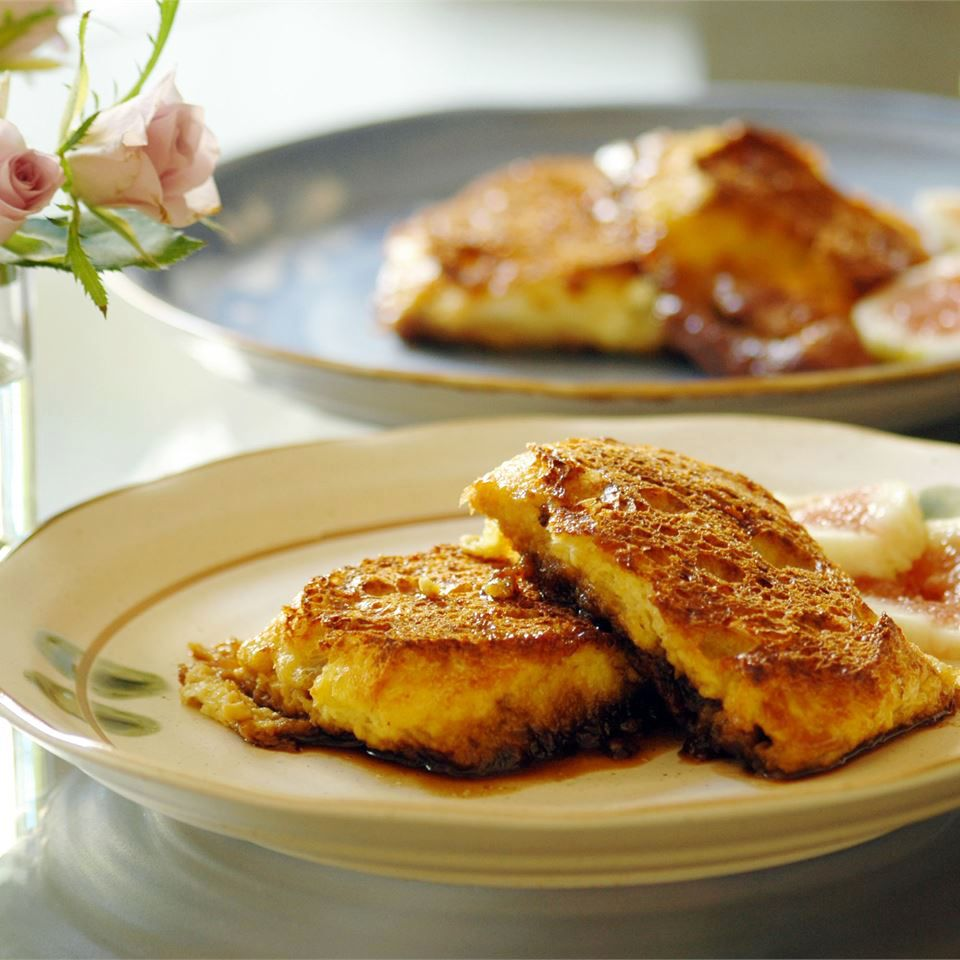
A custard dessert with a crisp caramelized sugar layer on top. The contrast between the crunchy sugar and smooth cream makes it a very distinctive French dessert.
Pilgrimage Site Overview

FRANCE PILGRIMAGE JOURNEY

This pilgrimage journey in France invites travelers to enter a deeper experience of faith, prayer, and reflection through some of the country’s most meaningful Catholic and cultural sites. From Lourdes, where pilgrims come with their burdens and hopes before Our Lady, to Paris, home to Notre-Dame Cathedral and the spiritual beauty of the city, each destination offers a special opportunity to slow down, pray, and encounter God more deeply.

Along the way, travelers may also visit important places such as the Chapel of the Miraculous Medal, the Basilica of the Sacred Heart in Montmartre, and other historic churches, religious landmarks, and cultural sites that reveal the beauty of Catholic heritage in France. This journey is not only about visiting sacred places, but also about walking together as a community, praying for personal intentions and loved ones, and returning home with renewed peace, gratitude, and hope.

Lourdes
Lourdes
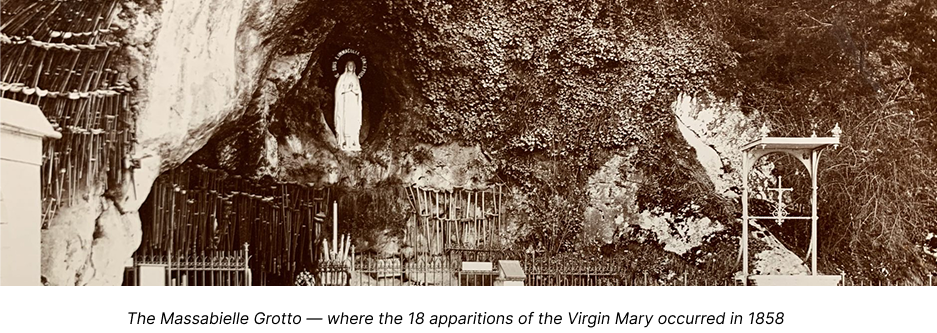
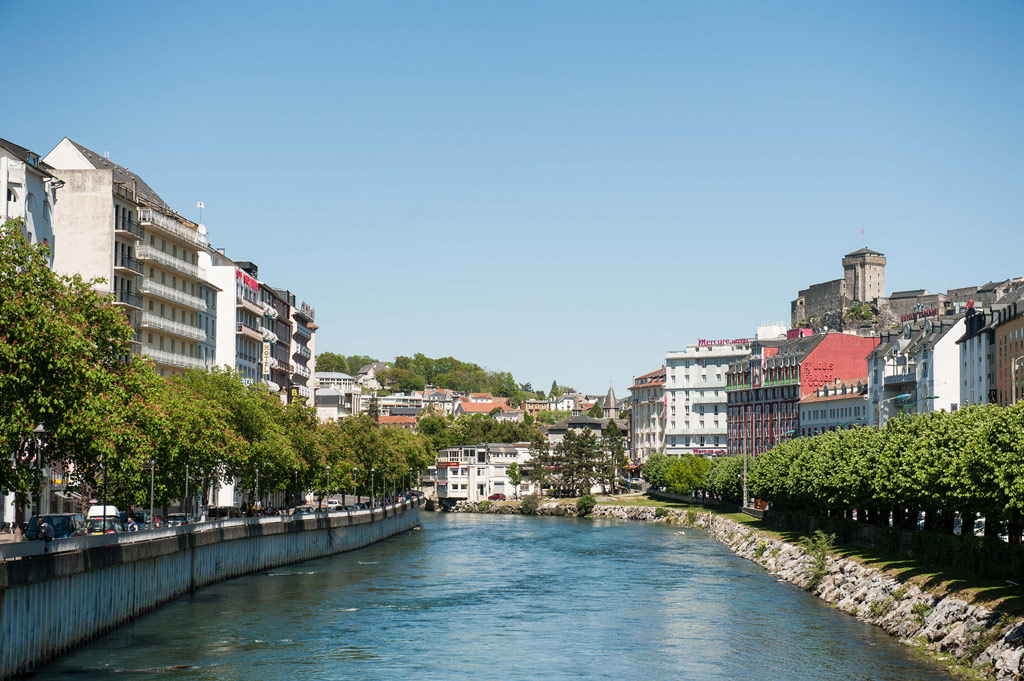
One of the world’s major Catholic pilgrimage centers, located in southwestern France at the foot of the Pyrenees. Lourdes is a place of prayer, healing, hope, and spiritual renewal, especially connected to the apparitions of the Blessed Virgin Mary to Saint Bernadette Soubirous in 1858.
Grotto of Massabielle
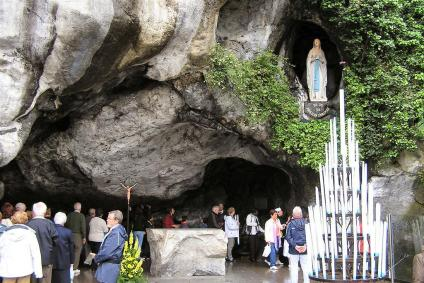
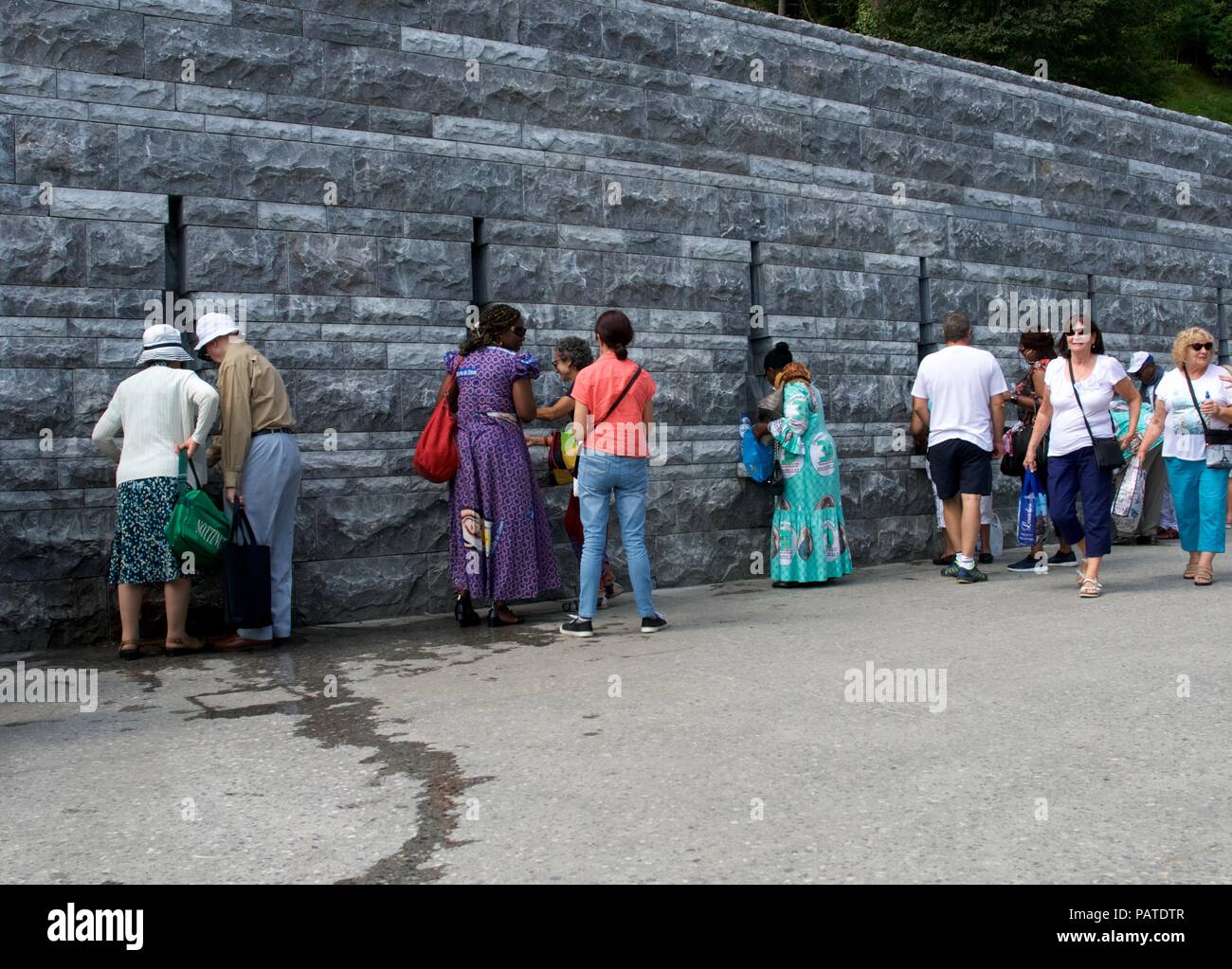
The spiritual heart of Lourdes, where the Blessed Virgin Mary appeared to Saint Bernadette. Pilgrims come here to pray, entrust their intentions to God, touch the rock, and experience a quiet moment of faith and peace.
Basilica of the Immaculate Conception
A beautiful basilica built above the Grotto of Massabielle. It is closely connected to the message of Lourdes and the title “Immaculate Conception,” which Mary revealed during the apparitions.
Basilica of Our Lady of the Rosary
A major basilica within the Sanctuary of Lourdes, known for its prayerful atmosphere and Marian devotion. It is an important place for Mass, reflection, and pilgrimage gatherings.
Basilica of St. Pius X
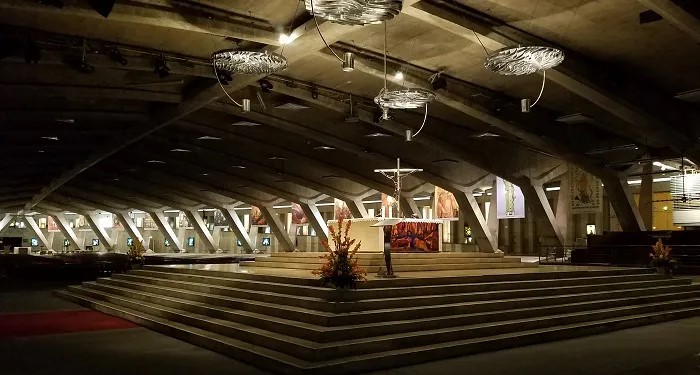
A large underground basilica in Lourdes designed to welcome thousands of pilgrims, especially during major pilgrimage seasons. It reflects Lourdes’ mission of gathering people from around the world in prayer and communion.
Procession Square in Lourdes
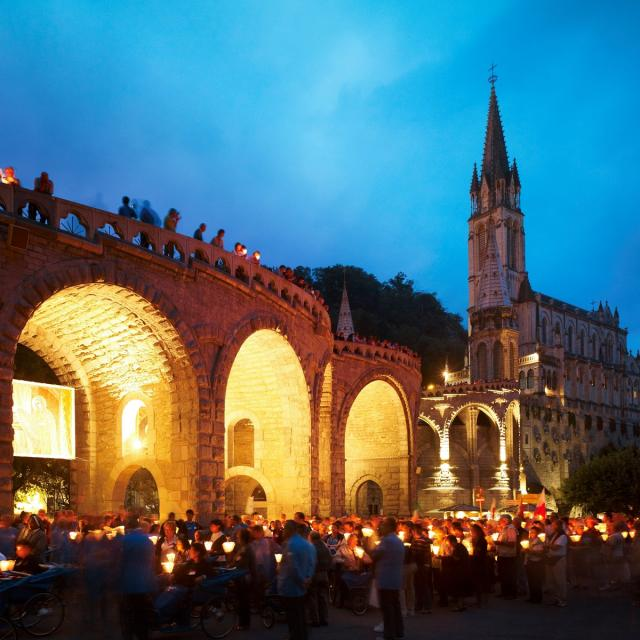
A large open area used for prayer gatherings and processions, including the memorable evening candlelight procession during pilgrimage season. It is one of the most moving experiences in Lourdes.
Notre-Dame de Paris
Notre-Dame de Paris
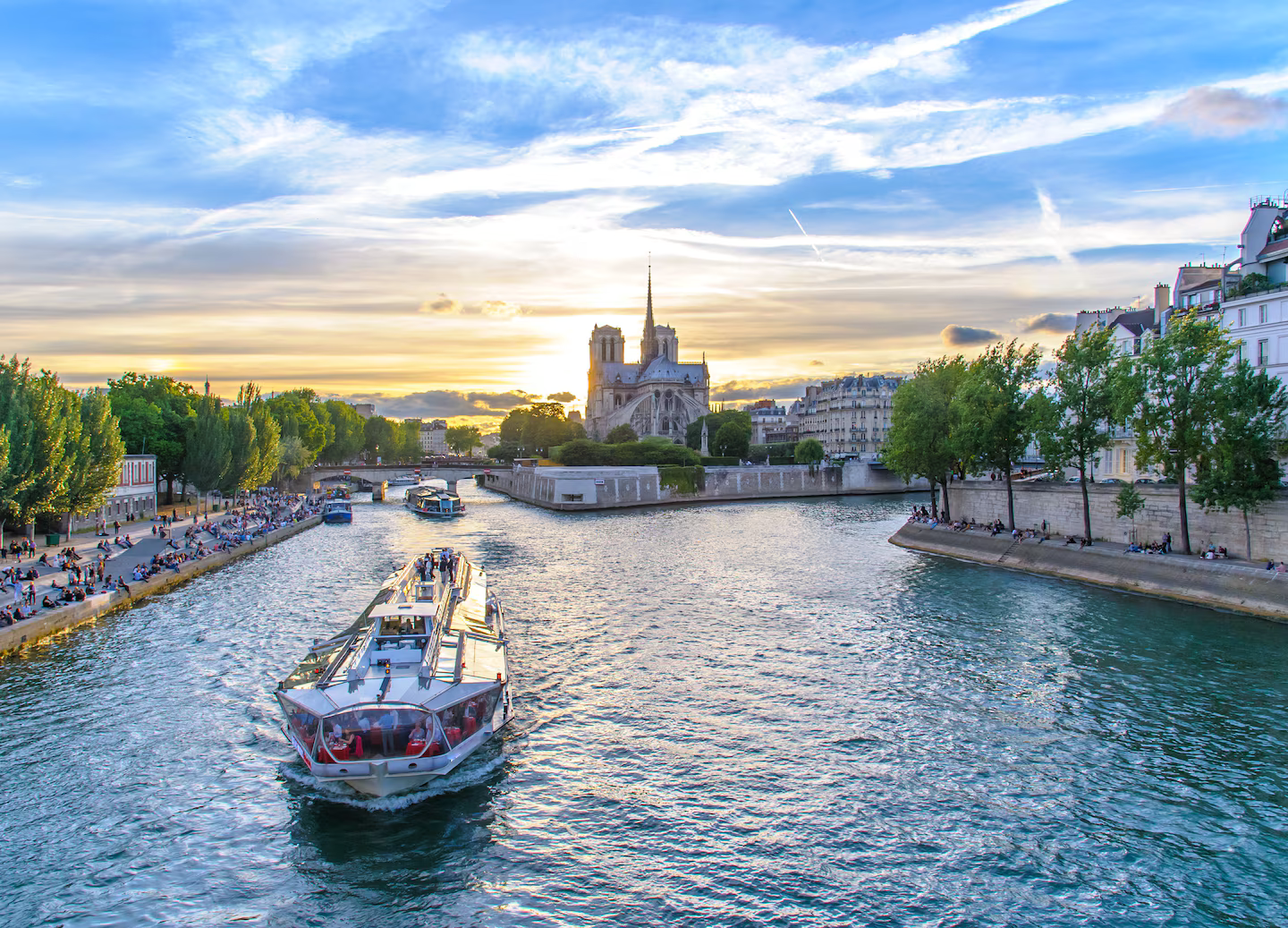
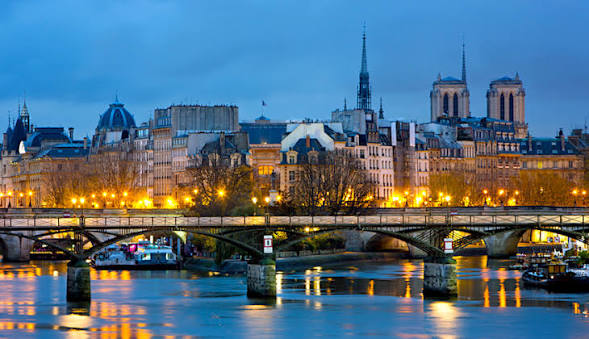
One of the most important religious, historical, and architectural symbols of Paris. This Gothic cathedral stands as a place of faith, beauty, and hope in the heart of the city, especially after its restoration following the 2019 fire.
Île de la Cité
Île de la Cité
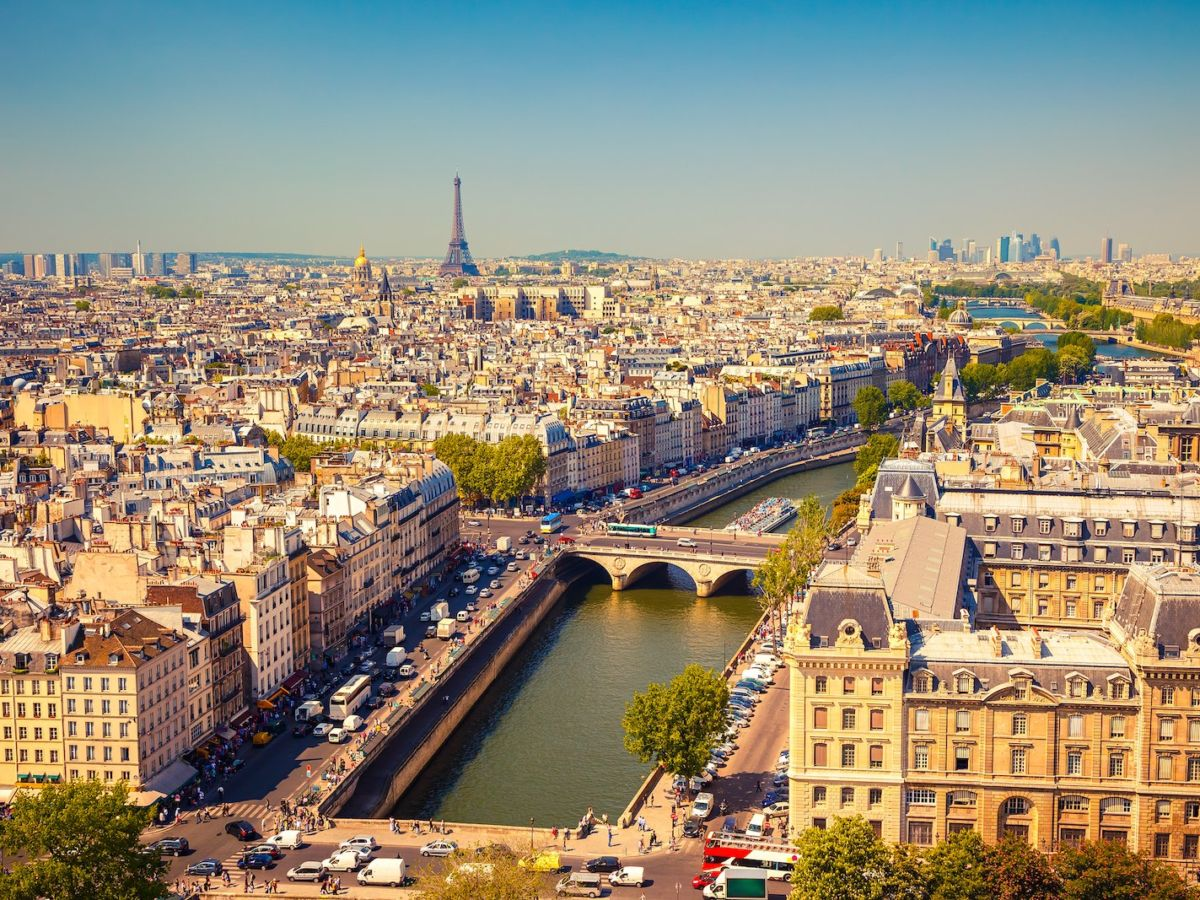
The historic island in the Seine River where Notre-Dame de Paris is located. It is one of the oldest and most meaningful areas of Paris, connecting faith, history, and the beauty of the city.
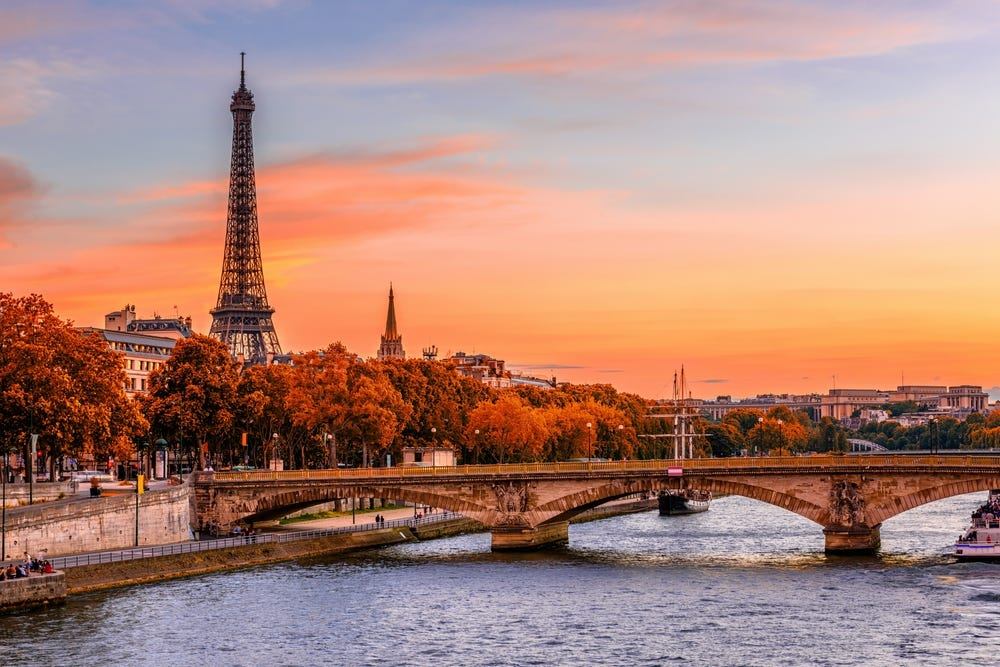
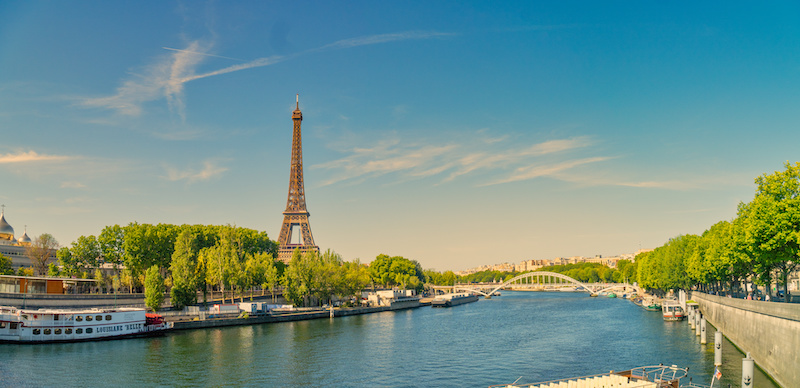
Seine River
Seine River
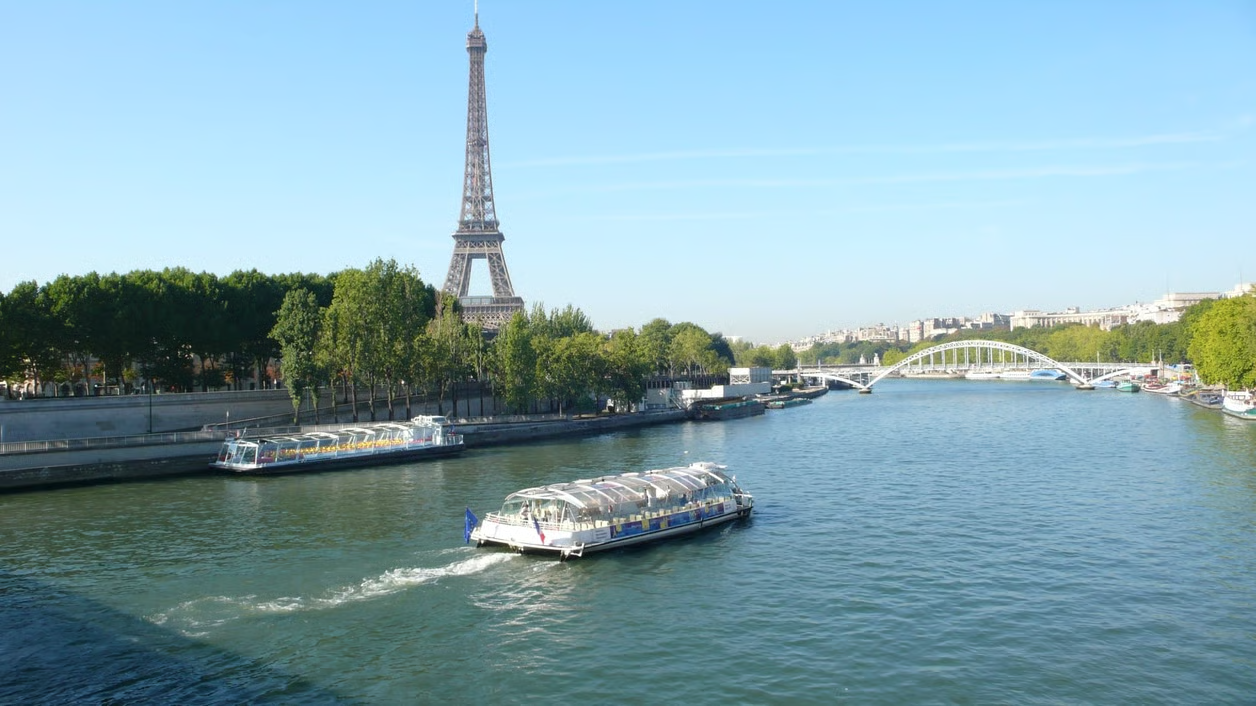
The famous river that flows through Paris and surrounds Île de la Cité. Near Notre-Dame, the Seine adds beauty and atmosphere to the pilgrimage visit, offering peaceful views of the historic city.
Latin Quarter
Latin Quarter
A lively and historic area near Notre-Dame, known for its old streets, churches, cafés, bookstores, and student life. It offers travelers a glimpse of Parisian culture and history.
Sainte-Chapelle
Sainte-Chapelle
A historic chapel near Notre-Dame, famous for its magnificent stained-glass windows. It is one of the most beautiful examples of Gothic religious art in Paris.