
Paris – Capital of France
Paris is not only the City of Light. For pilgrims, it is also a city where faith still burns quietly — in cathedrals, chapels, candlelight, and the silence before Christ.
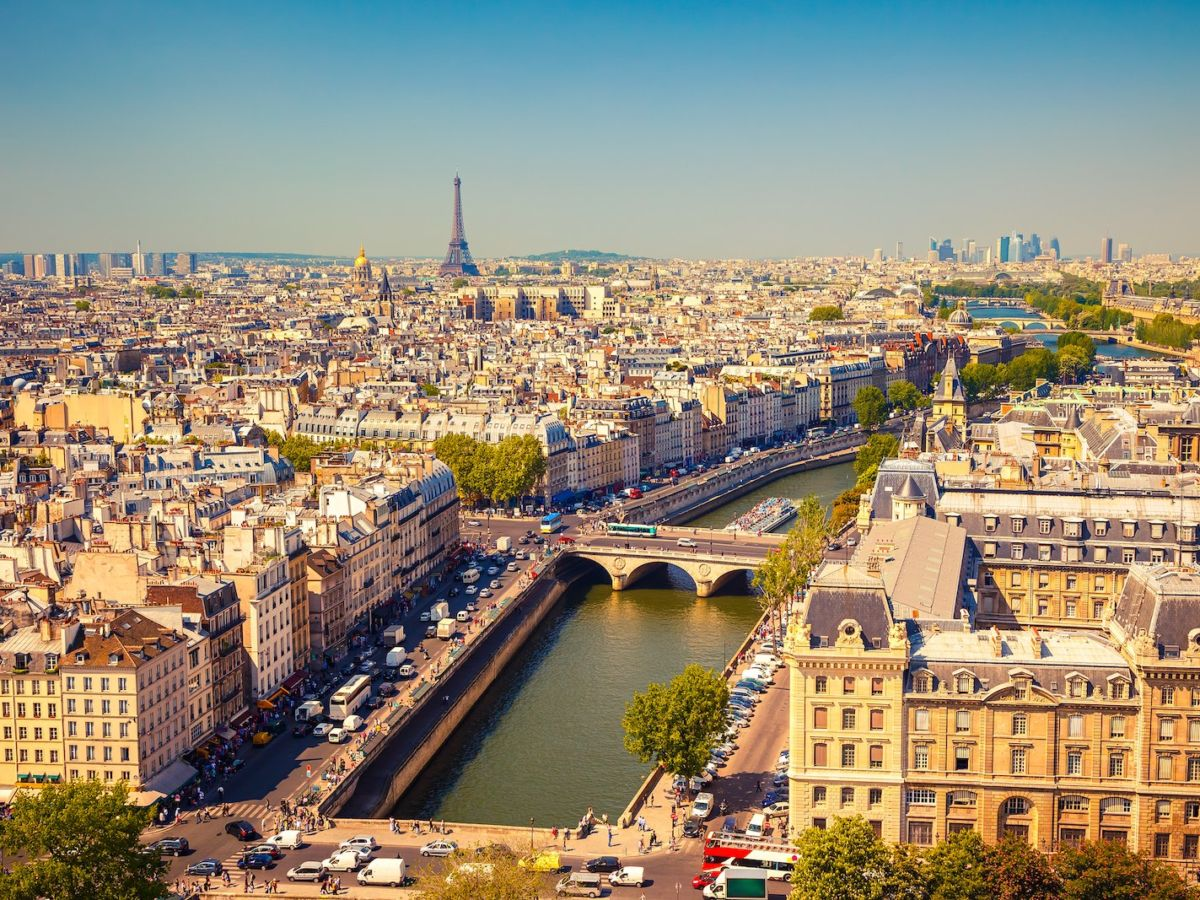
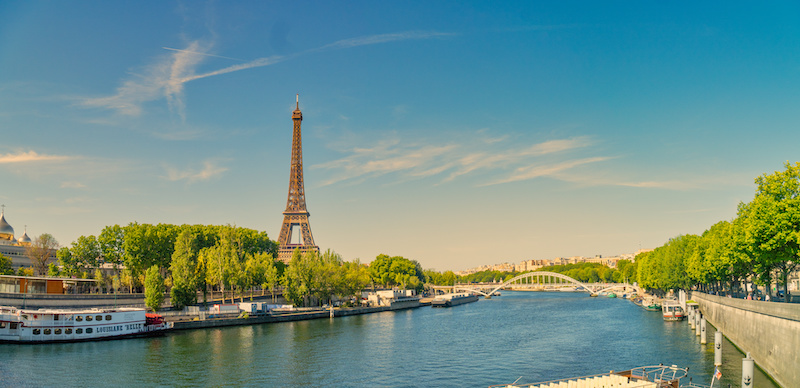
Paris is one of the most visited citiesin the world, but for Catholic pilgrims, it is not simply the city of the Eiffel Tower, museums, fashion, and cafés. Beneath the noise and beauty of the city is a much older Catholic memory — one shaped by cathedrals, saints, apparitions, martyrs, sacred art, and centuries of prayer.
At the center of that memory stands Notre-Dame de Paris. For more than 850 years, the cathedral has watched over the city from the Île de la Cité. It has survived revolutions, wars, neglect, restoration, and most recently the fire of 2019, when millions around the world watched the flames rise above Paris.
When Notre-Dame reopened after years of restoration, it was more than the return of a monument. For many pilgrims, it felt like a sign of resurrection — a wounded church standing again in the heart of a wounded world.
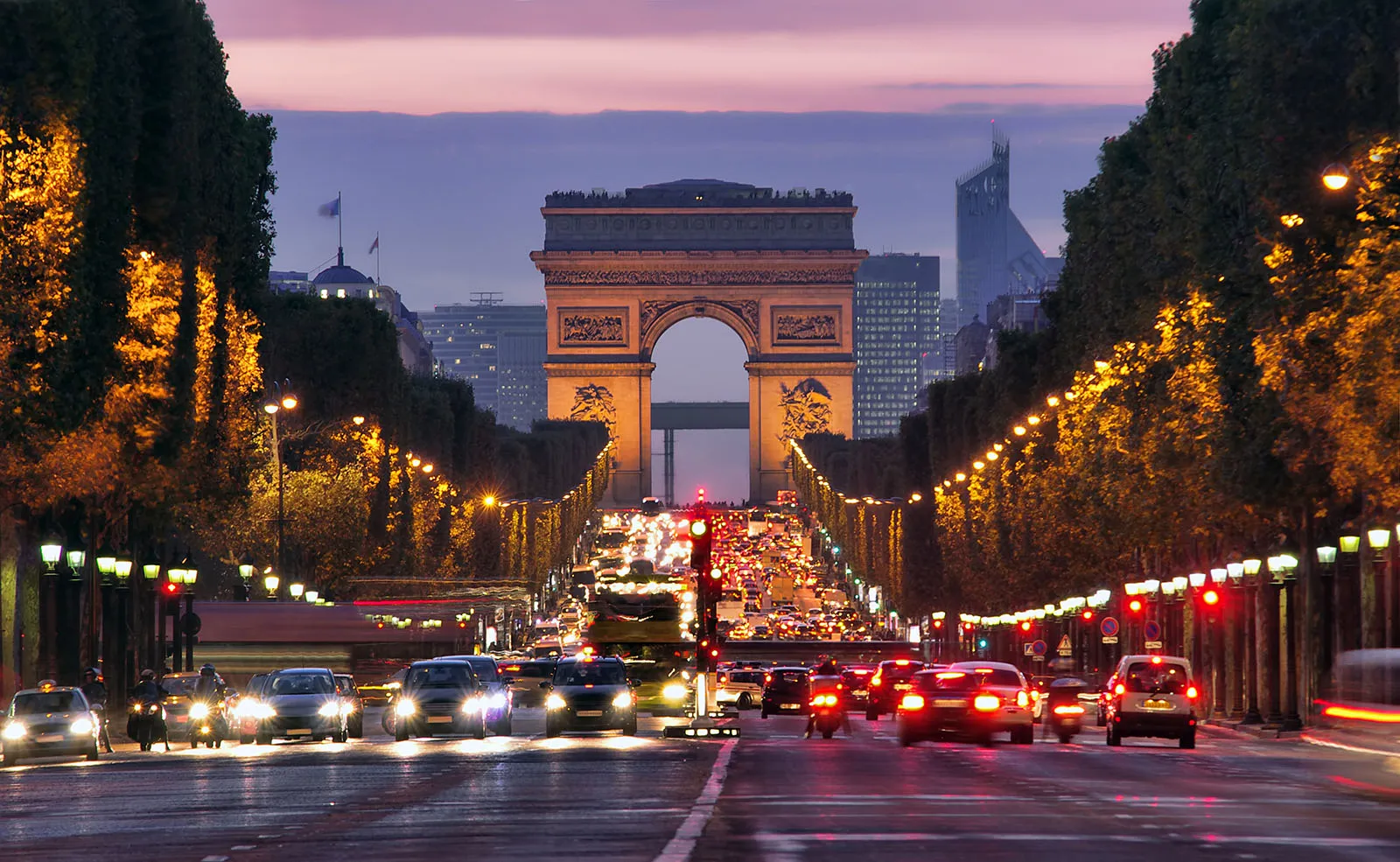
Paris does not feel quiet at first. It is busy, elegant, crowded, and fast-moving. But that is what makes its sacred places so powerful. Behind heavy church doors, the city suddenly changes. The noise softens. Candles burn. People kneel. Confession lines form. The Blessed Sacrament waits.
The Miraculous Medal
On Rue du Bac, inside a chapel that is easy to miss from the street, one of the most beloved Marian devotions in the world began.
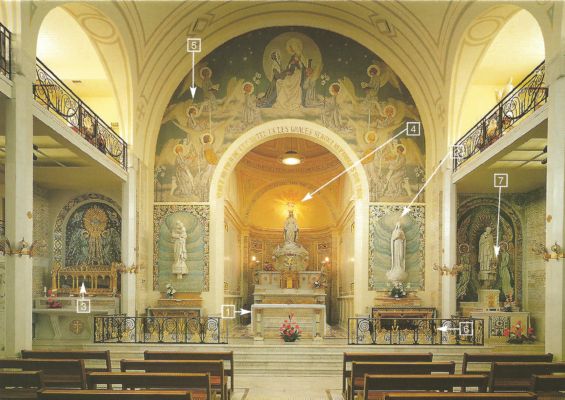
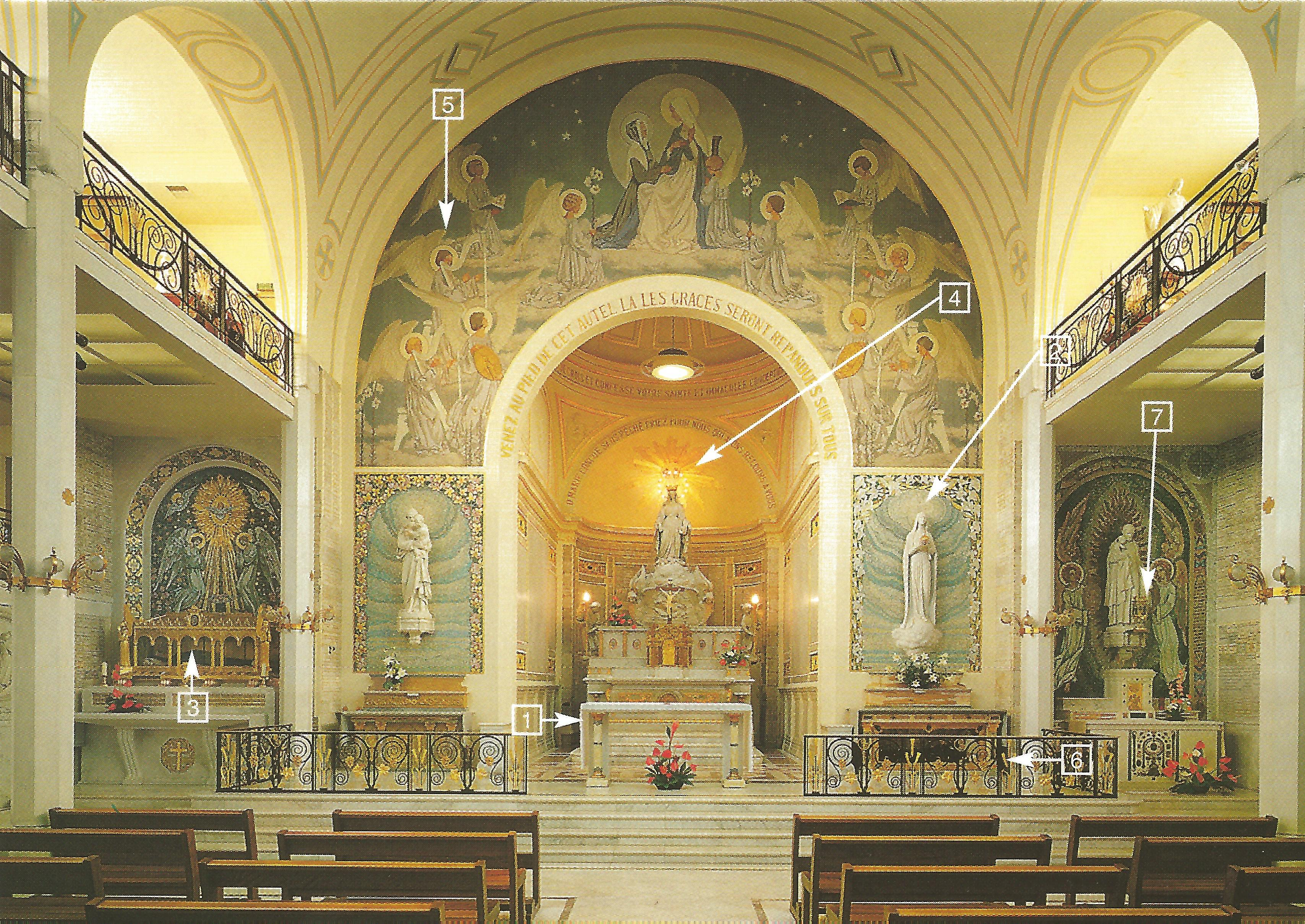
In 1830, a young Daughter of Charity
named Catherine Labouré received apparitions of the Blessed Virgin Mary in this chapel. Mary showed her the image that would become the Miraculous Medal — a small medal that would spread across the Catholic world and become a sign of trust, protection, and intercession.
Nothing about the chapel feels like a major tourist landmark. It is not grand like Notre-Dame. It is smaller, closer, more intimate. Pilgrims come here with family worries, illness, gratitude, private intentions, and prayers they may not know how to say out loud.
That is the power of Rue du Bac. It does not overwhelm. It invites trust.
Sacré-Cœur
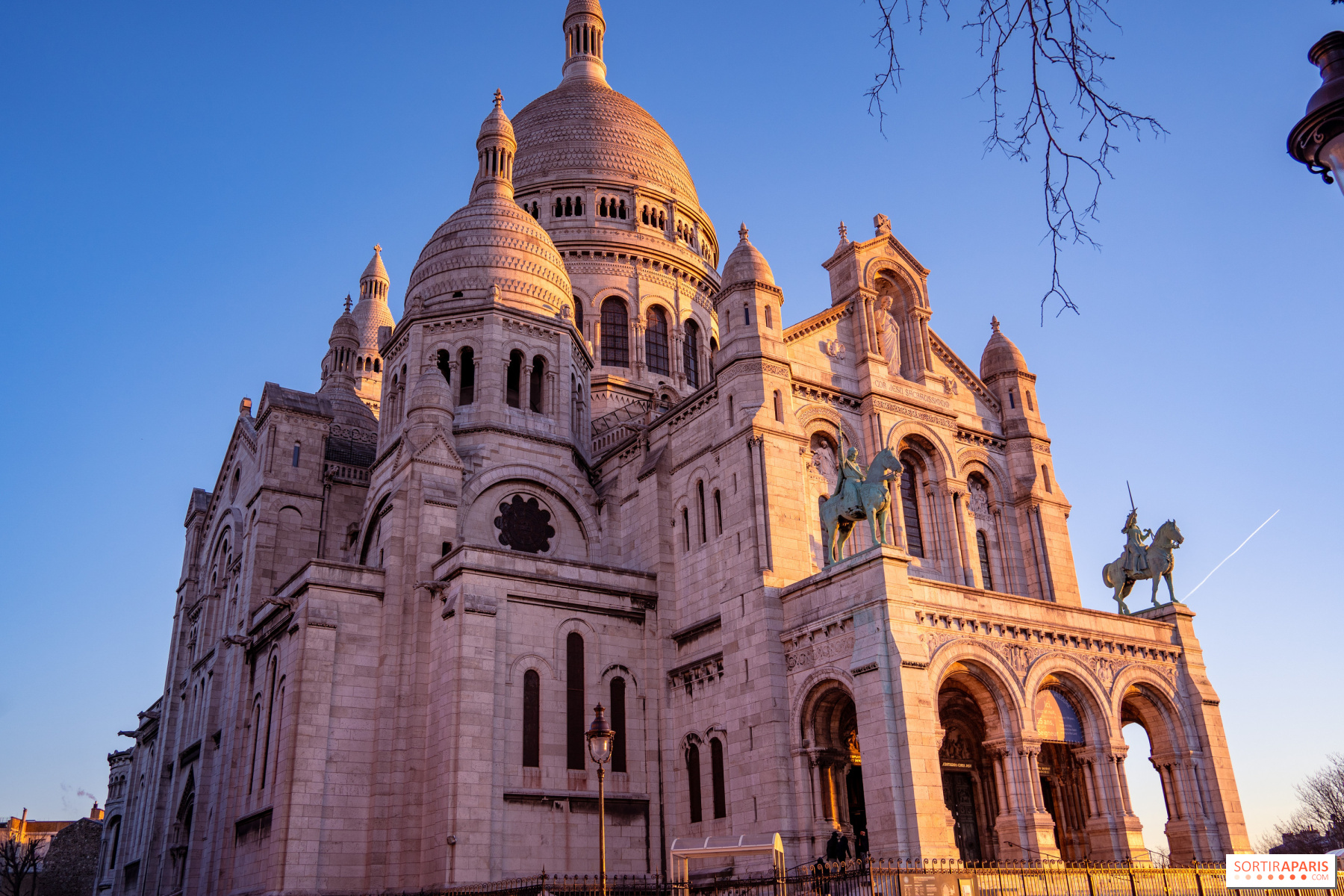
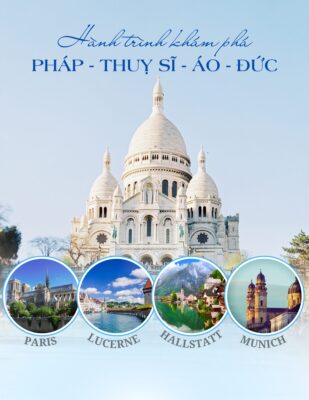
High above Paris, on the hill of Montmartre, the Basilica of Sacré-Cœur looks out over the city. From below, its white domes are one of the most recognizable sights in Paris. But the real meaning of the basilica is not the view.
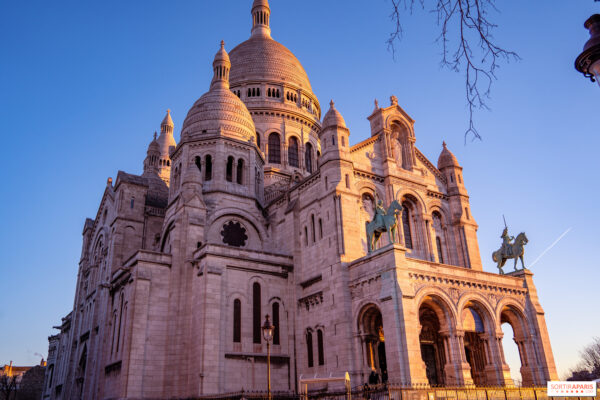
Sacré-Cœur is dedicated to the Sacred Heart of Jesus. It is a place of prayer, mercy, reparation, and Eucharistic adoration. While the streets of Montmartre are filled with tourists, artists, cafés, music, and movement, inside the basilica there is another rhythm — the rhythm of silence before Christ.
That contrast is what makes Sacré-Cœur unforgettable. Paris keeps moving. But on the hill, prayer continues.
For pilgrims, Sacré-Cœur is a place to bring the heart back to Christ. After the beauty, crowds, and noise of the city, the basilica asks something very simple: sit down, be still, and let the Sacred Heart receive what words cannot fully explain.
https://carnivalinus.com/city/paris/
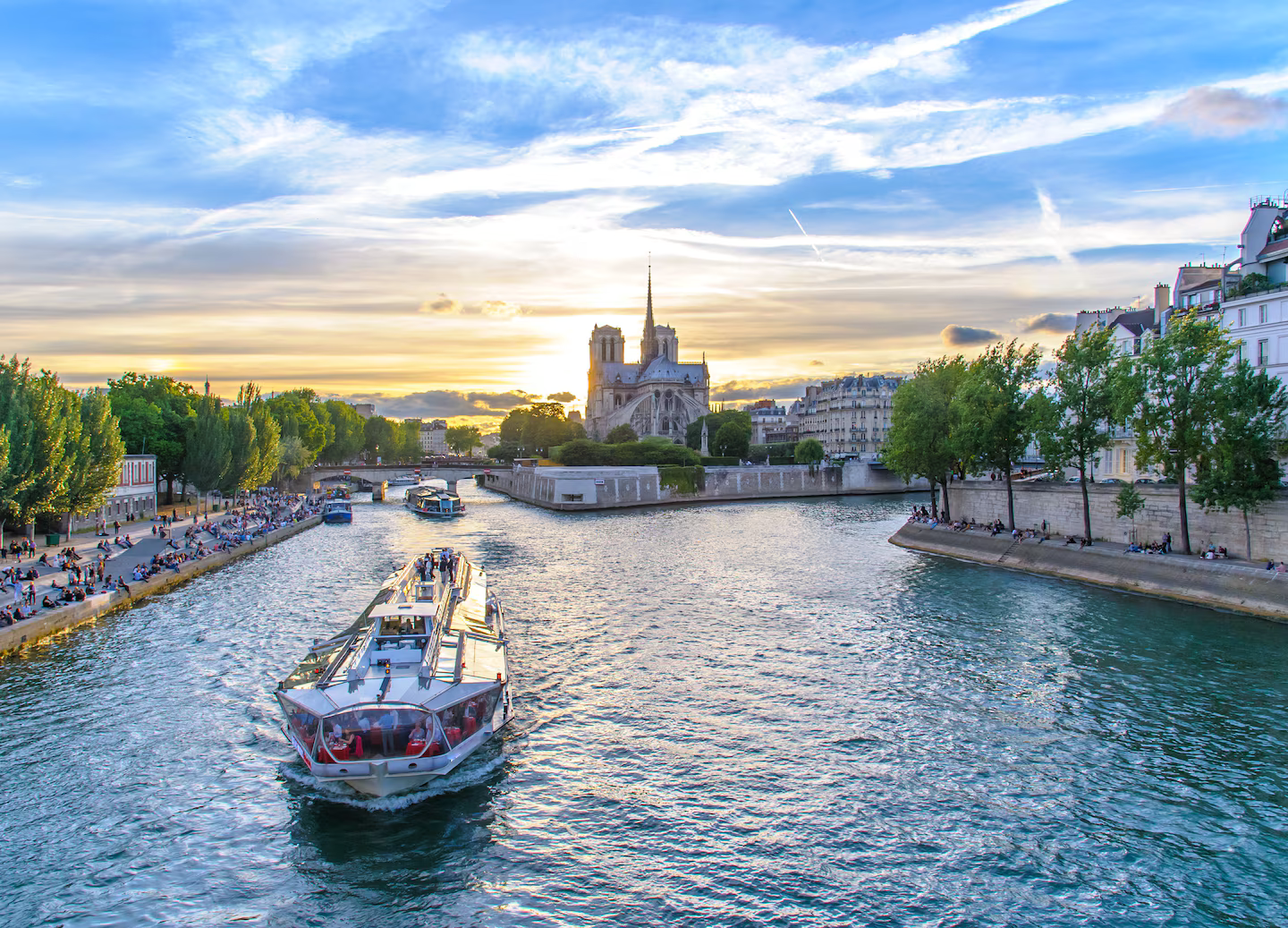
One of the most famous cathedrals in the world, located at the historic heart of Paris. After the 2019 fire and restoration, Notre-Dame has become a powerful symbol of faith, survival, and spiritual return.
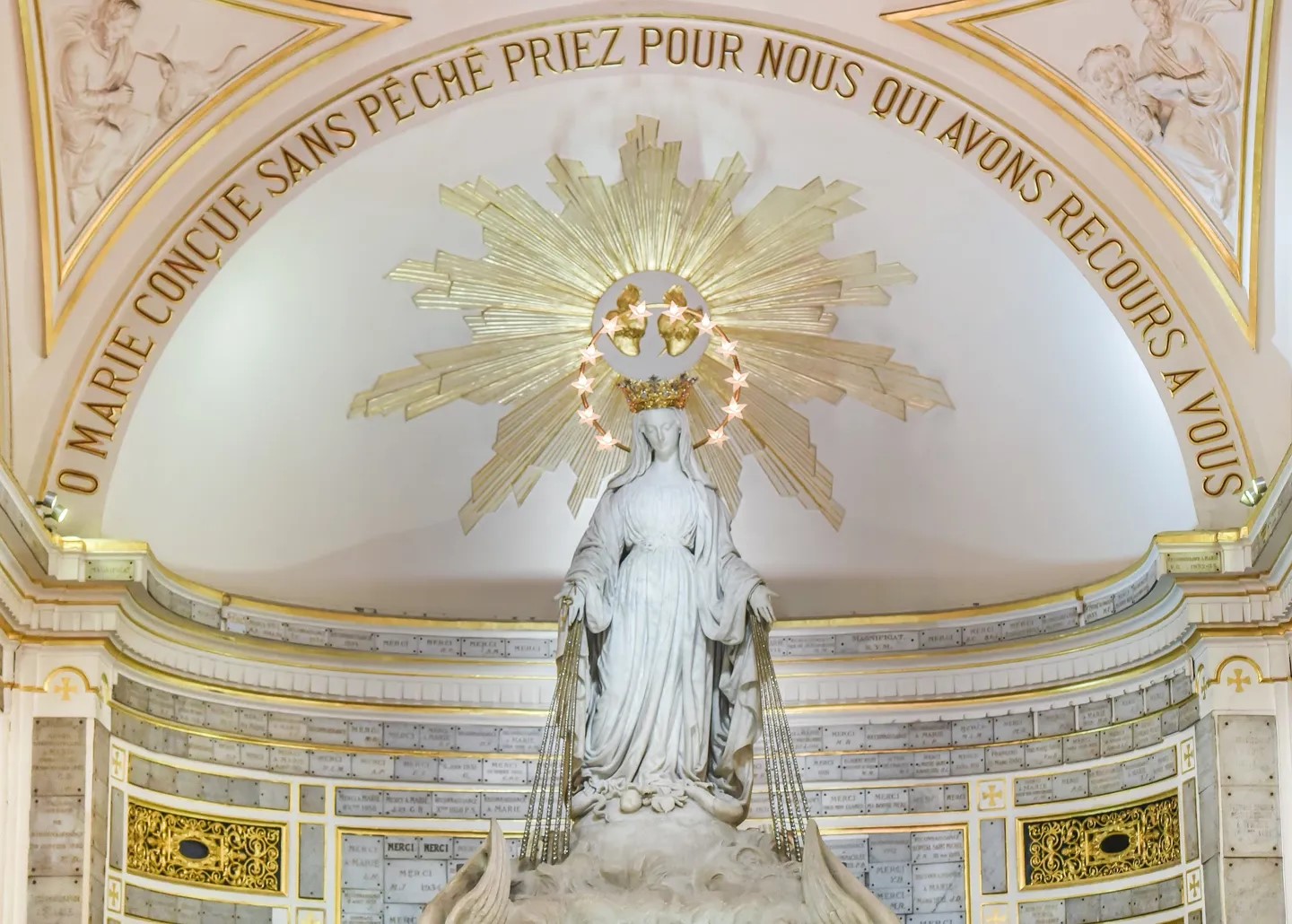
Located at 140 rue du Bac, this chapel is where Saint Catherine Labouré received the apparitions of the Blessed Virgin Mary in 1830. It is the birthplace of the Miraculous Medal devotion.
A hilltop basilica in Montmartre dedicated to the Sacred Heart of Jesus. It is known for prayer, mercy, reparation, and Eucharistic adoration above the city of Paris.
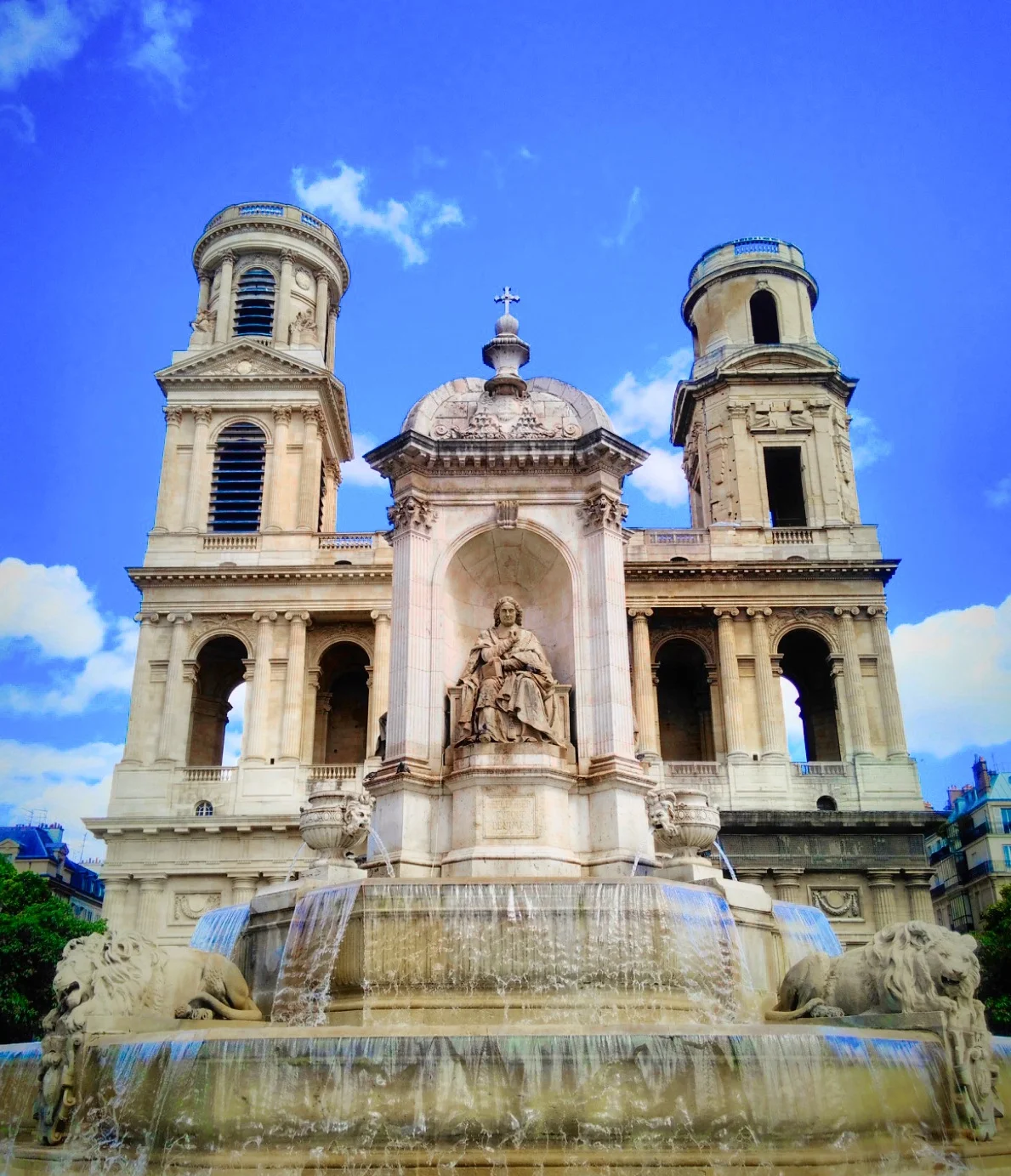
One of the largest churches in Paris, known for sacred art, historic Catholic life, and a quiet prayerful atmosphere away from the busiest tourist routes.
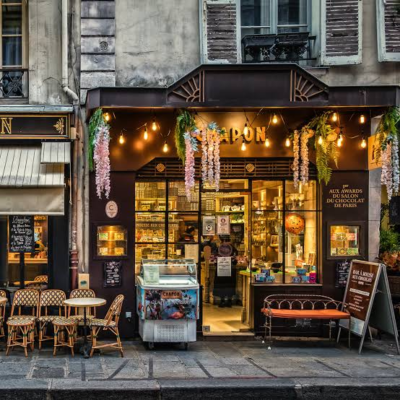
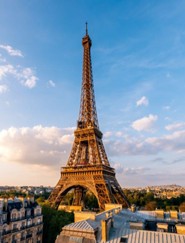
Paris is beautiful, but it is also busy and crowded. Pilgrims should prepare for walking, traffic, security lines, and many visitors around major churches and landmarks.
Wear comfortable walking shoes because the itinerary may include sidewalks, stairs, church floors, metro entrances, and long walking days.
Dress respectfully when entering churches. Shoulders and knees should be covered. A light scarf or jacket is helpful.
Keep personal belongings close, especially near Notre-Dame, Sacré-Cœur, metro stations, cafés, and crowded tourist areas. Carry bags in front of the body and avoid putting phones or wallets in back pockets.
Bring a small prayer intention list. Paris has many places where pilgrims may want to pray for family, healing, conversion, peace, and personal needs.
Prepare with patience. Paris can be crowded, and group movement may take time. A pilgrimage spirit means walking with peace, flexibility, and respect.
Visit Paris – Capital of France with Carnival US Travel
Our Paris – Capital of France pilgrimages include dedicated time at Paris – Capital of France — daily Mass, the Grotto and the Candlelight Procession