Pilgrimage Leisure

Chile

At the Edge of the World

🌍 South America
💰 Chilean Peso
Best: Oct-Apr
💬 Spanish/English
🕐

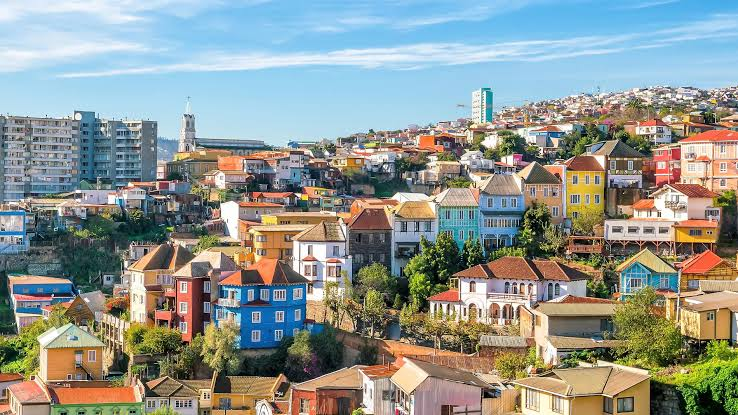
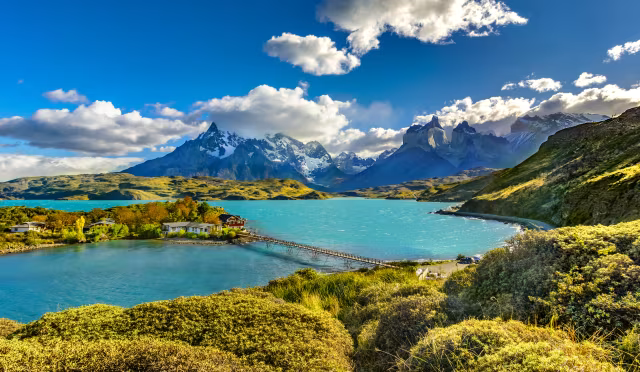
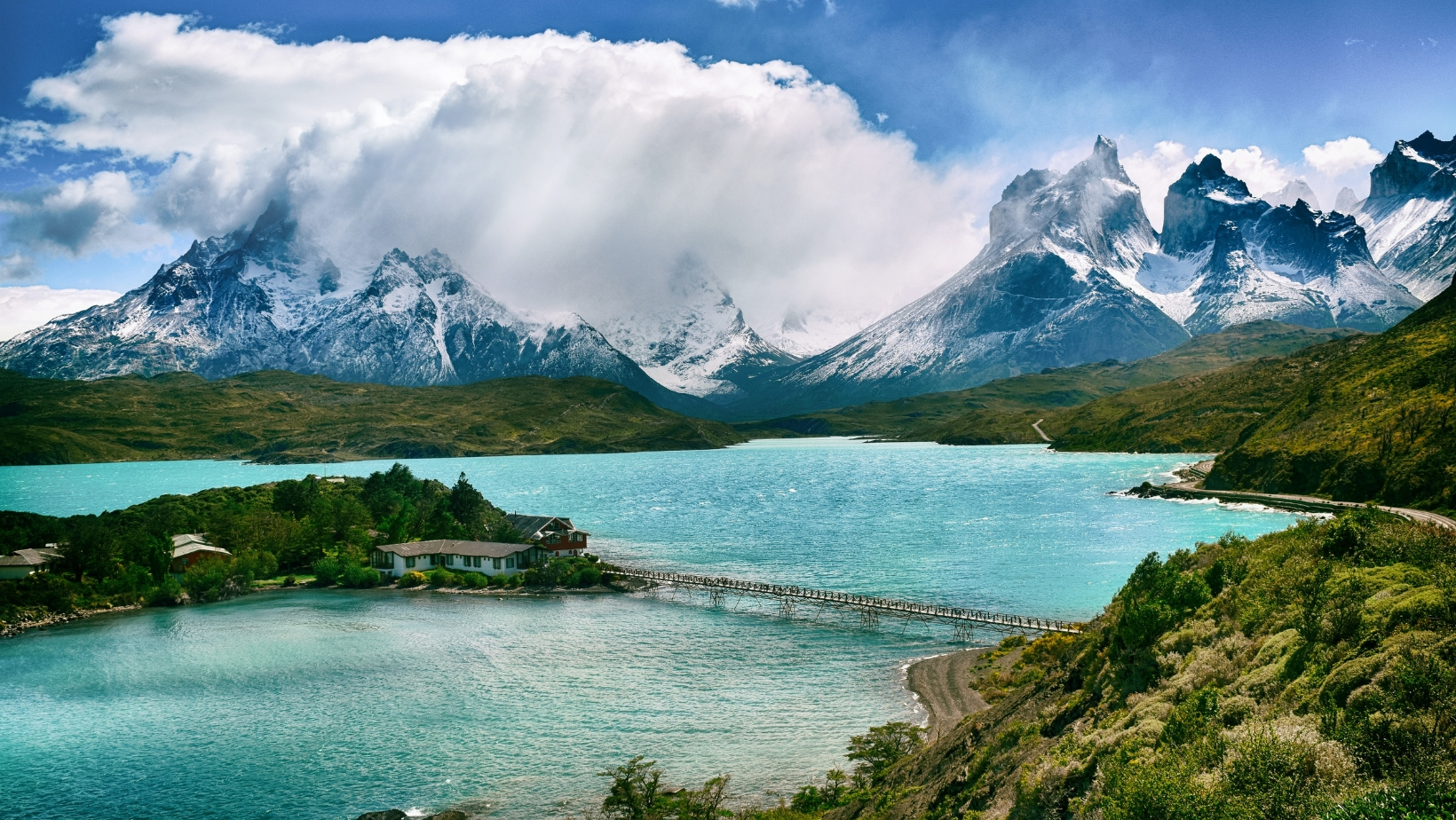
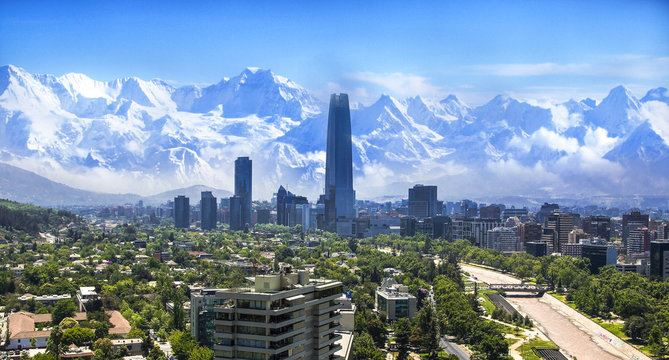
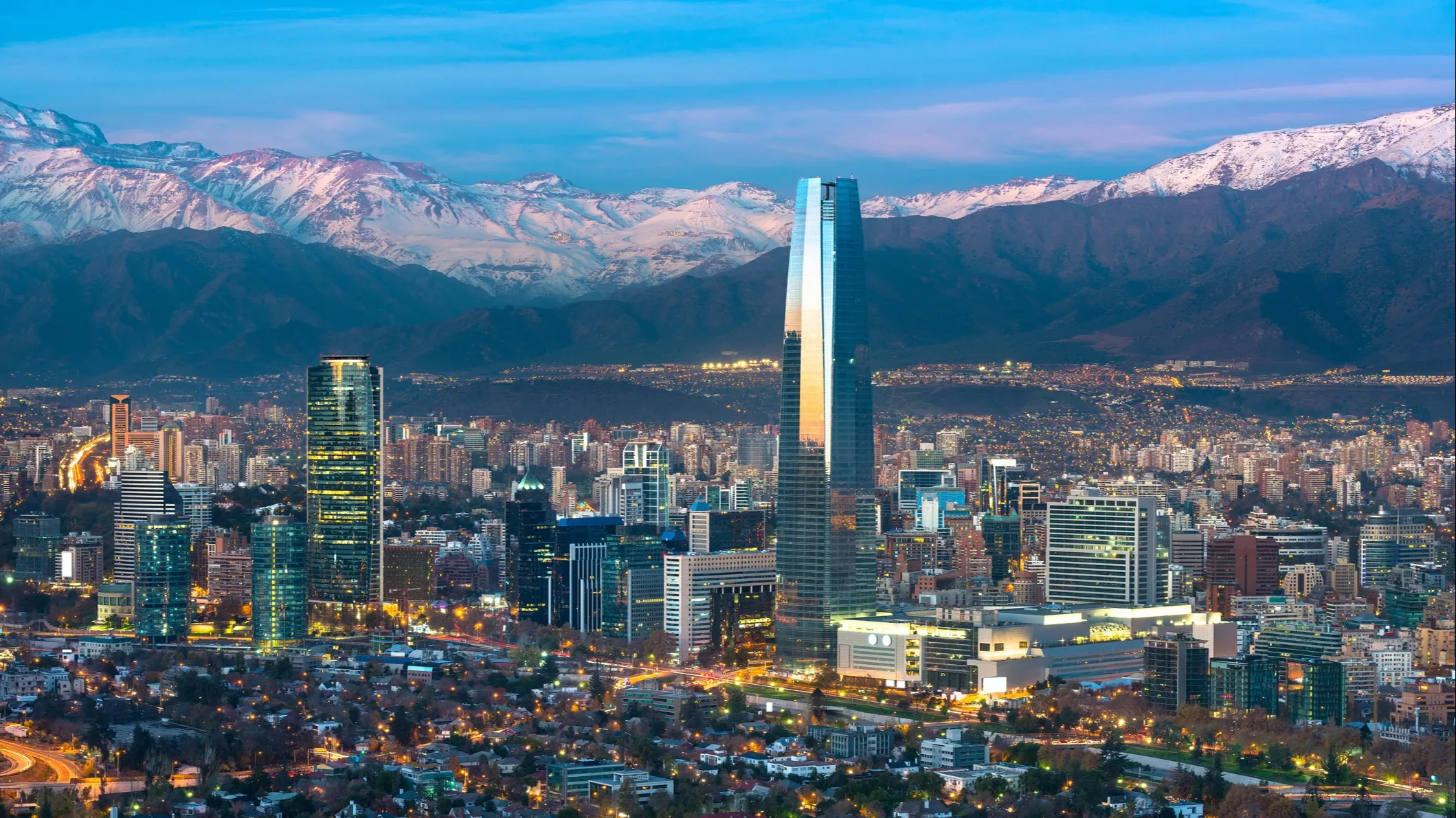
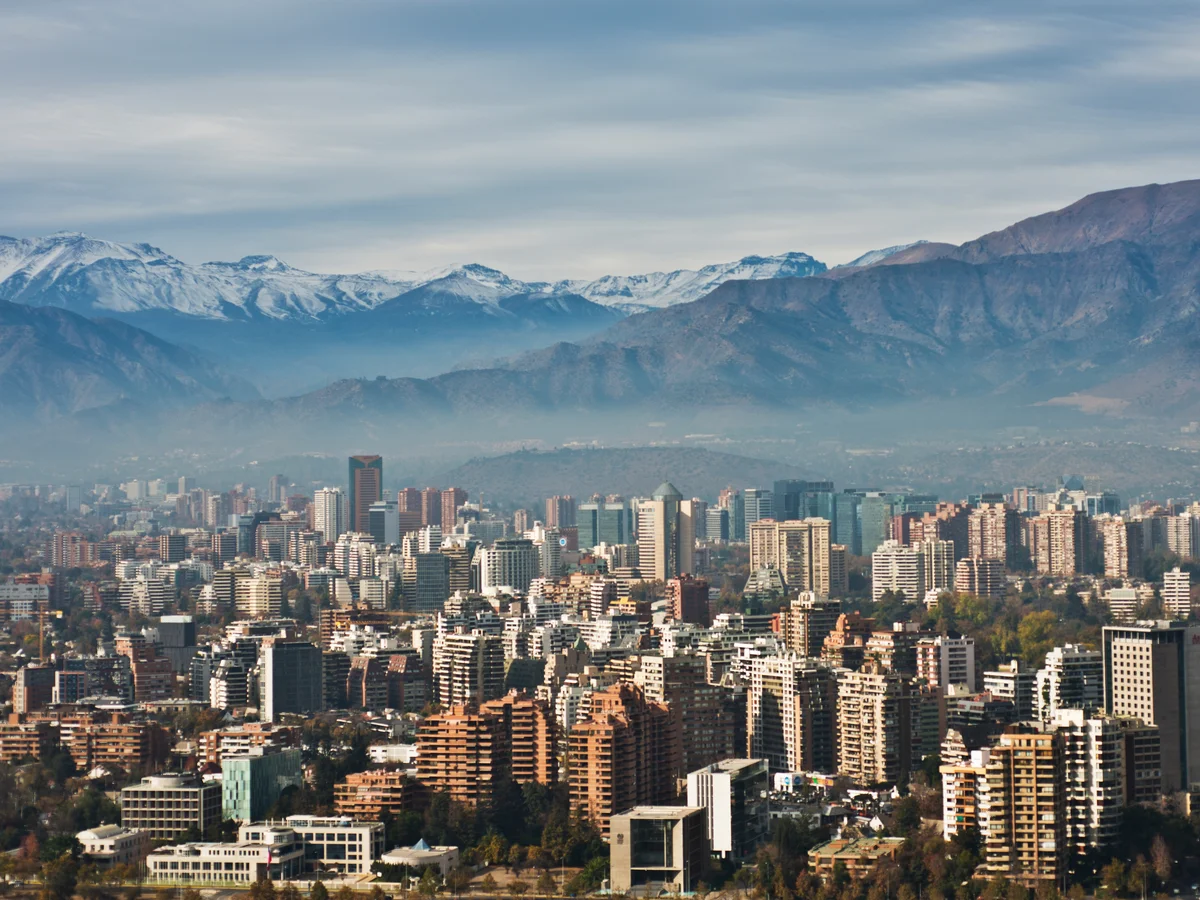
Chile is a land of dramatic contrasts, stretching along the Pacific coast between the Andes Mountains and the sea. From the modern capital of Santiago to the colorful hills of Valparaíso, from desert landscapes in the north to glaciers and lakes in the south, Chile offers travelers one of the most unique journeys in South America.

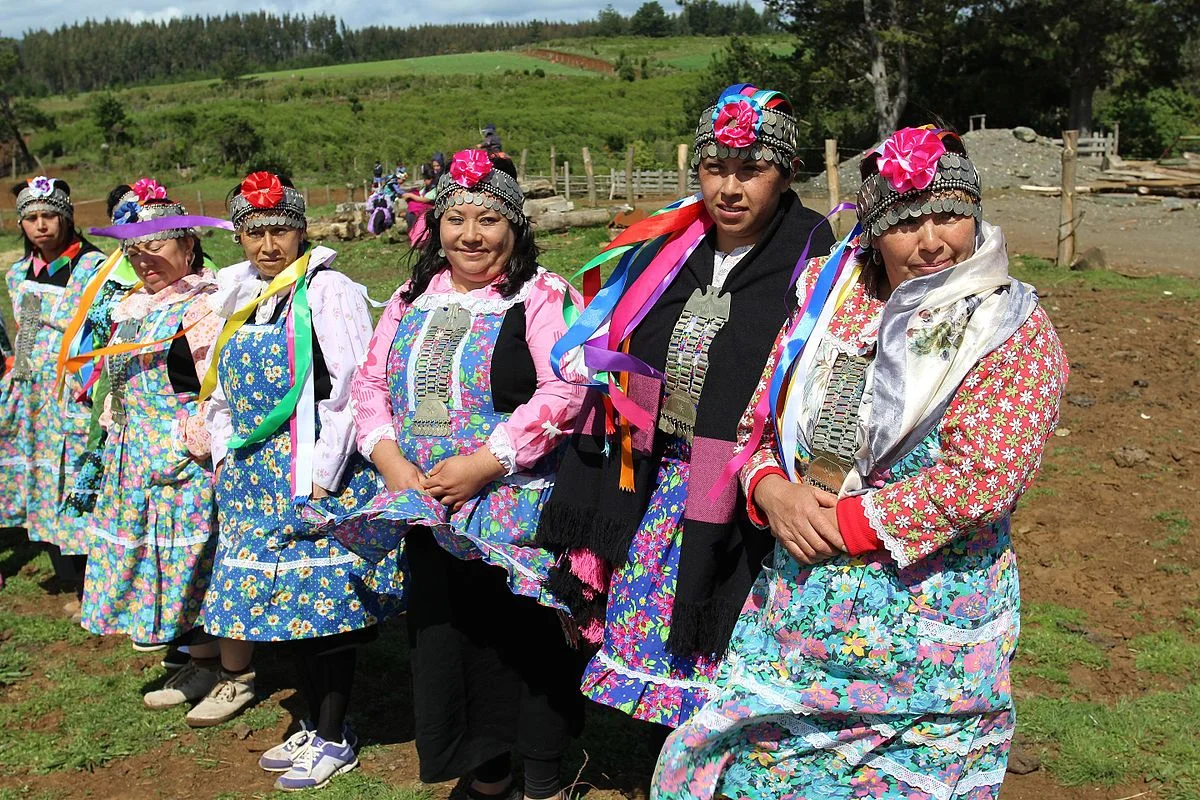
This destination invites travelers to experience natural beauty, Catholic heritage, local culture, and warm hospitality. Whether visiting historic churches, walking through lively city plazas, enjoying coastal views, or standing beneath the Andes, Chile offers a meaningful balance of pilgrimage, leisure, culture, and discovery.

Documents & Visa

U.S. citizens traveling to Chile for tourism usually do not need a tourist visa for stays of 90 days or less. Travelers should bring a valid passport with at least one blank page for the entry stamp.

Although Chile may only require the passport to be valid for the duration of the stay, Carnival US recommends that travelers have a passport valid for at least 6 months beyond the return date to avoid airline or connection issues.

Travelers should bring:
Original passport
Travel insurance information
Hotel list and itinerary
Emergency contact information
Copy or photo of passport
Any required documents for non-U.S. passport holders

Green Card holders, non-U.S. passport holders, and travelers with special travel documents should contact Carnival US as early as possible so visa requirements can be reviewed based on nationality and residency status.

Important reminder: Do not place passport, cash, bank cards, medication, or important documents in checked luggage. Keep them with you in your carry-on or personal bag.

Luggage

Each traveler should follow the baggage allowance listed on the airline ticket. Most international economy tickets usually allow 1 checked bag, 1 carry-on, and 1 personal item, but the final rule depends on the airline.

Recommended items:
Comfortable walking shoes
Light jacket or sweater
Modest clothing for churches and shrines
Sun hat or cap
Sunglasses
Sunscreen
Small umbrella or rain jacket
Personal medication
Phone charger and power bank
Universal travel adapter
Small backpack for daily tours
Copy of passport and travel documents

Chile has very different climates from north to south. Travelers visiting Santiago and Valparaíso should pack light layers. Travelers visiting Patagonia should bring warm clothing, wind protection, and waterproof outerwear. Travelers visiting Atacama should prepare for strong sun during the day and cold temperatures at night.

Hotels

Hotels in Chile may vary by region. Hotels in Santiago and major tourist areas are usually modern and comfortable. Hotels in smaller towns, Patagonia, Atacama, or remote areas may be simpler.

Hotel reminders:
Check-in is usually in the afternoon
Check-out is usually late morning
Some rooms may be smaller than U.S. hotel rooms
Use the hotel safe for passports, cash, and valuables
Check the safe, drawers, outlets, bathroom, and closet before leaving
Keep your room key and hotel card with you
Drink bottled water if your stomach is sensitive
Ask the tour leader before leaving the hotel alone

Travelers should prepare personal medication for headache, stomach discomfort, allergies, motion sickness, cold symptoms, and minor injuries.

Flights & Airport

The main international airport in Chile is Arturo Merino Benítez International Airport in Santiago, also known as Santiago International Airport.

Main airport:
Santiago International Airport / Arturo Merino Benítez International Airport (SCL)

Other possible airports depending on the itinerary:
Calama Airport (CJC) for Atacama
Puerto Montt Airport (PMC) for the Lake District
Punta Arenas Airport (PUQ) for Patagonia
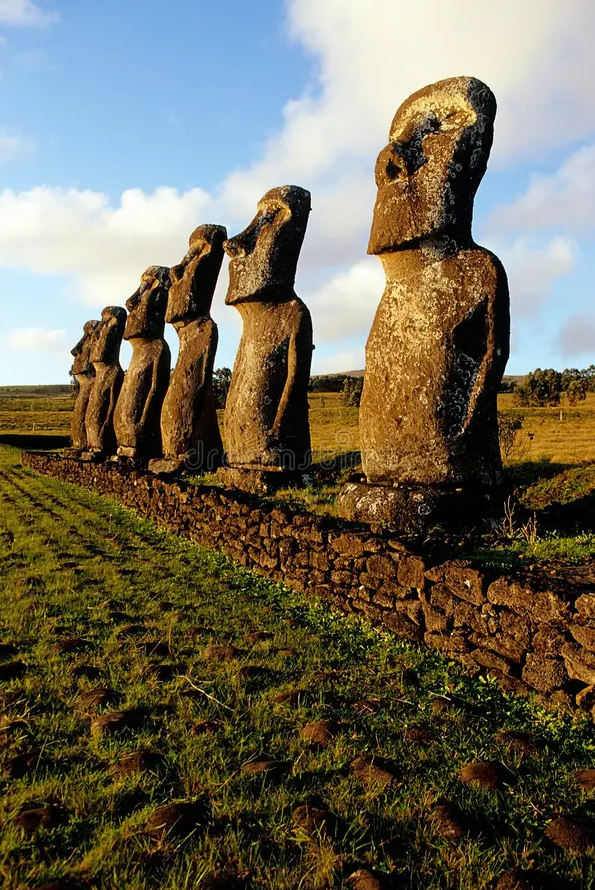
Mataveri International Airport (IPC) for Easter Island / Rapa Nui

Travelers should arrive at the airport at least 3 hours before international flights. For domestic flights within Chile, travelers should allow extra time because Chile is a long country and domestic travel may involve early flights, luggage checks, and long airport transfers.

US Customs & Border

When returning to the United States, travelers must follow U.S. Customs and Border Protection rules.

Keep receipts for valuable purchases and souvenirs. Do not bring back restricted items such as fresh fruit, meat, plants, seeds, soil, or agricultural products unless they are allowed under U.S. rules.

Chile is known for strict agricultural controls. Travelers should be careful not to carry fresh fruit, snacks with restricted ingredients, or agricultural items across borders without declaring them.

Do not carry luggage, packages, or goods for another person, even if they are a friend or a member of the group. Each traveler should pack and control their own luggage.

Money & Payment

The local currency is the Chilean Peso (CLP). Credit cards are widely accepted in major cities, hotels, restaurants, supermarkets, and tourist areas. Cash is still useful for small purchases, tips, local markets, restrooms, snacks, and small donations at churches.

Money tips:
Notify your bank before international travel
Use ATMs located inside banks, malls, hotels, or secure areas
Carry small bills in Chilean pesos
Do not exchange money with strangers on the street
Check exchange rates and fees before confirming any transaction
Keep cash and cards in separate places
Use credit cards carefully in crowded areas

U.S. dollars may be accepted in some hotels or tourism services, but daily purchases are usually easier with Chilean pesos or credit cards.

Tax Return

Chile does not work exactly like the European VAT refund system. Tax-free shopping rules and tourist benefits may vary by store, hotel, and current regulations.

Foreign tourists may receive special tax treatment for certain hotel stays when the hotel is properly registered and payment is made according to the required rules, often in foreign currency. Travelers should ask the hotel or tour provider before payment.

For shopping purchases, travelers should ask the store directly if any tax-free or refund program is available. Keep all receipts, passport information, and purchased items if a refund process is offered.

Important reminders:
Not all purchases qualify
Not all stores participate
Restaurant meals and services usually do not qualify
Rules may change, so confirm locally before purchase

Weather & Clothing
Season Location Average Temp Notes
Spring: September – November Santiago / Central Chile 50°F -75°F Pleasant weather, flowers, comfortable city walking. Good season for pilgrimage and sightseeing.
Summer: December – February Santiago / Central Chile 60°F – 90°F Warm and dry. Bring sunscreen, hat, sunglasses, and water.
Autumn: March – May Santiago / Central Chile 45°F – 75°F Mild and beautiful. Good for city tours, vineyards, and coastal visits.
Winter: June – August Santiago / Central Chile 35°F – 60°F Cooler weather, possible rain. Bring a jacket and layers.
Pilgrimage Clothing

When visiting churches, cathedrals, shrines, and pilgrimage sites, travelers should dress modestly and respectfully.

Recommended clothing:
Shirts that cover shoulders
Pants, long skirts, or dresses below the knee
Comfortable walking shoes
Light scarf or shawl when needed
No revealing clothing inside religious sites
Light jacket for cool mornings or evenings
Sun protection for outdoor shrines and walking tours

Chile’s pilgrimage sites may include city churches, hilltop sanctuaries, outdoor plazas, and shrines. Comfortable shoes and layered clothing are important.

Communication & Internet

Wi-Fi is available in most hotels, airports, restaurants, and many tourist areas. Travelers may also purchase an eSIM or local SIM card for easier communication during the trip.

WhatsApp is commonly used for group communication. Travelers should make sure their phone is unlocked before buying a local SIM card.

Internet may be weaker in remote regions such as Patagonia, Atacama, mountain areas, or Easter Island. Download the itinerary, hotel names, maps, and emergency contacts before leaving the hotel.

Emergency Numbers

Ambulance / Medical Emergency: 131
Fire Department: 132
Police / Carabineros: 133
Investigative Police / PDI: 134
U.S. Embassy Santiago: +56 2 2330 3000

Travelers should also keep the tour leader’s phone number, hotel address, bus information, and Carnival US emergency contact information with them at all times.

Electricity

Chile uses 220V electricity and 50Hz frequency.

Common plug types:
Type C
Type L

Travelers from the United States should bring a universal travel adapter. Most phone chargers, laptop chargers, and camera chargers are dual voltage, but travelers should check the label before plugging in.

Hair dryers, curling irons, and other heat appliances may require a voltage converter if they are not dual voltage.

Safety

Chile is a beautiful and popular travel destination, but travelers should stay alert, especially in large cities, markets, public transportation areas, and crowded tourist sites.

Safety tips:
Stay with the group during tours
Watch for pickpockets in crowded areas
Keep bags in front of the body
Do not keep phones or wallets in back pockets
Avoid showing large amounts of cash
Do not walk alone late at night
Use approved transportation or tour buses
Be careful when crossing streets
Follow the tour guide’s instructions
Keep a copy of your passport separate from the original
Drink bottled water if you have a sensitive stomach

In Santiago and Valparaíso, travelers should be especially careful in busy downtown areas, markets, metro stations, scenic viewpoints, and crowded public spaces.

Food & Dining

Chilean food is influenced by the Pacific Ocean, the Andes, Spanish traditions, local ingredients, and regional cultures. Meals may include seafood, beef, chicken, potatoes, corn, beans, bread, soups, and fresh fruit.

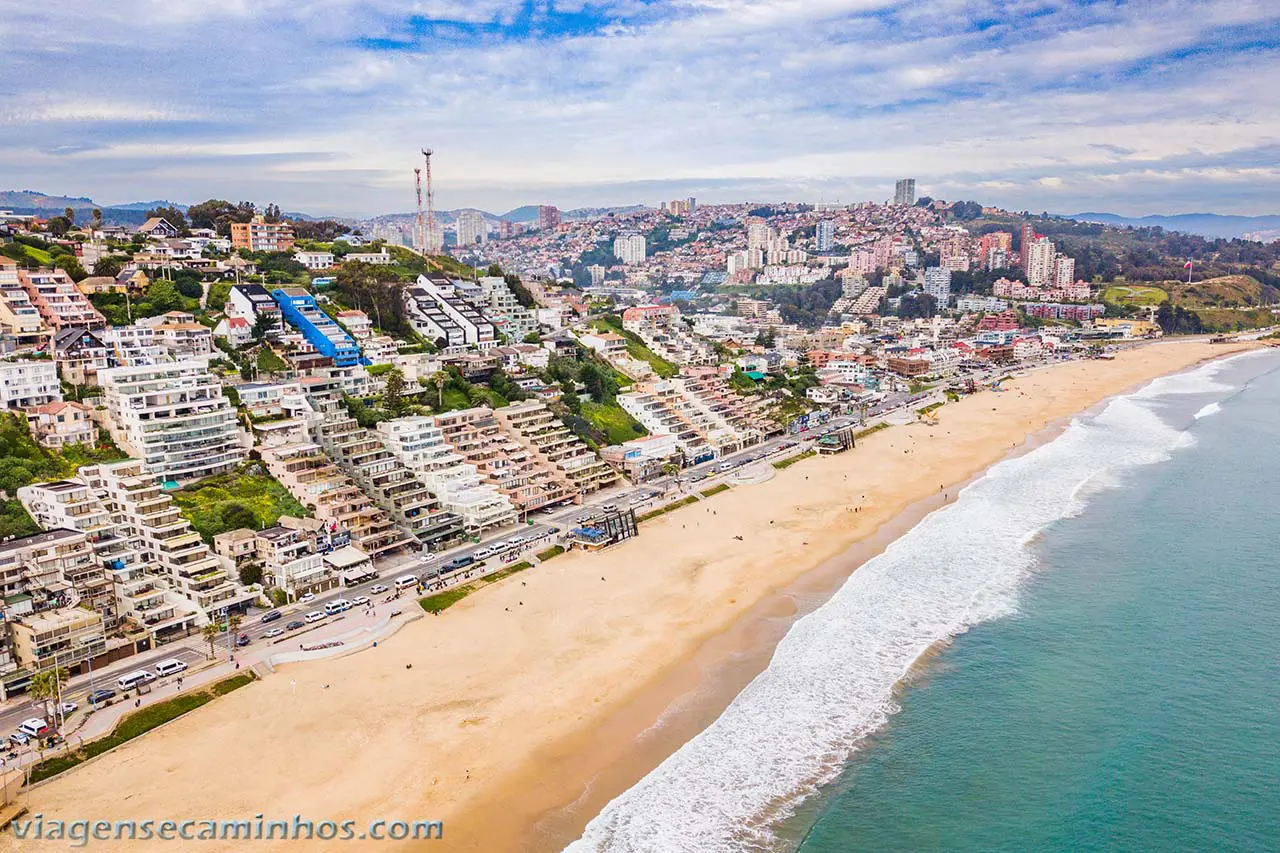
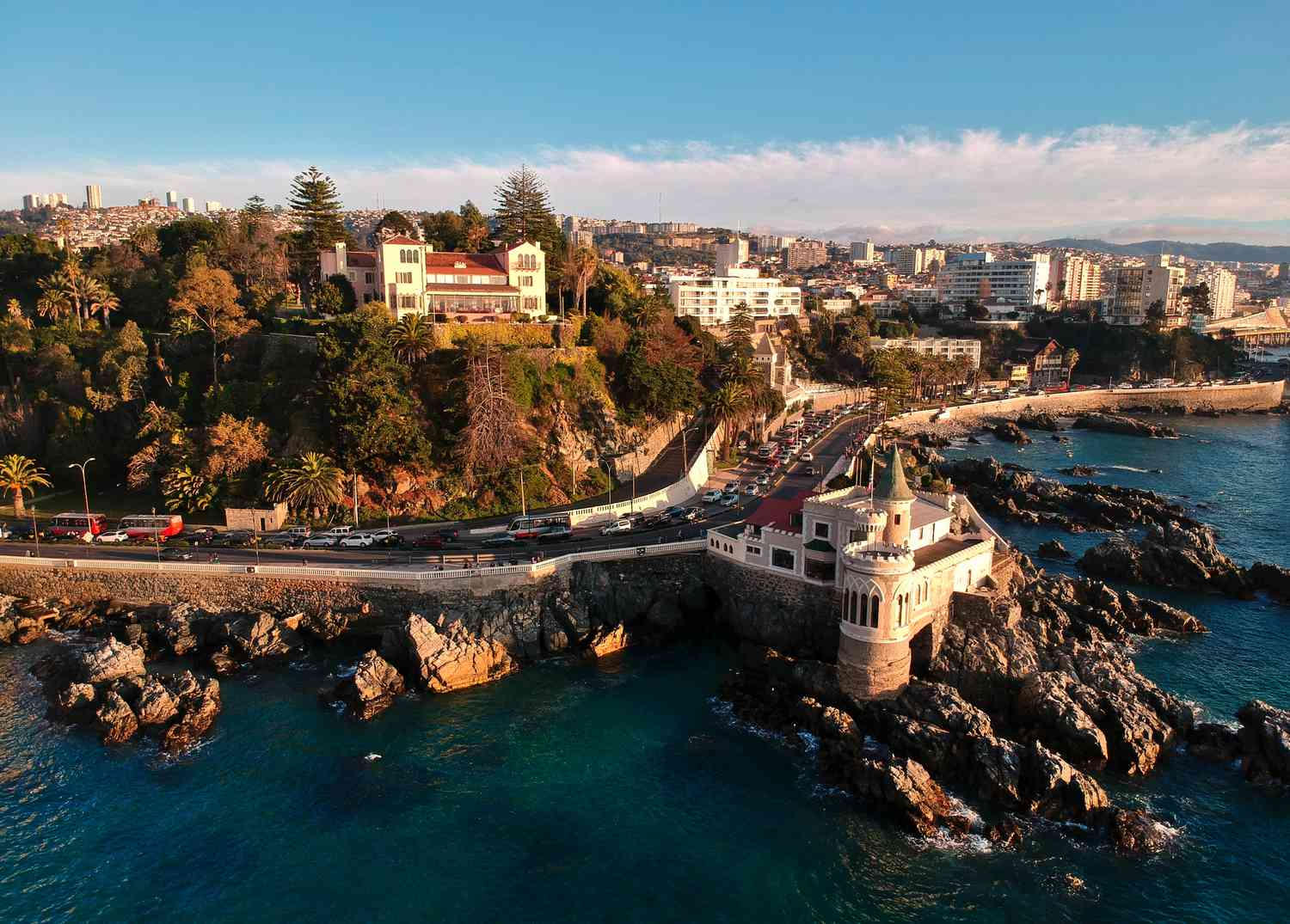
Popular foods to try include empanadas, pastel de choclo, cazuela, seafood dishes, completos, humitas, and Chilean desserts. In coastal areas such as Valparaíso or Viña del Mar, seafood is especially common.

Travelers with food allergies or dietary restrictions should notify Carnival US in advance. Options may depend on the restaurant and region.

Dining tips:
Breakfast is often served at the hotel
Lunch and dinner times may be later than in the U.S.
Seafood is common in coastal areas
Ask before eating raw seafood if you have a sensitive stomach
Drink bottled water if needed
Bring snacks for long transfer days

Local Cuisine
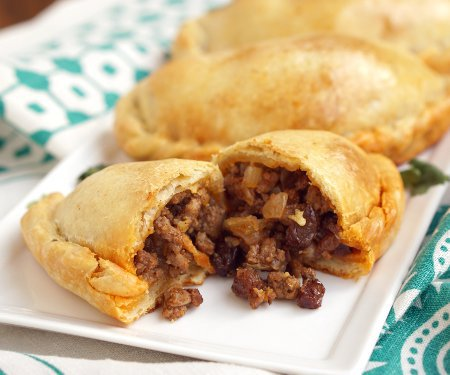
Empanada de Pino
Empanada de Pino
A classic Chilean pastry filled with beef, onions, egg, olives, and spices. It is one of the most traditional foods in Chile.
Pastel de Choclo
Pastel de Choclo
A baked corn pie usually made with ground beef, chicken, onions, olives, and sweet corn topping. A comforting traditional dish.
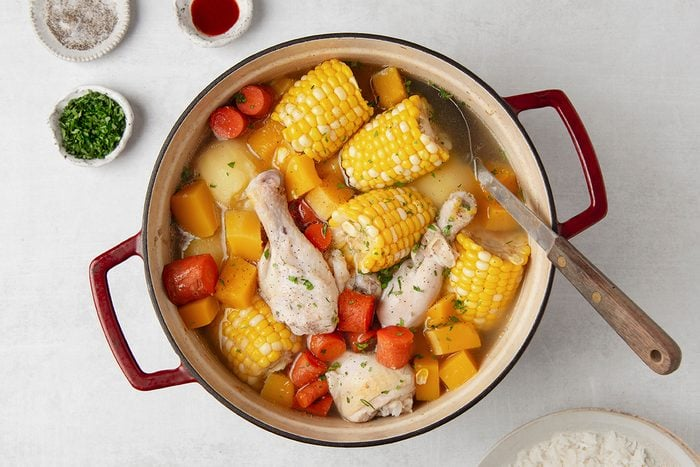
Cazuela
Cazuela
A warm Chilean soup made with meat, potatoes, corn, pumpkin, rice, and vegetables. Good for travelers who prefer a lighter, home-style meal.
Completo
Completo
Chile’s version of a hot dog, often topped with avocado, tomato, mayonnaise, and sauces. A popular casual food.
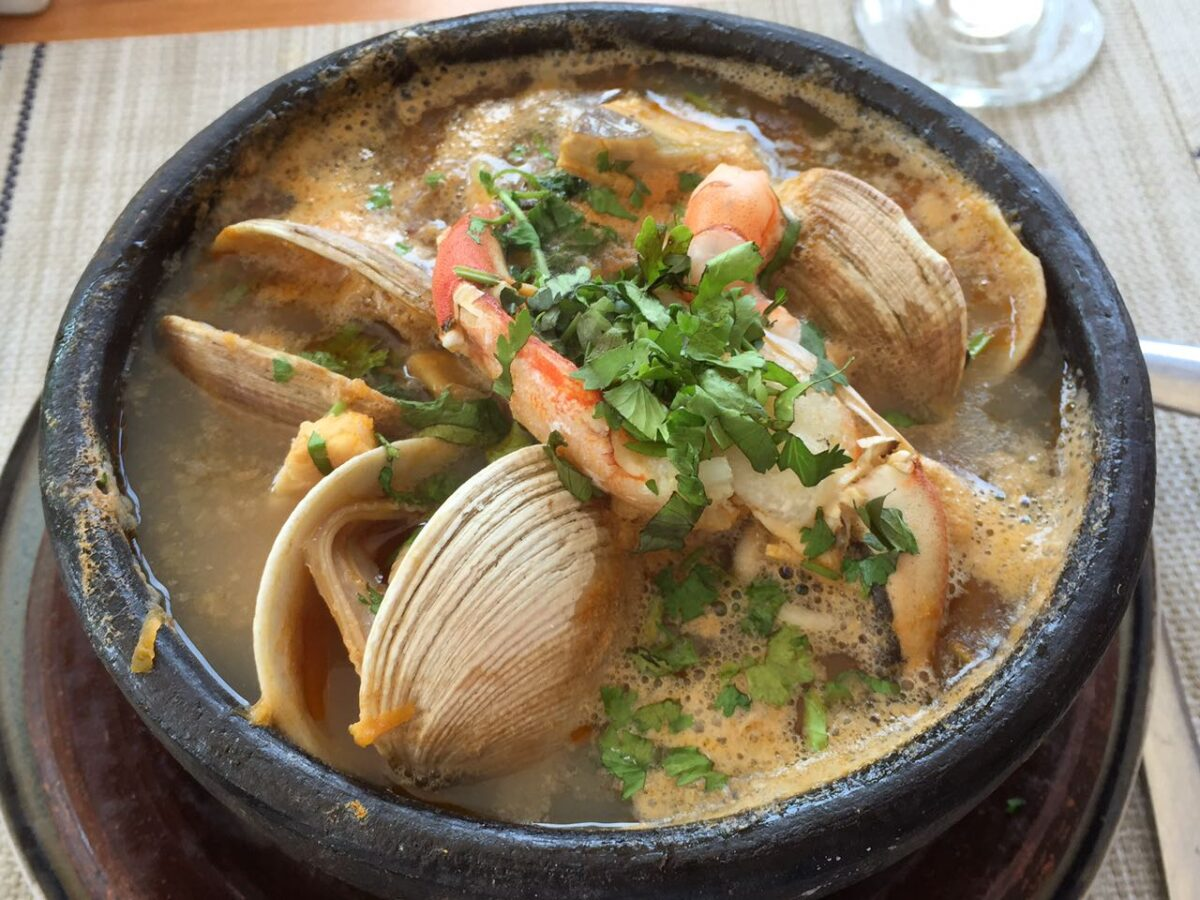
Chilean Seafood
Chilean Seafood
Coastal Chile offers fish, shellfish, and seafood dishes, especially around Valparaíso, Viña del Mar, and southern regions.
Pilgrimage Site Overview

Chile holds a special place in the Catholic life of South America. Its churches, shrines, and saints reflect a faith shaped by family, service, sacrifice, and devotion. From the Metropolitan Cathedral of Santiago to the Sanctuary of Saint Teresa of Los Andes and the Shrine of Saint Alberto Hurtado, Chile invites pilgrims to encounter a living faith rooted in both prayer and action.

A pilgrimage to Chile is a journey of trust, service, and spiritual renewal. Pilgrims are invited to pray for family, youth, healing, and the courage to serve others with humility. Through Mary’s protection, the witness of Chilean saints, and the beauty of the Andes, this journey helps travelers reflect on how faith can be lived with simplicity, strength, and love.

Metropolitan Cathedral of Santiago
The main Catholic cathedral of Santiago, located at Plaza de Armas. A central place for prayer, history, and Catholic life in Chile.
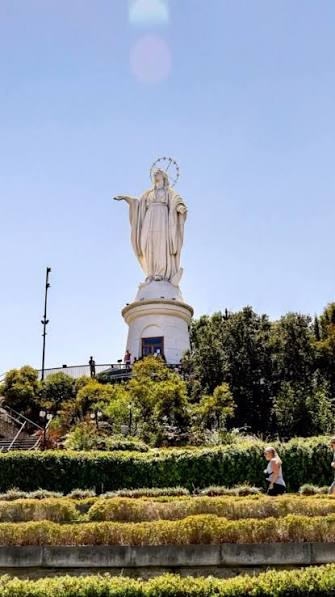
Sanctuary of the Immaculate Conception / Cerro San Cristóbal
A hilltop Marian sanctuary overlooking Santiago, known for its statue of the Virgin Mary and panoramic city views.
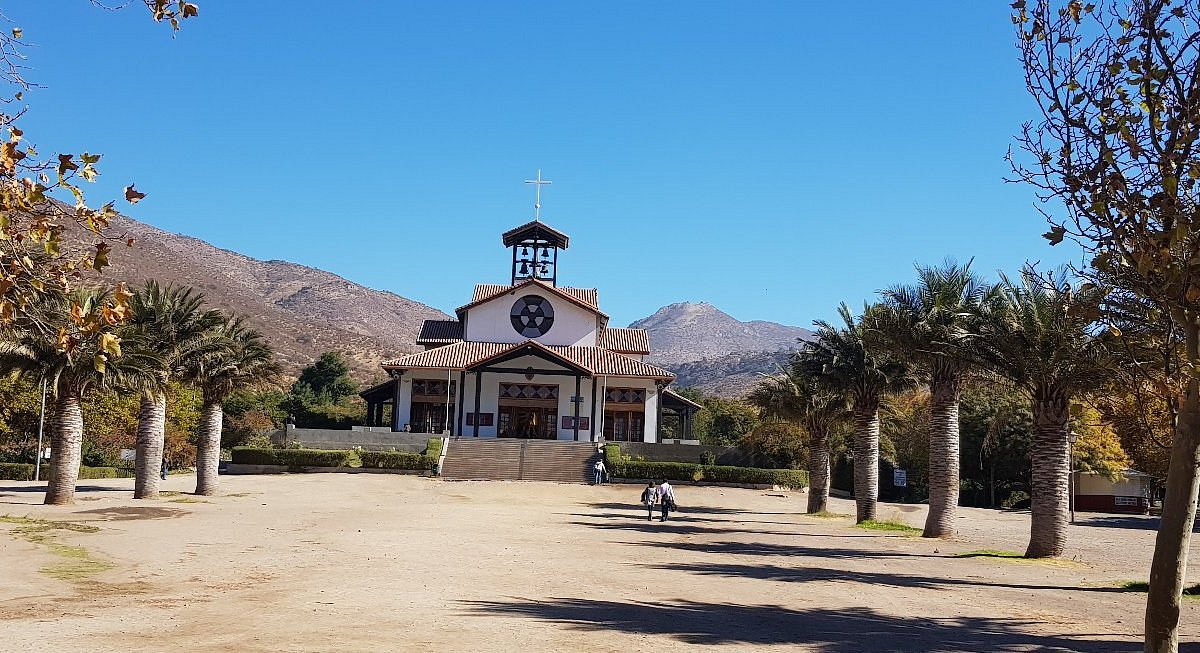
Sanctuary of Saint Teresa of Los Andes
A major pilgrimage site dedicated to Chile’s first canonized saint, known for her deep spiritual life and Carmelite vocation.
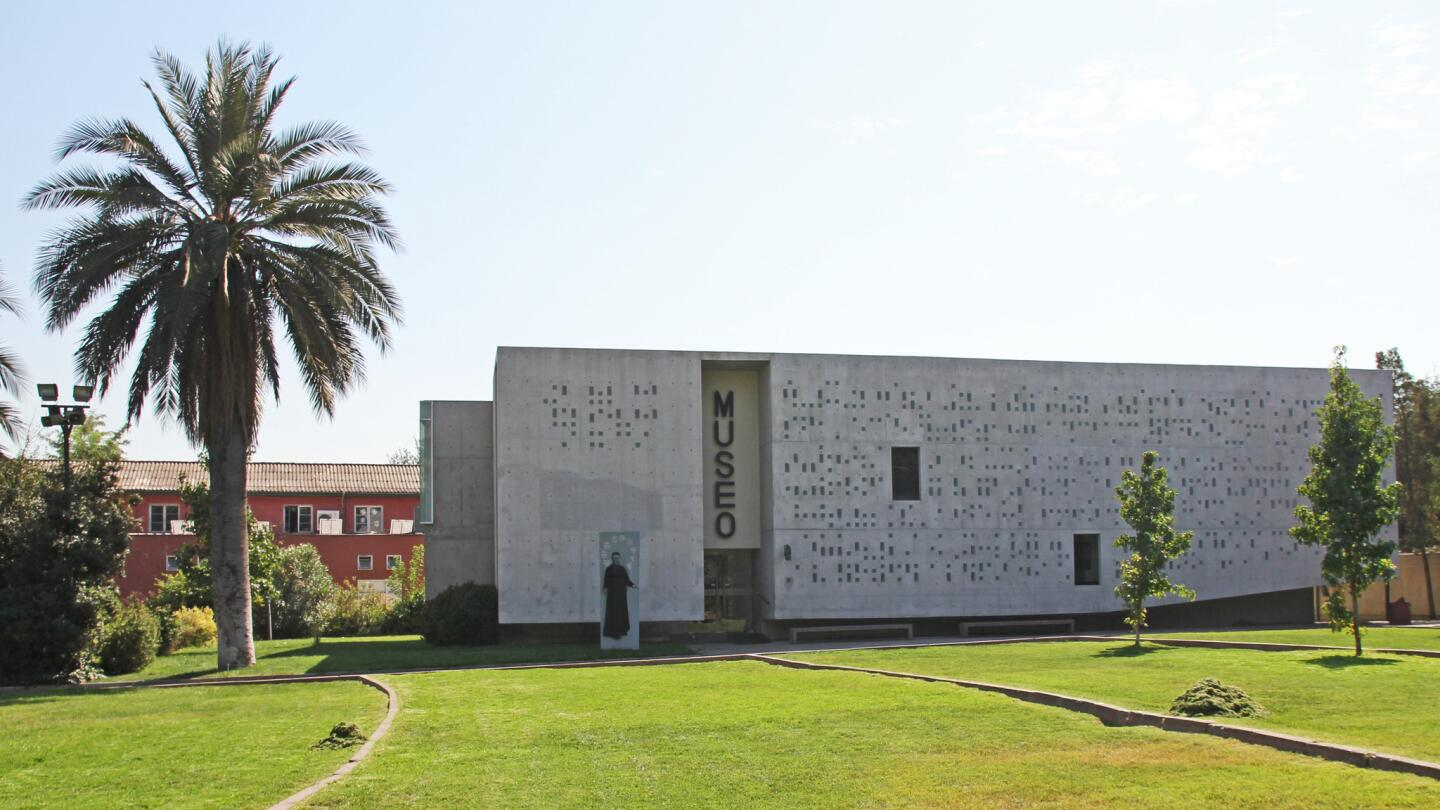
Shrine of Saint Alberto Hurtado
A meaningful place honoring Saint Alberto Hurtado, a Chilean Jesuit known for his service to the poor and commitment to social justice.

Ready to Visit Chile?

Explore our curated journeys to this destination