Hotel phone calls can be expensive. Travelers are encouraged to use an eSIM, local SIM card, or international roaming plan from the United States.
International roaming plans from U.S. carriers such as Verizon, AT&T, or T-Mobile often cost around $10–$12 per day, depending on the carrier and plan.
An eSIM can be a convenient option if the traveler’s phone supports it. Travelers are encouraged to install and set up the eSIM before leaving the United States or immediately after arrival.
Hotel Wi-Fi is usually available, but travelers should not depend on it completely, especially in mountain areas or remote routes. It is recommended to save hotel addresses, tour leader contact numbers, guide phone numbers, and meeting points offline.
Travelers may use iMessage, Viber, WhatsApp, or other internet-based apps to contact family and friends when Wi-Fi or mobile data is available.
For group travel, travelers should make sure their phone is charged each morning and should carry a small power bank in their personal bag.
Emergency Numbers
In case of an emergency in Peru, travelers may call:
105 – Police emergency
106 – Ambulance / medical emergency
116 – Fire department
911 – Emergency number available in some areas and mobile networks
For a real emergency, travelers should contact the tour guide immediately if possible and follow local emergency instructions.
If travelers are separated from the group, they should stay in a visible and easy-to-recognize location and call the tour guide immediately.
If travelers lose an item at a hotel, airport, restaurant, church, pilgrimage site, archaeological site, or tourist area, they should report it to the nearest staff member, security point, or tour guide as soon as possible.
For minor health issues, especially altitude-related symptoms, inform the tour guide immediately so they can help contact the hotel, local guide, pharmacy, clinic, or emergency service if needed.
Electricity
Peru uses electricity at approximately 220V / 60Hz.
Plug types in Peru may vary, and travelers may encounter Type A, Type B, and Type C outlets depending on the hotel or location. Because outlet types are not always consistent, travelers should bring a universal travel adapter.
Before using hair dryers, curling irons, electric shavers, chargers, or other electronic devices, please check that the device supports 100–240V. If a device only supports 110V, a voltage converter may be needed.
Power banks should always be packed in carry-on luggage and must not be placed in checked baggage.
Safety
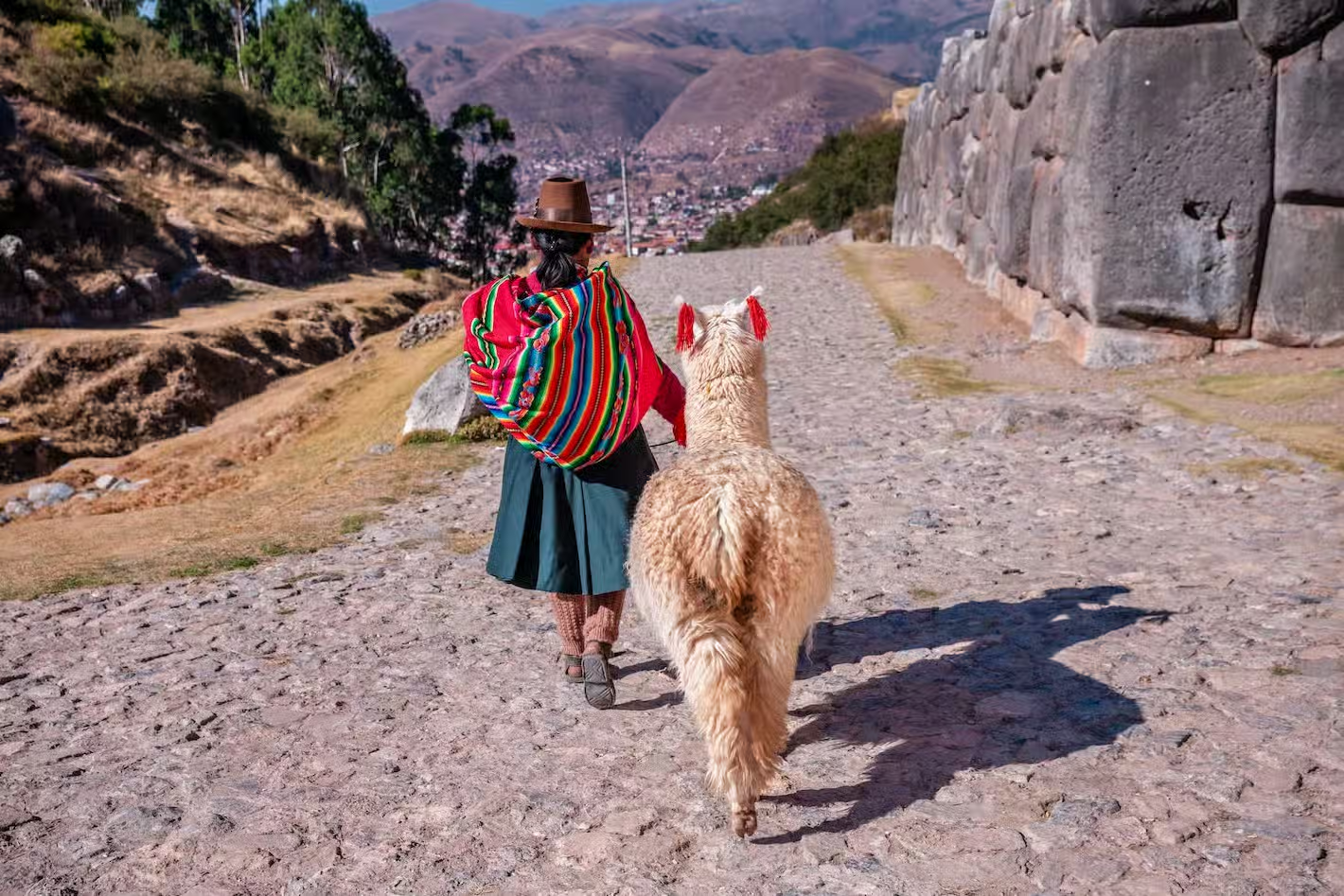
Peru is a beautiful and meaningful destination with Catholic heritage, ancient civilizations, mountain landscapes, and rich local culture. However, travelers should remain aware of their surroundings, especially in crowded areas such as airports, markets, train stations, plazas, churches, restaurants, tourist attractions, and archaeological sites.
Travelers should keep passports, cash, bank cards, phones, and important documents secure at all times. Do not keep all valuables in one bag, and avoid placing your wallet or phone in your back pocket. A crossbody bag or front-worn bag is recommended for daily sightseeing.
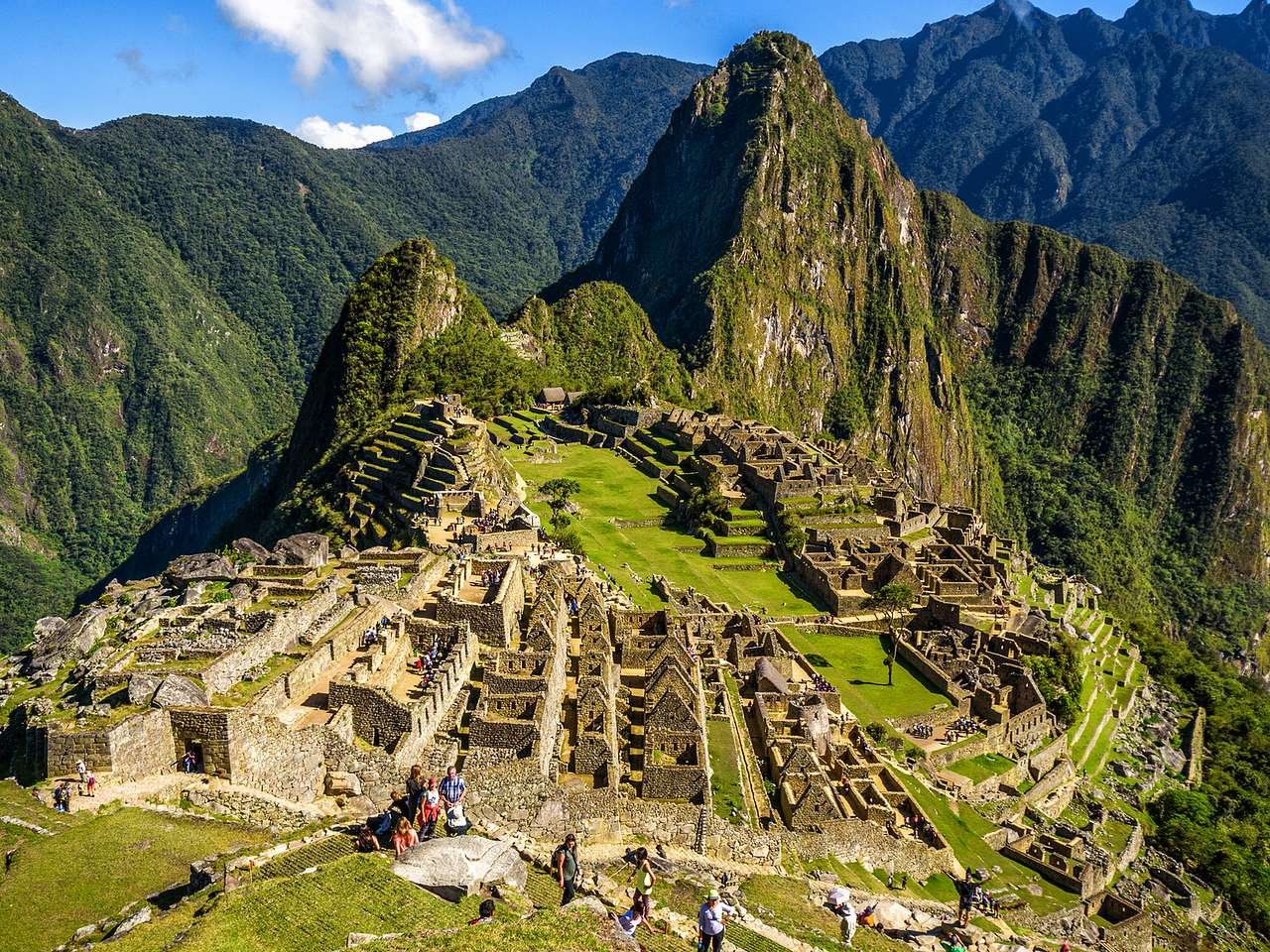
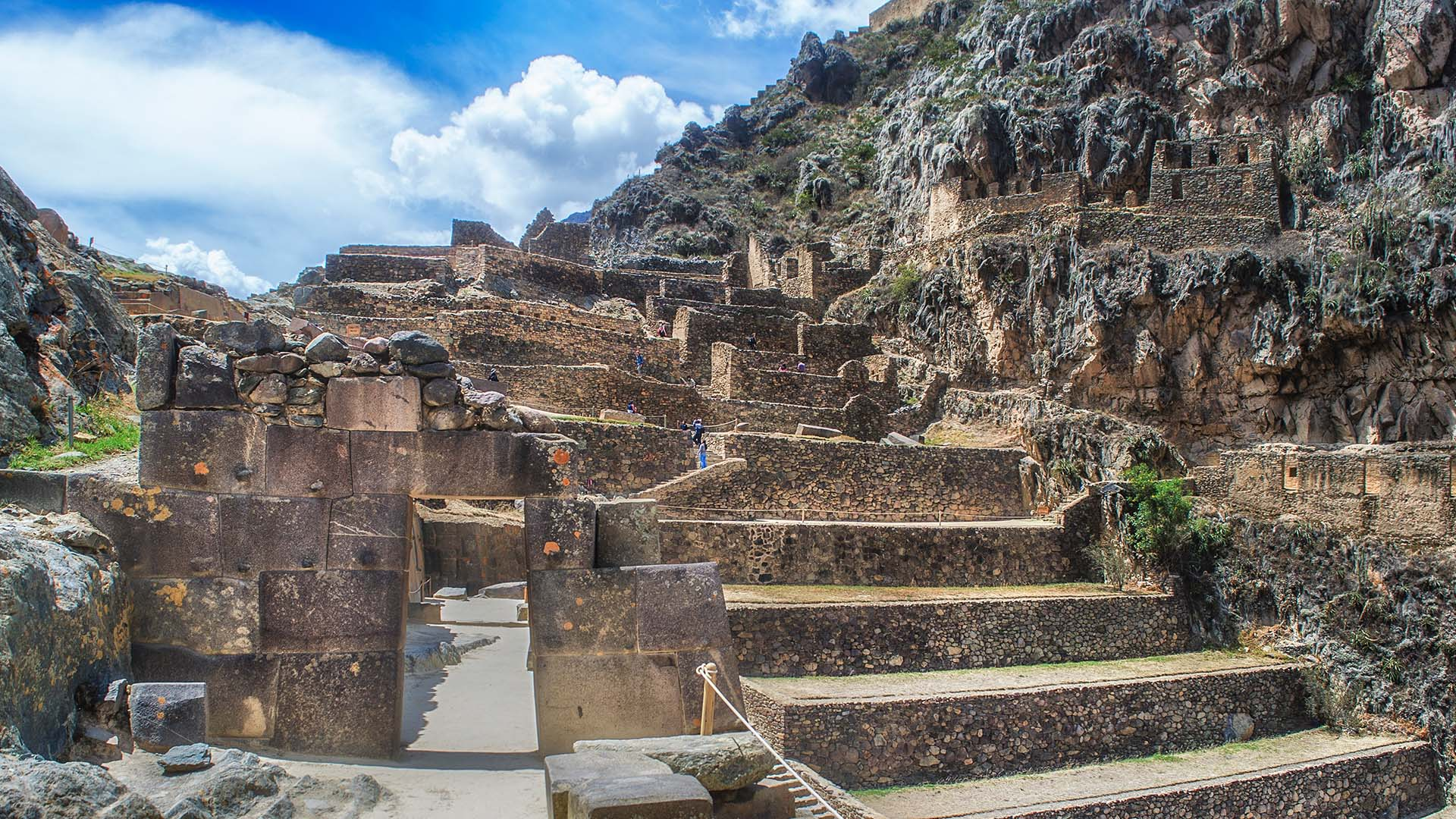
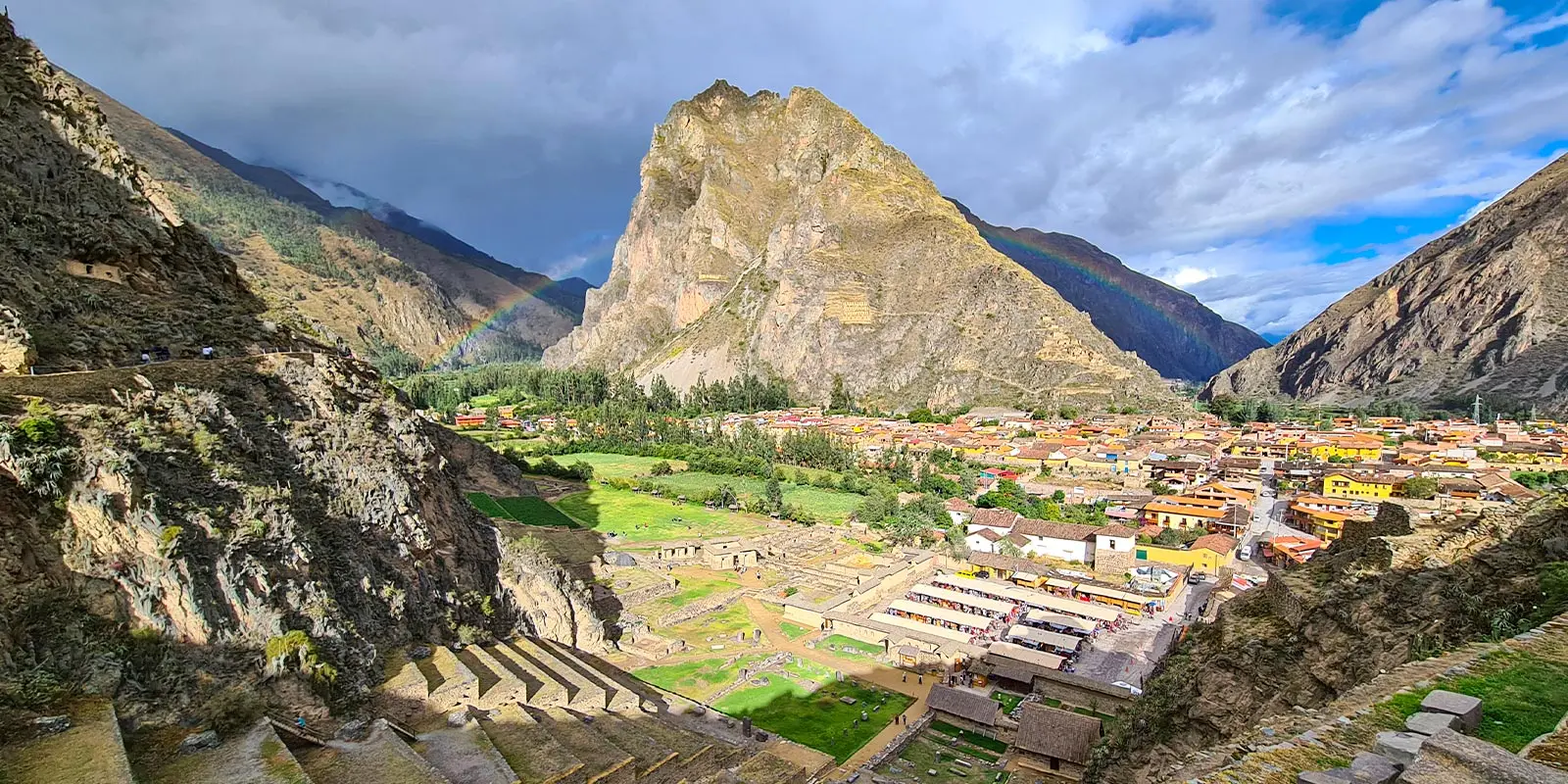
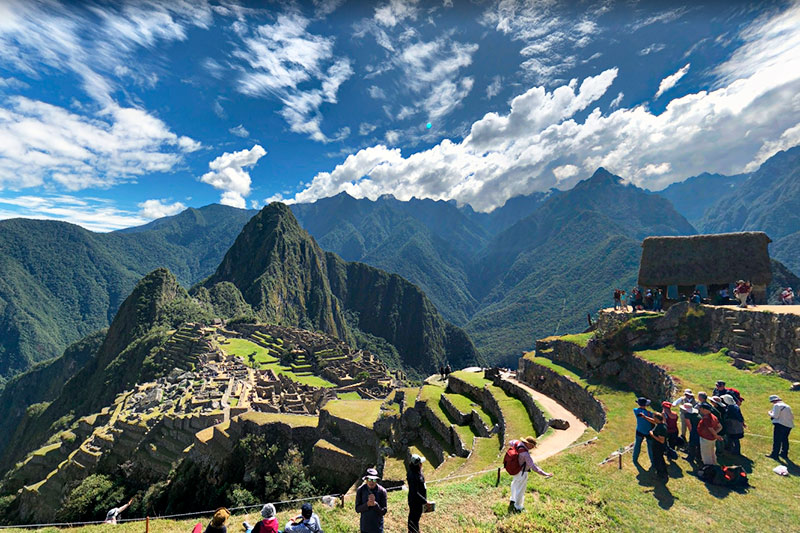
When visiting Cusco, Sacred Valley, Machu Picchu, churches, monasteries, or archaeological sites, please stay with the group and follow the tour guide’s instructions. Some areas may include stairs, narrow paths, uneven stone surfaces, steep slopes, crowds, or altitude changes.
Altitude can affect travelers in Cusco, Sacred Valley, and Machu Picchu areas. Common symptoms may include headache, dizziness, nausea, tiredness, or shortness of breath. Travelers should walk slowly, drink water, avoid heavy meals at first, and inform the tour guide if symptoms become uncomfortable.
Drink bottled or filtered water. Avoid drinking tap water unless clearly advised by the hotel or guide. Be careful with raw foods, street food, and ice if you have a sensitive stomach.
Do not accept packages, luggage, food, drinks, or personal items from strangers. Travelers should only carry their own belongings and should not agree to transport anything for another person.
If travelers become separated from the group, they should stay in a visible and easy-to-recognize location and call the tour guide immediately. Do not leave the area on your own unless instructed by the tour guide or Carnival US.
Carnival US is not responsible for lost personal belongings, accidents caused by personal negligence, altitude-related issues caused by failure to follow guidance, or problems resulting from failure to follow safety instructions.