Leisure

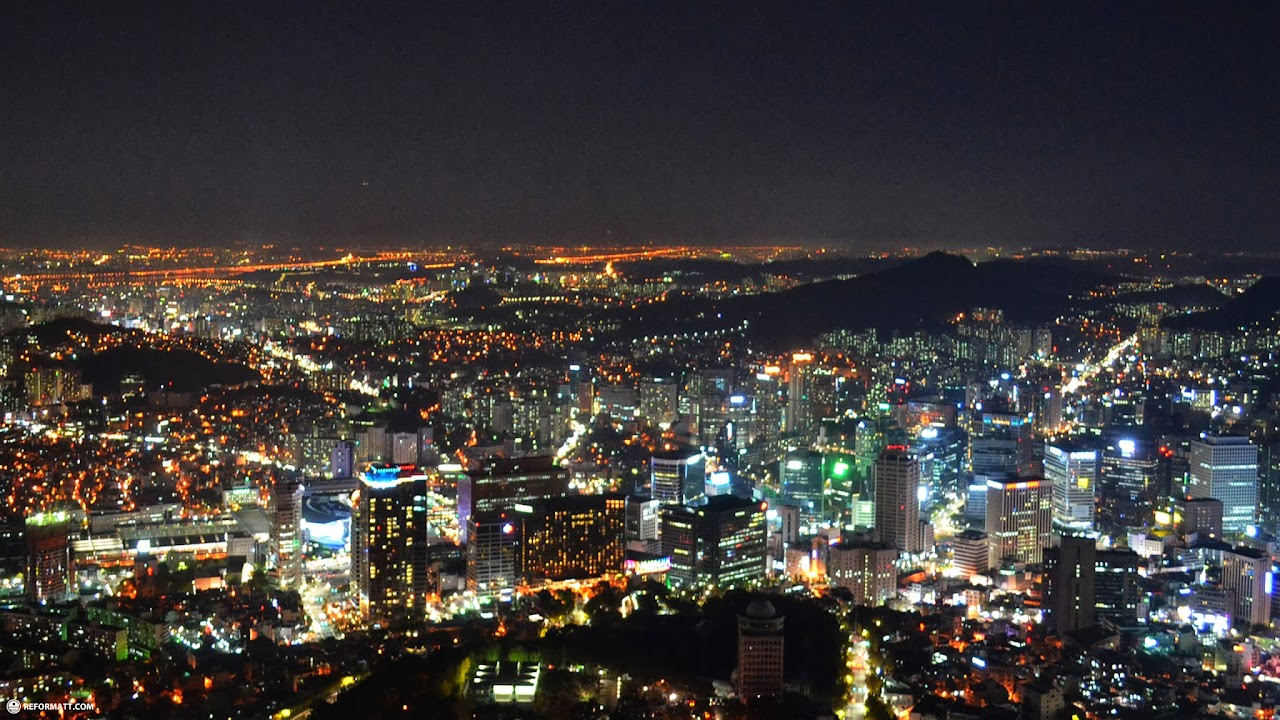
South Korea

Land of morning calms

🌍 East Asia / South Korea
💰 South Korean Won
Best: Mar-May,Sep-Nov
💬 Korean; English
🕐

This journey is not only an opportunity to visit famous landmarks, but also a chance to experience the rhythm of Korean life through its food, customs, architecture, nature, and community spirit. Whether walking through old palace grounds, exploring traditional neighborhoods, visiting churches or sacred sites, or enjoying local cuisine, travelers will discover a country rich in beauty, discipline, faith, and cultural pride.

This handbook has been prepared as a helpful travel companion for the journey. It provides important information about travel documents, packing, weather, clothing, safety, meals, hotels, communication, and local customs so travelers can prepare well and enjoy the trip with comfort, respect, and peace of mind.

Documents & Visa

Travelers must bring their original passport, valid for at least 6 months after the end date of the trip. A Passport Card is not valid for international air travel.

Entry requirements for South Korea may vary depending on nationality, residency status, and current government regulations. U.S. citizens may be eligible for visa-free entry or may need to complete online travel authorization procedures, such as K-ETA, depending on the latest entry rules. Carnival US will provide guidance when applicable.

Green Card holders and travelers who are not U.S. citizens may have different entry requirements depending on the passport they hold. A U.S. Green Card does not automatically replace a visa if the traveler’s passport requires one.

Travelers should take photos of their passport, visa or travel authorization, flight itinerary, travel insurance, hotel list, and emergency contact information. Save copies on the phone/cloud and share one copy with a trusted family member.

Do not place passports, cash, bank cards, medication, or important documents in checked luggage.

Important: If missing documents prevent a traveler from departing or entering South Korea, Carnival US is not responsible, and the standard tour cancellation policy will still apply.

Luggage

Each traveler is generally allowed to bring:

One (1) checked bag

One (1) carry-on bag

One (1) personal item

Specific baggage rules may vary depending on the airline listed on the ticket.

Checked baggage should include clothing, shoes, personal items, toiletries, liquids, and items not needed during the flight. Travelers should pack light and neatly because the journey may include hotel changes, airport transfers, walking areas, and large cultural sites.

Do not place important documents, passports, cash, bank cards, jewelry, or valuable items in checked baggage. These items should always be kept with the traveler.

Carry-on baggage should include passport, important documents, money, bank cards, phone, medication, power bank, one extra set of clothing, and essential toiletries in case checked luggage is delayed or lost.

Power banks must always be packed in carry-on baggage and must not be placed in checked baggage.

Travelers should bring comfortable walking shoes that have already been worn before. South Korea requires walking through palace grounds, city streets, shopping districts, train stations, and scenic areas such as Nami Island.

Hotels

Hotels used by Carnival US during the journey are generally 4-star standard. However, in some destinations, hotels may be simpler and focused more on comfort and practicality rather than luxury service.

Carnival US will provide hotel information when available, including hotel names, addresses, and ratings. Most hotels provide basic amenities such as towels, soap, shampoo, Wi-Fi, hair dryers, and private bathrooms.

Hotel check-in in South Korea usually begins around 2:00 PM. If rooms are not ready, the group may store luggage at the hotel and continue with the program or wait in the hotel area.

Hotel check-out is usually around 11:00 AM. Before leaving the room, travelers should check the safe, drawers, nightstand, outlets, bathroom, and under the bed to make sure no personal items are left behind.

Many hotels use keycards to open doors, activate electricity, or access elevators. In some hotels, the keycard must be inserted into a slot near the door to turn on room lights and power outlets.

Hotel bathrooms may include bathtubs with high sides. Travelers should be careful when stepping in and out to avoid slipping.

Room cleaning policies may vary by hotel. If travelers need fresh towels, toiletries, or room cleaning, they may contact housekeeping, the front desk, or the tour guide.

Coin laundry may be available in or near some hotels and is often more affordable than hotel laundry service.

Flights & Airport

South Korea’s main international gateway is Incheon International Airport (ICN), serving the Seoul area. Incheon Airport is large, modern, and well organized, but travelers should pay attention to airport signs, terminal movement, immigration procedures, and baggage claim instructions.

About 3 weeks before departure, Carnival US will email travelers important flight information, including the flight itinerary, airline names, flight numbers, connection details, and electronic ticket numbers.

Please note that this document is not a boarding pass. Travelers will receive the boarding pass after check-in, usually 24 or 48 hours before departure, depending on the airline.

Travelers may check in online 24 hours before the flight or check in at the airline counter at the airport.

If seat assignments or flight segments are missing from the electronic ticket, the airline may update this information closer to departure, often about 7–10 days before the flight.

For international flights, travelers should arrive at the airport at least 3 hours before departure. For domestic flights, travelers should arrive at least 2 hours before departure.

If travelers have TSA PreCheck or Global Entry, they should provide their Known Traveler Number when possible or notify the airline counter staff so TSA PreCheck can appear on the boarding pass when applicable. These programs apply mainly to U.S. airport procedures and may not apply to South Korean airport security or immigration.

If travelers need special meals, child meals, wheelchair assistance, or other airline services, please contact Carnival US as early as possible. Requests are subject to airline availability and approval.

When the airplane lands in South Korea, travelers should check all personal belongings before leaving the aircraft. After exiting the plane, proceed through immigration, collect checked luggage, and follow the tour guide’s flag or meeting instructions to avoid getting separated from the group.

US Customs & Border

When returning to the United States, travelers will go through U.S. Customs and Border Protection inspection at the first U.S. airport of entry.

U.S. citizens and permanent residents who have been abroad for more than two days may generally return to the United States with up to $800 worth of goods duty-free, as long as the items are for personal use and accompany the traveler upon return.

For travelers who bring back more goods, a flat duty rate of 3% may apply to the next $1,000 worth of purchases.

Travelers should keep all purchase receipts in case U.S. Customs officers request a declaration upon return to the United States.

Travelers must declare food, plants, seeds, medicine, large amounts of cash, and valuable items when required. Certain fresh fruits, meats, plants, seeds, and agricultural products may be restricted or prohibited.

Money & Payment

South Korea uses the South Korean Won, written as KRW or shown with the symbol . · 1 USD ≈ 1,300–1,400 KRW

Cards
Visa and Mastercard accepted virtually everywhere — convenience stores, taxis, restaurants. South Korea has one of the highest cashless payment rates in the world.
Mobile pay
Apple Pay available at major chains (Starbucks, McDonald’s, convenience stores). Google Pay not widely supported. Always carry a physical card as backup.
ATMs
Available everywhere. 7-Eleven ATMs support international cards.
Exchange
Order Won from your US bank 1 week in advance. Exchange booths at Incheon Airport and city centers.
Tax Return
Tax rate :10% VAT
In-store refund
Shops displaying “Tax Free” refund cash directly or deduct from your bill (minimum purchase: 30,000 Won).
Airport refund
Self-service kiosks at Incheon Airport — scan passport and receipts, receive cash or card refund instantly with no waiting.
Weather & Clothing
Season Location Average Temp Notes
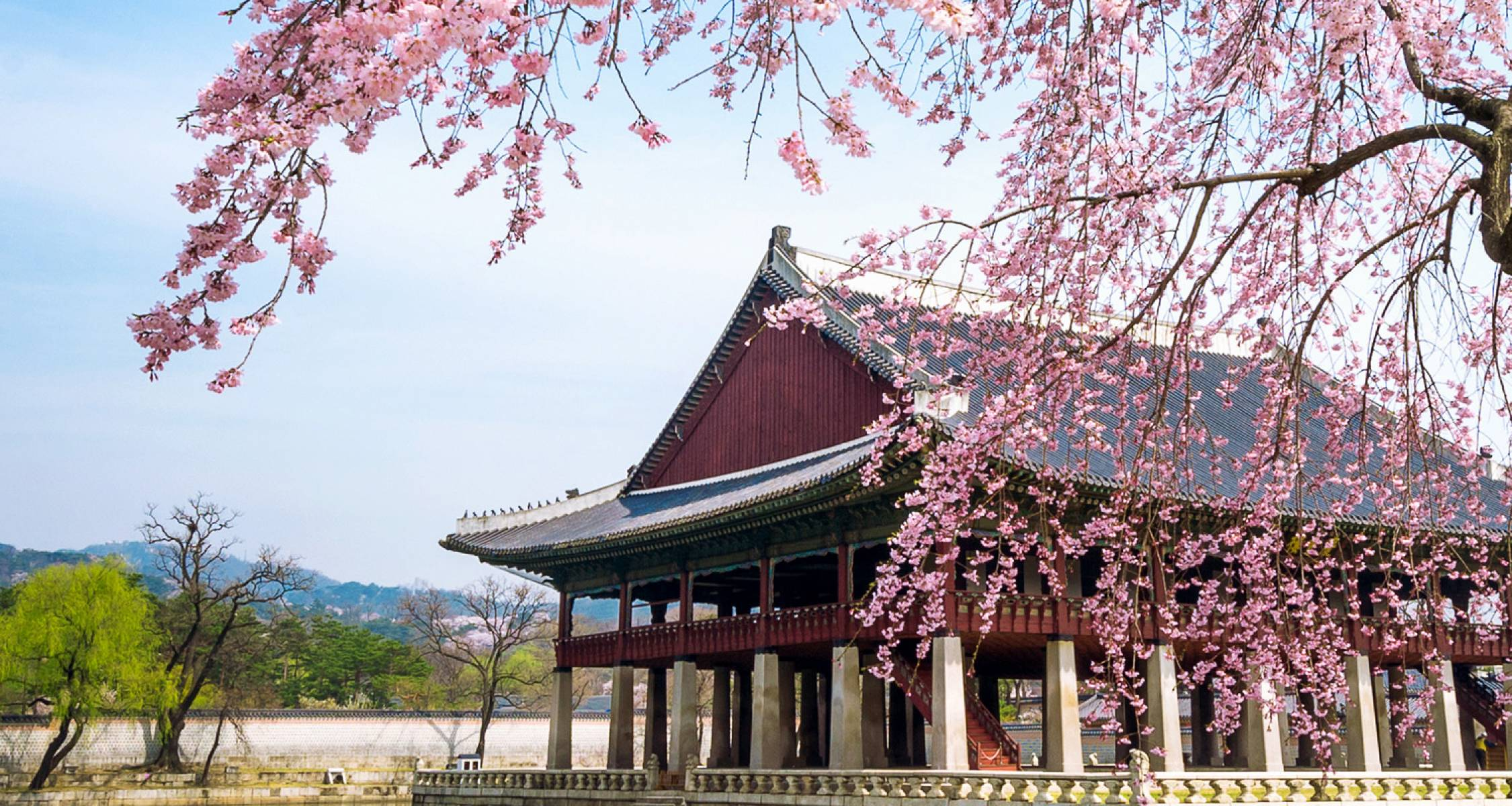
Spring: March – May Seoul / Nami Island / Major Tourist Areas 50–68°F / 10–20°C Cool and pleasant, with cherry blossoms and light spring weather. Bring a light jacket, thin scarf, comfortable walking shoes, and a small umbrella.
Summer: June – August Seoul / City Areas / Outdoor Sites 77–95°F / 25–35°C Hot and humid, with possible rain during the rainy season. Bring breathable clothing, hat, sunglasses, sunscreen, water, and a small umbrella.
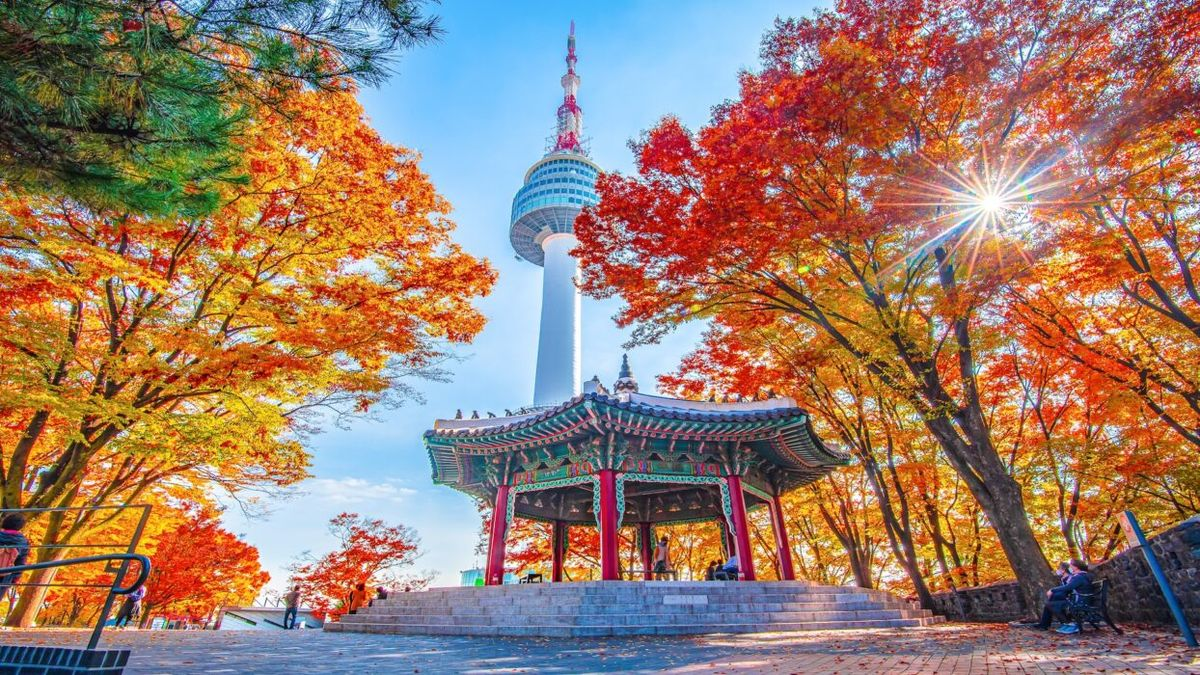
Autumn: September – November Seoul / Nami Island / Mountain Areas 41–64°F / 5–18°C One of the best seasons, with clear skies and autumn foliage. Nami Island and mountain areas may be cooler than the city. Bring layers, a warm jacket, scarf, and comfortable shoes.
Winter: December – February Seoul / Northern or Mountain Areas 23–50°F / -5–10°C Cold and dry, with possible snow in some areas. Bring thermal layers, a thick coat, gloves, beanie, scarf, and non-slip walking shoes.
Pilgrimage Clothing
Footwear
Comfortable walking shoes with good grip. Avoid heels. Expect stone steps and cobblestone paths at palaces.
At palaces
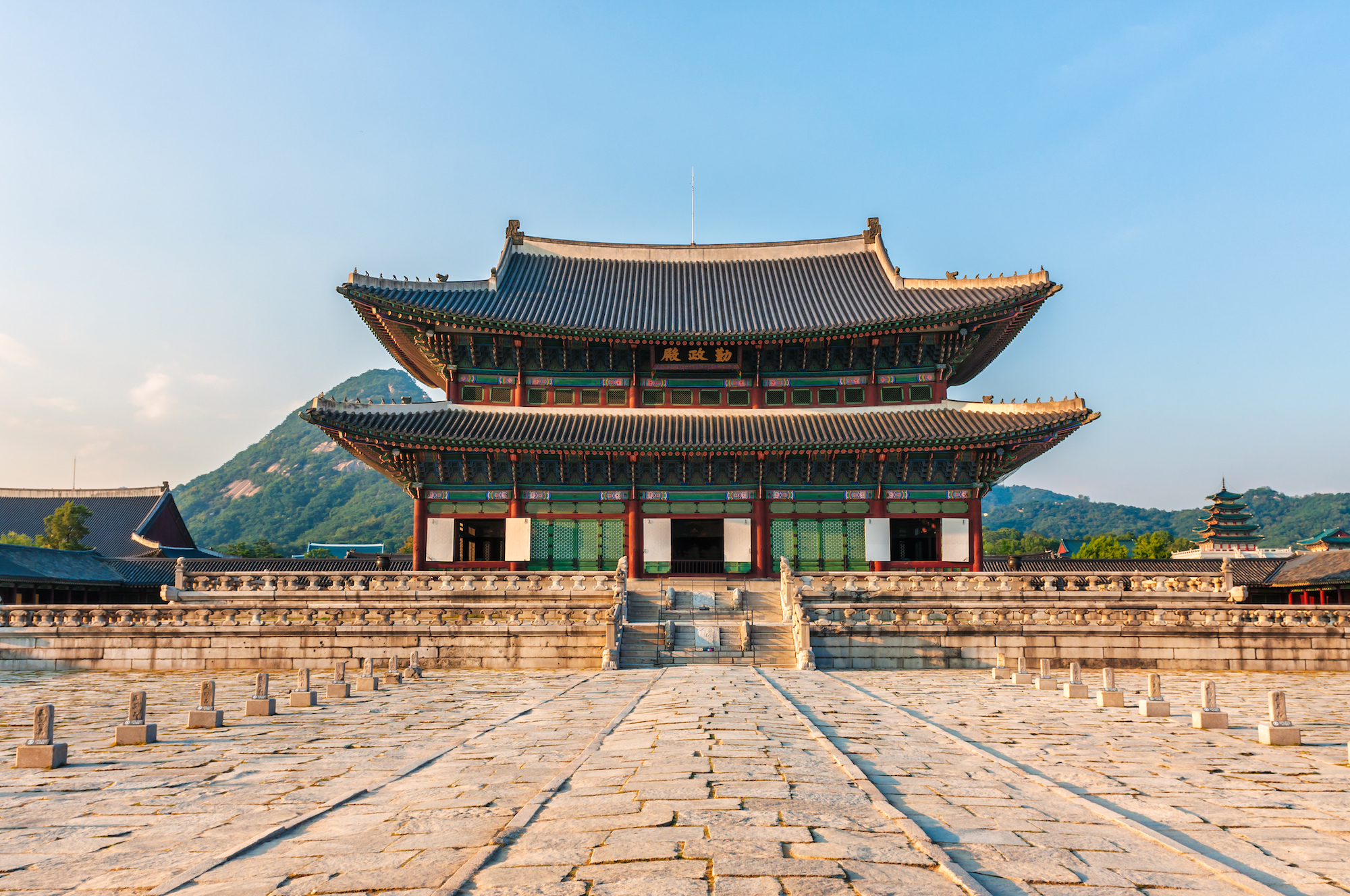
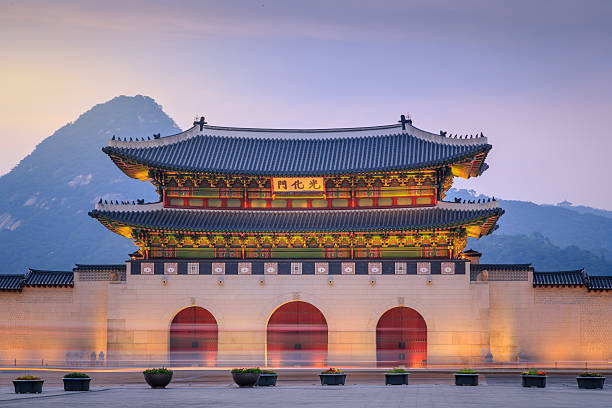
Dress modestly. Renting a Hanbok at Gyeongbokgung allows free entry — a popular and fun option.
Hotel amenities
Toothbrush, toothpaste, and slippers generally provided. Coin laundry available in or near hotels.
Communication & Internet

South Korea has excellent internet and mobile service. Travelers may use international roaming, eSIM, local SIM cards, or free Wi-Fi at hotels and major public areas.

International roaming plans from U.S. carriers such as Verizon, AT&T, or T-Mobile often cost around $10–$12 per day, depending on the carrier and plan.

An eSIM is a convenient option if the traveler’s phone supports it. Travelers are encouraged to install and set up the eSIM before leaving the United States or immediately after arrival.

Hotel Wi-Fi is usually available, but travelers should not depend on it completely. It is recommended to save hotel addresses, tour leader contact numbers, guide phone numbers, and meeting points offline.

Travelers may use iMessage, Viber, WhatsApp, KakaoTalk, or other internet-based apps to contact family and friends.

Emergency Numbers

In case of emergency in South Korea, travelers may call:

112 – Police emergency

119 – Fire department / ambulance / medical emergency

1339 – Medical information and emergency medical support line

For a real emergency, contact the tour guide immediately if possible and follow local emergency instructions.

If you are separated from the group, stay in a visible and easy-to-recognize location and call the tour guide immediately. Do not leave the area on your own unless instructed by the guide or Carnival US.

For minor health issues, inform the tour guide so they can help contact the hotel, pharmacy, clinic, or local emergency service if needed.

Electricity

South Korea commonly uses Type C and Type F plugs, which are two-round-pin plugs similar to many European outlets.

The standard electricity supply is generally 220V / 60Hz.

Travelers should bring a universal travel adapter for convenience. Before using hair dryers, curling irons, electric shavers, chargers, or other electronic devices, please check that the device supports 100–240V. If a device only supports 110V, a voltage converter may be needed.

Power banks should always be packed in carry-on luggage and must not be placed in checked baggage.

Safety
Traffic
Cross only at marked crosswalks and on the green light. Vehicles drive on the right side.
Subway
Queue behind the marked lines on the platform. Give up priority seats for elderly, pregnant, or disabled passengers.
Shopping
Counterfeit goods are tightly controlled. Buy at reputable shops and shopping centers for quality assurance.
Food & Dining

The tour usually includes breakfast at the hotel, often with a mix of Asian and Western options. Included meals may vary between Korean local cuisine, Asian-style meals, and dishes suitable for Vietnamese travelers depending on the restaurant and local conditions.

Korean meals often include rice, soup, grilled meats, stews, noodles, vegetables, and many small side dishes called banchan. Some Korean dishes may be spicy, fermented, or stronger in flavor than what travelers are used to.

Carnival US will try its best to vary menus whenever possible so travelers can experience local flavors while still having suitable meals.

Travelers may bring small personal food items such as instant noodles, snacks, chili, dried shredded pork, or seasoning. However, bringing outside food into restaurants may not always be appropriate or convenient. Requests for hot water for instant noodles may not always be available in local restaurants.

Travelers should inform Carnival US in advance if they have food allergies, vegetarian needs, dietary restrictions, or special meal requests. Due to restaurant conditions and pre-arranged menus, not all special requests can be guaranteed.

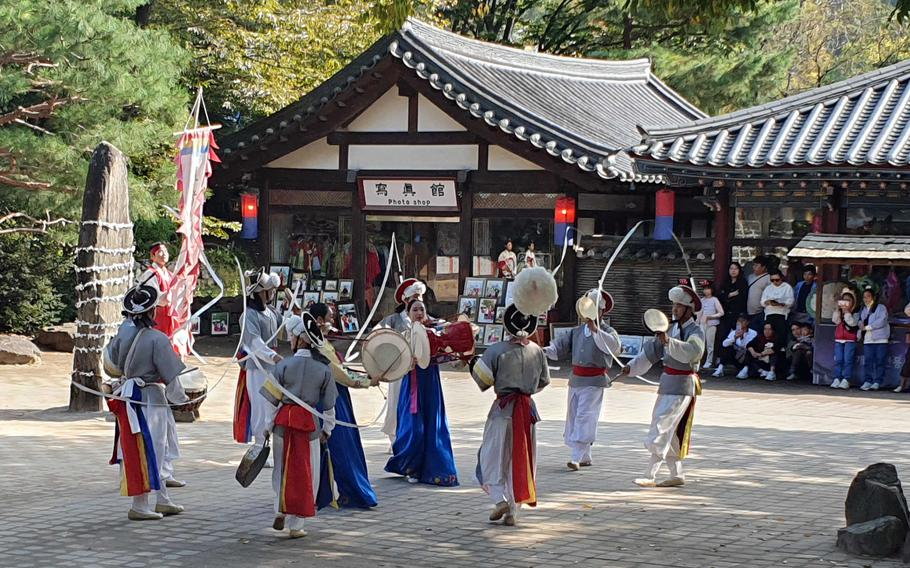
Korean dining culture values sharing, hospitality, and respect. Meals are often served with many small dishes and are a good opportunity to experience local daily life and food traditions.

Local Cuisine
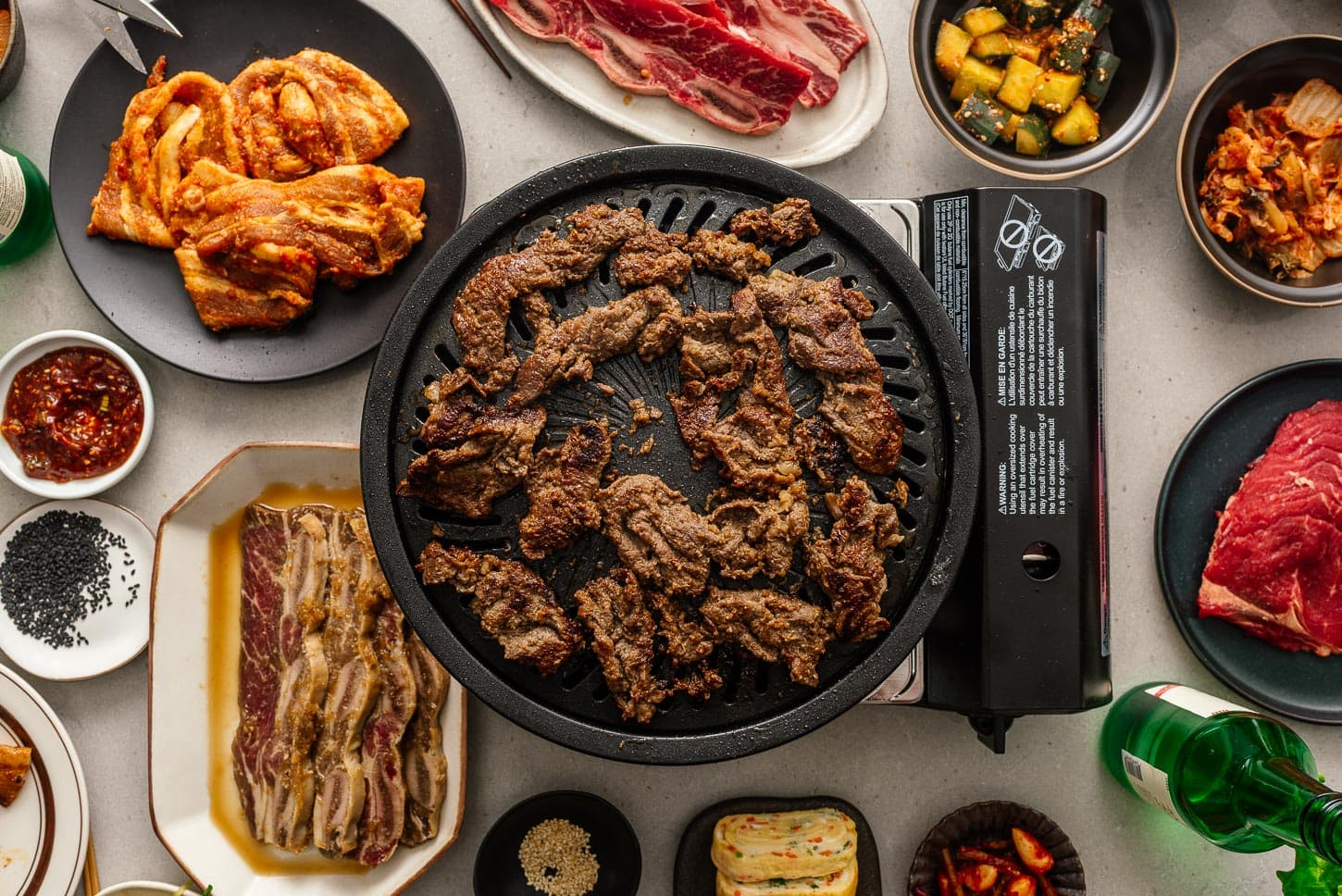
Korean BBQ
Korean BBQ
Grilled meat served with lettuce, sauces, rice, and side dishes. It is one of the most popular dining experiences in South Korea.
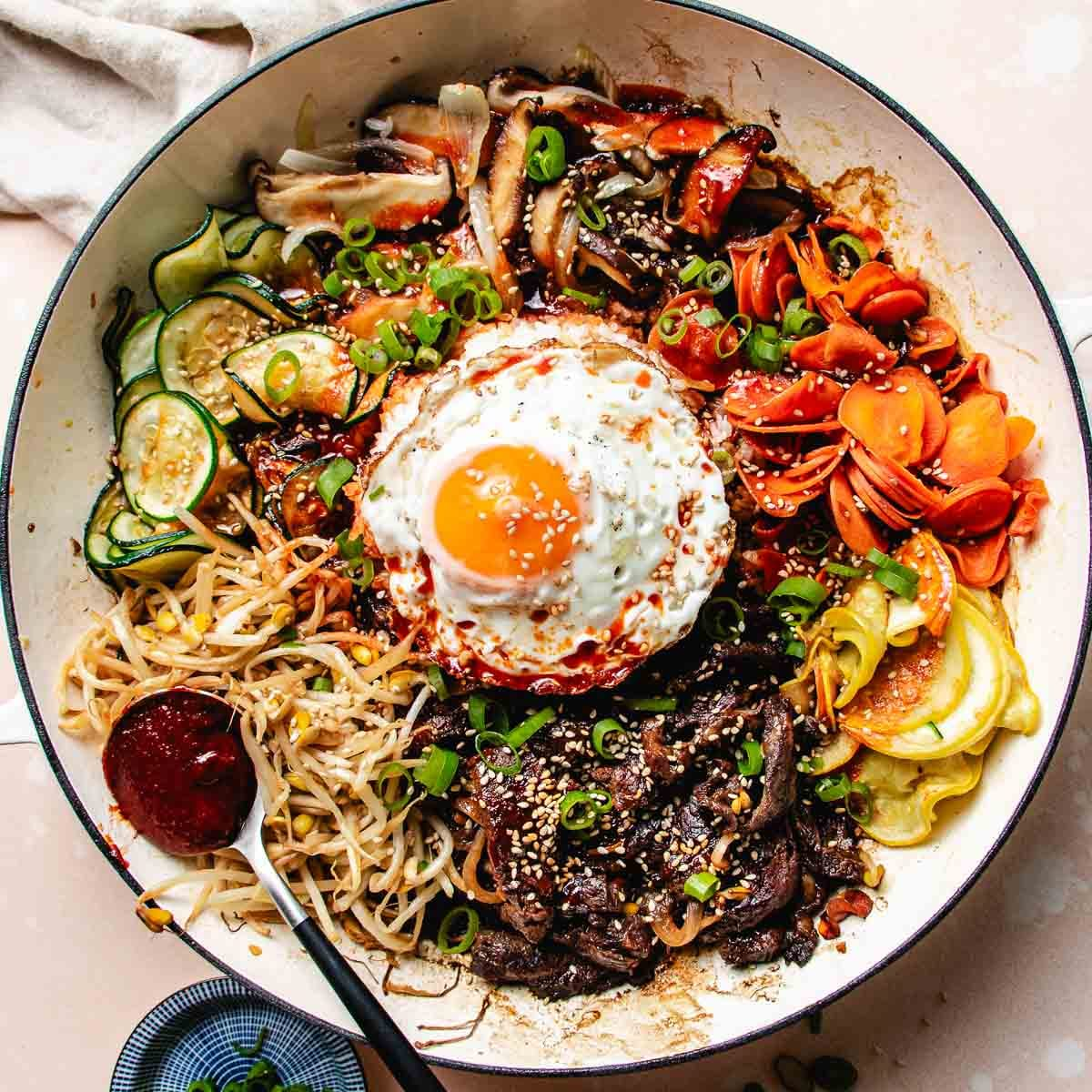
Bibimbap
Bibimbap
A colorful rice bowl topped with vegetables, egg, meat, and gochujang sauce. It is mixed before eating and represents balance in Korean cuisine.
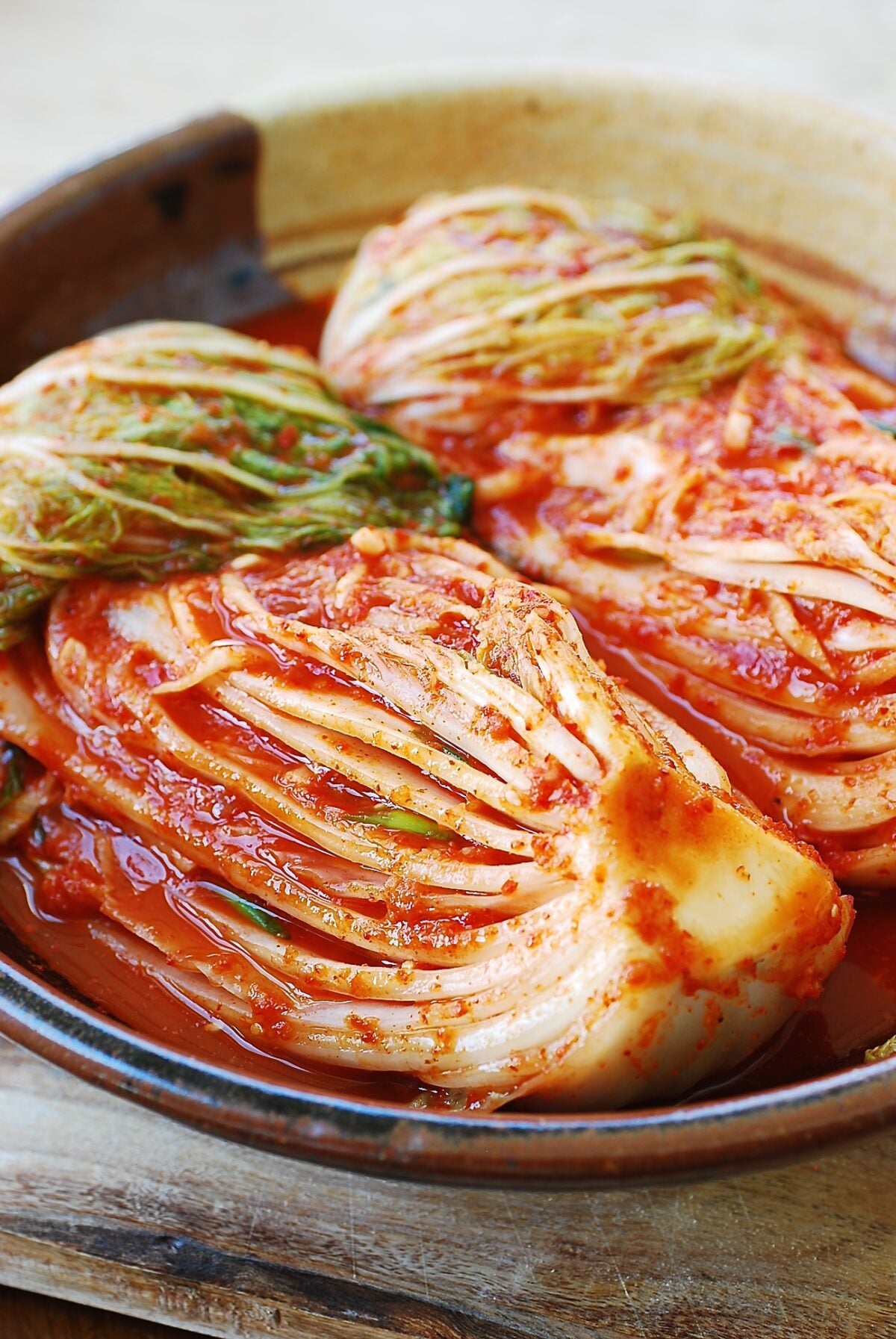
Kimchi
Kimchi
Fermented vegetables, usually cabbage or radish, seasoned with chili and spices. It is served with many Korean meals.
Bulgogi
Bulgogi
Thinly sliced marinated beef cooked with a sweet and savory flavor. It is easy to enjoy and popular with travelers.
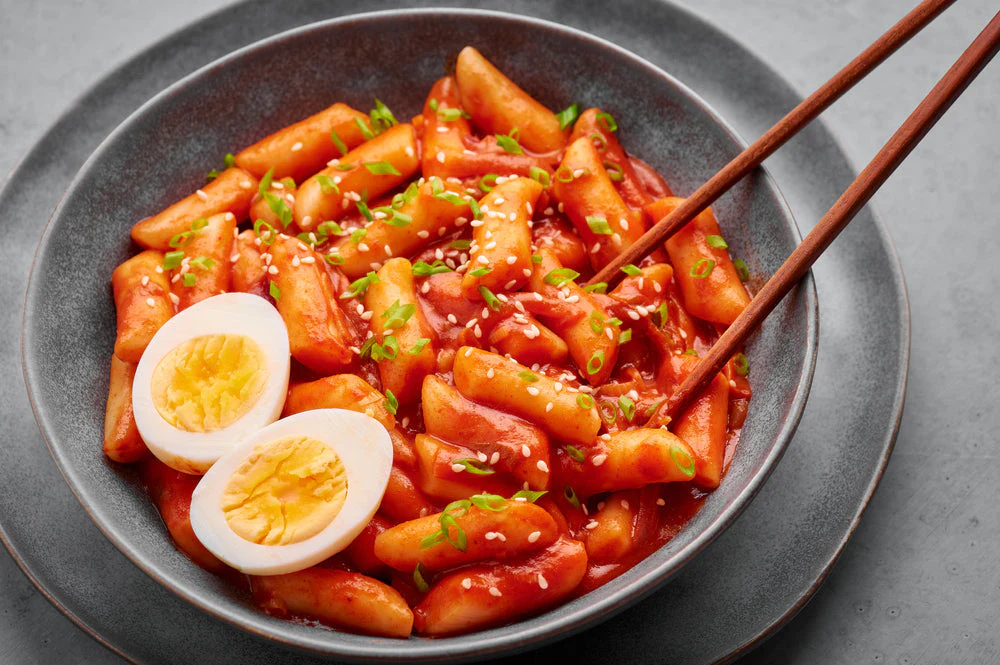
Tteokbokki
Tteokbokki
Chewy rice cakes cooked in a spicy-sweet sauce, often found as street food.
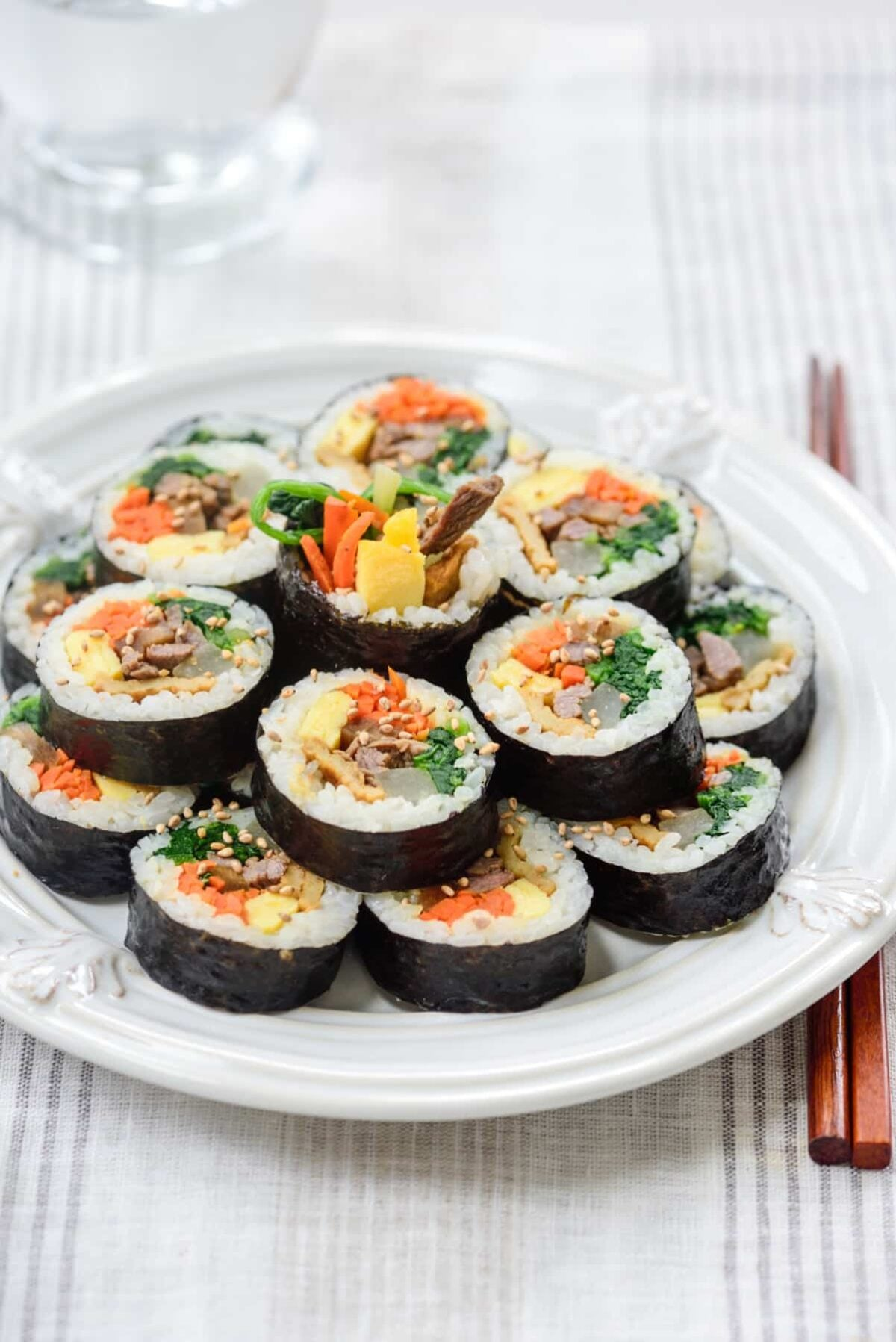
Kimbap
Kimbap
Rice and fillings rolled in seaweed, similar in shape to sushi but with Korean flavors. It is convenient and easy to eat.
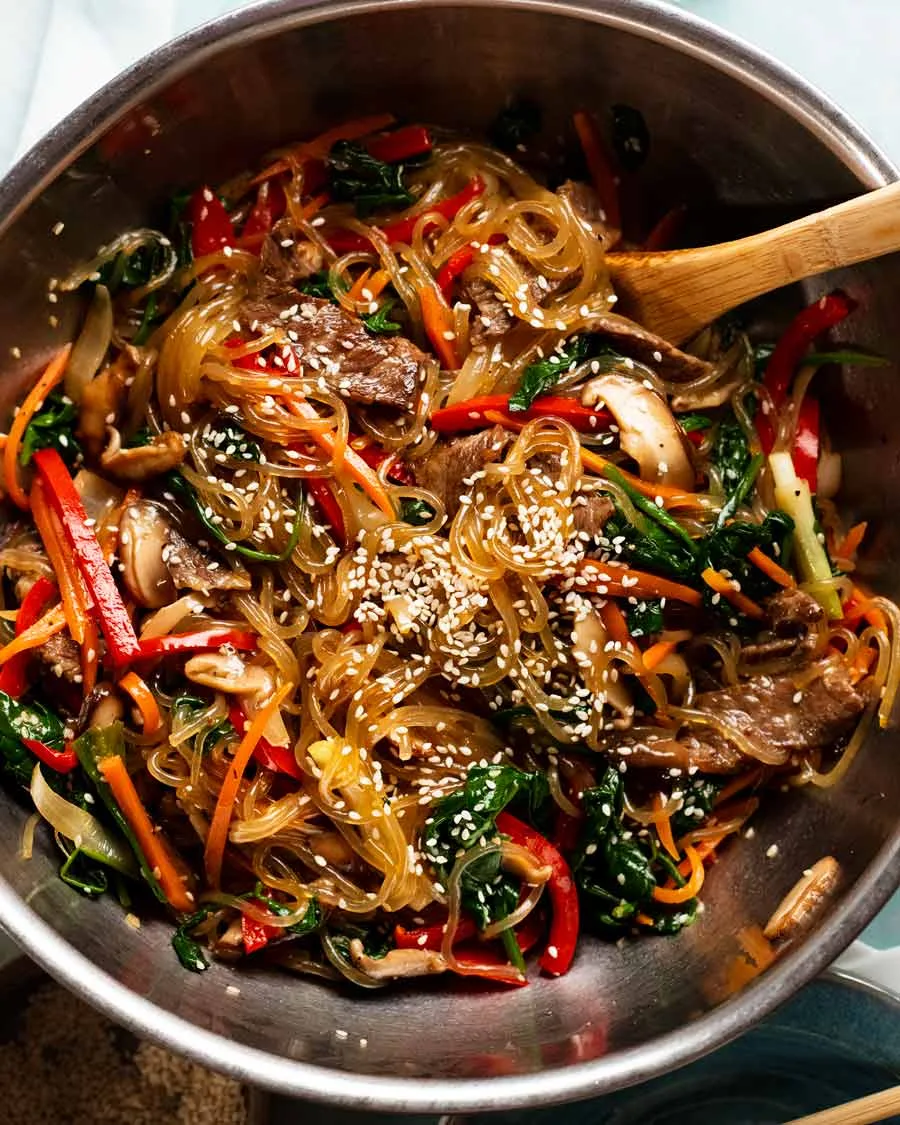
Japchae
Japchae
Stir-fried glass noodles with vegetables and sometimes beef, lightly seasoned with soy sauce and sesame oil.
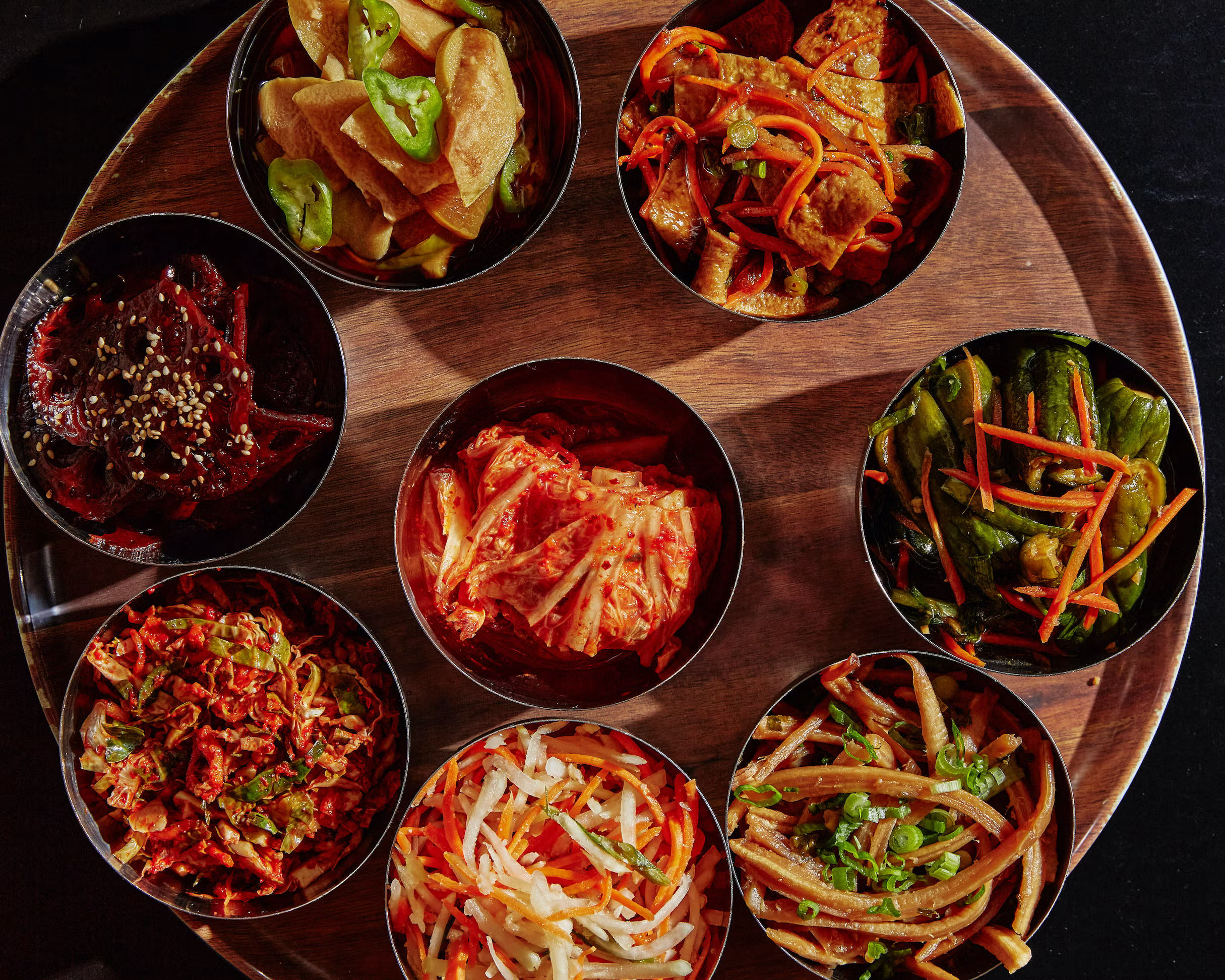
Banchan
Banchan
Small side dishes served with Korean meals, including vegetables, kimchi, tofu, and pickled items.