Pilgrimage Leisure

Vietnam

Where heritage lives on

🌍 Southeast Asia
💰 Vietnamese Dong
Best: Nov-Apr
💬 Vietnam
🕐

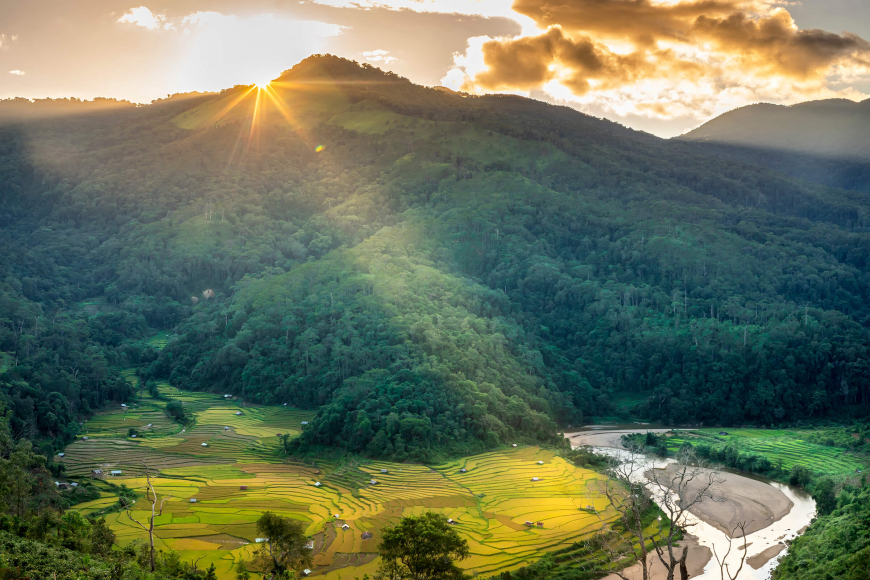
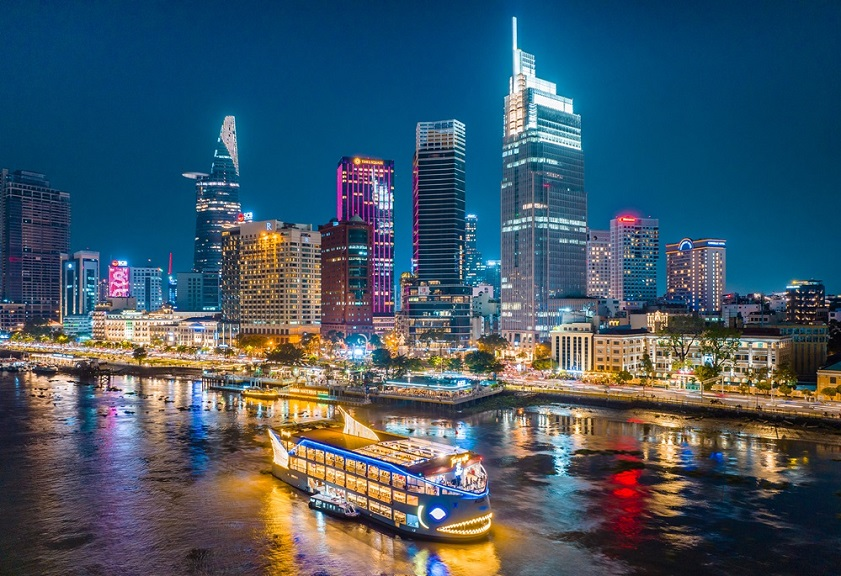
Vietnam is a journey through many layers of culture and faith: from Hanoi, a thousand-year-old capital rich in history, to misty Sapa in the mountains of the Northwest; from Ha Long Bay with its majestic limestone islands to the quiet beauty of Ninh Binh, known for its stone cathedral and heritage landscapes; from Central Vietnam with La Vang, Hue, and Da Nang to the cool green highlands, and finally southward to pilgrimage centers and the river life of the Mekong Delta.

This handbook is written as a destination guide, not as a day-by-day itinerary. Its purpose is to help travelers better understand each place they will visit, prepare appropriate luggage and mindset, know how to dress respectfully when entering sacred sites, stay safe while traveling, and more deeply appreciate the cultural, historical, and spiritual beauty of Vietnam.

Documents & Visa

Your passport must be the original document and should be valid for at least 6 months from the end date of the trip. A Passport Card is not valid for international air travel.

U.S. citizens traveling to Vietnam must obtain the appropriate visa or eVisa before entry, unless they qualify for a visa exemption under specific regulations. Travelers who are not U.S. citizens, who use a Green Card, travel document, or special passport must check visa requirements based on the nationality of their passport.

Take photos of your passport, visa/eVisa, flight tickets, travel insurance, hotel information, and tour leader’s phone number. Save them on your phone/cloud and send one copy to a trusted family member.

Do not place your passport, cash, bank cards, personal medication, or important documents in checked luggage.

When entering Vietnam, answer briefly and accurately regarding the purpose of your trip: a Catholic pilgrimage combined with sightseeing through a Carnival US tour.

Important: If missing documents prevent you from departing or result in denied entry, Carnival US is not responsible, and the tour cancellation policy will still apply. Travelers should carefully check all required documents before the departure date and before going to the airport.

COMMON IMMIGRATION QUESTIONS

QUESTION

SUGGESTED ANSWER

What is the purpose of your visit?

I am on a Catholic pilgrimage and sightseeing tour organized by Carnival US.

Where will you be staying?

I will stay at the hotels arranged by Carnival US. I can show the hotel list if needed.

How long will you stay in Vietnam?

I will stay according to the tour itinerary.

Who packed your luggage?

I packed my own luggage.

Did anyone ask you to carry anything?

No. I packed my own bags and no one has given me anything to carry.
Luggage

Each traveler is usually allowed 1 checked bag, 1 carry-on bag, and 1 personal item. Specific baggage rules always depend on the airline listed on your ticket.

Pack neatly and practically because the tour travels through different climate regions: Northern Vietnam, the mountain area of Sapa, Central Vietnam, the Central Highlands, Southeastern Vietnam, and the Mekong Delta.

Bring at least 2 pairs of comfortable walking shoes that you have already worn before. Do not use brand-new shoes, as many sites require walking, climbing steps, walking on stone surfaces, boarding boats, or moving through crowded areas.

Prepare a light jacket, thin raincoat, hat, sunglasses, sunscreen, a small water bottle, a shawl for entering churches, and a waterproof pouch for your phone.

Recommended medications to bring: headache medicine, digestive medicine, allergy medicine, motion sickness medicine, cold medicine, bandages, medicated oil, and any prescribed medication you are currently using.

Power banks must be kept in your carry-on bag and must not be placed in checked luggage.

SMALL DAILY BAG

During each sightseeing day, travelers should use a front-worn bag or a lightweight crossbody bag. The bag should only carry essential documents, small-denomination cash, a phone, personal medication for the day, tissues, a small bottle of water, and a thin raincoat. Avoid carrying a heavy backpack when visiting Sapa, Ha Long, Phat Diem, La Vang, Ta Pao, or any sites that require climbing steps.

Hotels

Vietnam is generally a welcoming and enjoyable destination for travelers, but visitors should still remain aware of their surroundings, especially in crowded areas, markets, airports, train stations, pilgrimage sites, and tourist attractions.

Keep your passport, cash, bank cards, phone, and important documents secure at all times. Do not place all valuables in one bag, and avoid carrying large amounts of cash when walking around. A crossbody bag or front-worn bag is recommended for daily sightseeing.

Be careful when crossing streets, especially in major cities where motorbike traffic can be busy. Walk slowly, stay alert, follow the tour guide’s instructions, and cross with the group whenever possible.

Do not accept packages, luggage, food, drinks, or personal items from strangers. Travelers should only carry their own belongings and should not agree to transport anything for another person.

When visiting natural sites, mountain areas, caves, boat docks, rivers, or places with stone steps, wear comfortable shoes with good grip and follow safety instructions. Surfaces may become slippery during rain or humid weather.

At hotels, keep valuables in a safe place and lock your room when leaving. If you go out during free time, inform the tour leader or travel with others when possible.

Carnival US is not responsible for lost personal belongings, accidents caused by personal negligence, or issues resulting from failure to follow safety instructions.

Flights & Airport

BAGGAGE REGULATIONS

Q&A: HOW MANY CHECKED BAGS MAY TRAVELERS BRING?

For the pilgrimage, travelers may bring:

One (1) checked bag
One (1) carry-on bag
One (1) personal item

FOR CHECKED BAGGAGE:

Checked baggage should include most of your belongings, such as clothing, shoes, personal items including toothpaste, towels, toothbrushes, fruit knives, metal items, razors, food, drinks, and liquid items.

ALLOWED SIZE:

The total length + width + height must not exceed 62 inches / 158 cm.
Economy Class: One (1) checked bag weighing up to 50 lbs / 23 kg
Business Class: Two (2) checked bags, each weighing up to 75 lbs / 32 kg.

FOR CARRY-ON BAGGAGE:

Carry-on baggage may include small electronic devices such as phones, cameras, laptops, regular travel cameras, money, and other valuable items.

ALLOWED SIZE:

One (1) bag: length + width + height must not exceed 42 inches / 106 cm.
The bag must not exceed 17 lbs / 8 kg.

Q&A: WHAT SHOULD I DO IF MY BAGGAGE IS LOST?

If your baggage is lost, please go immediately to the airport’s Lost and Found office to complete a lost baggage report. The tour guide will assist travelers with filling out the form. Please keep all documents provided by the airline. Once the baggage is found, the airline will deliver it to the hotel. Please provide the exact address shown on the luggage tag issued by Carnival US before departure.

US Customs & Border

U.S. citizens and permanent residents returning from Vietnam may generally bring back up to $800 worth of goods duty-free, as long as the items are for personal use and accompany the traveler upon return to the United States. For travelers who wish to bring back more goods, a flat duty rate of 3% may apply to the next $1,000 worth of purchases.

Travelers should keep all purchase receipts in case U.S. Customs officers request a declaration upon return to the United States.

Travelers must declare food, plants, seeds, medicine, large amounts of cash, and valuable items purchased abroad when required. Certain fresh fruits, meats, plants, seeds, and agricultural products may be restricted or prohibited from entering the United States.

For more details, please visit the U.S. Customs and Border Protection website:
https://www.cbp.gov/travel

Money & Payment

Vietnam uses the Vietnamese Dong, abbreviated as VND or shown with the symbol ₫. Cash is still very useful for small shops, local markets, drinks, tips, restrooms, candles, Catholic items, and small snacks.

Visa and MasterCard are accepted at hotels, shopping malls, larger restaurants, and some tourist sites, but travelers should not rely completely on cards.

It is recommended to prepare small-denomination bills for buying water, fruit, postcards, Catholic items, or small souvenirs.

Do not exchange money with strangers on the street. If you need to exchange money or withdraw cash from an ATM, follow the guidance of the hotel, tour guide, or a reputable currency exchange location.

Divide your cash and keep it in different places. Do not keep all your cash, passport, and bank cards in the same bag.

When purchasing high-value items, keep the receipt and ask clearly about the return/exchange policy and packaging before making payment.

Tax Return

Vietnam offers VAT refunds for eligible foreign travelers on qualifying goods purchased at participating stores. To qualify, travelers usually need to spend at least VND 2,000,000 on eligible purchases at the same store, keep the original receipts, and request the proper VAT refund documents at the time of purchase.

Only certain goods are eligible for VAT refund. Services such as hotels, meals, tours, transportation, and personal services are generally not refundable. Purchased goods may need to be unused, in original packaging, and available for inspection at the airport before departure.

Travelers should keep all receipts, VAT refund forms, passport, and purchased items easily accessible in carry-on luggage. The VAT refund process is usually completed at designated international airports before leaving Vietnam.

Refund rules, eligible stores, airport procedures, and refund amounts may change. Travelers should check with the store, tour guide, airport staff, or official customs/tax information before making large purchases.

Weather & Clothing
Season Location Average Temp Notes
Spring: February – April Hanoi / Northern Vietnam 60–78°F / 16–26°C Cool to mild, humid, and sometimes drizzly. Mornings and evenings may feel chilly. Bring a light jacket, long sleeves, and comfortable walking shoes.
Spring: February – April Sapa / Mountain Areas 50–68°F / 10–20°C Gradually warming up and generally pleasant for sightseeing. Bring light clothing, a thin jacket, and sun/rain protection.
Spring: February – April Hue / Da Nang / La Vang / Quang Binh 68–84°F / 20–29°C Cool and comfortable, especially in the morning and evening. Bring a light jacket.
Spring: February – April Central Highlands / Mang Den 60–78°F / 16–26°C Warm to hot and usually sunny. Bring breathable clothing, sunscreen, a hat, and water.
Spring: February – April Saigon / Mekong Delta / Southern Vietnam 77–95°F / 25–35°C Warm to hot and usually sunny. Bring breathable clothing, sunscreen, a hat, and water.
Summer: May – August Hanoi / Northern Vietnam 79–95°F / 26–35°C Hot, humid, and sunny, with possible heavy rain. Bring light modest clothing, sunscreen, a hat, water, and a raincoat.
Summer: May – August Sapa / Mountain Areas 62–77°F / 17–25°C Cooler than the lowlands but may be rainy. Paths can be slippery, so wear shoes with good grip.
Summer: May – August Hue / Da Nang / La Vang / Quang Binh 82–97°F / 28–36°C Very hot and humid, with strong sun. Walking days may feel tiring. Bring sun protection, water, and breathable clothing.
Summer: May – August Central Highlands / Mang Den 65–80°F / 18–27°C Cooler than coastal areas but may have rain. A light raincoat and comfortable shoes are recommended.
Summer: May – August Saigon / Mekong Delta / Southern Vietnam 77–93°F / 25–34°C Hot, humid, and rainy season. Short afternoon or evening showers are common. Bring a light raincoat and waterproof pouch.
Autumn: September – November Hanoi / Northern Vietnam 68–86°F / 20–30°C More comfortable than summer, but humidity and rain are still possible. Bring a thin jacket and rain protection.
Autumn: September – November Sapa / Mountain Areas 55–72°F / 13–22°C Cool, especially in the morning and evening. Bring a jacket and comfortable walking shoes.
Autumn: September – November Hue / Da Nang / La Vang / Quang Binh 72–88°F / 22–31°C Central Vietnam may experience heavy rain or storms during certain periods. Bring a raincoat and shoes with good grip.
Autumn: September – November Central Highlands / Mang Den 60–77°F / 16–25°C Cool and pleasant, with possible rain. Bring a light jacket and rain protection
Autumn: September – November Saigon / Mekong Delta / Southern Vietnam 77–91°F / 25–33°C Still hot and humid, with possible showers. Bring breathable clothing and a light raincoat.
Winter: December – January Hanoi / Northern Vietnam 55–70°F / 13–21°C Cool to cold, humid, and less sunny. Bring a warm jacket, long sleeves, and closed-toe shoes.
Winter: December – January Sapa / Mountain Areas 39–59°F / 4–15°C Cold, foggy, and sometimes rainy. Bring warmer clothing, a coat, scarf, socks, and shoes with good grip.
Winter: December – January Hue / Da Nang / La Vang / Quang Binh 63–77°F / 17–25°C Cool to mildly cold, with possible rain. Bring a light to medium jacket and rain protection.
Winter: December – January Central Highlands / Mang Den 55–72°F / 13–22°C Chilly in the morning and evening. Bring a jacket, long sleeves, and comfortable shoes.
Winter: December – January Saigon / Mekong Delta / Southern Vietnam 75–90°F / 24–32°C Warm and generally more comfortable than other seasons. Light clothing is suitable, but modest attire is still recommended for pilgrimage sites.
Pilgrimage Clothing
  • When entering churches, pilgrimage centers, or sacred places, shoulders and knees should be covered.
  • Avoid sleeveless tops, overly short pants/skirts, overly thin clothing, or clothing inappropriate for worship spaces.
  • Bring a thin shawl to cover shoulders when needed, especially when the weather is hot but modest dress is still required.
Communication & Internet
  • A Vietnam eSIM or international roaming plan is convenient. It is best to install it before leaving the United States or immediately upon arrival at the airport.
  • Hotel, restaurant, and cafe Wi-Fi is common, but service may be weaker in mountain areas, rural regions, crowded pilgrimage sites, or during long transfers.
  • Save hotel addresses, tour guide phone numbers, meeting points, and document photos offline.
Emergency Numbers
  • Emergency numbers in Vietnam are commonly: 113 police, 114 fire, 115 ambulance. In any situation, notify the group leader or tour guide immediately for local and language support.
Electricity
  • Vietnam uses 220V/50Hz electricity. Outlets are often two round pins or two flat pins; bring a universal adapte
Safety

Vietnam is generally a welcoming and enjoyable destination for travelers, but visitors should still remain aware of their surroundings, especially in crowded areas, markets, airports, train stations, pilgrimage sites, and tourist attractions.

Keep your passport, cash, bank cards, phone, and important documents secure at all times. Do not place all valuables in one bag, and avoid carrying large amounts of cash when walking around. A crossbody bag or front-worn bag is recommended for daily sightseeing.

Be careful when crossing streets, especially in major cities where motorbike traffic can be busy. Walk slowly, stay alert, follow the tour guide’s instructions, and cross with the group whenever possible.

Do not accept packages, luggage, food, drinks, or personal items from strangers. Travelers should only carry their own belongings and should not agree to transport anything for another person.

When visiting natural sites, mountain areas, caves, boat docks, rivers, or places with stone steps, wear comfortable shoes with good grip and follow safety instructions. Surfaces may become slippery during rain or humid weather.

At hotels, keep valuables in a safe place and lock your room when leaving. If you go out during free time, inform the tour leader or travel with others when possible.

Carnival US is not responsible for lost personal belongings, accidents caused by personal negligence, or issues resulting from failure to follow safety instructions.

Food & Dining

Vietnamese cuisine is not only about food; it reflects family, community, and local identity. Each region has its own flavor: the North is often light and refined, Central Vietnam is stronger and spicier, and the South is more generous, slightly sweeter, and rich in vegetables, fruit, and river-style dishes.

REGIONAL FLAVORS

  • Northern Vietnam: Pho, bun cha, fried spring rolls, banh cuon, cha ca, sticky rice, sweet soup, and egg coffee. Flavors are usually light, aromatic, and less sweet than in the South.
  • Northwest/Sapa: Highland vegetables, stream fish, grilled meats, bamboo rice, and local mountain products. Food may be simple but closely connected to the cool climate and ethnic minority culture.
  • Ninh Binh: Mountain goat, crispy rice, forest vegetables, and countryside dishes are local highlights.
  • Central Vietnam: Bun bo Hue, com hen, banh beo, banh nam, banh loc, nem lui, mi Quang, and Da Nang seafood. Flavors are often stronger, saltier, and spicier; ask in advance if you do not eat spicy food.
  • Central Highlands: Buon Ma Thuot coffee, grilled chicken, bamboo rice, forest vegetables, grilled dishes, and mountain products. Coffee culture is an important local identity.
  • Southeastern Vietnam & Mekong Delta: Fish, shrimp, seasonal fruit, hotpots, caramelized fish, banh xeo, hu tieu, coconut water, and local cakes connected to river life.

SAFE AND COMFORTABLE DINING

  • Drink sealed bottled water and limit unknown drinks or ice from places where hygiene is uncertain.
  • If you have a sensitive stomach, eat moderately during the first few days and avoid too many raw, spicy, or unfamiliar foods at once.
  • Group restaurant menus may be arranged in advance. Food allergies, vegetarian meals, no beef, seafood restrictions, dairy, gluten, or special requests should be reported to Carnival US before the trip.
  • At markets or local areas, choose clean, busy stalls, hot cooked foods, and ask the price before ordering.
  • Bring digestion medicine, probiotics, or personal medication if you often feel uncomfortable when changing food or time zones.
Local Cuisine
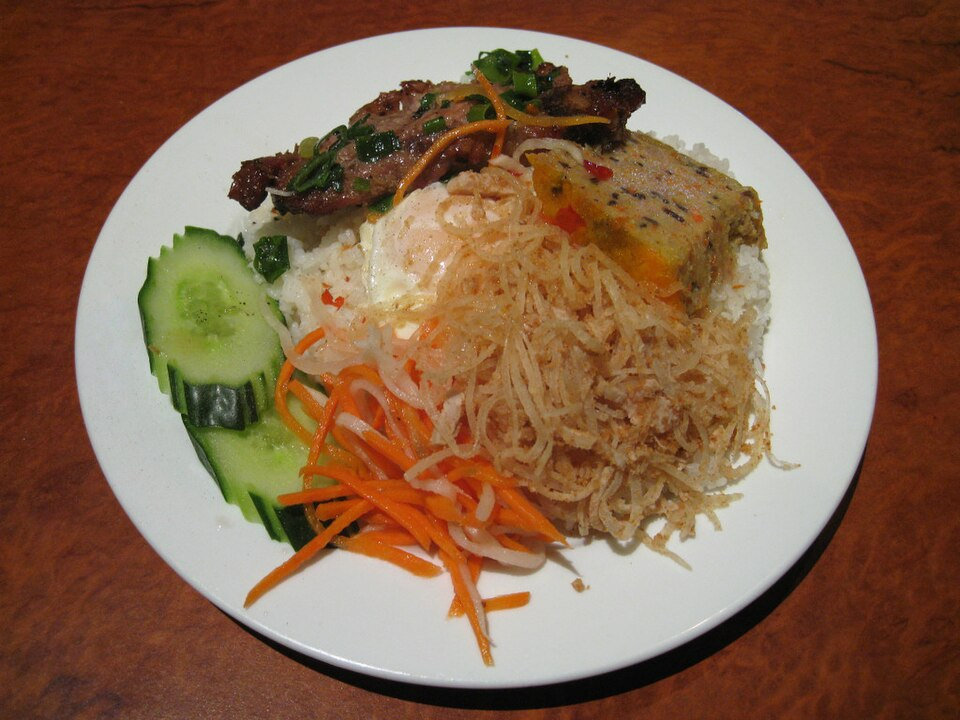
Cơm Tấm
Cơm Tấm
A Southern Vietnamese broken rice dish often served with grilled pork, egg, pickled vegetables, and fish sauce. It is especially popular in Saigon and is a filling, flavorful meal for lunch or dinner.
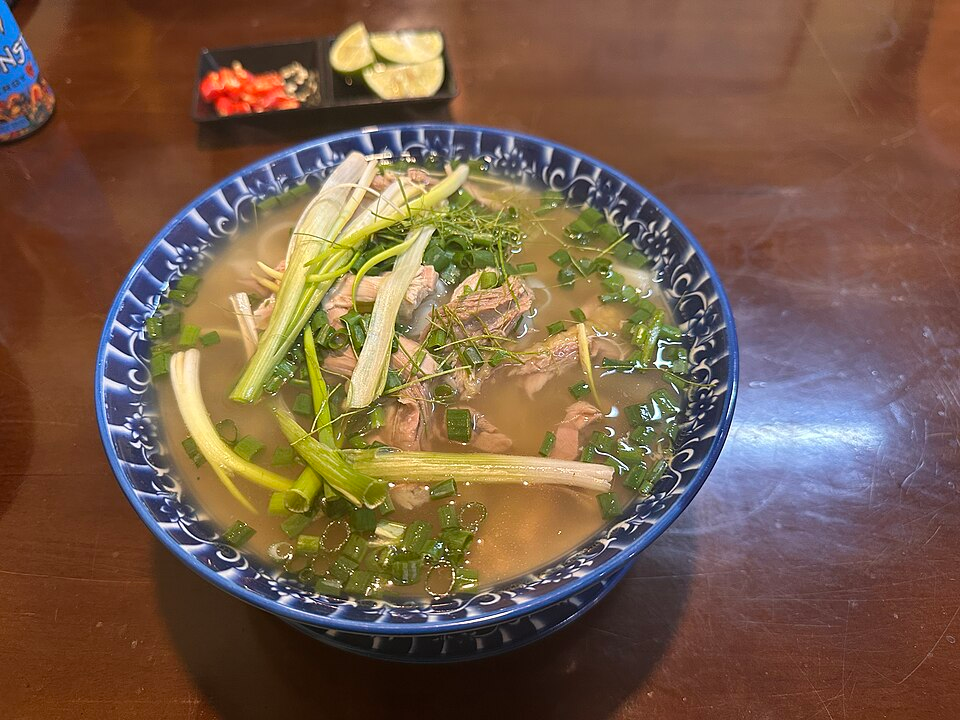
Phở Bò
Phở Bò
A famous Vietnamese noodle soup made with rice noodles, beef, fresh herbs, and a flavorful broth. It is one of the most iconic dishes in Vietnam and can be enjoyed for breakfast, lunch, or dinner.
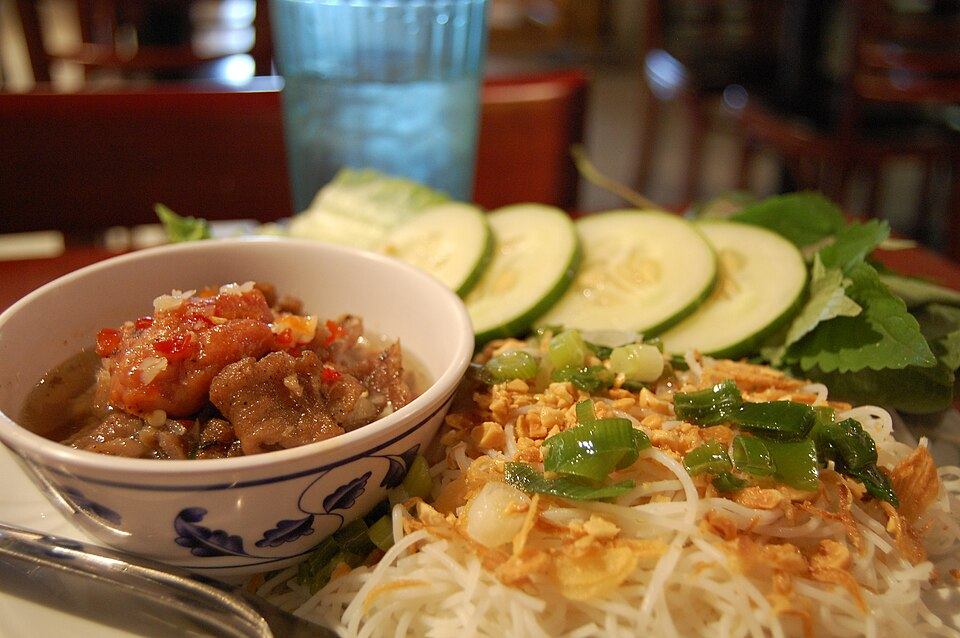
Bún Chả Hà Nội
Bún Chả Hà Nội
A Hanoi specialty made with grilled pork, rice noodles, fresh herbs, and dipping sauce. It is one of the most well-known dishes in Northern Vietnam and is a great option for travelers who want to try local Hanoi flavors.
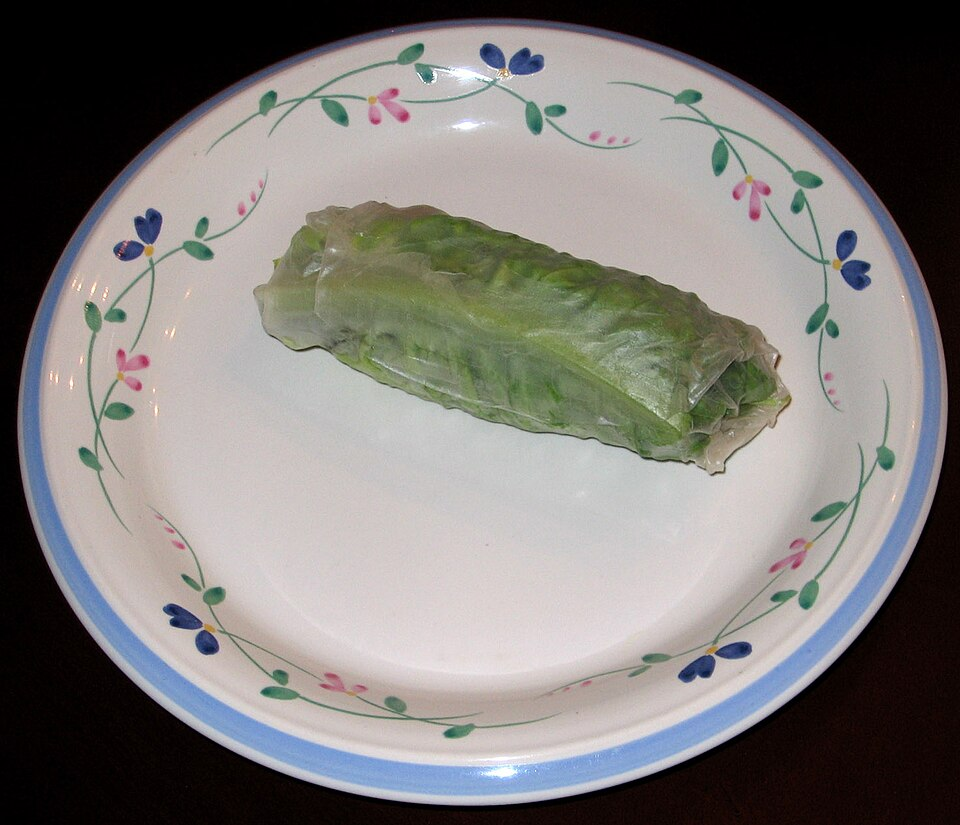
Gỏi Cuốn
Gỏi Cuốn
Fresh Vietnamese spring rolls made with rice paper, shrimp or pork, vermicelli noodles, lettuce, and herbs. They are usually served with dipping sauce and are a lighter, refreshing option for travelers.
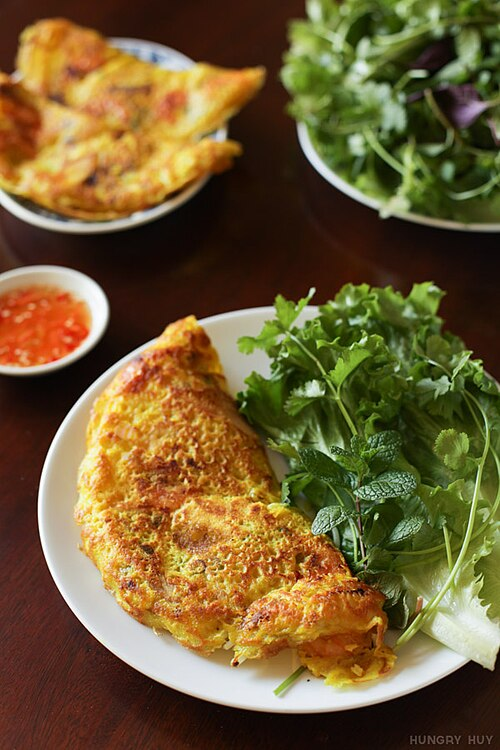
Bánh Xèo
Bánh Xèo
A crispy Vietnamese savory pancake made with rice flour, turmeric, pork, shrimp, and bean sprouts. It is usually wrapped with herbs and lettuce, then dipped in sauce. This dish is popular in many parts of Vietnam.
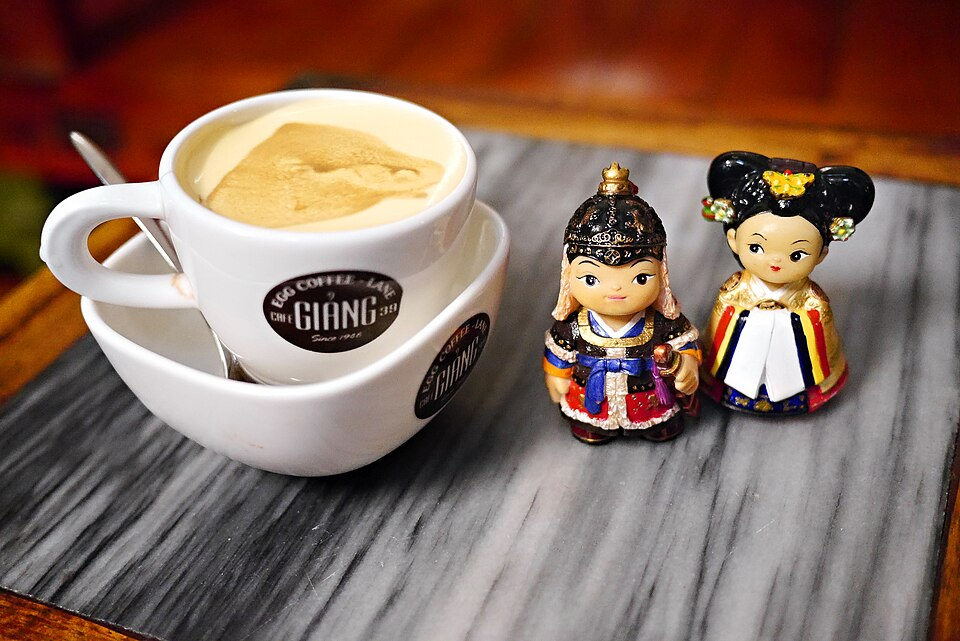
Cà Phê Trứng
Cà Phê Trứng
Hanoi egg coffee made with strong Vietnamese coffee topped with a creamy whipped egg mixture. It has a rich, dessert-like flavor and is a unique drink that many travelers enjoy trying in Hanoi.
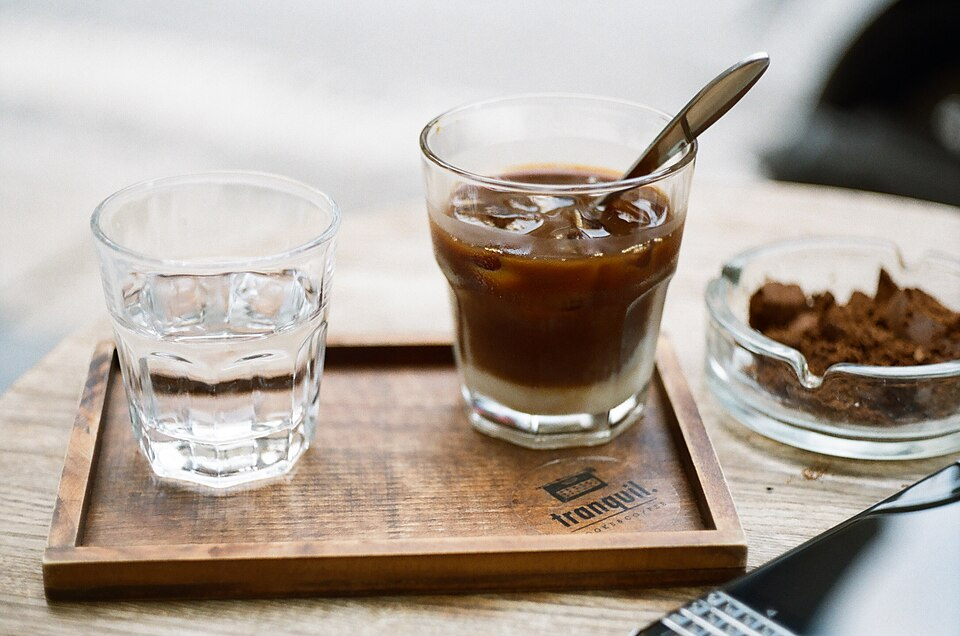
Cà Phê Sữa Đá
Cà Phê Sữa Đá
Vietnamese iced coffee made with strong coffee and sweetened condensed milk. It is rich, sweet, and refreshing, especially in warm weather. Travelers can find it easily throughout Vietnam.
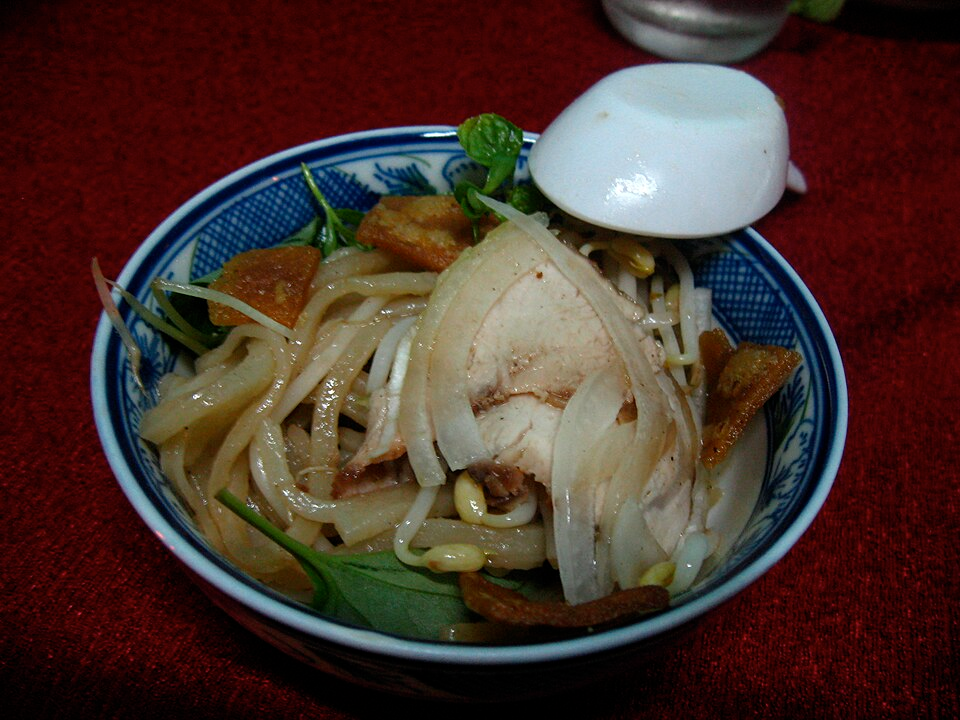
Cao Lầu
Cao Lầu
A specialty noodle dish from Hoi An made with thick noodles, pork, herbs, greens, and crispy toppings. Its flavor and texture are unique to Central Vietnam and closely connected to Hoi An’s local food culture
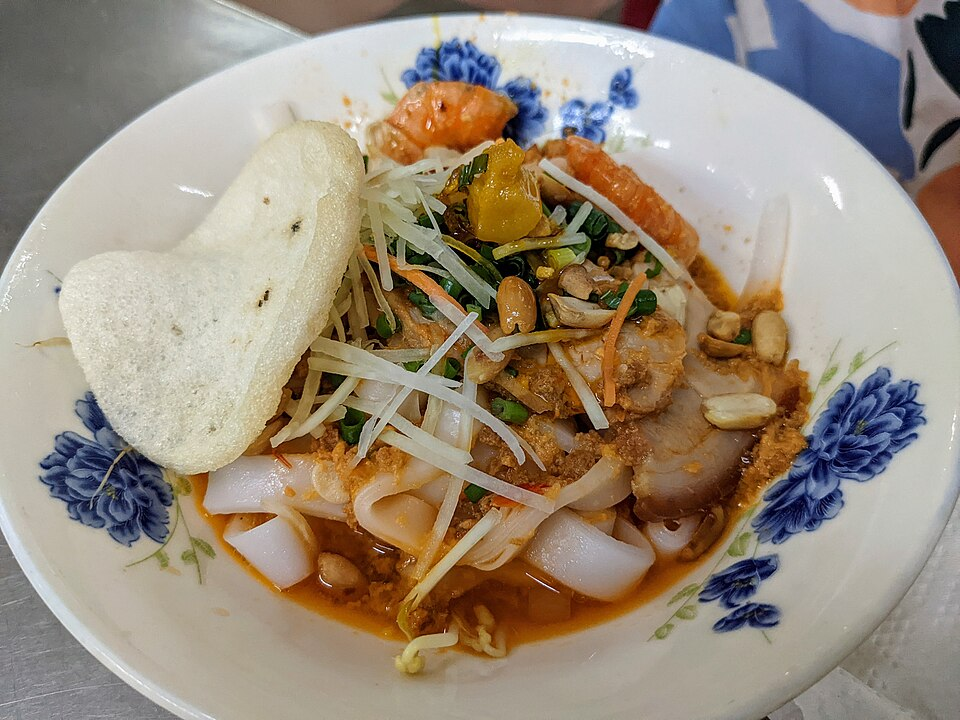
Mì Quảng
Mì Quảng
A Central Vietnamese noodle dish from Quang Nam, often served with turmeric noodles, shrimp or chicken, herbs, peanuts, rice crackers, and a small amount of flavorful broth. It is colorful, fragrant, and very local to the region.
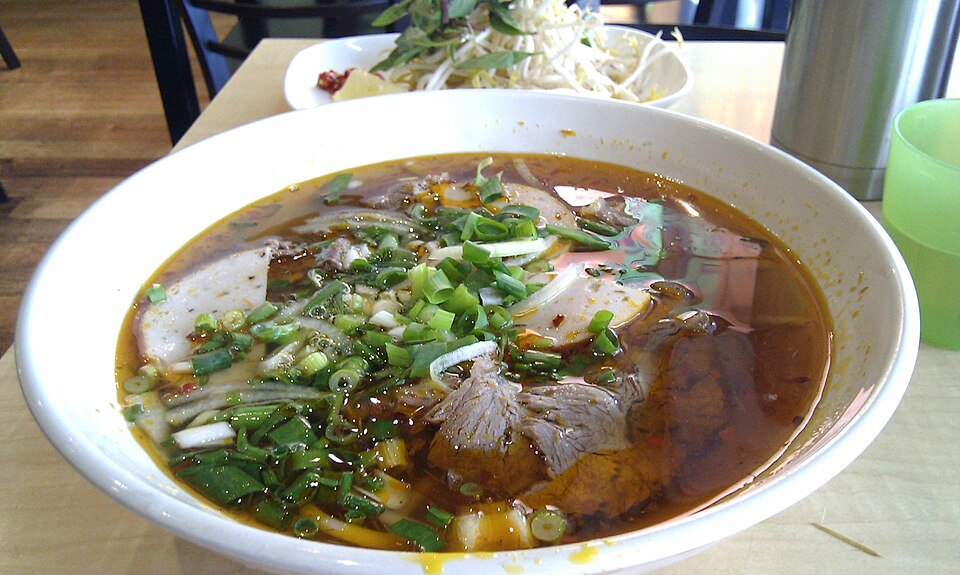
Bún Bò Huế
Bún Bò Huế
A spicy beef noodle soup from Hue, known for its rich broth, lemongrass aroma, beef, pork, and thick rice noodles. It is stronger and spicier than pho, making it a memorable Central Vietnamese dish.
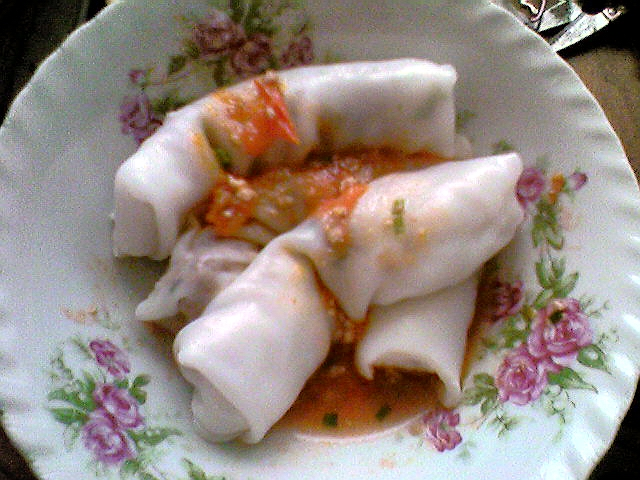
Bánh Cuốn
Bánh Cuốn
Thin steamed rice rolls filled with seasoned ground pork and mushrooms, often served with Vietnamese ham, fried shallots, herbs, and fish sauce. It is a light and popular dish in Northern Vietnam.
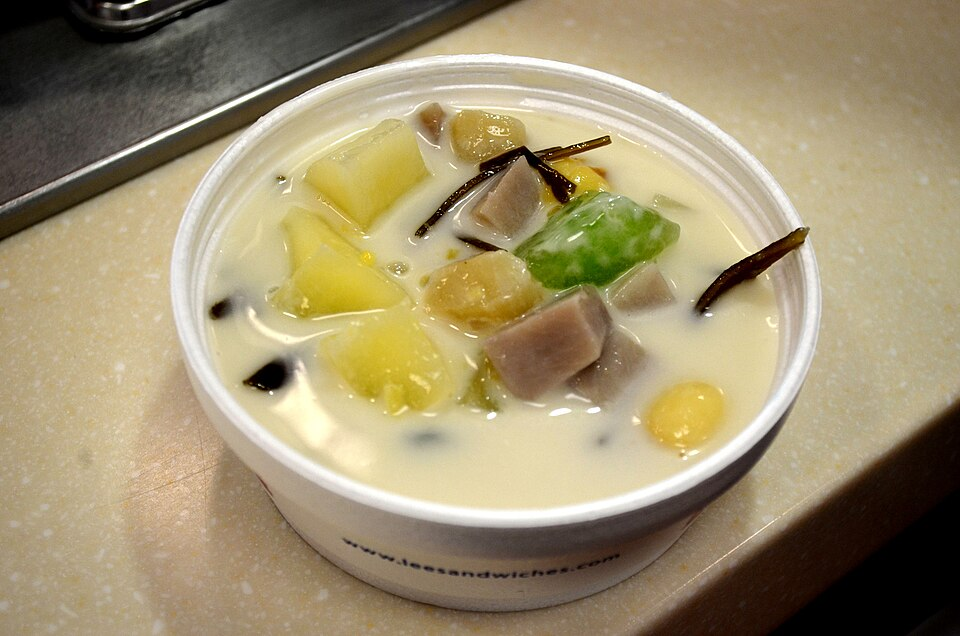
Chè Thưng
Chè Thưng
A sweet Vietnamese dessert soup often made with coconut milk, beans, peanuts, tapioca, and other ingredients. It is a traditional dessert with a rich, creamy, and mildly sweet flavor.
Pilgrimage Site Overview

Vietnam is a land where faith, history, culture, and natural beauty come together in a deeply meaningful way. This pilgrimage journey invites travelers to experience not only the famous landscapes of Vietnam, but also the spiritual heritage that has shaped Catholic life across the country.

From the historic streets of Hanoi to the misty mountains of Sapa, from the limestone wonders of Ha Long Bay and Ninh Binh to the sacred sites of Phat Diem, La Vang, Ta Pao, and Nui Cui, each destination offers a different window into Vietnam’s story. Travelers will encounter ancient traditions, local communities, regional cuisine, historic churches, Marian pilgrimage centers, and places where faith has been preserved through generations.

This journey is not only about visiting beautiful places, but also about walking with a prayerful heart. It is an opportunity to reflect, give thanks, strengthen one’s faith, and better understand the Catholic presence in Vietnam. Along the way, travelers will also experience the warmth of Vietnamese hospitality, the diversity of regional cultures, and the peaceful rhythm of daily life from the mountains to the rivers of the Mekong Delta.

This handbook is designed as a destination guide, not a day-by-day itinerary. It provides background, cultural notes, pilgrimage guidance, clothing suggestions, safety reminders, and practical travel information to help travelers prepare well and experience the journey with respect, comfort, and spiritual openness.

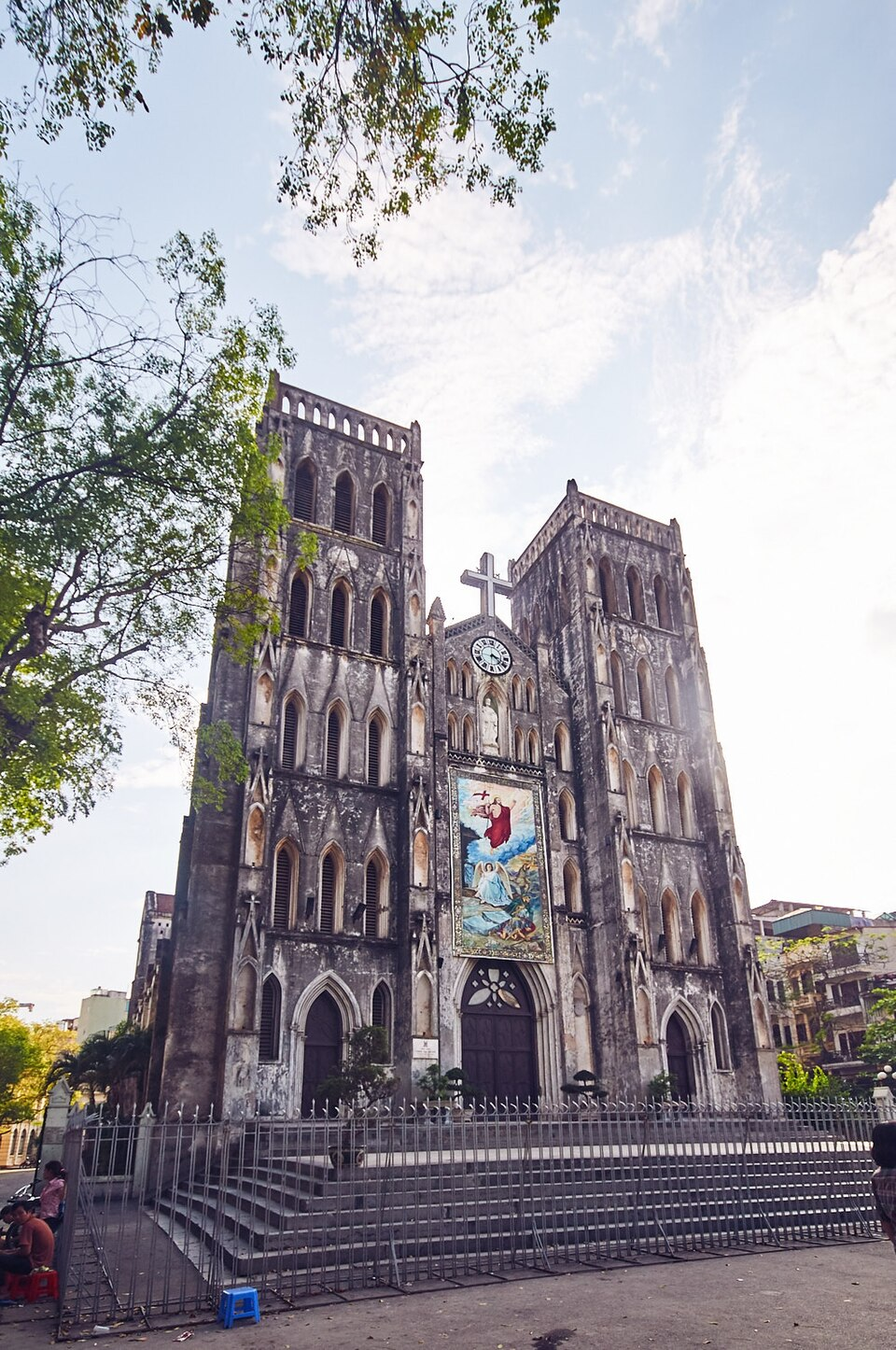
St. Joseph’s Cathedral, Hanoi
One of the most well-known Catholic churches in Hanoi, St. Joseph’s Cathedral is located in the heart of the Old Quarter. Its Gothic-inspired architecture, tall twin towers, and peaceful interior make it a meaningful stop for prayer and reflection in Vietnam’s capital.
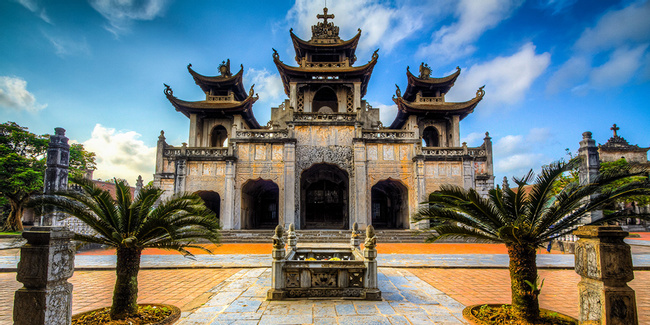
Phat Diem Cathedral, Ninh Binh
Phat Diem Cathedral is one of Vietnam’s most unique Catholic landmarks, famous for blending Vietnamese traditional architecture with Catholic church design. Built with stone, wood, tiled roofs, ponds, and courtyards, the complex reflects both faith and local culture.
Our Lady of La Vang, Quang Tri
La Vang is one of the most important Marian pilgrimage centers in Vietnam. It is deeply connected to the faith of Vietnamese Catholics and is a place where many pilgrims come to pray, give thanks, and seek comfort through the intercession of the Blessed Virgin Mary.
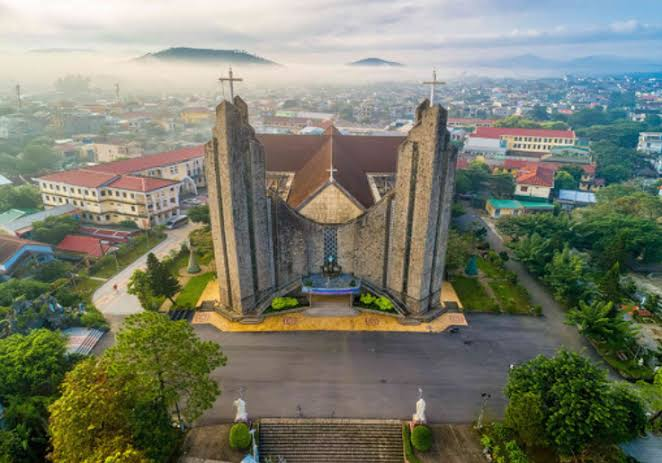
Hue Cathedral / Phu Cam Cathedral
Phu Cam Cathedral is an important Catholic church in Hue and serves as a major spiritual landmark of the city. Its modern architecture and elevated location make it a recognizable symbol of the Catholic community in Central Vietnam.
Tra Kieu Church, Quang Nam
Tra Kieu Church is a historic Marian pilgrimage site in Central Vietnam. The site is associated with the devotion to Our Lady of Tra Kieu and remains a meaningful place of prayer for Vietnamese Catholics.
Mang Den Pilgrimage Center, Kon Tum
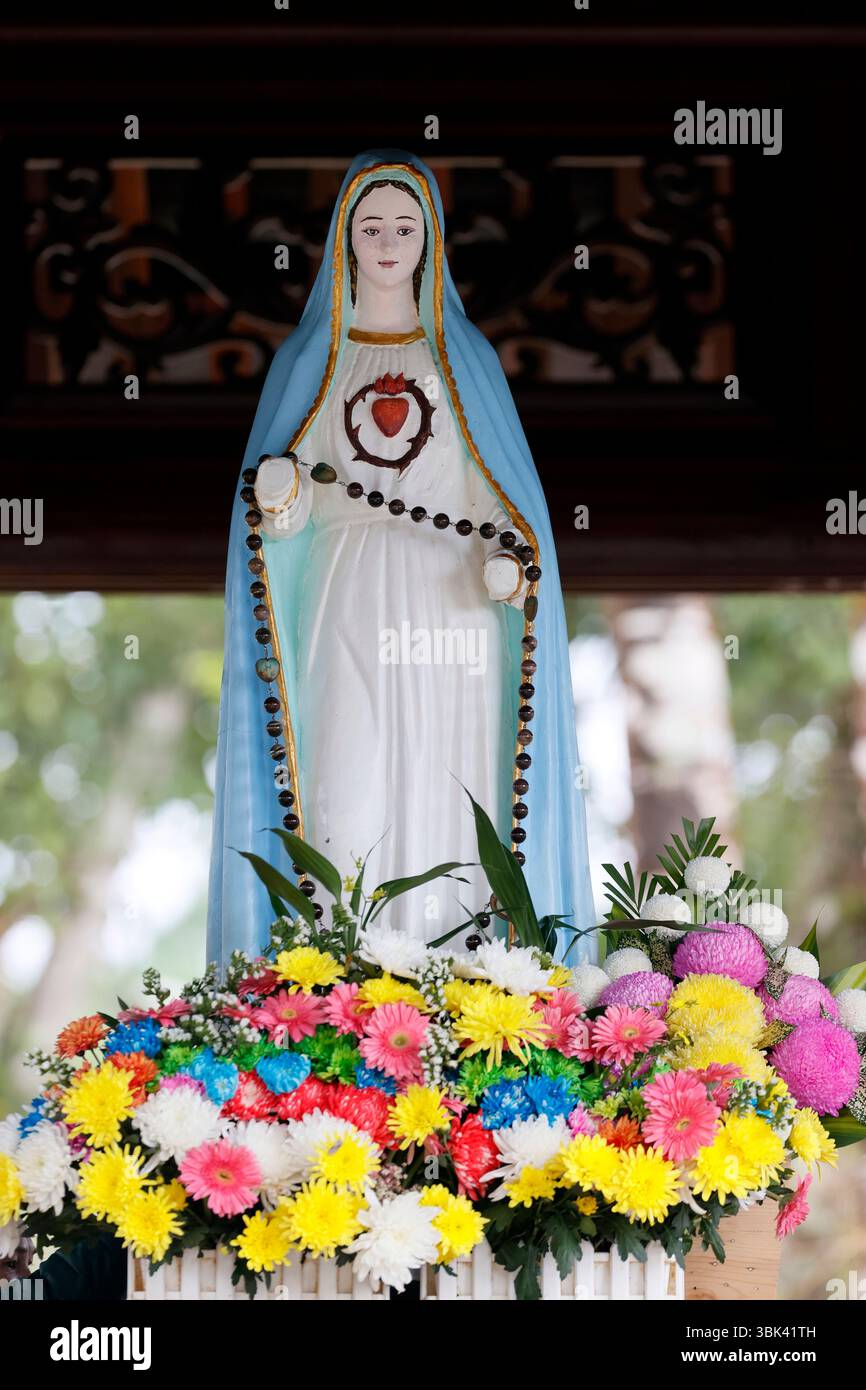
Mang Den is known for its cool climate, pine forests, and peaceful mountain atmosphere. The pilgrimage site is associated with Our Lady of Mang Den and offers travelers a quiet place for prayer, reflection, and spiritual rest.
Kon Tum Wooden Church
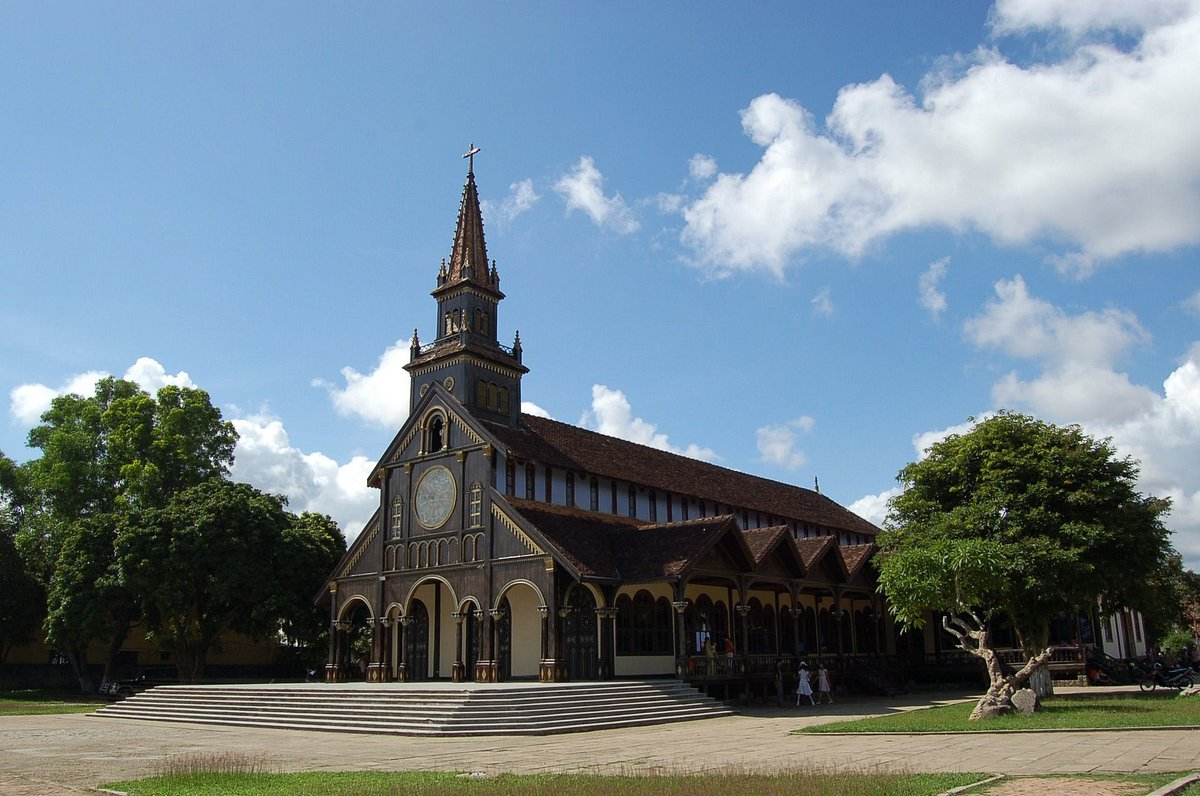
The Kon Tum Wooden Church is a beautiful Catholic landmark built mainly with wood and influenced by both Romanesque design and local Central Highlands culture. It reflects the long history of Catholic missionary presence among ethnic communities in the region.
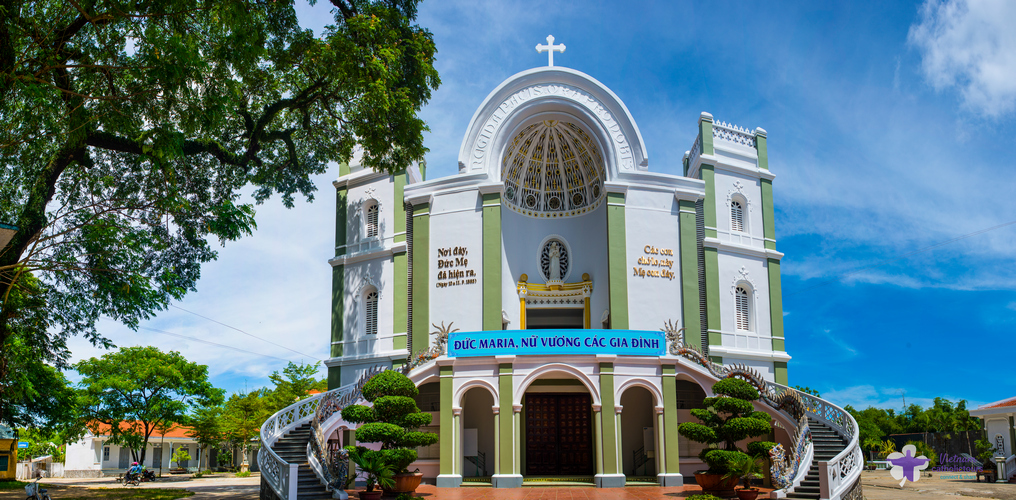
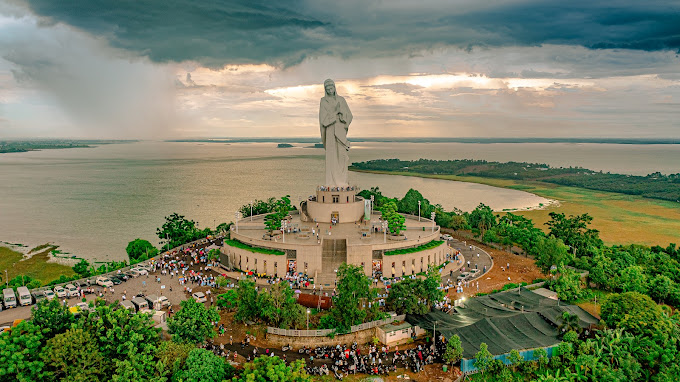
Ta Pao Pilgrimage Center, Binh Thuan
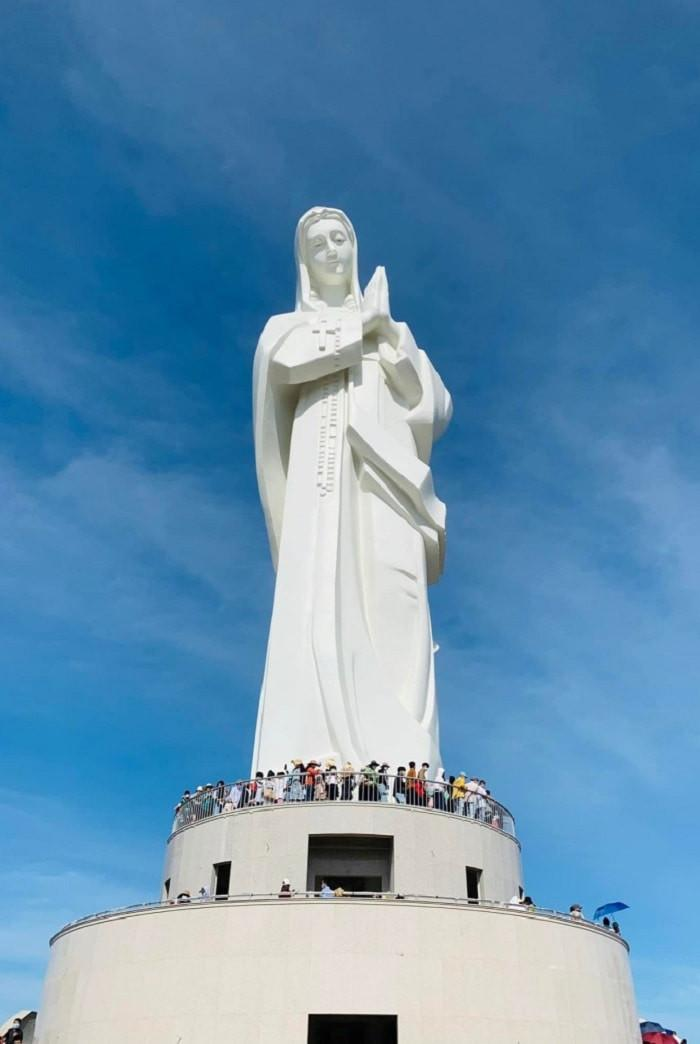
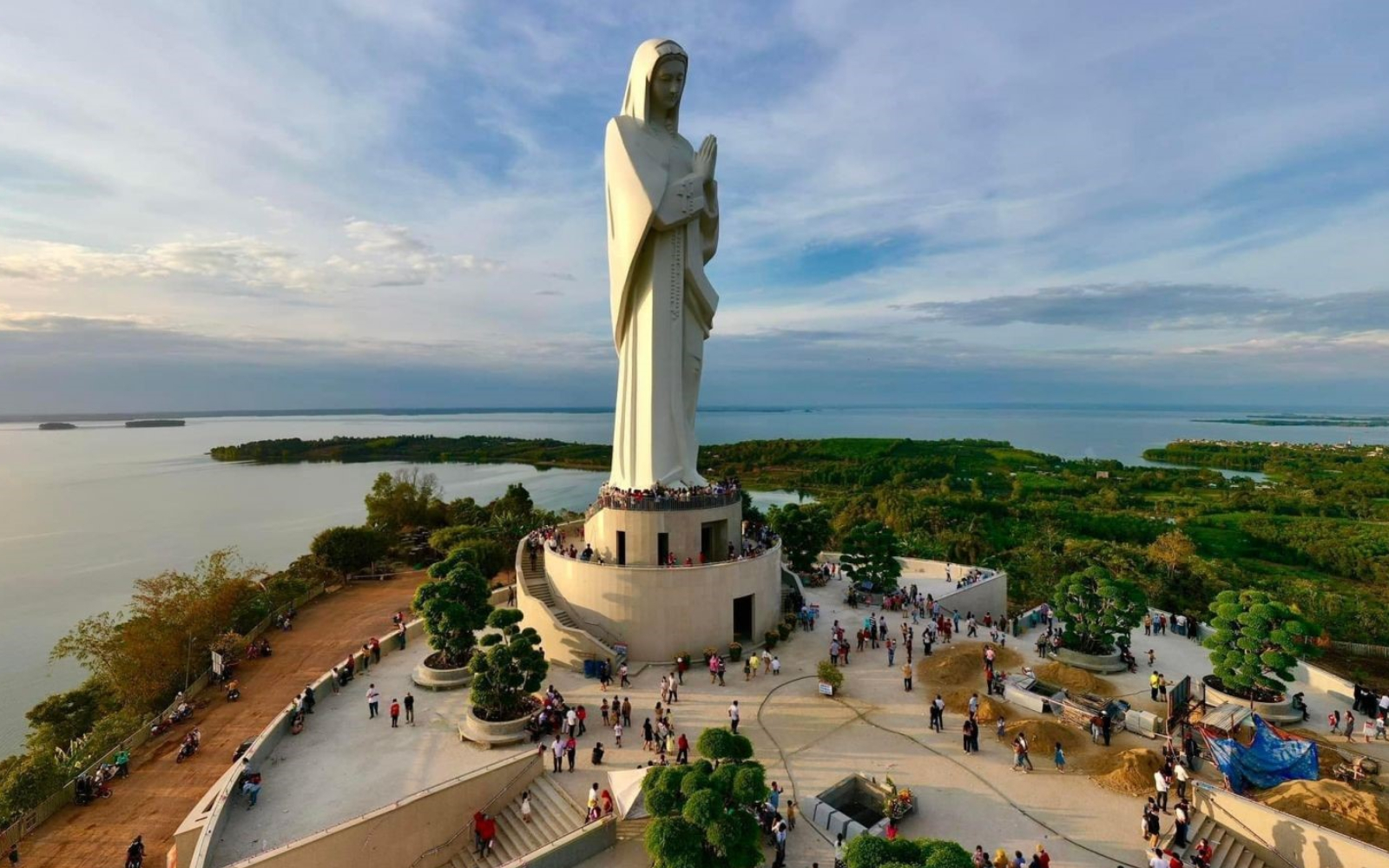
Ta Pao is one of the most visited Marian pilgrimage sites in Southern Vietnam. Pilgrims often climb the hill to pray before the statue of Our Lady of Ta Pao, asking for peace, healing, and blessings for their families.
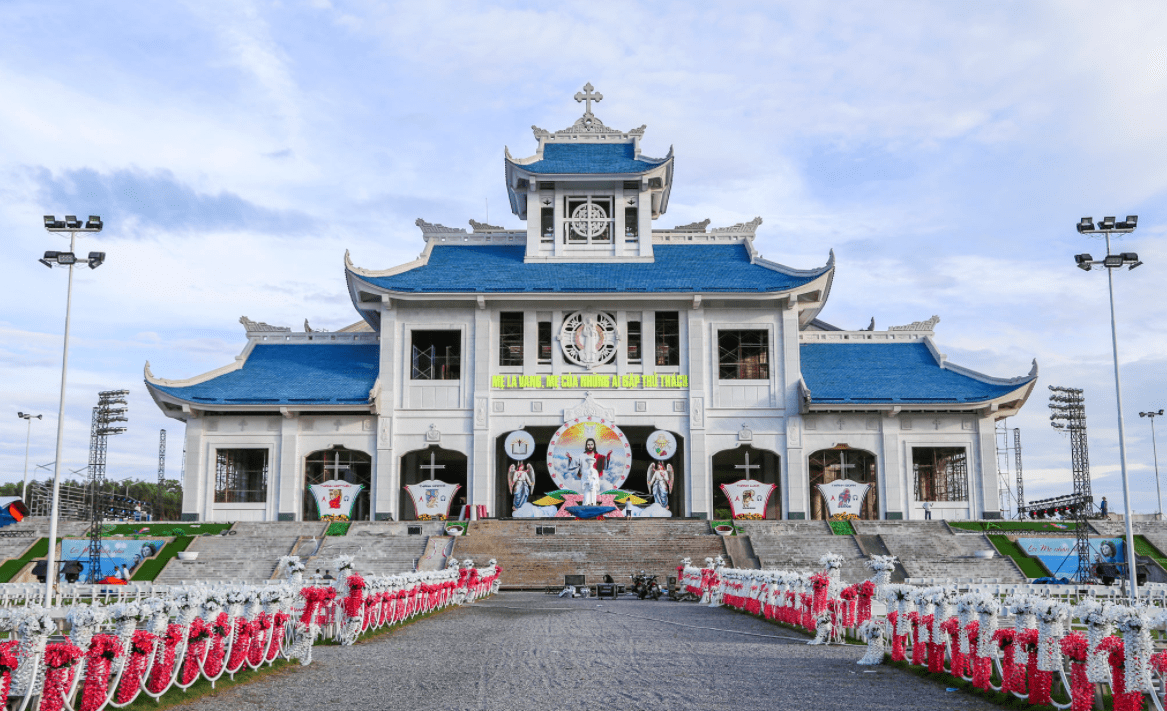
Nui Cui Pilgrimage Center, Dong Nai
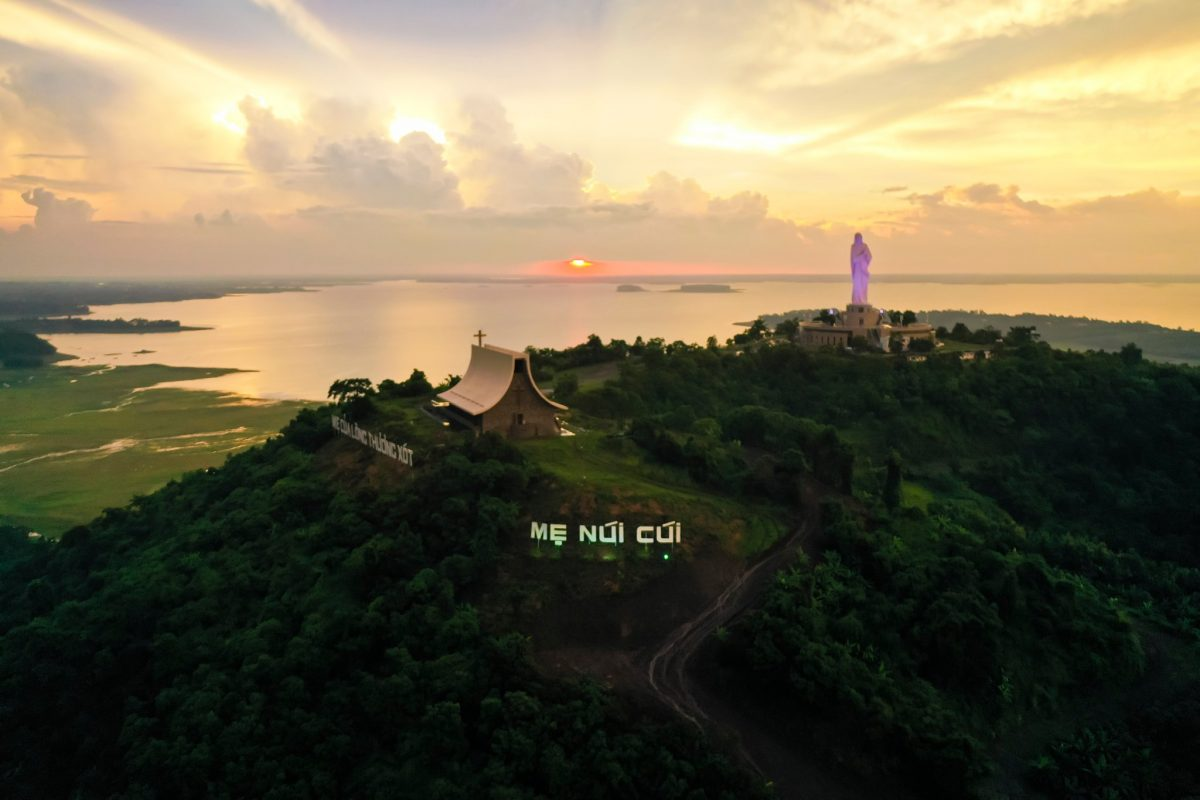
Nui Cui is a growing Catholic pilgrimage center in Southern Vietnam, known for its large religious complex and peaceful natural setting. It is a place for prayer, Mass, reflection, and community pilgrimage gatherings.
Notre-Dame Cathedral Basilica of Saigon
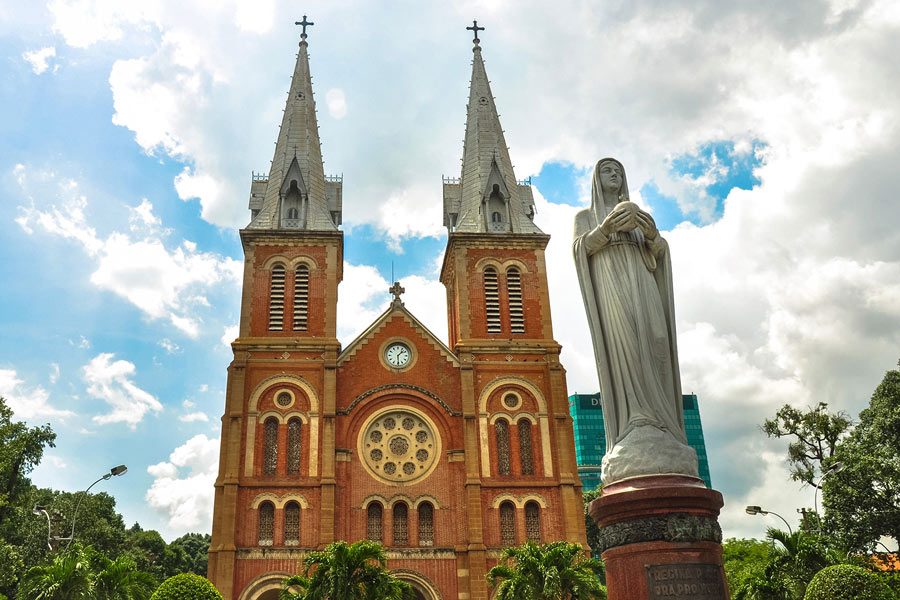
Located in the center of Ho Chi Minh City, Notre-Dame Cathedral Basilica of Saigon is one of the most famous Catholic landmarks in Vietnam. Its red-brick exterior, twin bell towers, and historic presence reflect the Catholic heritage of the city.
Tan Dinh Church, Ho Chi Minh City
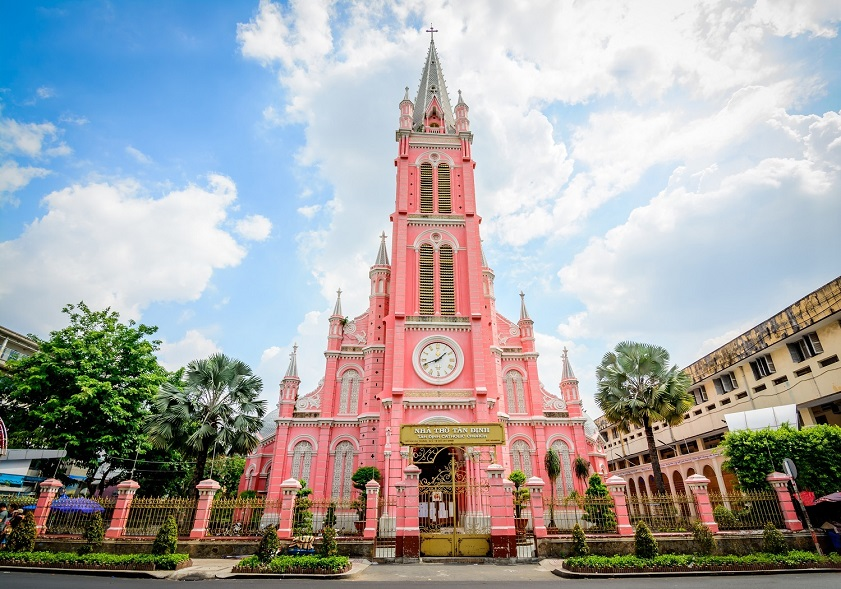
Tan Dinh Church is known for its striking pink exterior and Gothic-style architecture. It is one of the most recognizable churches in Ho Chi Minh City and a memorable stop for visitors interested in Catholic heritage and local architecture.
Fatima Binh Trieu Pilgrimage Center, Ho Chi Minh City
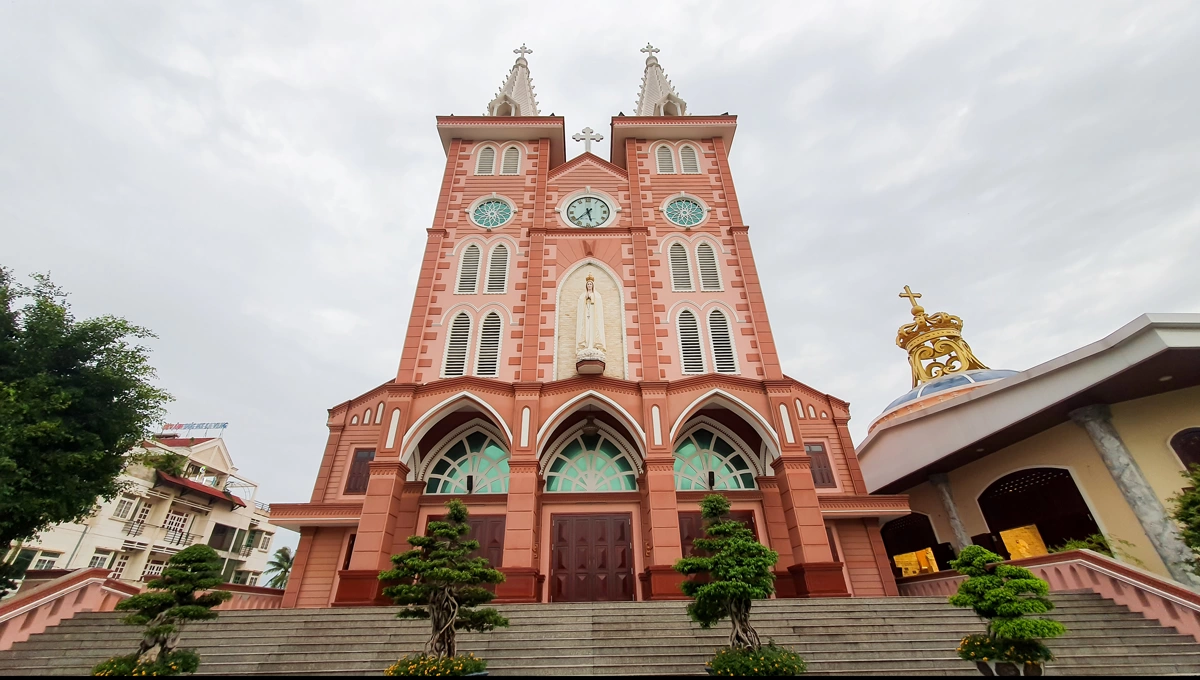
Fatima Binh Trieu is a Marian pilgrimage site where many Catholics come to pray, attend Mass, and honor Our Lady of Fatima. It is a meaningful spiritual stop for pilgrims visiting Southern Vietnam.
Explore Vietnam In Depth  ◆  Carnival US Travel Curated
Hanoi
✦ WE GO HERE
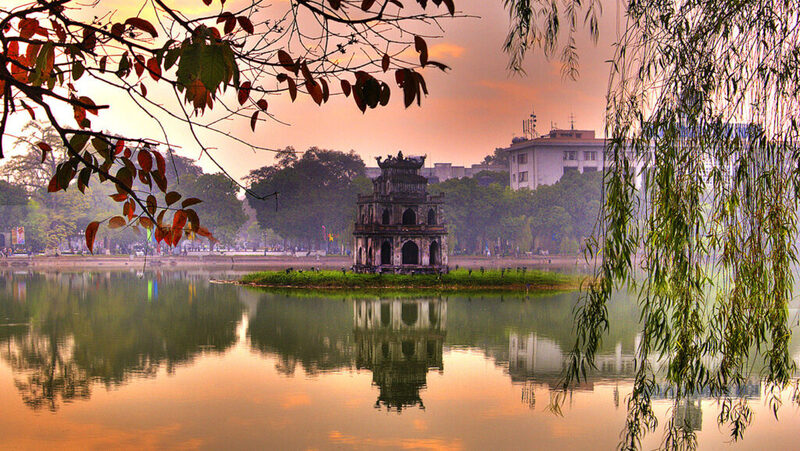
Vietnam’s thousand-year-old capital, where history, culture, faith, and daily life come together.
Hanoi
Pilgrimage Leisure
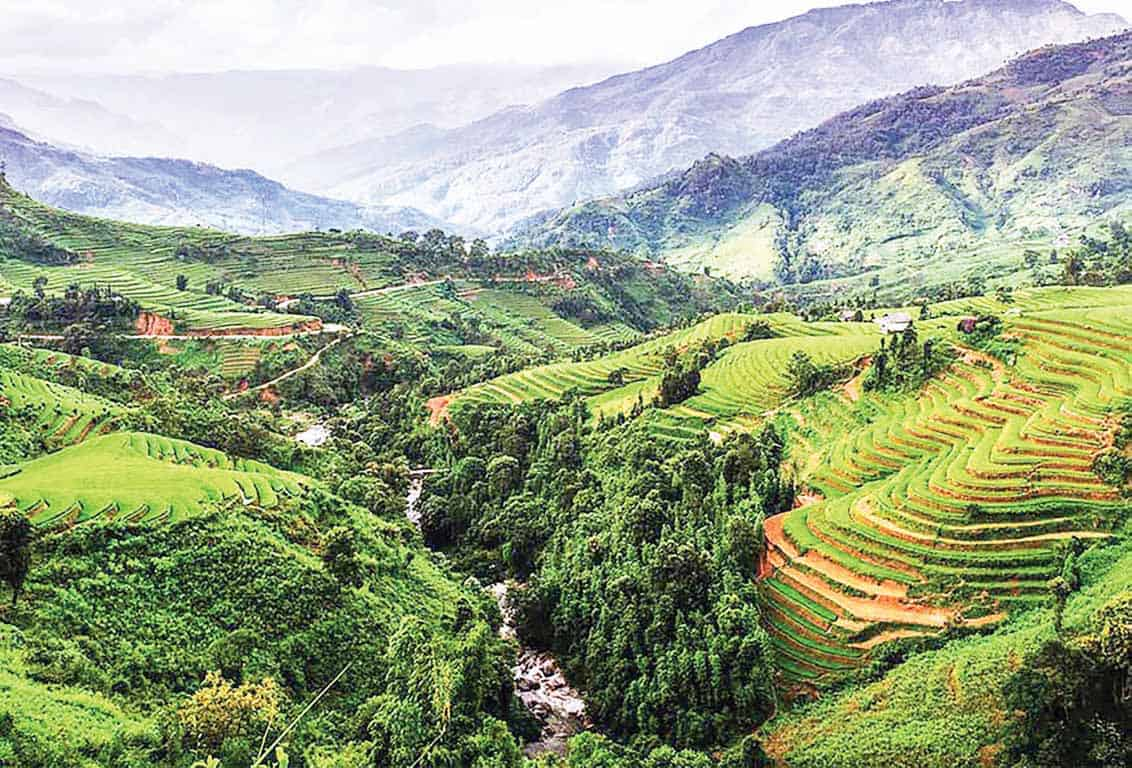
Sapa
✦ WE GO HERE
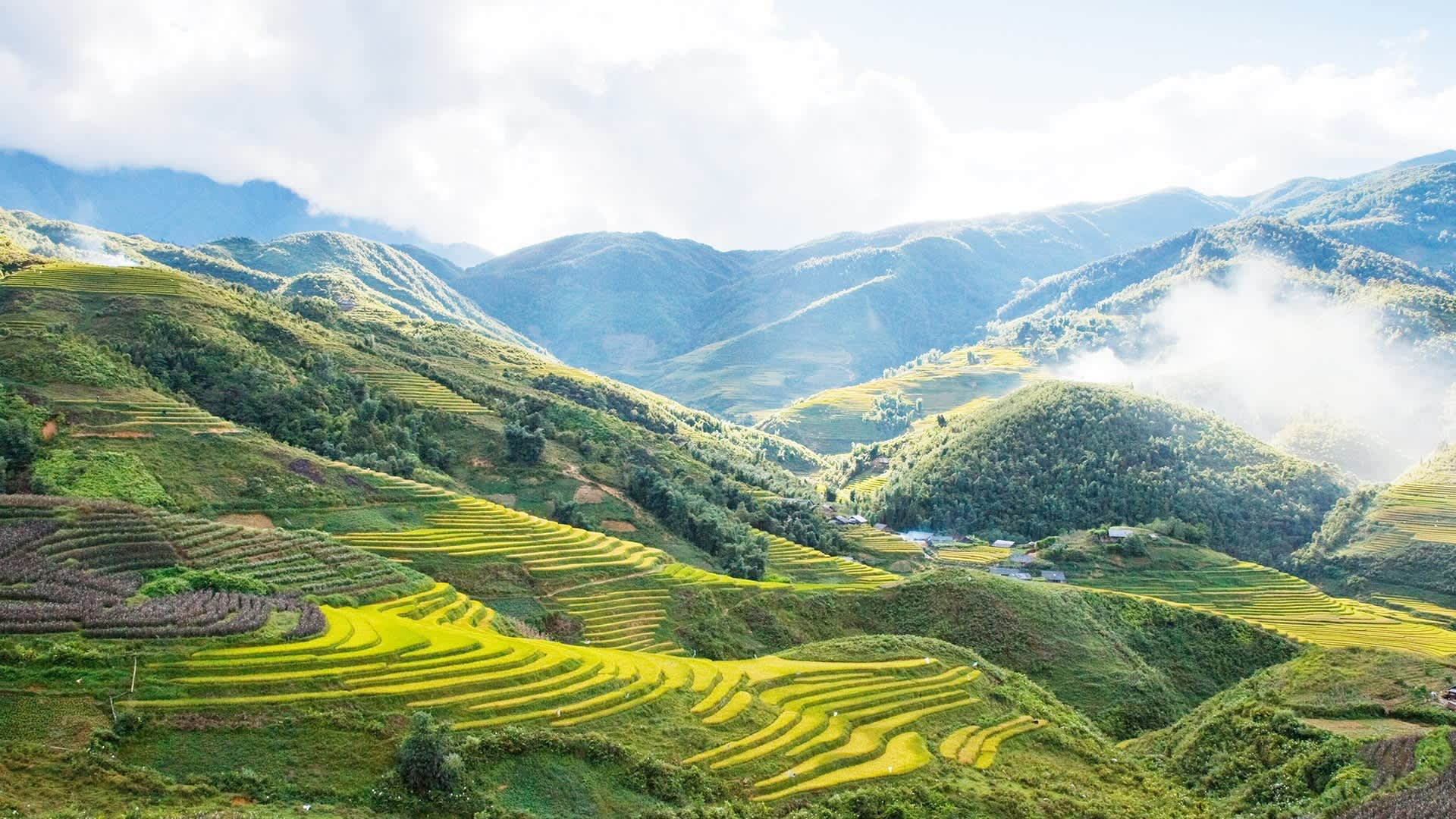
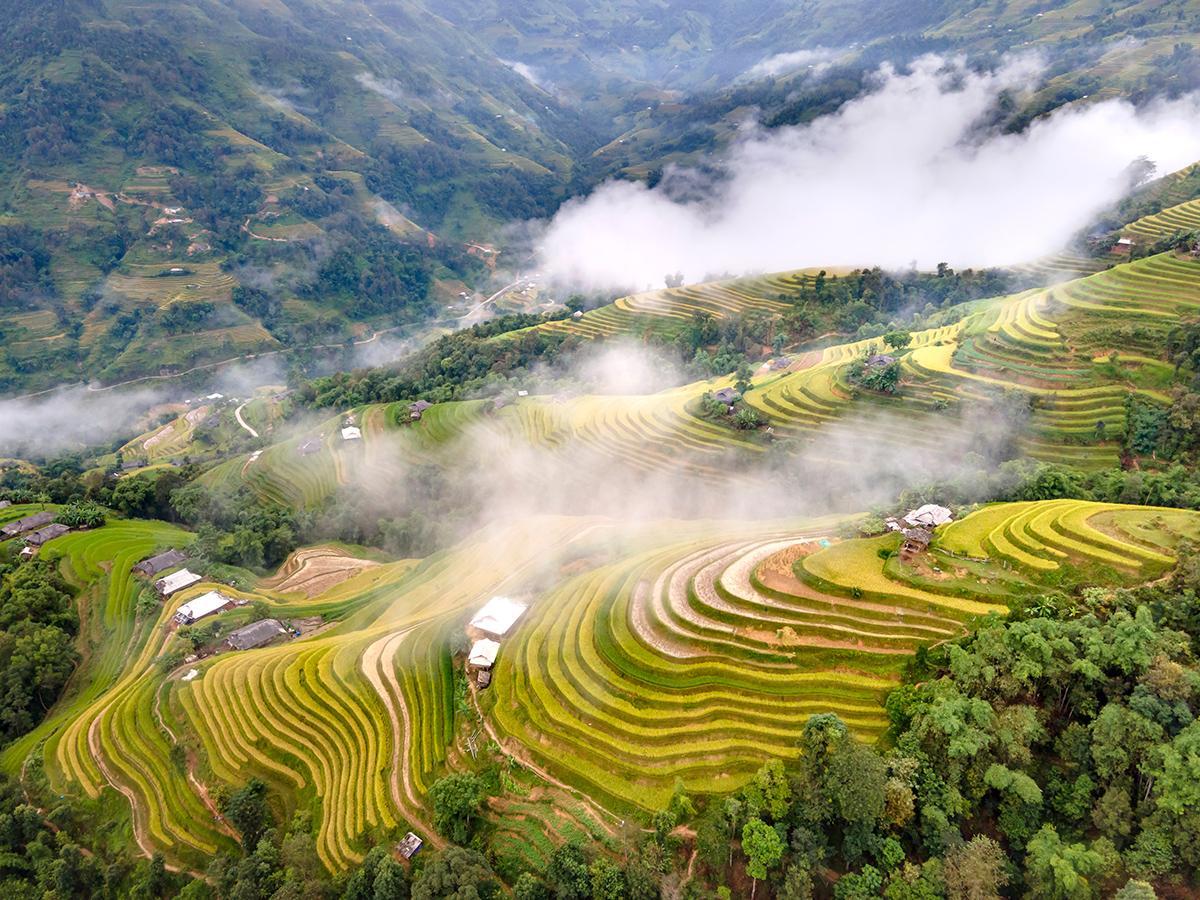
A misty mountain town known for cool weather, terraced rice fields, and ethnic minority cultures.
Sapa
Leisure
Ha Long Bay
✦ WE GO HERE
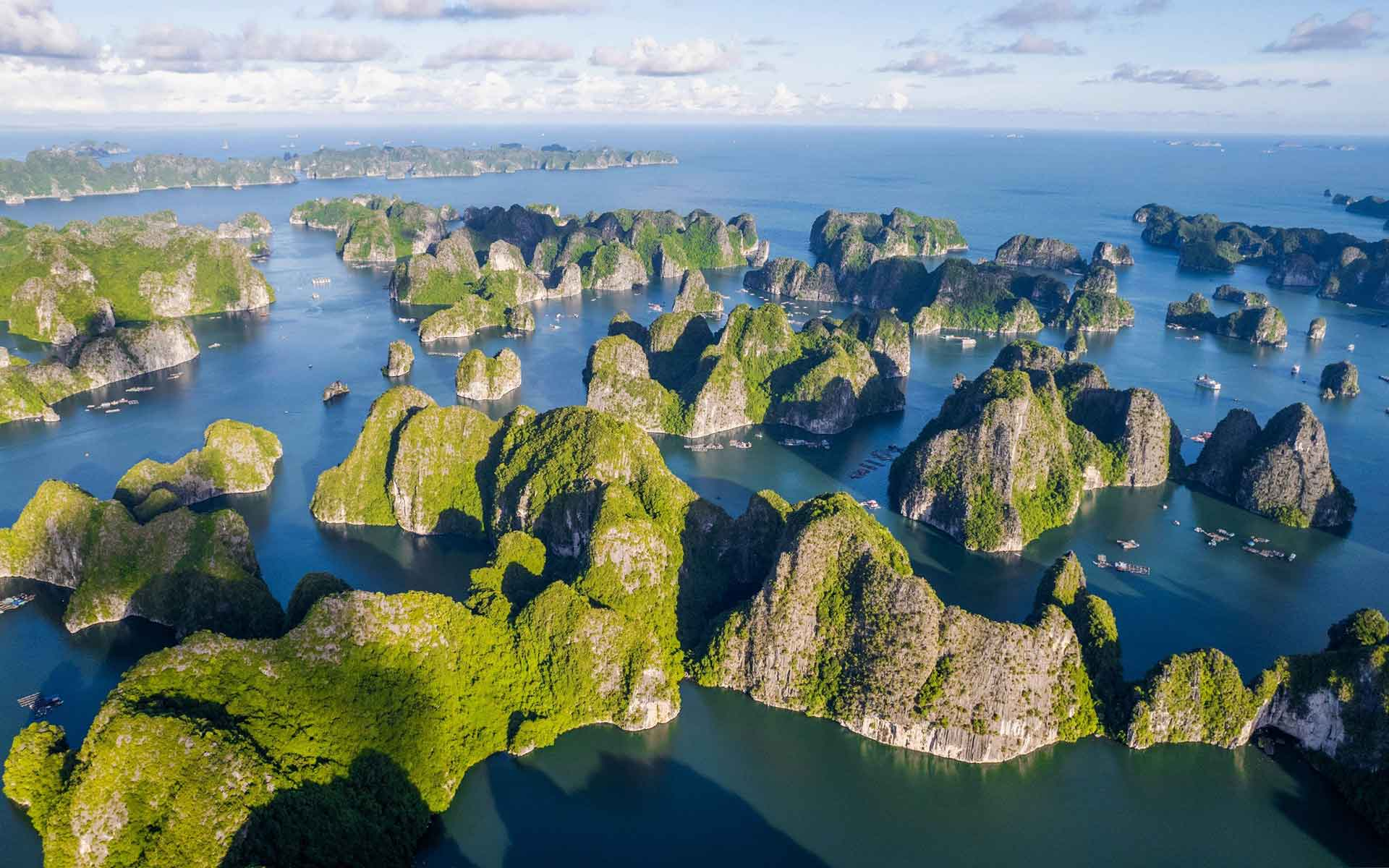
A UNESCO-listed natural wonder famous for dramatic limestone islands rising from emerald water.
Ha Long Bay
Leisure Cruise
Ninh Binh
✦ WE GO HERE
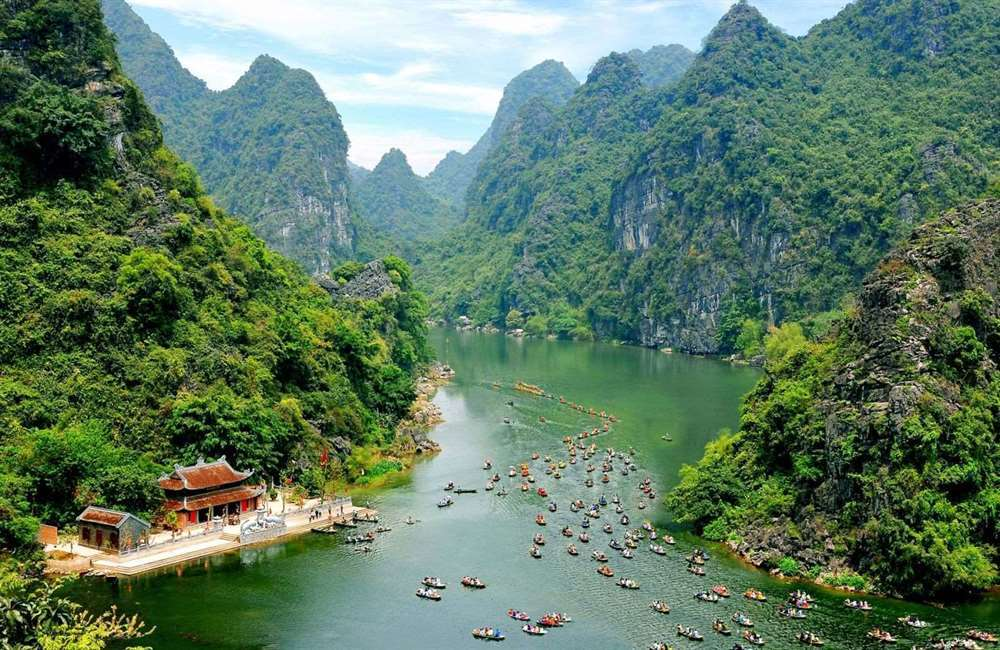
A peaceful heritage region known for rivers, limestone landscapes, and the historic Phat Diem Cathedral.
Ninh Binh
Pilgrimage Leisure
Quang Binh
✦ WE GO HERE
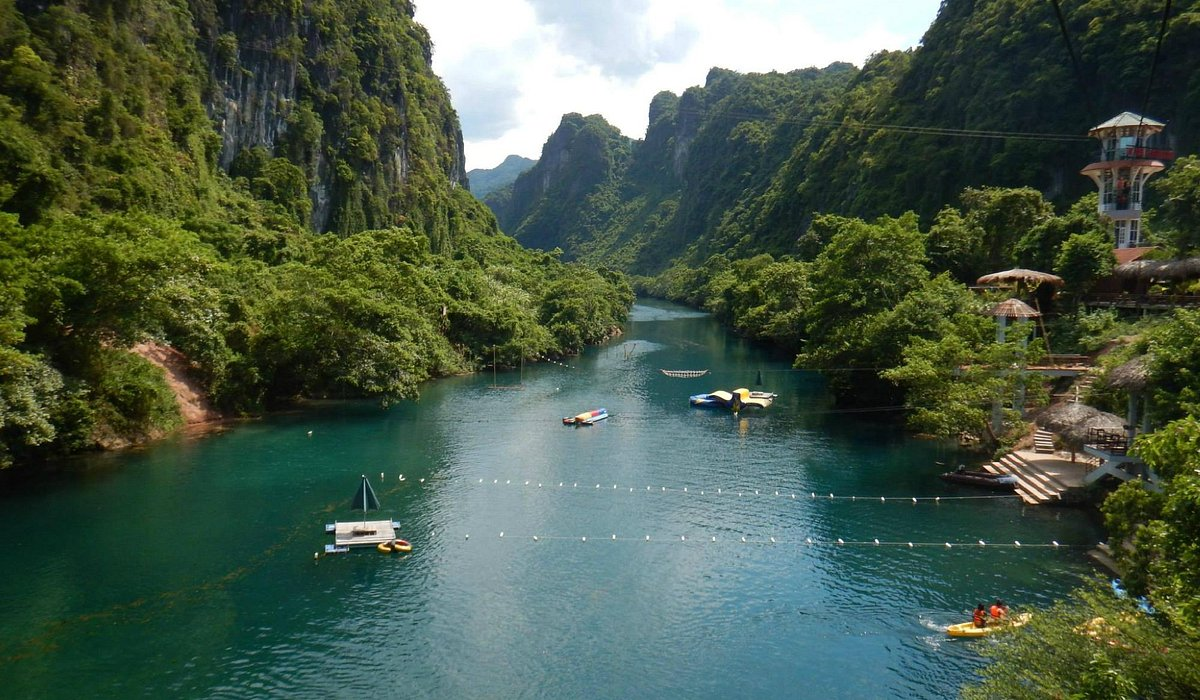
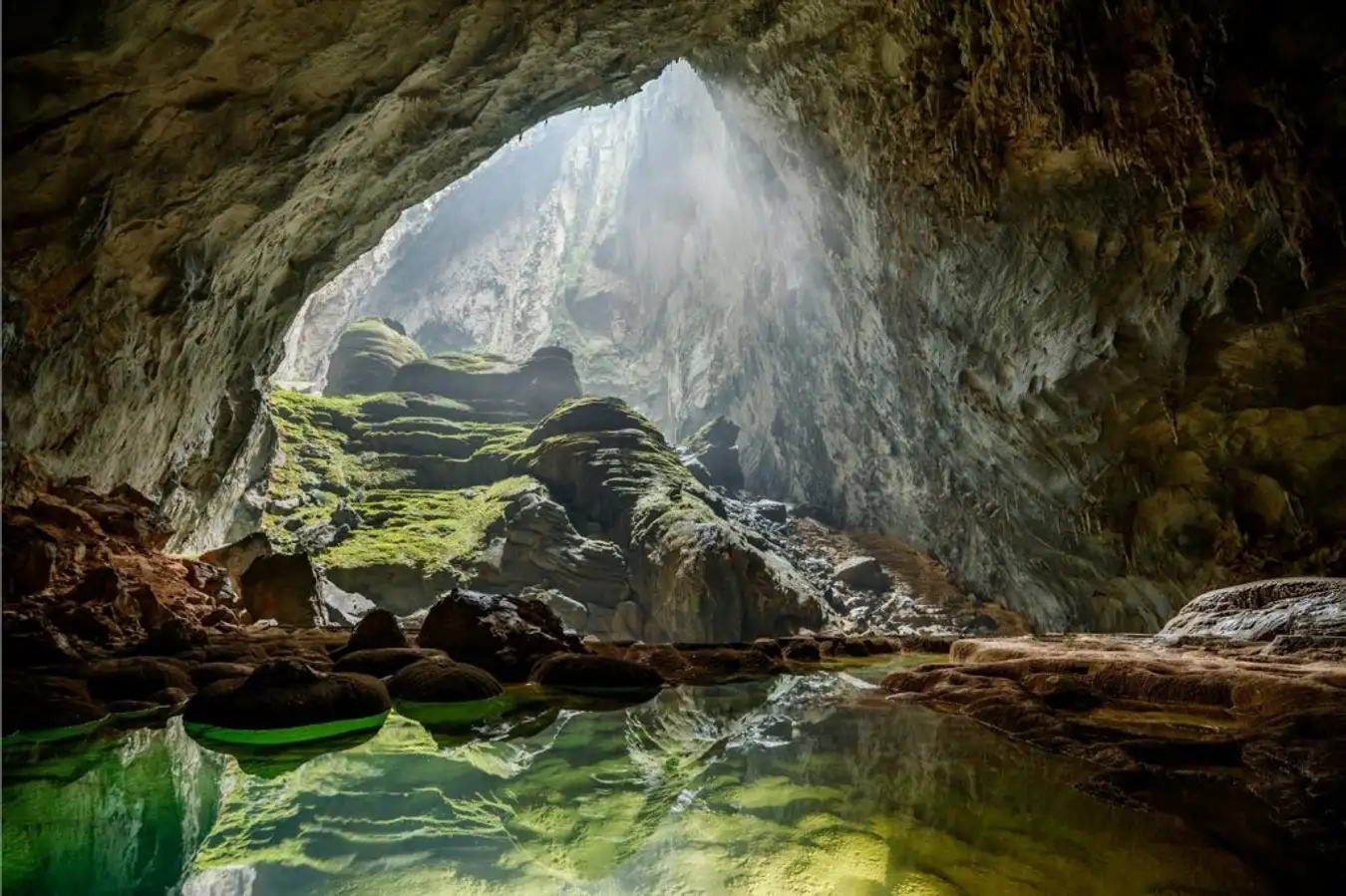
A land of caves, mountains, and natural beauty, offering a quieter side of Central Vietnam.
Quang Binh
Leisure
Quang Tri / La Vang
✦ WE GO HERE
A sacred pilgrimage destination deeply connected to Vietnamese Catholic faith and Marian devotion.
Quang Tri / La Vang
Pilgrimage
✦ WE GO HERE
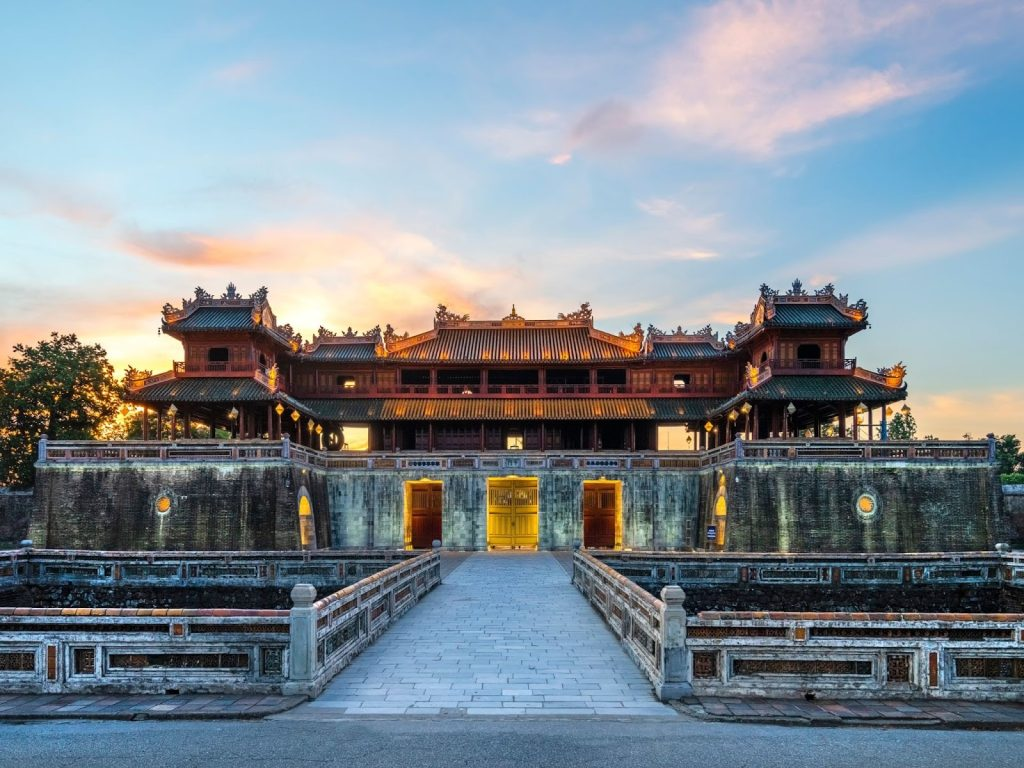
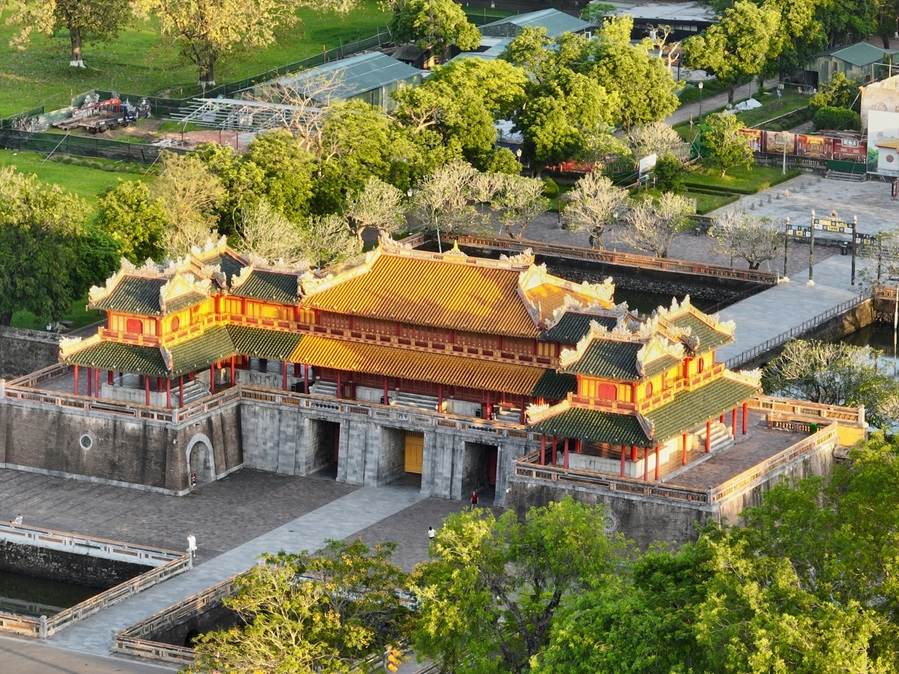
Vietnam’s former imperial capital, rich in royal history, spiritual heritage, and peaceful river scenery.
Hue
Pilgrimage Leisure
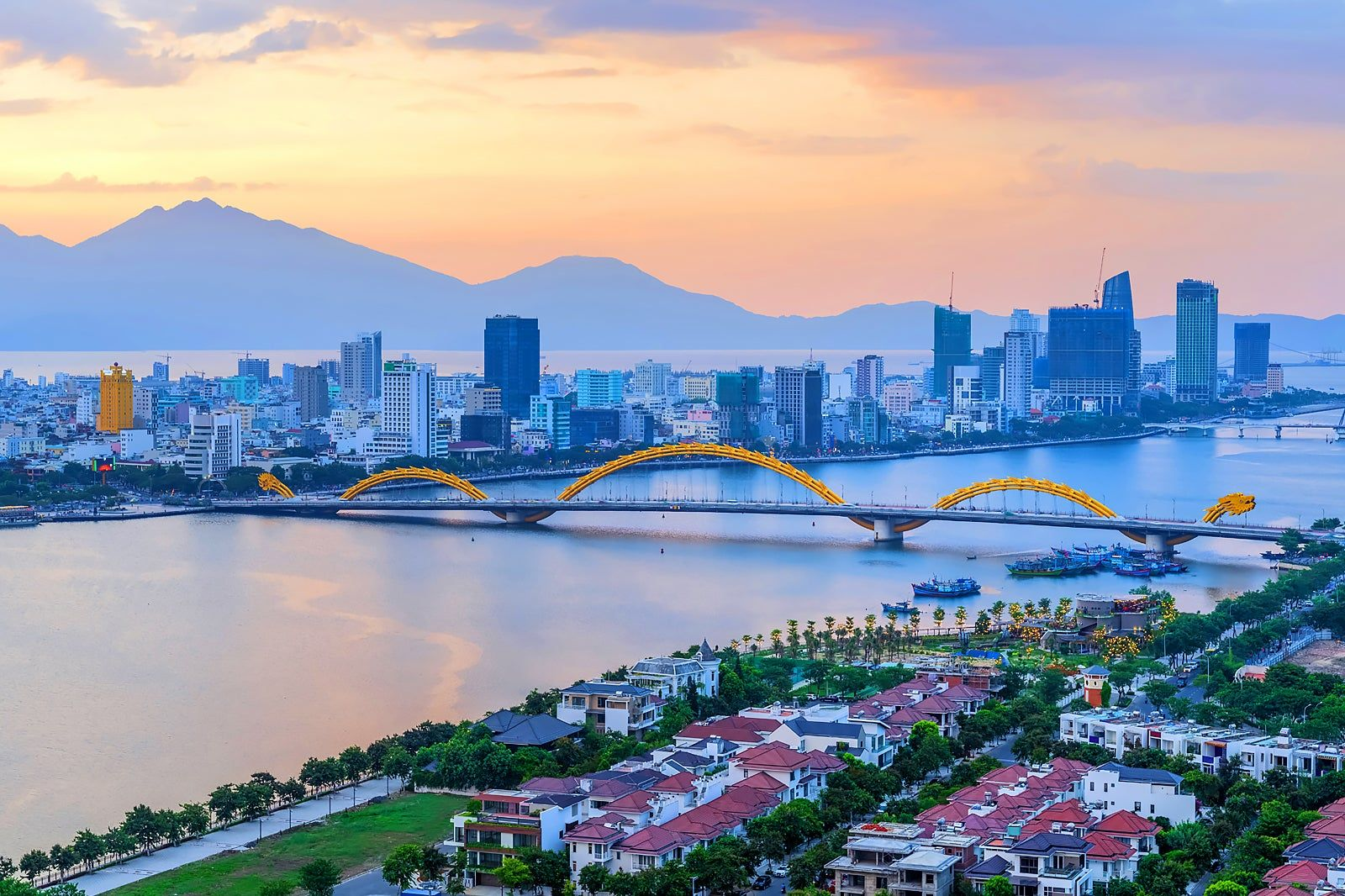
✦ WE GO HERE
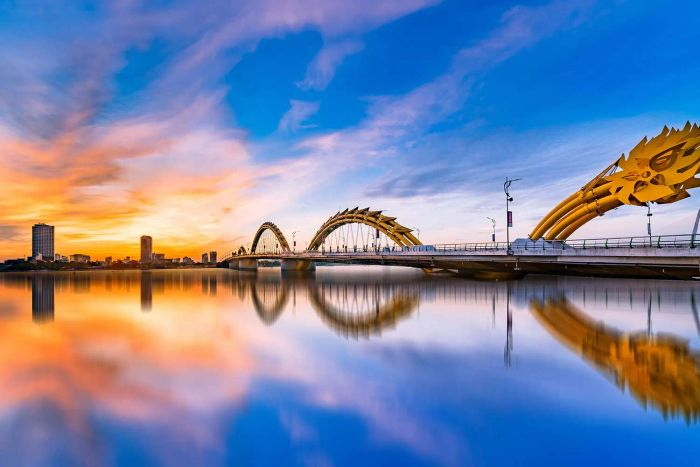
A coastal city known for beaches, bridges, seafood, and easy access to Central Vietnam’s cultural sites.
Da Nang
Leisure
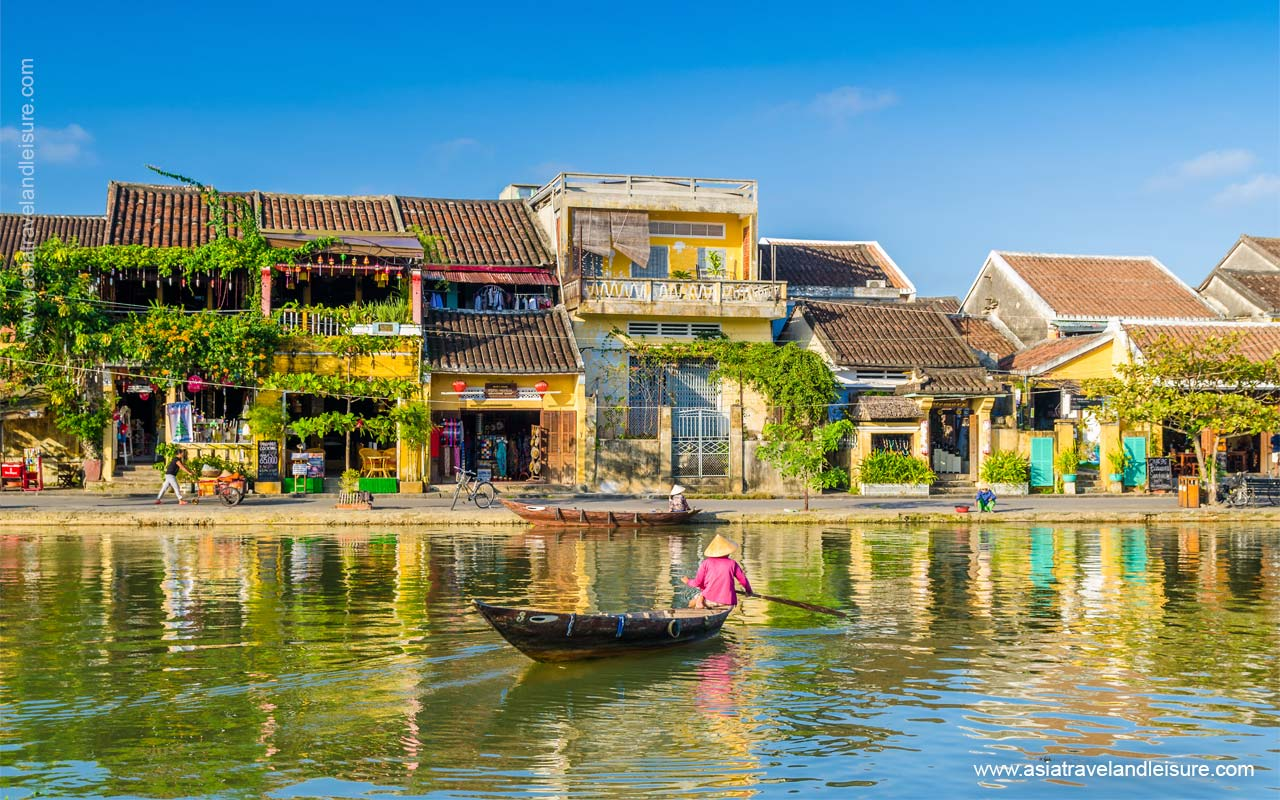
✦ REFERENCE
A charming heritage area known for lantern streets, traditional architecture, and local Central Vietnamese food.
Hoi An / Quang Nam
Leisure
✦ WE GO HERE
A peaceful highland region known for wooden churches, ethnic culture, pine forests, and cool weather.
Kon Tum / Central Highlands
Pilgrimage Leisure
✦ WE GO HERE
A quiet mountain retreat with cool air, pine forests, and a peaceful pilgrimage atmosphere.
Mang Den
Pilgrimage Leisure
✦ WE GO HERE
A Southern pilgrimage region known for the hilltop statue of Our Lady of Ta Pao.
Binh Thuan / Ta Pao
Pilgrimage
✦ WE GO HERE
A growing Catholic pilgrimage destination with a peaceful natural setting and large religious complex.
Dong Nai / Nui Cui
Pilgrimage
✦ WE GO HERE
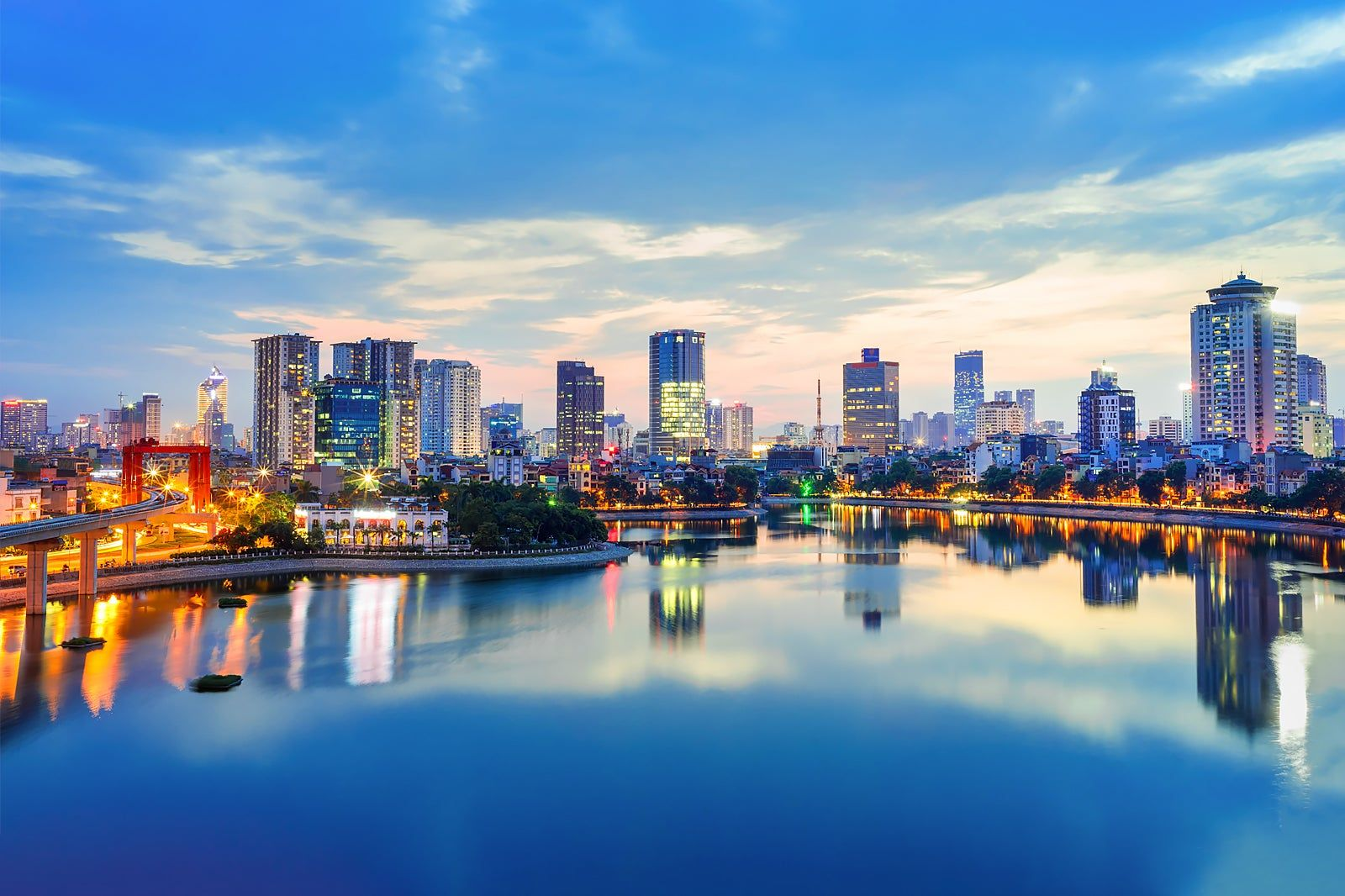
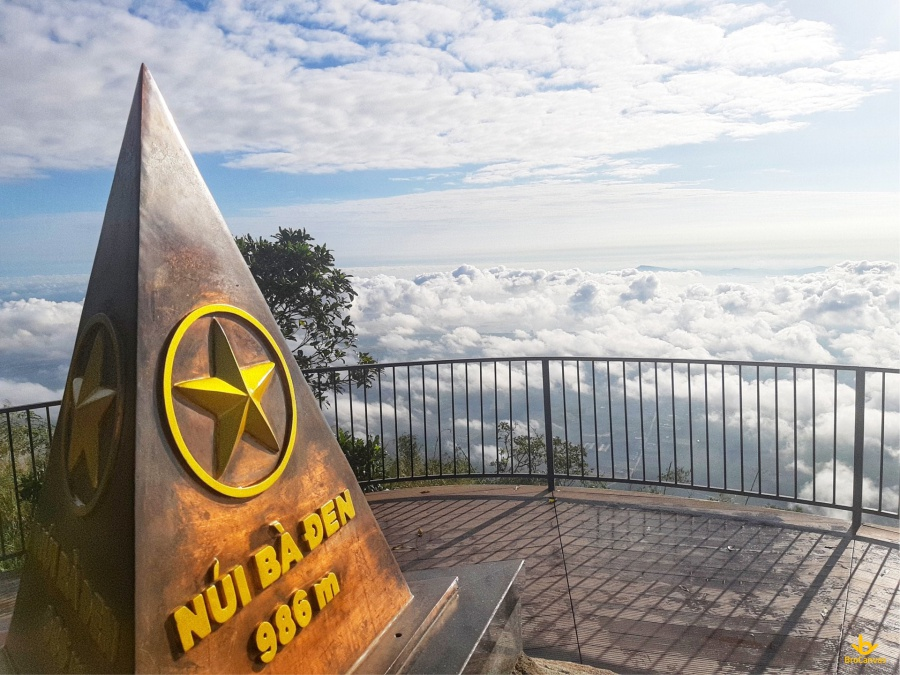
Vietnam’s largest city, where historic churches, modern life, markets, and Southern culture meet.
Sai
Pilgrimage Leisure
✦ WE GO HERE
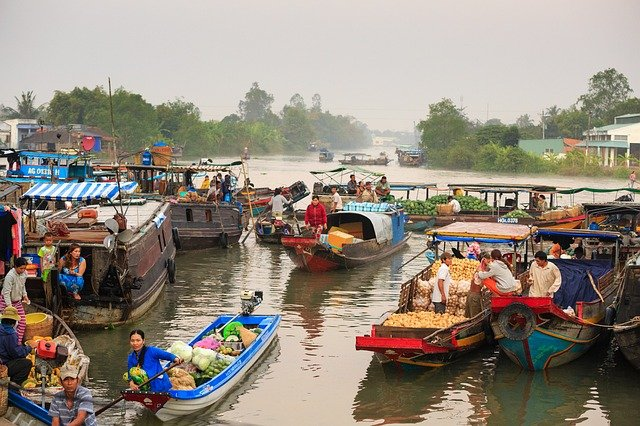
A river region known for floating markets, fruit gardens, boat rides, and the warm rhythm of Southern Vietnam.
Mekong Delta
Leisure Cruise