
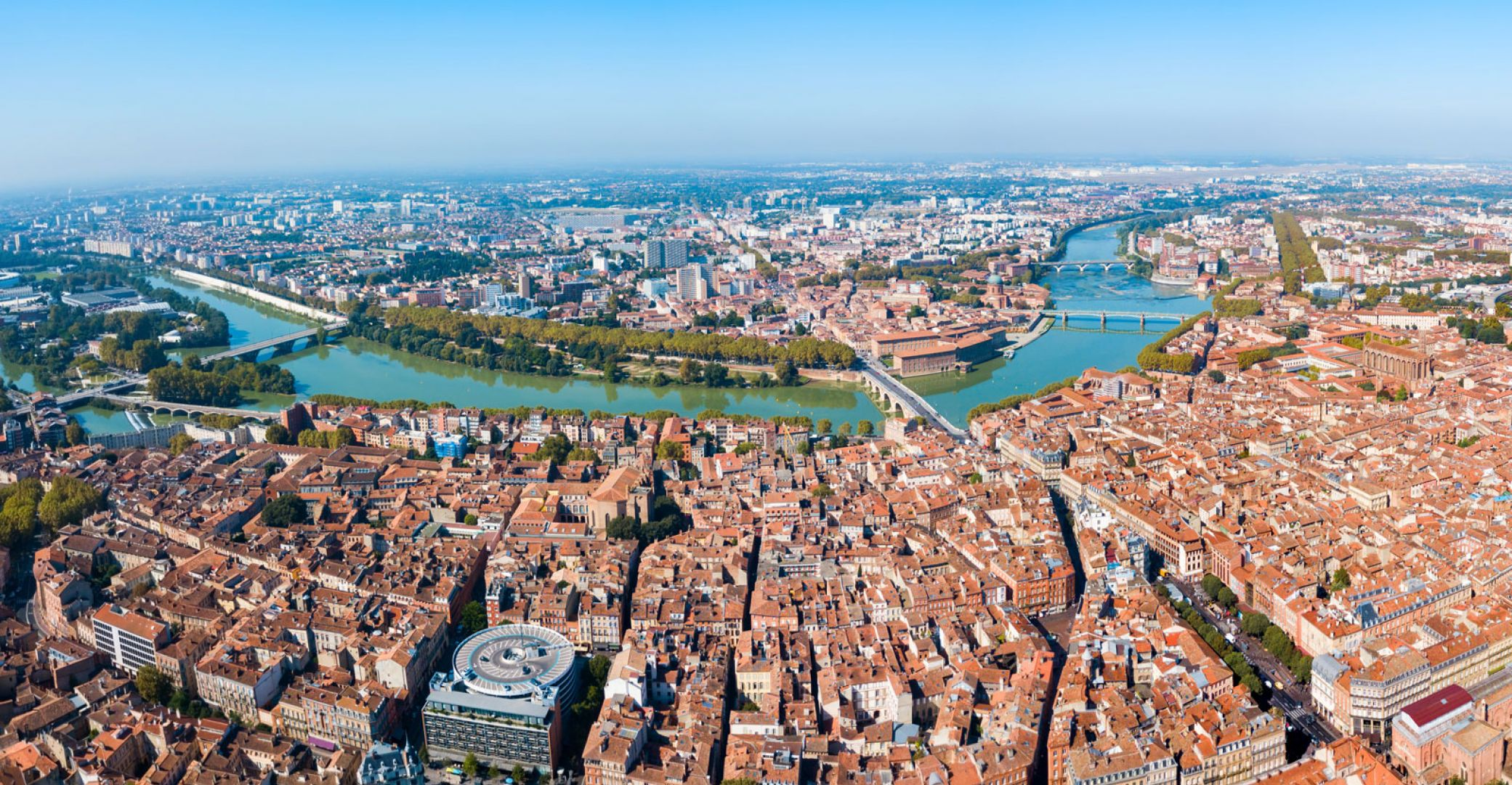
Toulouse-The Pink City
Toulouse does not announce itself like Paris or Lourdes. It draws you in slowly — through red-brick streets, old churches, river light, saints’ relics, and the quiet feeling that pilgrims have been walking these stones for centuries.
Toulouse does not feel like Lourdes when you arrive. There is no single grotto, no candlelight procession that defines the whole city, no one moment that explains everything at once.
It works more quietly.
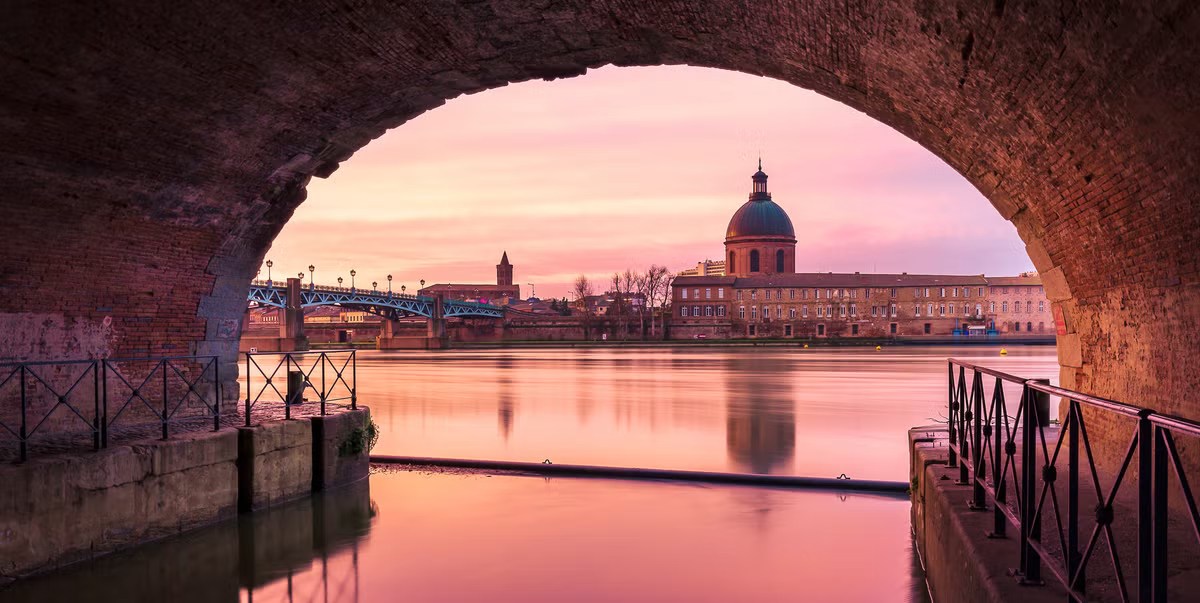
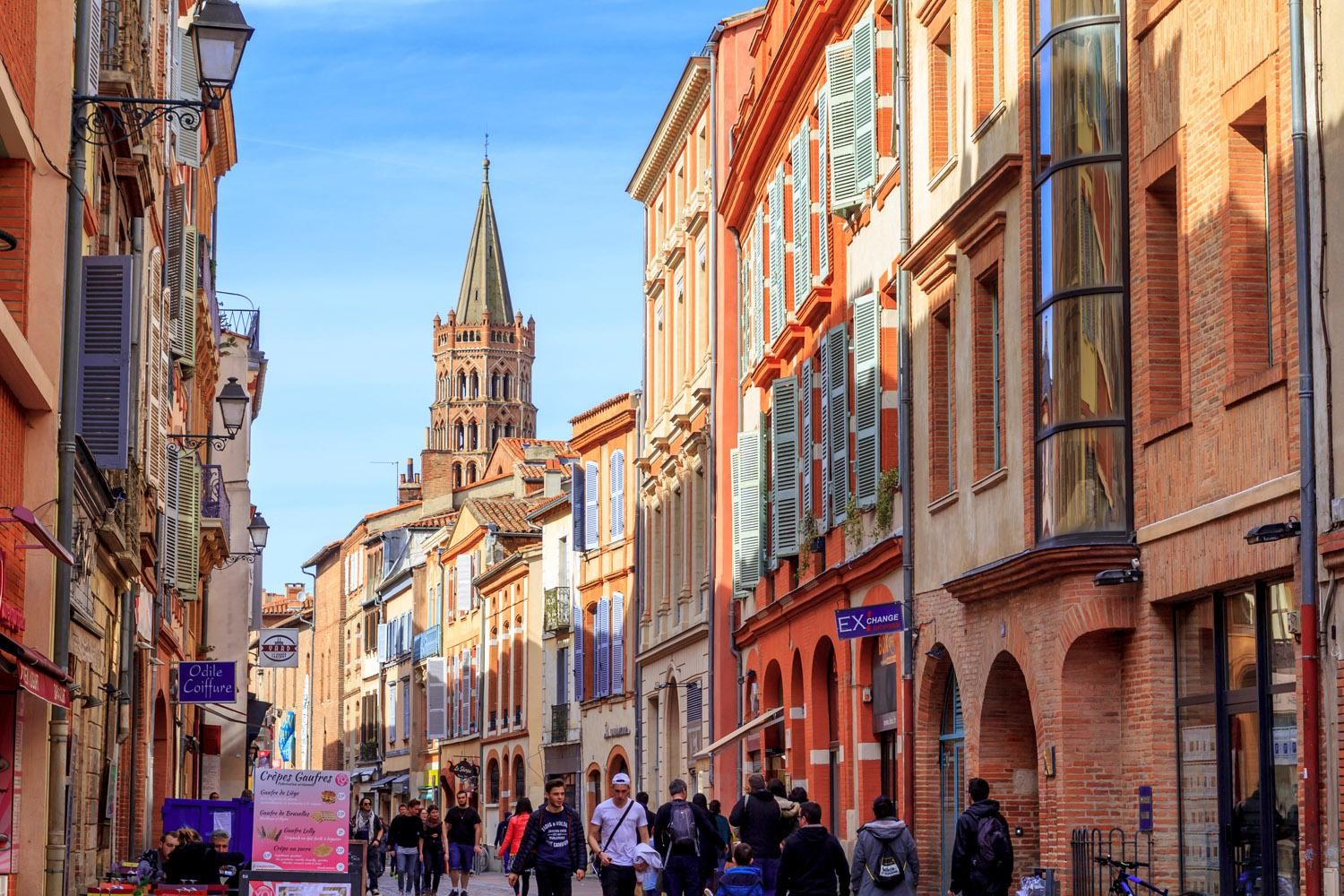
The city sits along the Garonne River in southern France, warm with red-brick buildings that give it the nickname “La Ville Rose” — the Pink City. At first, it feels like a relaxed southern French city: cafés, students, markets, riverbanks, and sunlit squares.
Then you step into Saint-Sernin.
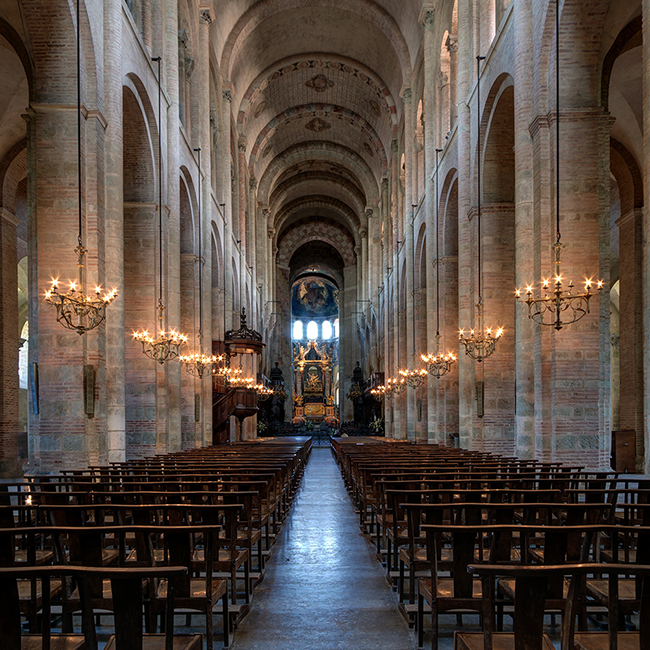
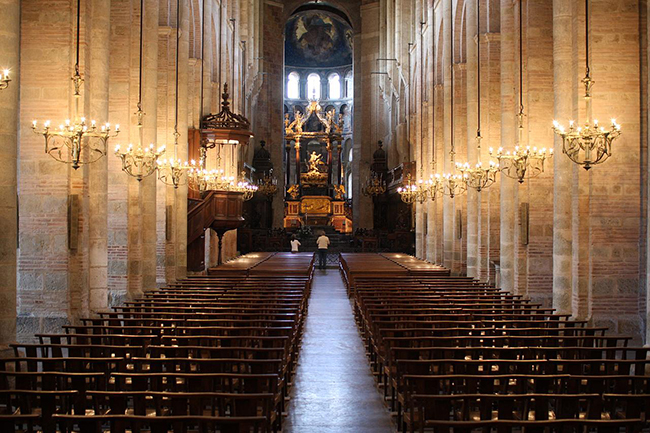
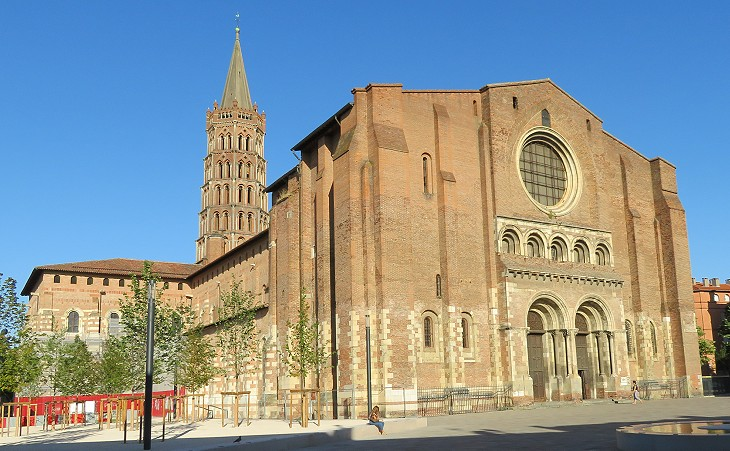
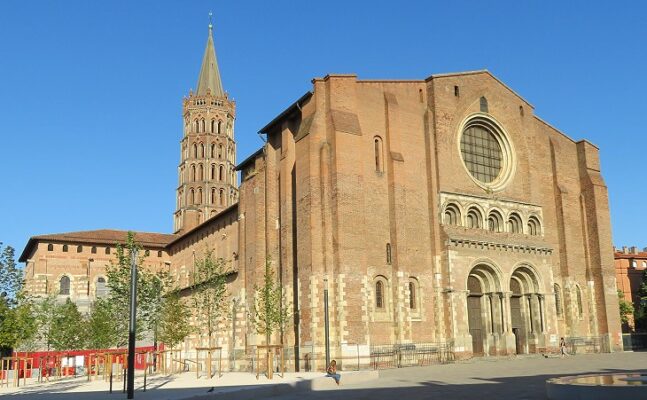
The Basilica of Saint-Sernin is one of the great Romanesque pilgrimage churches of Europe. For centuries, pilgrims on the Way of Saint James passed through this church on their way toward Compostela. They came to pray, to rest, to ask for help, and to continue walking.
That is the feeling Toulouse gives pilgrims today. It is not dramatic in the way Lourdes is dramatic. It is quieter, older, heavier with memory. You do not come here for one famous apparition. You come here to feel the long patience of the Church.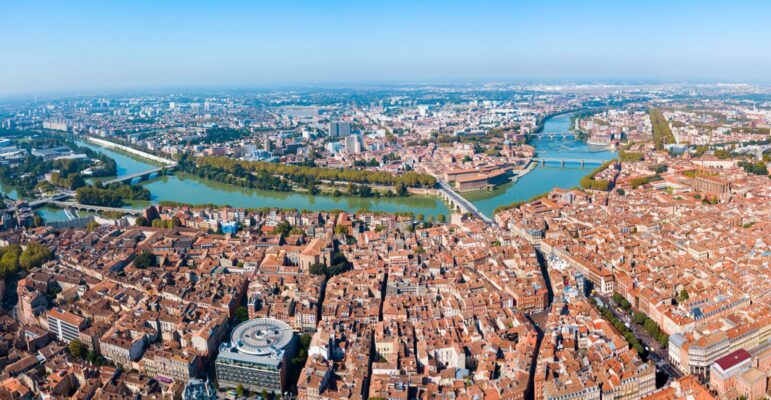
The Pilgrim Church
Saint-Sernin was built for pilgrims.
Its long nave, side aisles, chapels, and crypt were not only architectural choices. They were made for movement — for people entering, praying, passing near relics, and continuing their journey.
There is something deeply moving about that. The church was not built only to be admired. It was built to receive tired people.
For modern pilgrims, this matters. You may enter Saint-Sernin as a visitor, but the building reminds you that countless others came before you with their own burdens: sickness, family worries, fear, gratitude, repentance, and hope.
The stones have heard all of it.
The Relics
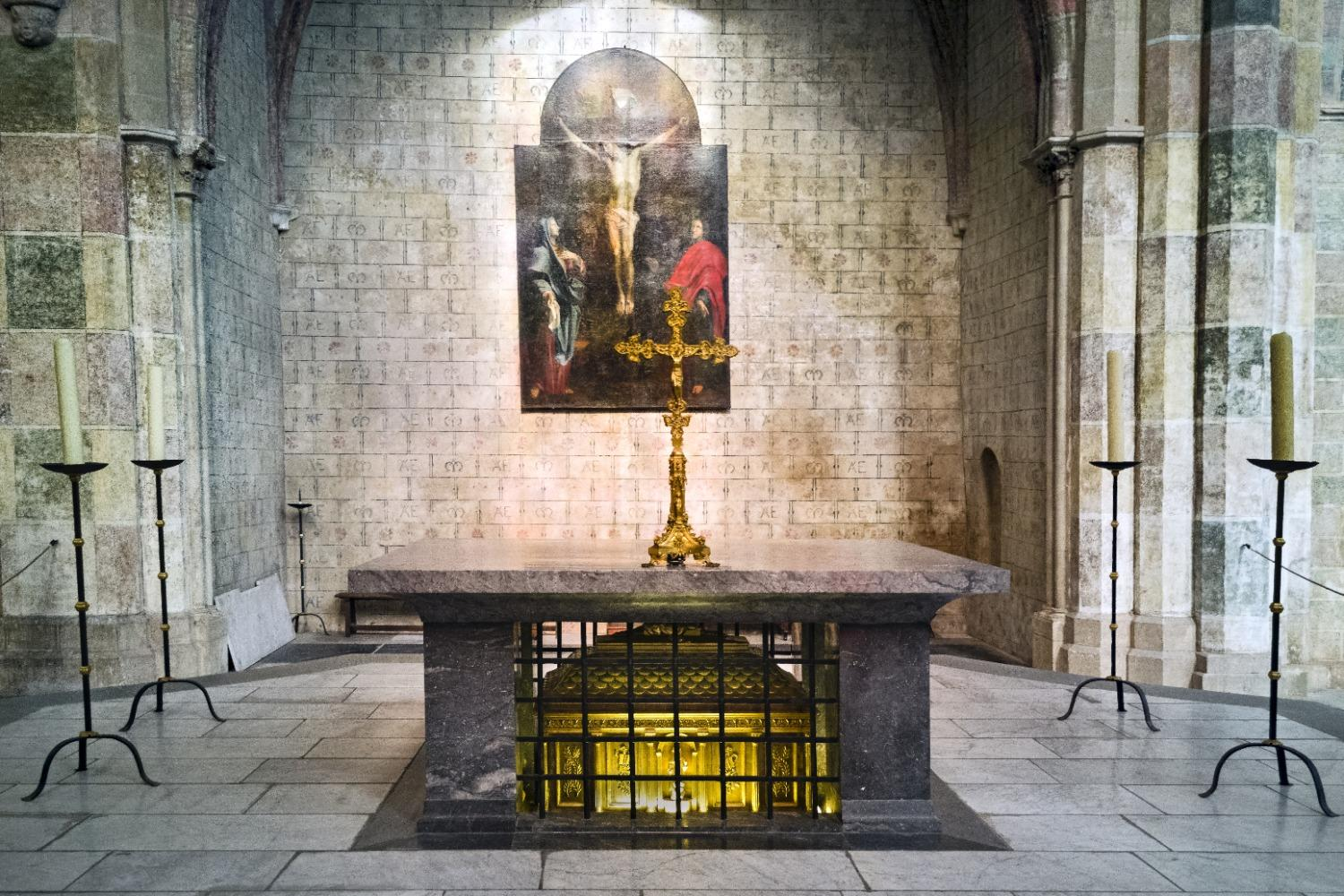
Saint-Sernin is also a church of relics. Beneath its architecture is a memory of saints, martyrs, and the older Christian world that formed Toulouse.
Pilgrims have always been drawn to relics because they make holiness feel close. The saints are not only names in books. They were bodies, lives, choices, sufferings, and faith made visible.
To pray near relics is to remember that Christianity is not an idea floating above history. It passed through real people.
That is why Saint-Sernin feels different from a museum. A museum preserves objects. A pilgrimage church preserves memory — and invites prayer.
The Palm Tree
A short walk away, the Jacobins Convent tells a different kind of story.
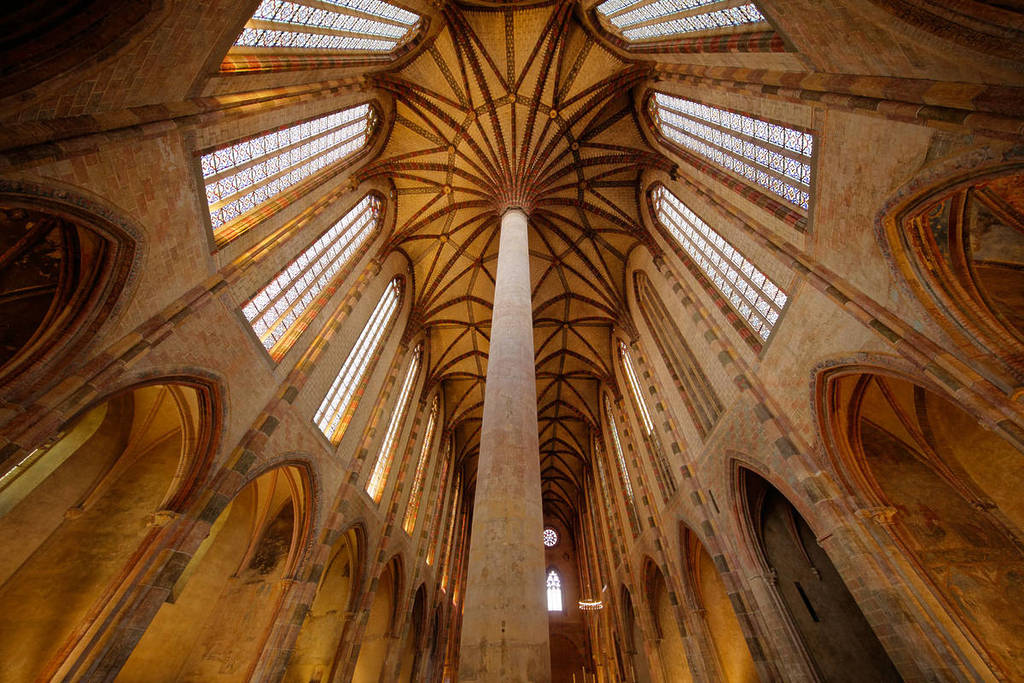
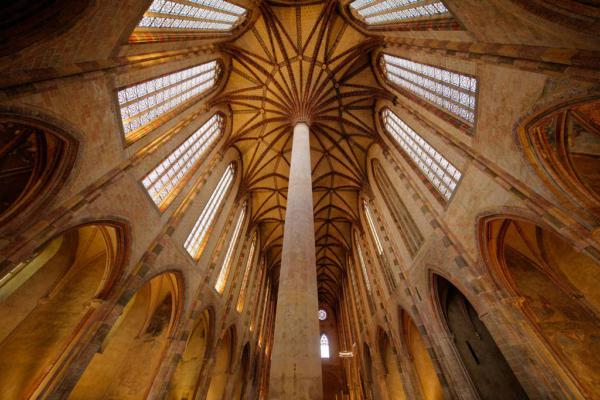
From the outside, it looks sober and almost severe. Inside, the church opens into one of the most surprising spaces in Toulouse. The famous palm-tree vault rises upward like stone branches spreading across the ceiling.
Under that quiet Gothic space are the relics of Saint Thomas Aquinas, one of the greatest theologians in the history of the Church.
That detail changes the room.
Toulouse is not only a city of pilgrims and martyrs. It is also a city where faith and reason meet. Saint Thomas Aquinas reminds pilgrims that the Catholic tradition is not afraid of the mind. Prayer and study, humility and intelligence, silence and truth — all belong together.
Toulouse with Carnival US Travel: A Quiet Pilgrimage Through Faith, Memory, and the Church
https://carnivalinus.com/city/toulouse/
With Carnival US Travel, Toulouse becomes more than a stop on the itinerary. It becomes a quiet pilgrimage experience — a place to slow down, pray inside centuries-old churches, and discover how faith has been carried through history by pilgrims, saints, scholars, and ordinary believers.
On a Catholic pilgrimage with Carnival US Travel, travelers are invited not only to see Toulouse, but to enter its spiritual rhythm: the Romanesque beauty of Saint-Sernin, the peaceful grandeur of the Jacobins Convent, and the deeper reminder that every journey of faith is built one step, one prayer, and one grace at a time.
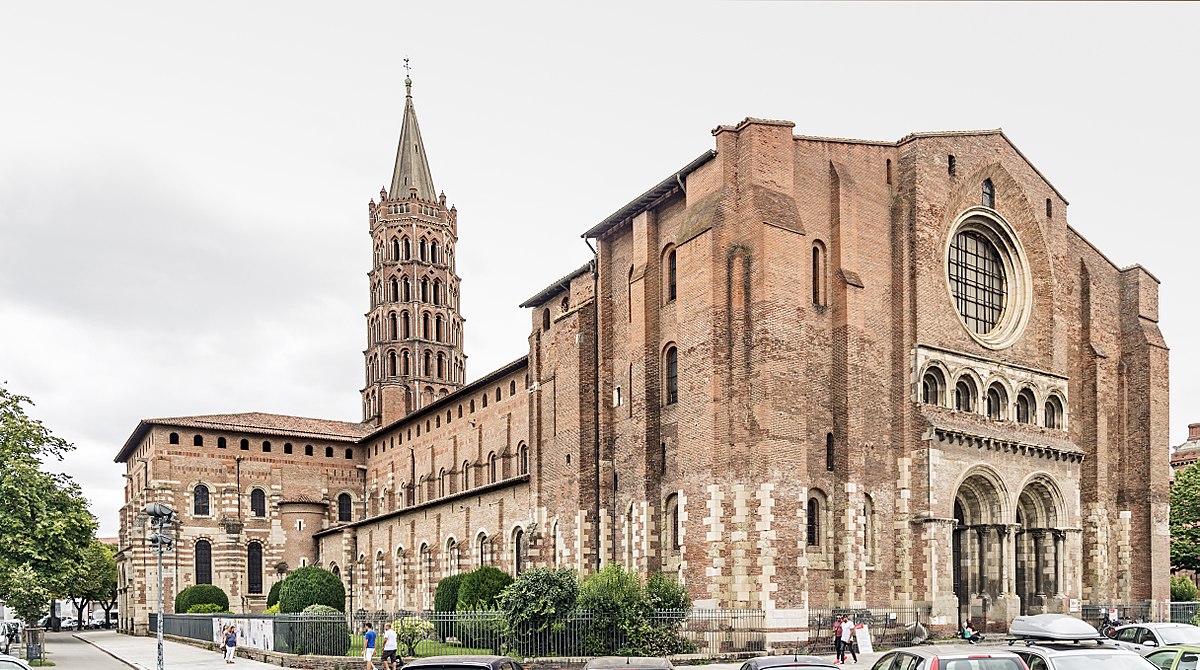
One of the great Romanesque churches of Europe and a major stop on the Way of Saint James. The basilica is known for its relics, sacred history, and long connection to medieval pilgrimage.
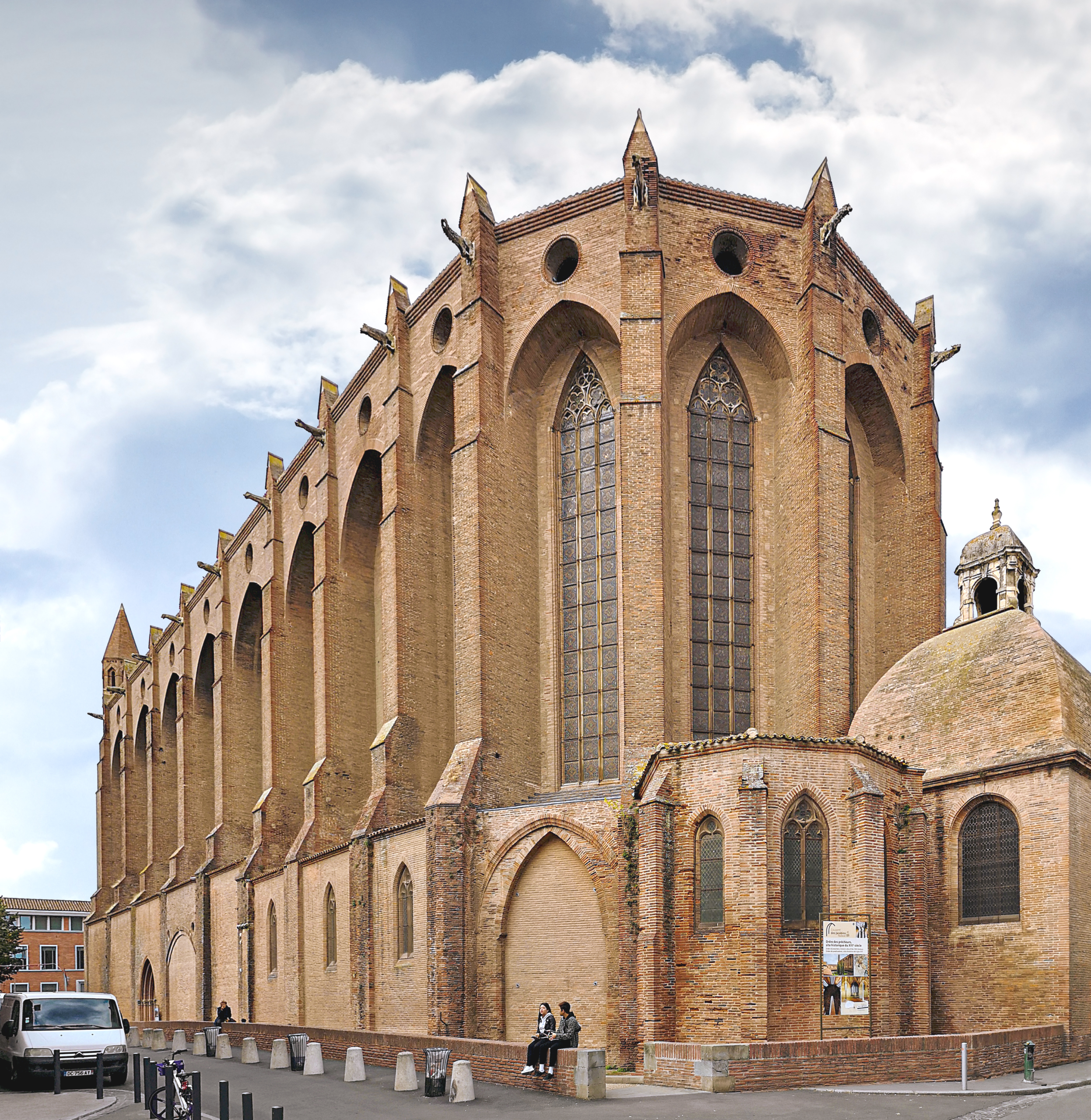
A historic Dominican church and convent known for its Southern Gothic architecture and the relics of Saint Thomas Aquinas. Its famous palm-tree vault makes the interior especially memorable.
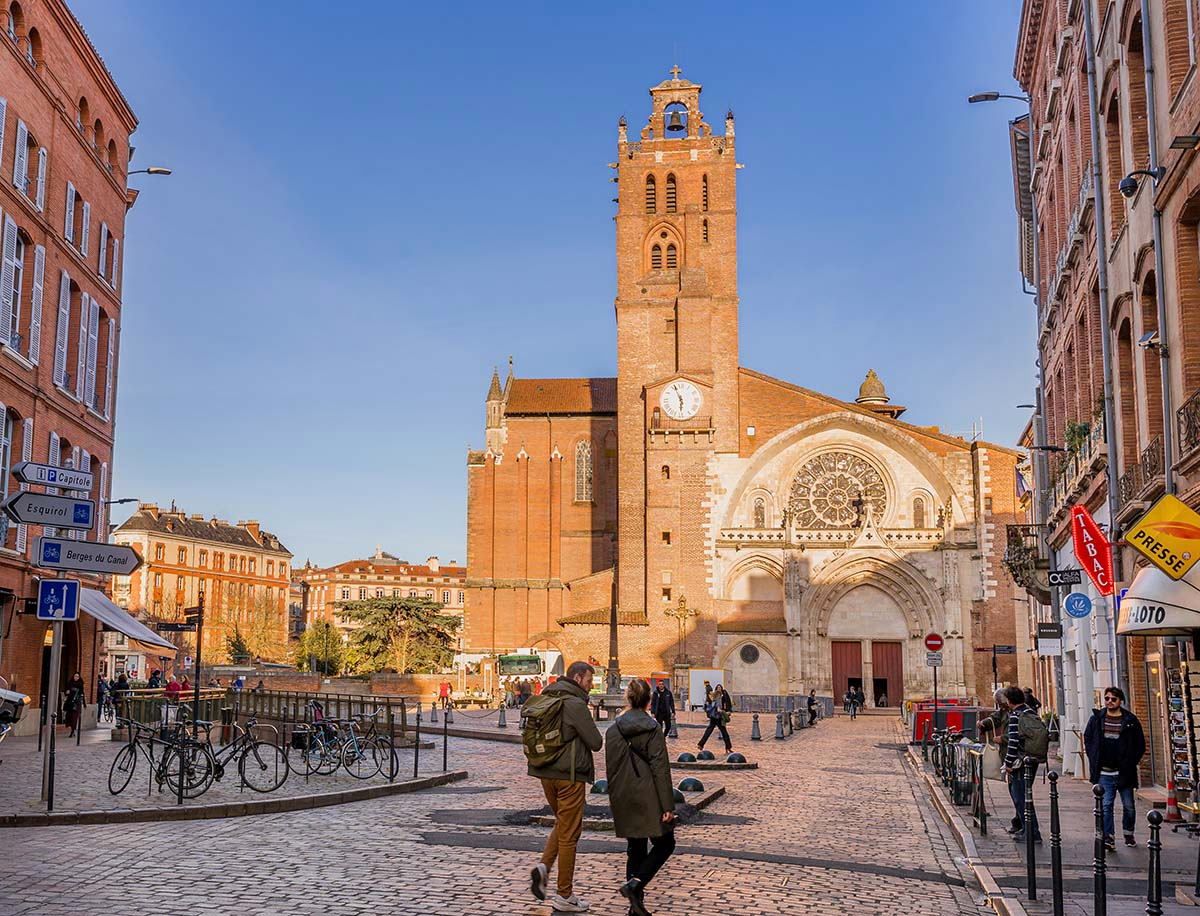
Toulouse’s historic cathedral, known for its unusual architecture, sacred art, and long role in the Catholic life of the city.
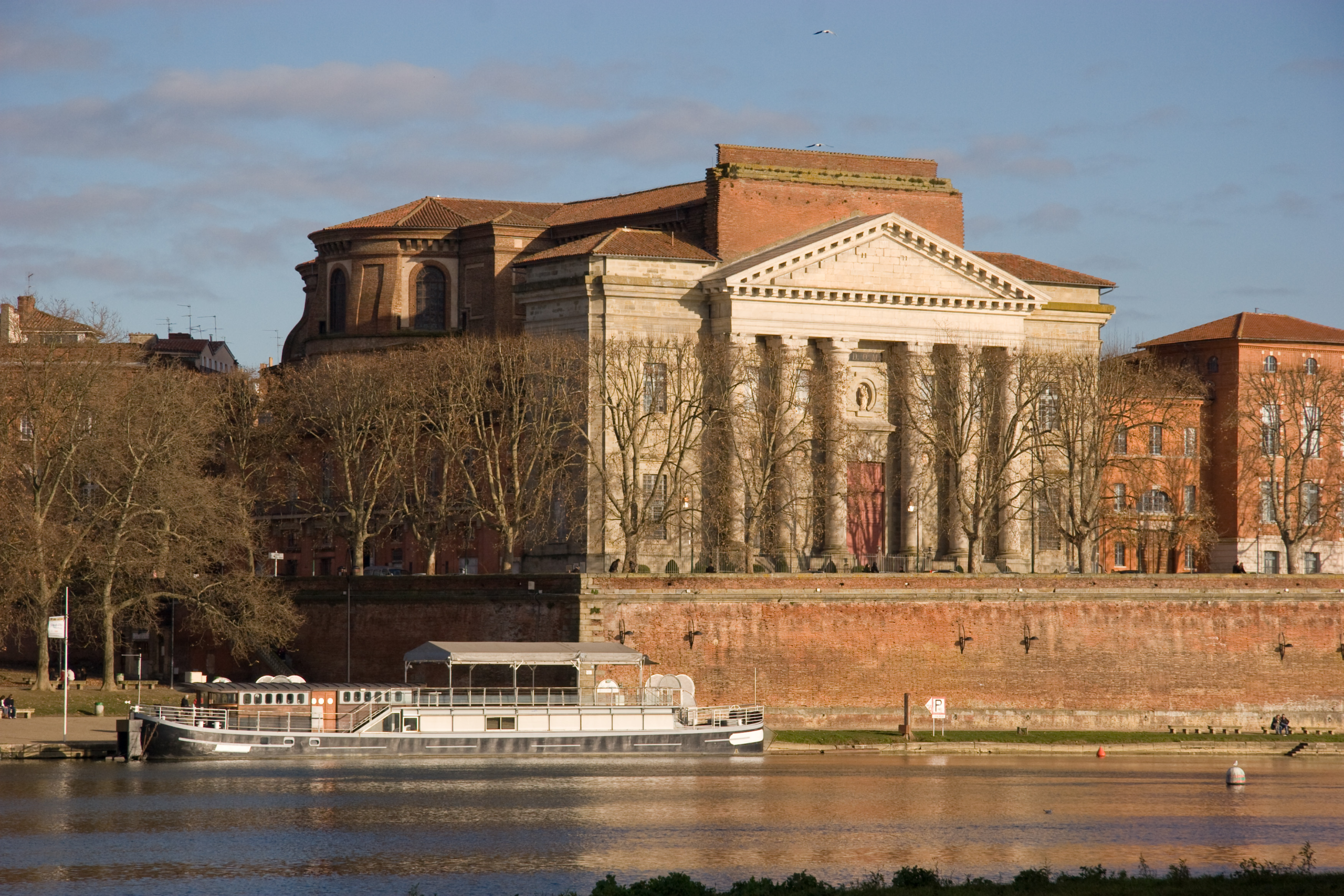
A historic Marian church near the Garonne River, connected with local devotion and the spiritual life of Toulouse.
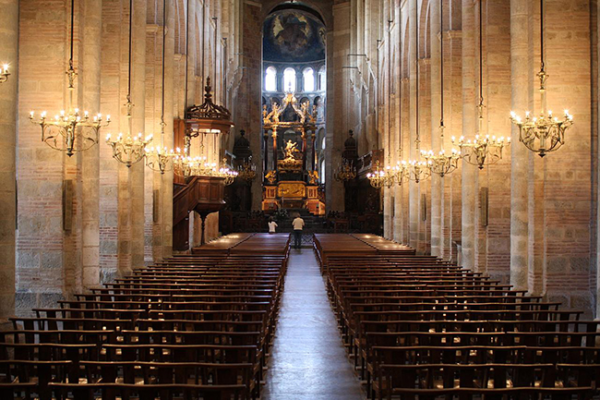
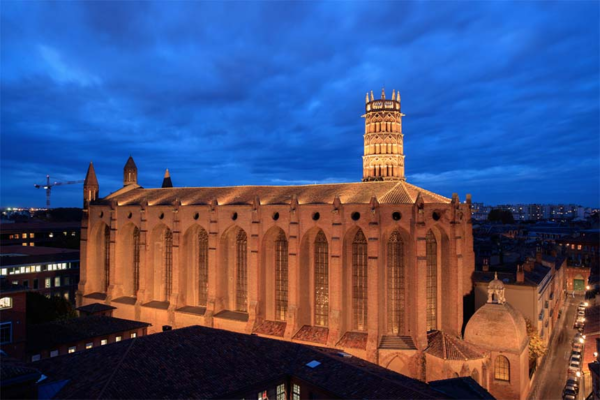
Toulouse is calmer than Paris, but pilgrims should still prepare for walking, old streets, churches, and city-center crowds.
Wear comfortable walking shoes because the visit may include brick streets, stone church floors, sidewalks, and historic walking areas.
Dress respectfully when entering churches. Shoulders and knees should be covered. A light scarf or jacket is useful.
Bring a small prayer intention list. Toulouse is especially meaningful for pilgrims who want to pray with the saints, reflect on the Church’s intellectual tradition through Saint Thomas Aquinas, and connect with the long history of the Way of Saint James.
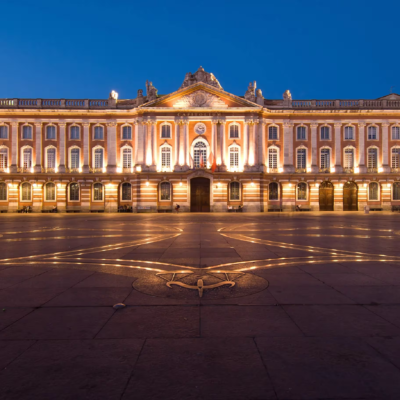
Keep personal belongings close in busy areas such as Place du Capitole, markets, train stations, and public transportation.
Prepare for a slower atmosphere. Toulouse is not as intense as Paris and not as pilgrimage-focused as Lourdes, but it offers a beautiful balance of prayer, history, culture, and local life.
Visit Toulouse-The Pink City with Carnival US Travel
Our Toulouse-The Pink City pilgrimages include dedicated time at Toulouse-The Pink City — daily Mass, the Grotto and the Candlelight Procession