


Amman – Capital of Jordan
“A hilltop capital where Jordan’s ancient ruins, local culture, hospitality, and Holy Land routes come together.”
Jordan’s Historic Capital
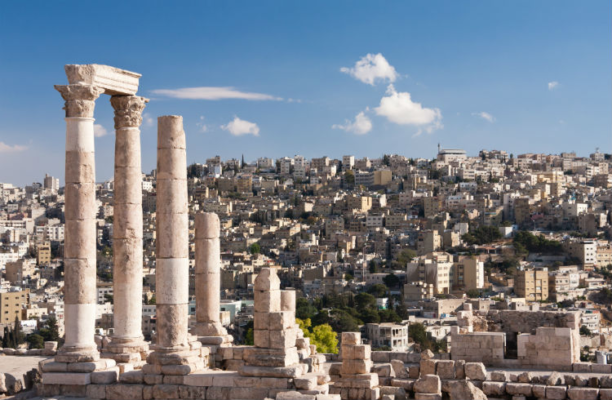
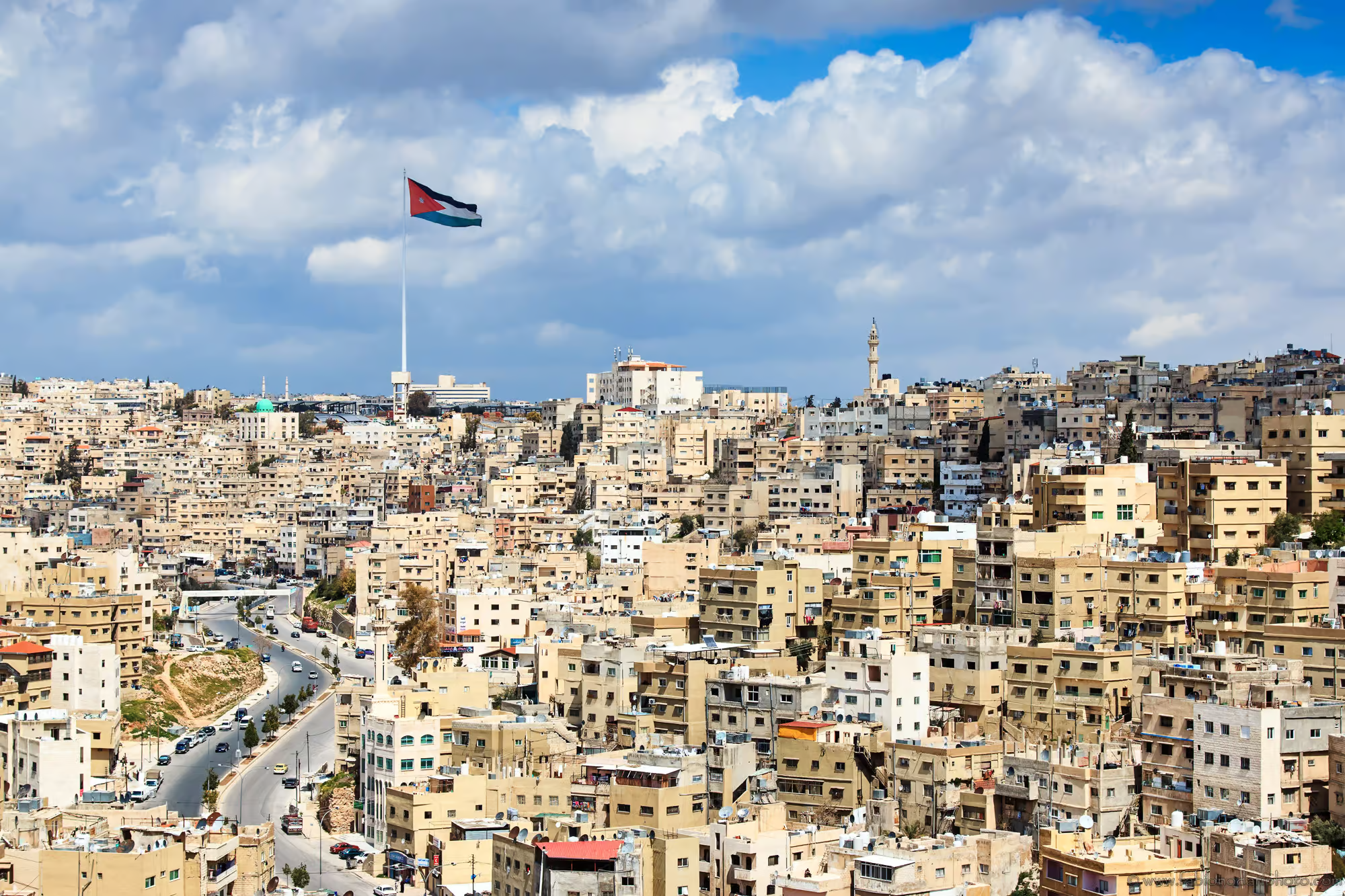
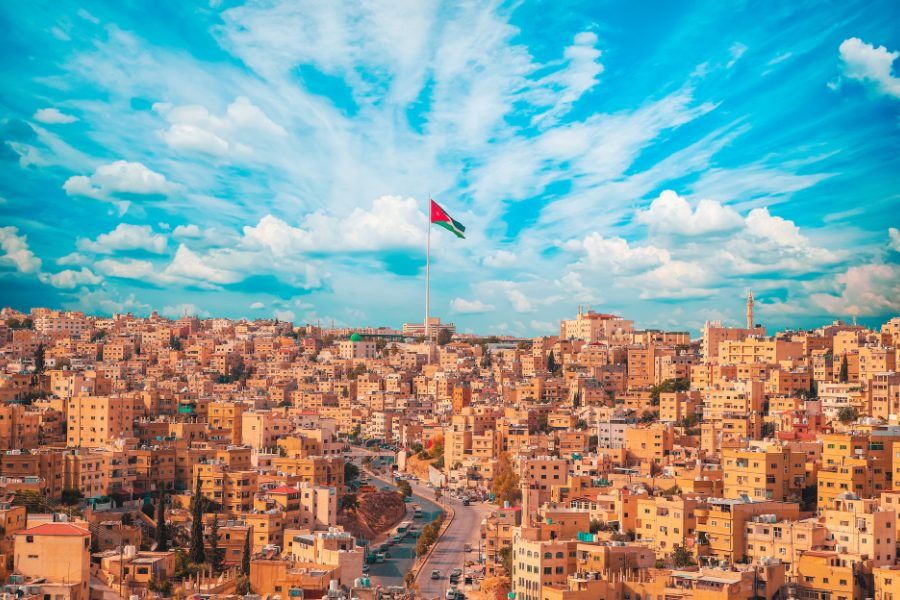
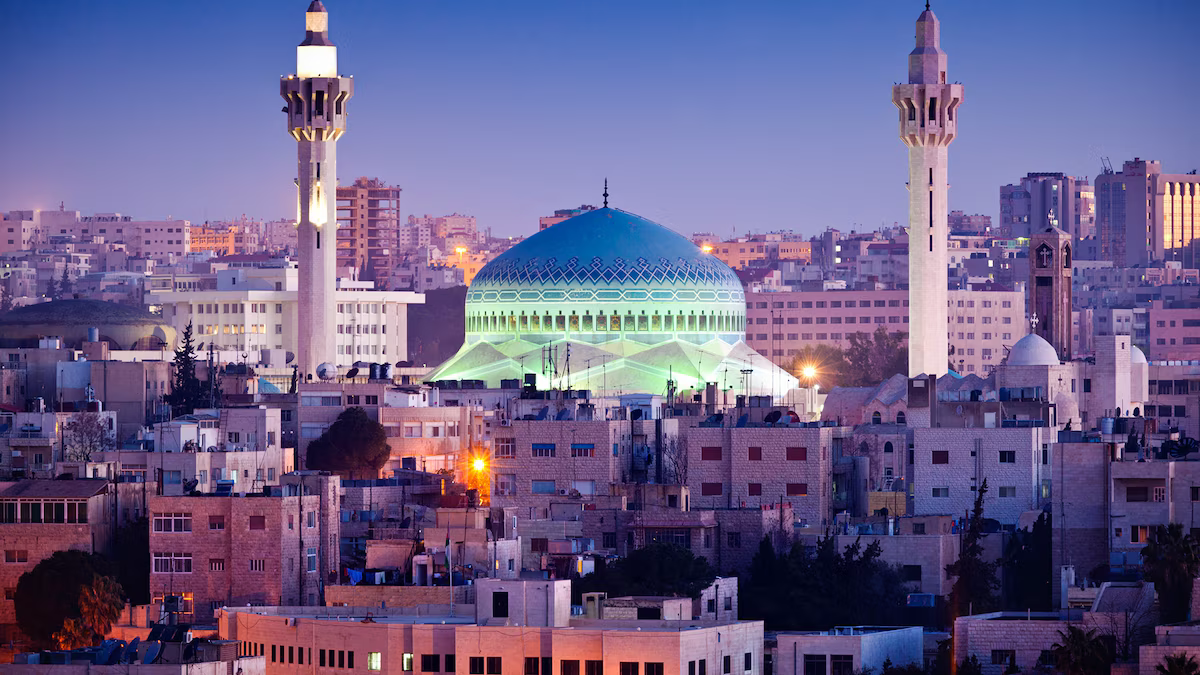
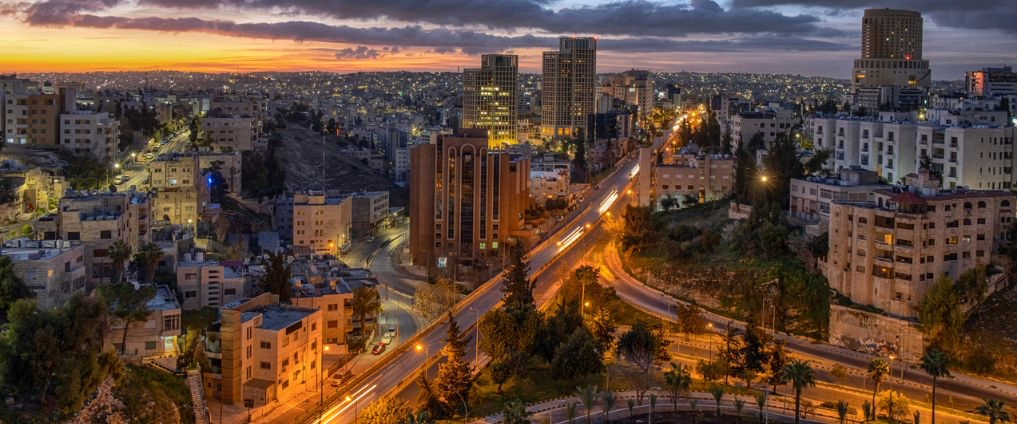
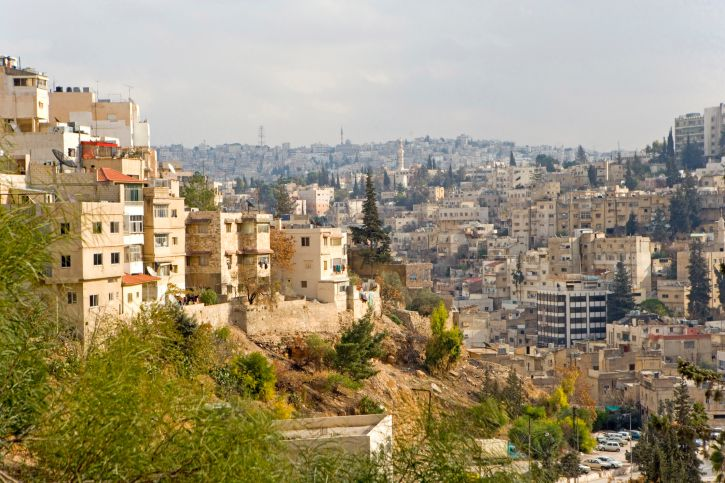
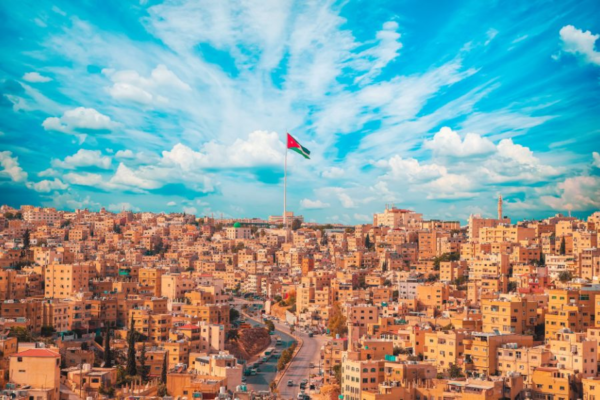
Amman is the capital of Jordan and one of the most important gateway cities in the Middle East. It is a city of ancient hills, Roman ruins, local markets, modern neighborhoods, museums, cafés, and warm Jordanian hospitality.
For guests traveling with Carnival US Travel, Amman is often the first introduction to Jordan. It gives travelers a meaningful beginning before continuing to Madaba, Mount Nebo, Petra, Wadi Rum, the Dead Sea, or other Holy Land and cultural destinations.
Ancient History Above the City
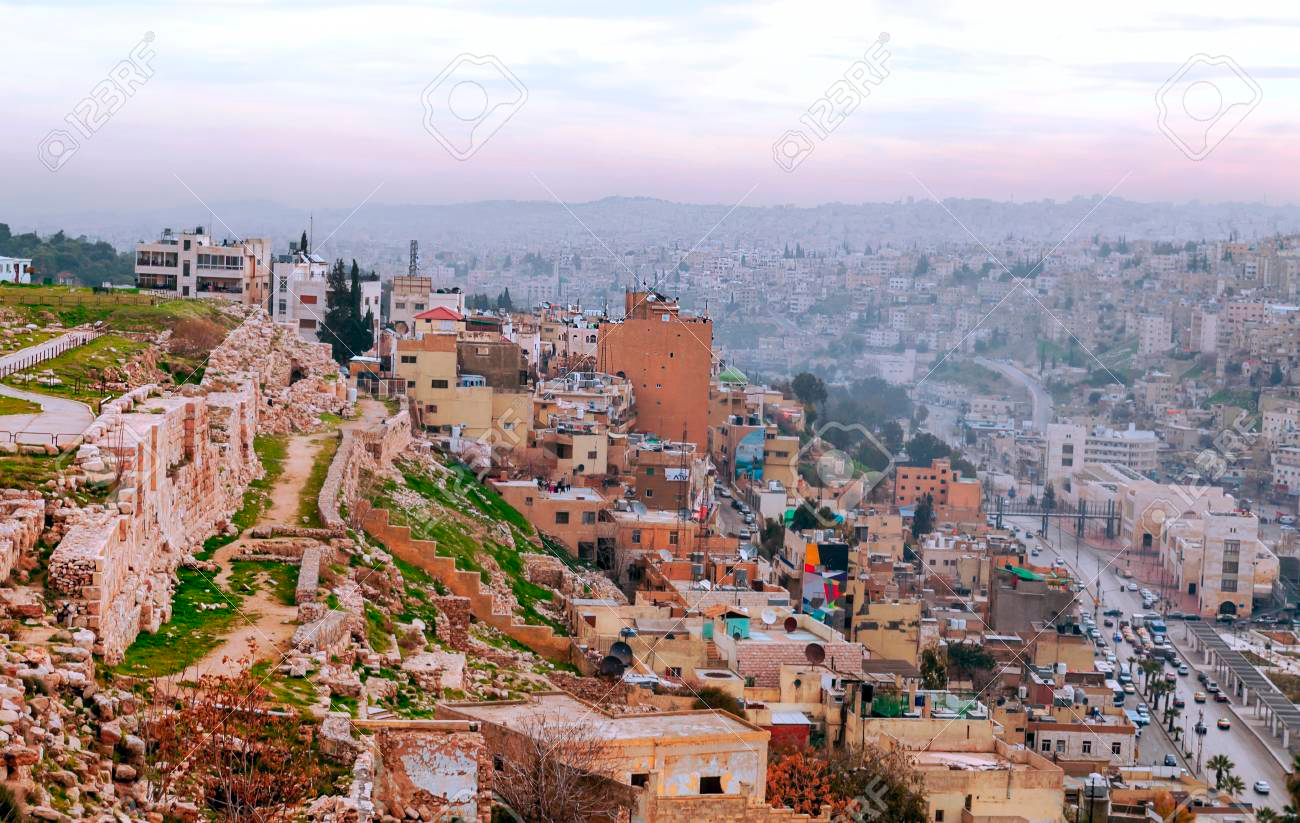
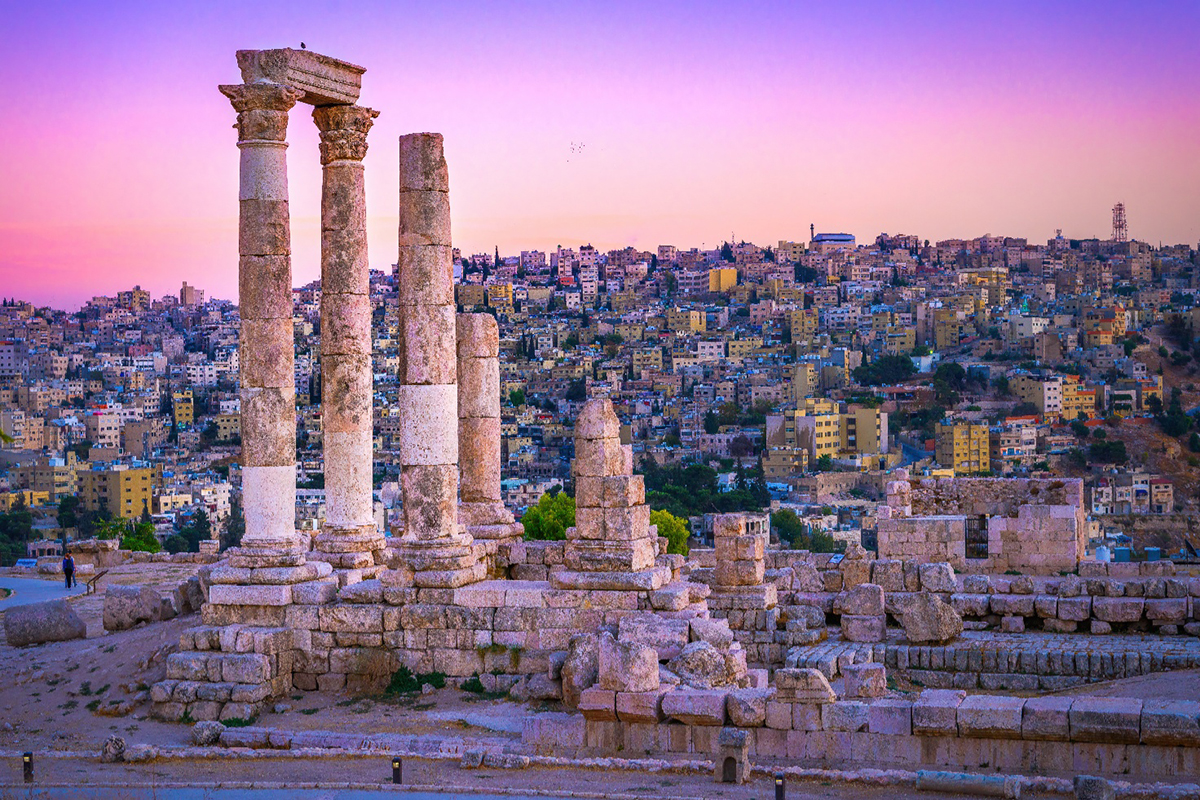
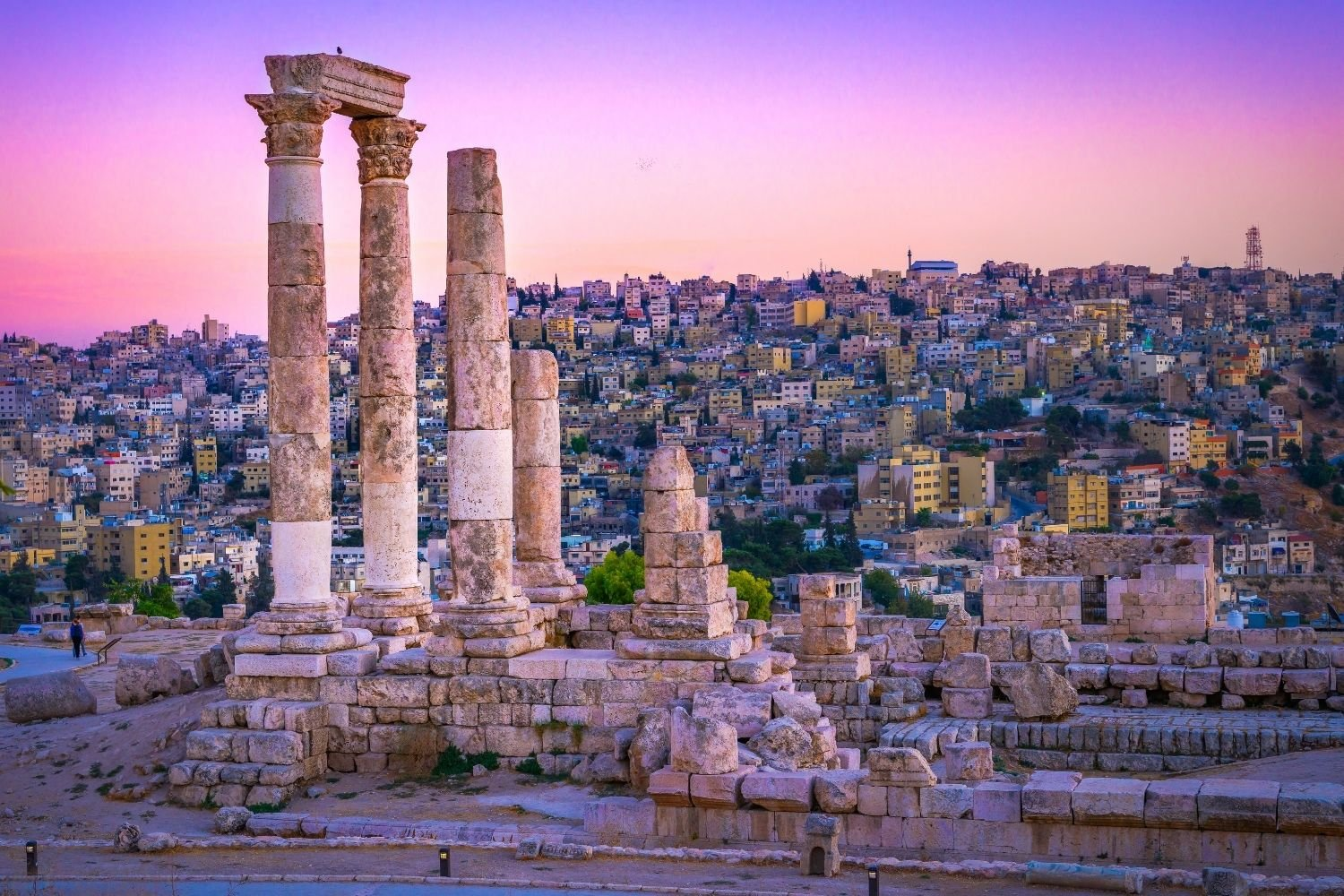
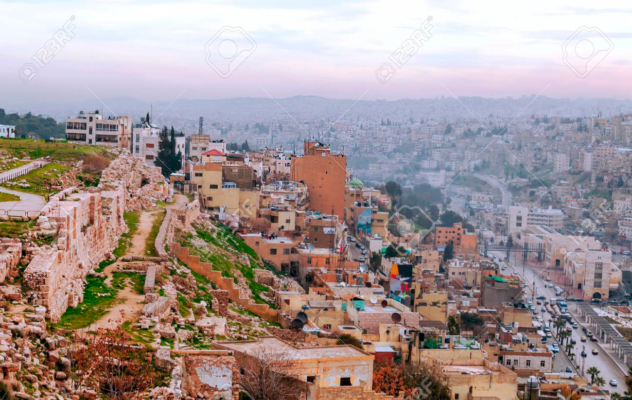
A good Amman city tour often begins at the Amman Citadel, also called Jabal Al-Qal’a. This hilltop area rises above the city and offers wide views of downtown Amman. It is one of the best places to understand the long history of the city.
The Citadel area includes remains from several periods of history. Visitors may see ancient ruins, stone structures, columns, and views toward the Roman Theater below. The experience helps guests see how Amman connects ancient history with modern city life.
Roman Theater and Downtown Amman
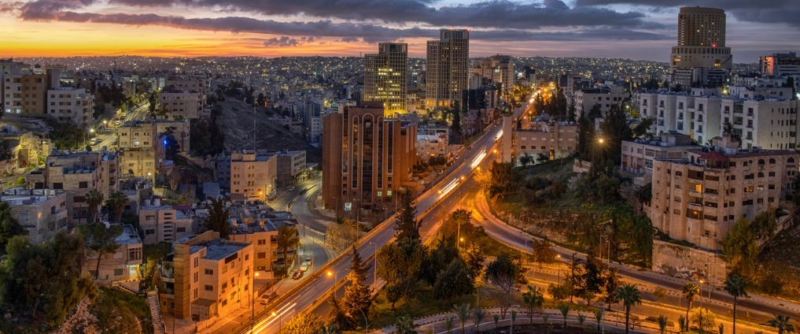
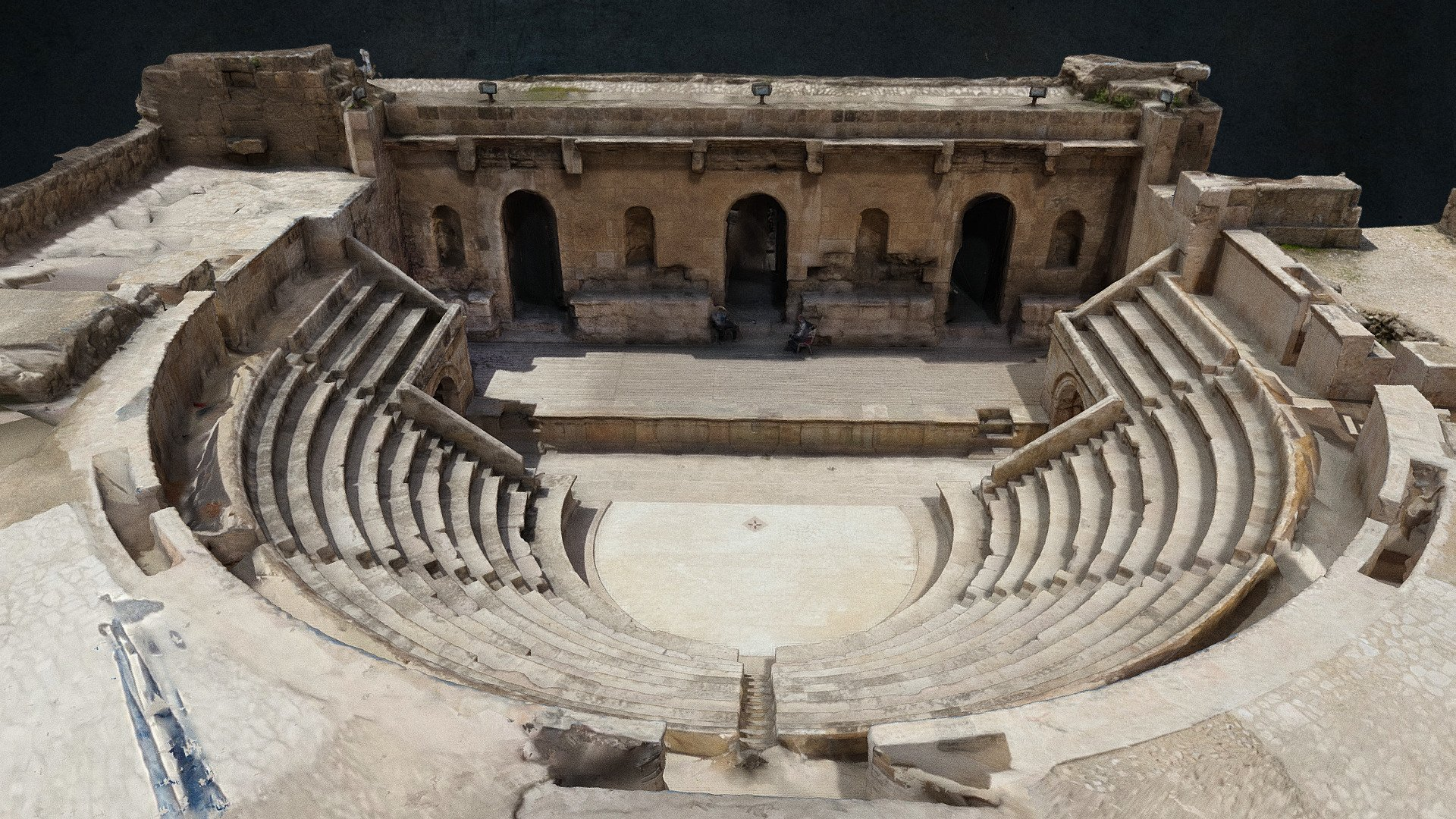
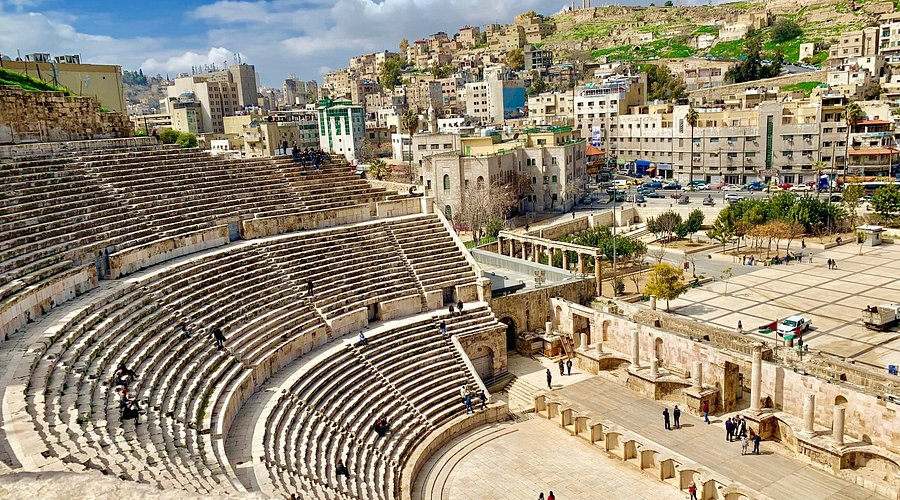
At the foot of Citadel Hill stands the Roman Theater, one of Amman’s most famous landmarks. Its stone seating was built into the hillside and remains one of the best-known historic sites in the city.
Downtown Amman, also called Al-Balad, gives visitors a more local experience. Guests can walk through busy streets, markets, shops, bakeries, cafés, and food stalls. This part of the city feels alive with everyday Jordanian culture.
Culture, Museums, and Local Life
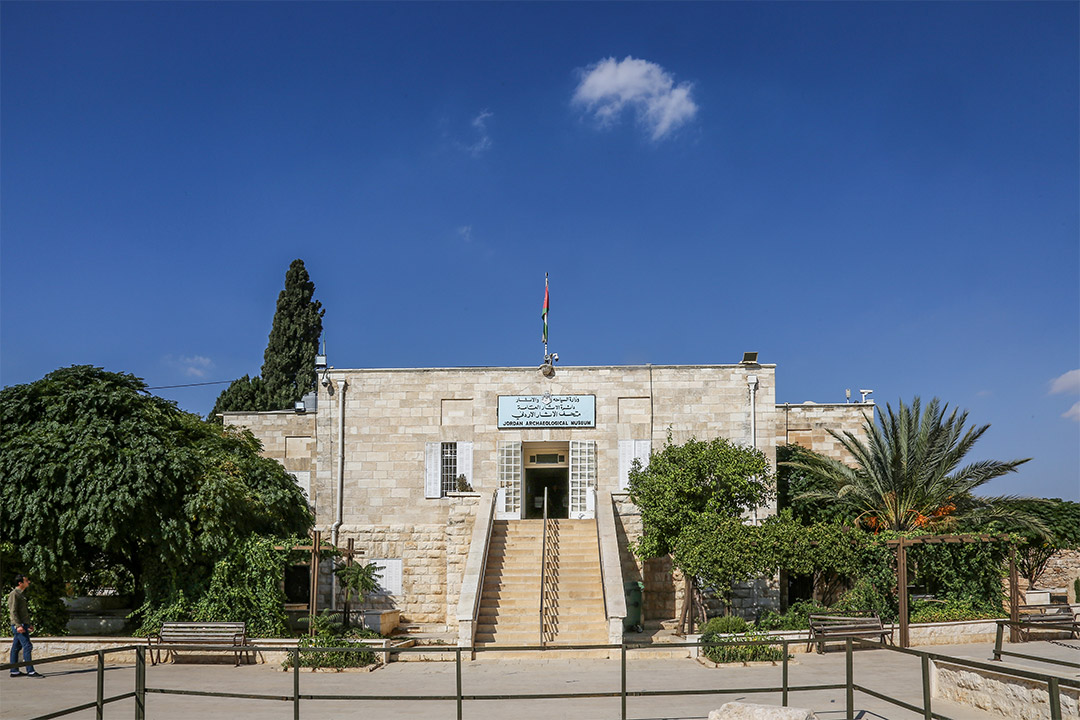
Amman is also home to the Jordan Museum, which introduces guests to the history and cultural heritage of the country. This stop is helpful before visiting places such as Petra, Jerash, Madaba, and the Dead Sea.
Rainbow Street gives visitors another side of Amman. It is known for cafés, restaurants, small shops, views, and a relaxed evening atmosphere. For travelers who enjoy city life, food, and local culture, this area can be a pleasant stop.
Amman with Carnival US Travel
https://carnivalinus.com/?post_type=city&p=6094&preview=true
With Carnival US Travel, Amman can connect naturally with Madaba, Mount Nebo, Petra, Wadi Rum, Dead Sea, Jerusalem, and Bethlehem.
Amman is a strong stop for guests who enjoy history, culture, food, archaeology, biblical-era landscapes, and city discovery. It helps travelers understand Jordan before they continue deeper into the country.
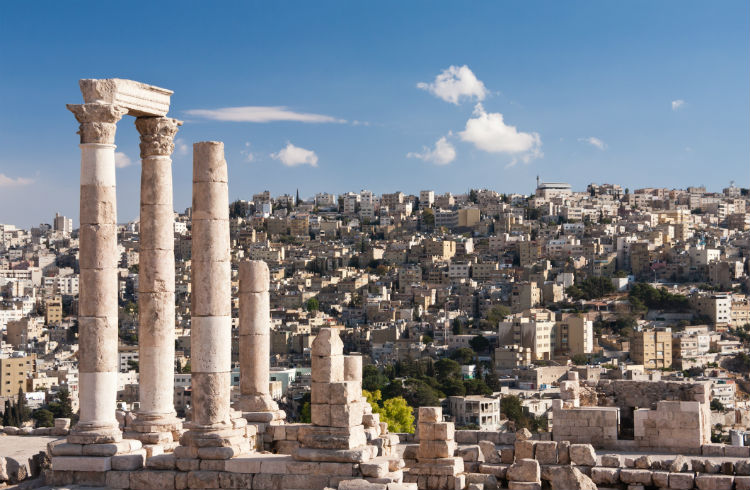
A hilltop archaeological area with ancient ruins, city views, and remains from different periods of Amman’s history.
One of Amman’s most famous ancient landmarks, built into the hillside and located near the downtown area.
A smaller Roman-era theater near the Roman Theater, often seen as part of the downtown archaeological area.
A museum at the Citadel area that helps visitors understand Jordan’s ancient history and archaeological heritage.
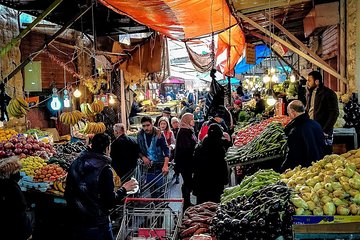
Amman is a great city for Jordanian and Middle Eastern food. Guests can try mansaf, falafel, hummus, mutabbal, tabbouleh, fattoush, shawarma, grilled meats, maqluba, manakish, fresh bread, kunafa, dates, mint tea, and Arabic coffee.
Downtown Amman, Rainbow Street, and modern neighborhoods offer many restaurants, bakeries, cafés, and sweet shops. Group meals may include traditional Jordanian dishes, hotel meals, or selected restaurants arranged by the tour.
Travelers with food allergies should inform the tour leader in advance. Jordanian dishes may include sesame, nuts, dairy, eggs, wheat, seafood, meat, spices, or yogurt-based sauces. Guests with sensitive stomachs should choose clean and busy restaurants and drink bottled water when preferred.
Visitors should prepare for a city with hills, stairs, traffic, markets, archaeological sites, and busy streets. Comfortable walking shoes are strongly recommended.
Amman can feel warm and dry during the day, especially in summer. Guests should bring water, sunscreen, sunglasses, and a hat. A light jacket may help in the evening or during cooler months.
Modest clothing is recommended when visiting mosques, churches, and traditional neighborhoods. Shoulders and knees should be covered. If entering a mosque, guests should follow local dress rules and remove shoes when required.
Travelers joining Carnival US Travel should stay close to the group in downtown Amman, markets, the Citadel, and the Roman Theater area. These places are interesting and lively, but group timing matters when the itinerary includes transfers, meals, or museum visits.
Guests should keep personal belongings secure in crowded areas. A small day bag, charged phone, bottled water, and some Jordanian dinars for small purchases are helpful.
Visit Amman – Capital of Jordan with Carnival US Travel
Our Amman – Capital of Jordan pilgrimages include dedicated time at Amman – Capital of Jordan — daily Mass, the Grotto and the Candlelight Procession