
Places & Experiences
Japan in Autumn – Why Fall Is the Most Beautiful Time to Visit
There are countless photographs of Japan in autumn. Every year, social media fills with crimson maple trees framing centuries-old temples, quiet lakes reflecting Mount Fuji beneath clear blue skies, and narrow streets in Kyoto carpeted with golden leaves. These images are undeniably beautiful, yet they tell only part of the story. What they cannot capture is the atmosphere that settles over the country once summer fades – a slower rhythm, cooler air, and a quiet anticipation that seems to touch everything from mountain villages to the busiest city streets.
For many travelers, autumn is simply another season to plan a vacation. In Japan, however, it is an experience deeply woven into everyday life. Families spend weekends walking through temple gardens, local cafés introduce seasonal menus inspired by chestnuts and sweet potatoes, and parks become gathering places where people pause to admire the changing colors rather than rush past them. The Japanese even have a word for this tradition – momijigari, or “maple leaf viewing” – a reminder that appreciating nature is not an activity reserved for tourists but an enduring part of the country’s culture.
This unique relationship between people and the changing seasons is one of the reasons why so many travelers believe autumn is the best time to visit Japan. The scenery is spectacular, but what truly stays with visitors is the feeling of moving through a country that collectively slows down to appreciate beauty before it disappears.
More Than Beautiful Scenery – Why Autumn Feels Different in Japan
Every destination has a season that defines it. For Paris, it may be spring. For New England, it is undoubtedly fall. In Japan, autumn occupies a place all its own because it combines remarkable natural beauty with centuries of cultural tradition.
Unlike cherry blossom season, which lasts only a short time and often attracts enormous crowds, autumn unfolds gradually across the country. Beginning in the northern island of Hokkaido and slowly making its way south toward Kyoto, Osaka, and Tokyo, the changing leaves create a season that stretches over several weeks. This allows travelers greater flexibility when planning their itinerary while also offering a chance to experience different regions at their peak.
Yet what makes Japanese autumn remarkable is not simply the foliage. It is the way landscapes and daily life become inseparable. Temple gardens seem quieter beneath fiery maple trees, mountain railways reveal forests painted in shades of amber and crimson, and traditional inns become welcoming retreats after a cool day spent exploring historic streets. Seasonal ingredients begin appearing in local markets, while festivals celebrate harvest traditions that have shaped rural communities for generations.
Travelers often arrive expecting colorful scenery. They leave remembering something much harder to describe – the sense that every part of the country is moving in harmony with the season.
The Places That Define Autumn in Japan
Although autumn can be experienced almost anywhere in Japan, certain destinations reveal the season in particularly unforgettable ways.
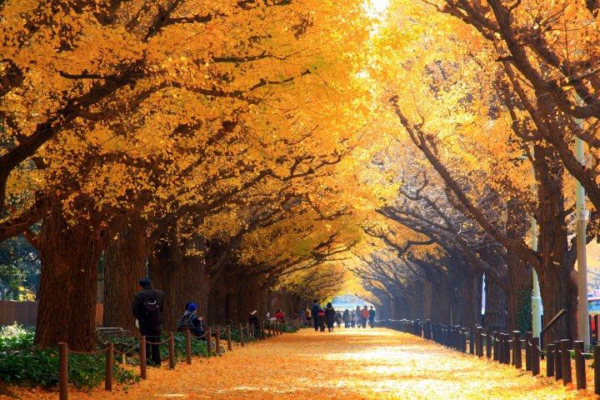
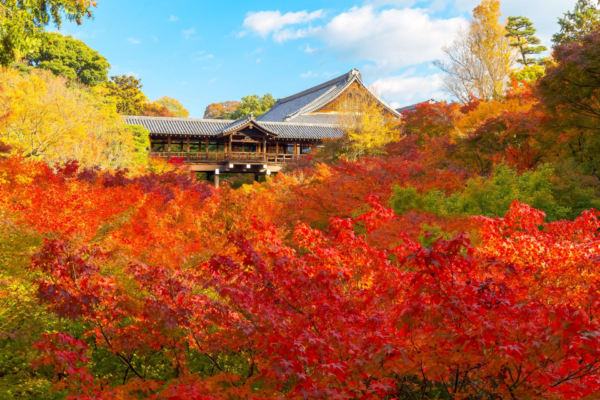
Kyoto remains the country’s most iconic autumn destination. Ancient temples such as Kiyomizu-dera, Tofuku-ji, and Eikando become surrounded by brilliant maple trees, transforming already remarkable architecture into landscapes that seem almost cinematic. Early mornings are especially memorable, when soft sunlight filters through the leaves and the temple grounds remain peaceful before the arrival of larger crowds.
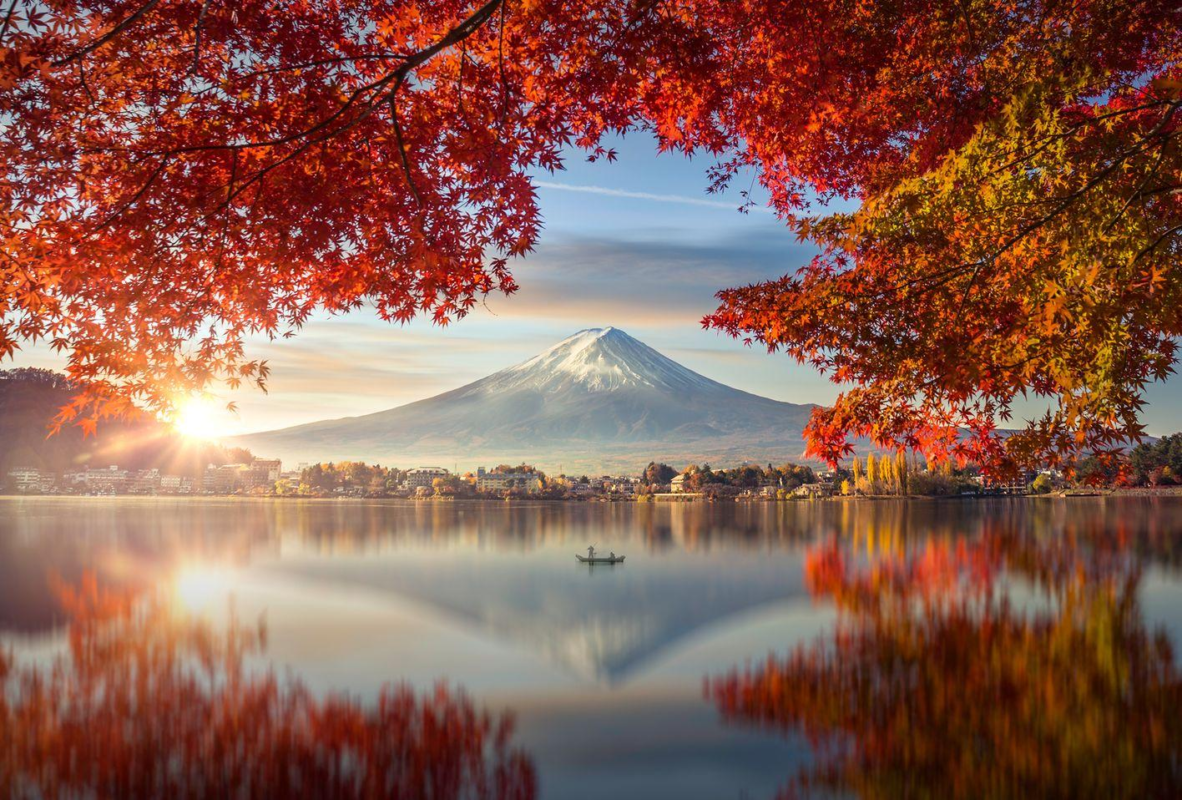
Further east, the area surrounding Mount Fuji offers an entirely different perspective. Around Lake Kawaguchiko, the country’s most recognizable mountain is framed by vibrant autumn foliage, creating one of Japan’s most photographed landscapes. Clear autumn skies often provide the best visibility of the year, making this one of the ideal seasons for visitors hoping to admire Fuji in all its grandeur.
Arashiyama, on the western edge of Kyoto, invites travelers to slow their pace. While the famous Bamboo Grove attracts visitors from around the world, the surrounding district offers riverside walks, traditional tea houses, quiet temples, and scenic mountain views that become even more captivating during late October and November.
For those seeking destinations beyond the usual itinerary, Nikko, Kamikochi, and the Japanese Alps provide spectacular mountain scenery where forests change color weeks before central Japan. These regions reward travelers willing to venture a little farther, offering landscapes that feel untouched and profoundly peaceful.
Each destination tells a different story, yet together they reveal why autumn is not confined to a single place in Japan. It is a season experienced across the country, expressed through mountains, cities, temples, villages, and everyday life.
Autumn Is Experienced Through Culture as Much as Nature
One of the greatest differences between traveling in Japan during autumn and visiting many other countries is that the season extends beyond the landscape. It becomes part of the culture itself.
The tradition of momijigari dates back centuries and reflects a uniquely Japanese appreciation for impermanence. Rather than simply observing nature, people actively make time to experience it, knowing that the brilliant colors will soon disappear. Families organize weekend outings to parks, couples stroll through illuminated temple gardens after sunset, and photographers patiently wait for the perfect morning light instead of rushing from one attraction to another.
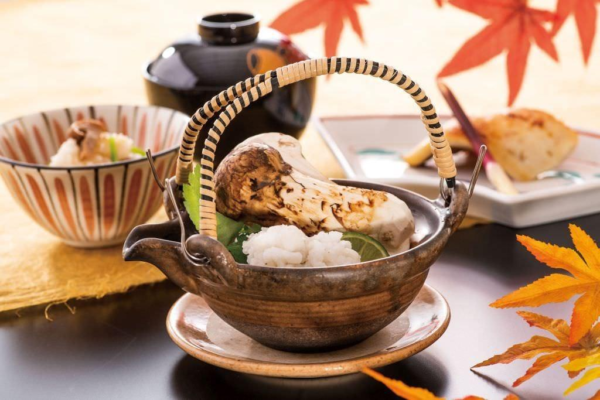
Seasonal cuisine follows the same philosophy. Autumn menus feature chestnuts, mushrooms, persimmons, freshly harvested rice, and regional specialties that appear only for a limited time each year. Dining becomes more than a meal; it becomes another way of connecting with the season.
Even traditional accommodations embrace autumn differently. Staying in a ryokan during cooler evenings, soaking in an outdoor onsen surrounded by colorful trees, or waking to mist drifting across a quiet mountain valley are experiences that cannot easily be recreated during any other time of year. These moments rarely appear at the top of travel itineraries, yet they often become the memories visitors treasure most after returning home.
Planning Your Japan Autumn Itinerary
Because autumn progresses gradually from north to south, timing plays an important role when planning a trip. Travelers hoping to experience the best autumn foliage should consider not only where they wish to go, but also when each destination typically reaches its peak.
Late September and early October are ideal for Hokkaido and higher mountain regions, while Kyoto, Tokyo, and the Mount Fuji area generally display their most vibrant colors from late October through November. This extended season makes it possible to design an itinerary that follows the changing foliage, allowing travelers to experience multiple destinations at their most beautiful.
A well-balanced itinerary also goes beyond famous landmarks. Combining cultural cities such as Kyoto with natural landscapes around Mount Fuji, scenic railway journeys, traditional accommodations, and opportunities to experience local cuisine creates a richer understanding of Japan than sightseeing alone ever could. Instead of simply checking destinations off a list, travelers begin to appreciate the subtle rhythm of the country – one that becomes especially apparent during autumn.
This is why many people who visit Japan in the fall eventually return. They realize there are still countless landscapes to discover, different regional traditions to experience, and new shades of autumn waiting in another corner of the country.

Why Japan in Autumn Stays With You
Years after returning home, few travelers remember every train they boarded or every temple they visited. What they remember instead are the moments that quietly unfolded between those destinations: watching maple leaves drift across a still pond in Kyoto, sharing a warm meal inside a countryside ryokan after an afternoon of exploring, or seeing Mount Fuji emerge through crisp autumn air just as the morning sun reached the mountains.
These memories endure because they are rooted not only in beautiful places but also in the emotions those places inspire. Autumn in Japan encourages visitors to slow down, to notice details they might otherwise overlook, and to experience a country that celebrates the fleeting beauty of each changing season with remarkable grace.
Perhaps that is why so many travelers return to Japan in autumn. They are not searching for another photograph or another destination. They are searching for the feeling that only this season seems able to create.
Experience Japan in Autumn with Carnival US Travel
Carnival US Travel’s Autumn Splendor of East Asia has been thoughtfully designed for travelers who want to experience more than Japan’s famous landmarks. From Kyoto’s historic temples and the breathtaking scenery around Mount Fuji to authentic cultural experiences, seasonal cuisine, and carefully selected accommodations, every part of the journey is planned to help you experience Japan as it is meant to be seen in autumn.
Whether this is your first visit or a long-awaited return, autumn offers a perspective on Japan that is both timeless and unforgettable.
Contact Carnival US Travel
📍 Serving San Jose, the Bay Area, and Vietnamese communities across the United States.
📞 669-292-7688 | 669-265-7814
🌐 https://www.facebook.com/carnivalinus