
Pilgrimage Blog/Post
Why a Pilgrimage Changes More Than the Places You Visit?
Long before a pilgrimage becomes a journey across countries, it begins with something much quieter. For some people, it starts with a prayer offered during a difficult season of life. For others, it grows from a promise made years earlier, a desire to give thanks, or simply the hope of finding space to reflect away from the pace of everyday routines. Unlike most vacations, where the destination is often the main attraction, a pilgrimage begins with an intention. The places you visit matter, but they are never the whole purpose of the journey.
This is perhaps the greatest difference between pilgrimage and ordinary travel. Two people may stand together in St. Peter’s Square, walk through the Sanctuary of Our Lady of Lourdes, or light a candle in Fatima, yet they may return home carrying entirely different memories. One remembers the architecture, another remembers a prayer answered, a conversation shared, or a quiet moment that arrived unexpectedly. The same destination becomes a different experience because each pilgrim arrives carrying a different story.
That is why pilgrimage has endured for centuries. It is not driven by the desire to see another landmark, but by the hope that the journey itself may reveal something we have been unable to discover while remaining at home.
Sacred Places Become Meaningful Because of the Lives That Have Passed Through Them
The great pilgrimage destinations of Europe are remarkable for their history, yet history alone cannot explain why millions of people continue returning year after year. St. Peter’s Basilica impresses visitors with its scale and artistic grandeur, but its deeper significance comes from generations of believers who have gathered there in celebration, mourning, thanksgiving, and prayer. The same is true of Lourdes, where pilgrims seek healing and hope, or Fatima, where countless visitors arrive carrying intentions that are deeply personal and often impossible to express in words.
Walking through these places, it quickly becomes clear that they are not museums preserved for tourists. They remain living centers of faith, where liturgies continue each day, candles are quietly lit by visitors from every continent, and moments of silence often speak more powerfully than any guidebook ever could. Even those who know the history well frequently discover that reading about a shrine and standing within it are two completely different experiences.
Architecture, art, and history undoubtedly enrich the journey, but what gives these places their lasting meaning is the countless human stories that continue to unfold within them. Every pilgrim becomes part of that story, adding another chapter to a tradition that stretches back across generations.
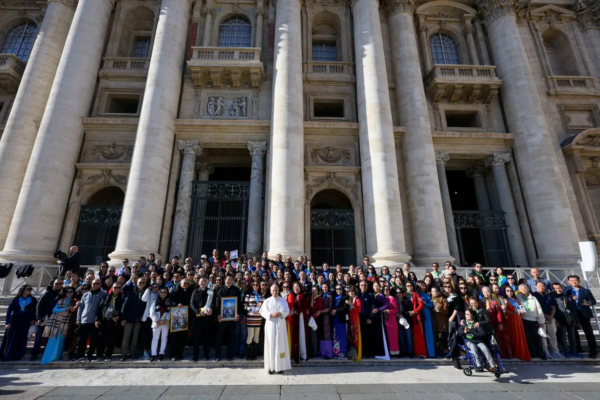
The Journey Between Holy Sites Often Leaves the Deepest Impression
One of the most unexpected discoveries for first-time pilgrims is that the journey itself gradually becomes as meaningful as the destinations. Hours spent traveling across Italy, Portugal, France, or Spain are not empty spaces between famous landmarks. They are opportunities for reflection, conversation, and community that rarely exist in ordinary life.
During long coach rides, strangers begin sharing stories that would probably never emerge in everyday conversation. Some speak about family members they are praying for, others about personal struggles, hopes for the future, or moments that led them to join the pilgrimage. These conversations are rarely planned, yet they often become some of the most memorable parts of the entire experience.
There are also moments when words become unnecessary. Looking across the hills of Tuscany, watching vineyards pass beneath the afternoon sun, or walking quietly toward a sanctuary before morning Mass creates a different rhythm from daily life. Without constant notifications, meetings, or deadlines, people find themselves listening more carefully – to one another, to the places around them, and sometimes to thoughts they have not had time to face for years.
By the end of the journey, many pilgrims realize that what changed them was not a single destination but the gradual transformation that happened while traveling from one sacred place to another.
Pilgrimage Invites You to Experience Time Differently
Modern travel often encourages speed. Travelers try to fit as many attractions as possible into a limited schedule, moving quickly from one landmark to the next before continuing to another city. Pilgrimage follows a different rhythm, one that values presence over pace.
Instead of asking how many churches can be visited in a day, pilgrims are invited to spend time within them. A Mass celebrated in the Vatican, a candlelight procession in Lourdes, or a quiet hour inside the Basilica of Our Lady of the Rosary in Fatima becomes meaningful not because it appears on an itinerary, but because there is time to experience it fully.
This slower rhythm extends beyond religious observances. Meals are shared without rushing. Walks through medieval towns become opportunities for conversation rather than simply transportation. Even moments of silence take on new significance because they are no longer interruptions to a busy schedule but an essential part of the journey itself.
Many travelers discover that this different relationship with time becomes one of the greatest gifts of pilgrimage. It reminds them that meaningful experiences rarely happen when life is moving at its fastest.
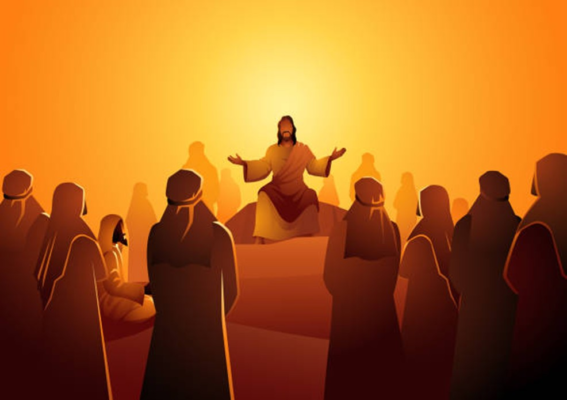
What Pilgrims Bring Home Cannot Be Packed in a Suitcase
When a pilgrimage ends, photographs and souvenirs naturally return home with every traveler. Yet the memories that remain strongest are rarely the ones captured by a camera.
Some remember the sound of thousands of voices praying together in St. Peter’s Square. Others recall the quiet dignity of the evening candlelight procession in Lourdes or the peaceful atmosphere that settles over Fatima at sunrise. Many remember the friendships formed during the journey, strengthened by shared experiences that unfolded over days rather than hours.
Perhaps the greatest gift, however, is less tangible. Pilgrimage often changes the way people return to ordinary life. Gratitude becomes easier to recognise, prayer feels less distant, and everyday concerns begin to find their proper perspective. The destinations remain thousands of miles away, yet something of the journey continues long after the passport has been put away.
For this reason, many pilgrims eventually choose to return. Not because they failed to see everything the first time, but because they discovered that pilgrimage is not about completing a list of sacred places. It is about continuing a journey that does not end when the flight home lands.
Experience a Meaningful Pilgrimage with Carnival US Travel
Every pilgrimage organized by Carnival US Travel is designed to be more than a sightseeing itinerary. Alongside visits to the Vatican, Lourdes, Fatima, Assisi, and other sacred destinations, our journeys allow time for prayer, reflection, community, and meaningful encounters that give each destination its true significance.
Whether you are preparing for your first pilgrimage or returning to places that have shaped your faith before, we invite you to experience a journey where every destination has a purpose—and every step offers an opportunity for renewal.
Contact Carnival US Travel
📍 Serving San Jose, the Bay Area, and Vietnamese communities across the United States.
📞 669-292-7688 | 669-265-7814
🌐 https://www.facebook.com/carnivalinus