
Visa & Documents
Schengen Visa for European Travel – What You Need to Know Before Your Journey
Planning a European journey often begins with the exciting parts of travel. You choose the destinations you want to discover, look through photographs of historic cities, research places to visit and imagine the experiences waiting for you. Yet before any of those moments can happen, there is a more practical part of international travel that deserves careful attention: making sure your travel documents are in order.
For travelers visiting countries within the Schengen Area, understanding visa requirements is particularly important. A Schengen visa can allow eligible travelers to visit multiple participating European countries during one journey without applying for a separate short-stay visa for every country on the itinerary. However, the application process involves specific requirements, and travelers should not assume that having a flight booking or tour reservation automatically means they will receive a visa.
Visa requirements depend on factors such as your nationality, the purpose of your trip, the countries you plan to visit and the length of your stay. Because immigration regulations can change, travelers should always verify the latest requirements with the relevant embassy, consulate or official government authority before submitting an application.
The good news is that preparing early can make the process much more manageable.
What Is the Schengen Area?
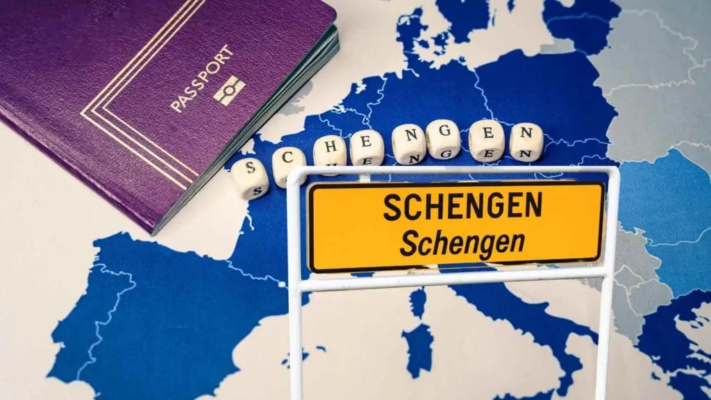
The Schengen Area is a group of European countries that have removed routine internal border controls between participating states. This means that once travelers have legally entered the Schengen Area, they can generally move between participating countries without undergoing a standard immigration check at every internal border.
For travelers, this arrangement makes multi-country European journeys considerably easier. A single itinerary might include several countries, allowing visitors to move from one destination to another without applying for a separate tourist visa each time.
However, the Schengen Area should not be confused with the European Union. The two groups overlap substantially, but they are not identical. Some European Union countries are not part of the Schengen Area, while several countries outside the European Union participate in Schengen arrangements.
This distinction matters when planning an itinerary because the visa requirements depend on the countries involved and the traveler’s nationality.
Who Needs a Schengen Visa?
Whether you need a Schengen visa depends primarily on your nationality and the purpose and duration of your visit. Citizens of certain countries can enter the Schengen Area for short stays without obtaining a visa in advance, while citizens of other countries must apply for a visa before traveling.
For travelers who do require a visa, a short-stay Schengen visa generally covers visits of up to 90 days within any 180-day period, depending on the conditions of the visa issued.
The safest approach is not to rely on information found through social media, travel forums or outdated articles. Visa rules can change, and requirements may differ according to the traveler’s circumstances. Always check the current information provided by the relevant official authorities before beginning the application process.
If you are traveling as part of an organized tour, the tour operator may provide supporting documentation such as itinerary information, accommodation details or booking confirmations, but the responsibility for meeting visa requirements ultimately remains with the traveler.
Which Schengen Country Should You Apply Through?
This is one of the most important points for travelers planning a multi-country European journey.
You generally do not simply choose whichever Schengen country has the most convenient embassy appointment. The correct application country is determined by the rules governing the main destination of your trip. If you are visiting several Schengen countries for different lengths of time, the country where you will spend the greatest amount of time will generally determine where the application should be submitted.
If the duration of your stay is equal across multiple countries, the rules may instead take into account the first country of entry.
This is why having a clear itinerary is important before submitting a visa application. Your application should accurately reflect your intended journey, including the countries you plan to visit and the duration of your stay in each destination.
For travelers joining an organized European tour, the official itinerary can be particularly useful when preparing this information.
What Documents Are Usually Required?
A Schengen visa application generally requires a collection of documents demonstrating who you are, why you are traveling, how you will travel and where you will stay. Exact requirements can vary depending on the consulate, the applicant’s nationality and individual circumstances, so travelers should always consult the official application instructions for their specific case.
A valid passport is one of the most important documents. Your passport must meet the validity and blank-page requirements established for Schengen travel. Applicants will also generally need a completed visa application form, recent photographs meeting the required specifications and documentation explaining the purpose of the trip.
Travelers may also need to provide proof of accommodation, transportation arrangements, financial means and travel medical insurance that satisfies Schengen requirements. Depending on the applicant’s circumstances, additional documents may be requested to demonstrate employment, income, family ties, residence or other relevant information.
The key principle is simple: every document should support a clear and consistent story about your journey.
Your Travel Itinerary Matters
A well-prepared itinerary can make the purpose of your application much easier to understand. The itinerary should clearly indicate where you intend to travel, how long you plan to stay and how the different parts of the journey connect.
For an organized European tour, this information may already be structured as part of the tour documentation. Travelers should still review the details carefully and make sure that the information in their visa application matches the itinerary and supporting documents.
Inconsistencies can create unnecessary questions. For example, if your application indicates that you will spend several days in one country but your accommodation documents show a completely different schedule, the discrepancy may require clarification.
This does not mean that every aspect of a trip must be perfectly predictable. Travel plans can change. However, your application should accurately represent your intended journey at the time you apply.
Why Travel Medical Insurance Is Important
Travel medical insurance is an important component of a Schengen visa application for travelers who require a visa. The policy must meet the requirements specified by the Schengen authorities, including the required minimum coverage and geographic validity.
Travel insurance is not simply another piece of paperwork. International travel can involve unexpected circumstances, and medical treatment abroad can be expensive. Having appropriate coverage can provide financial protection as well as peace of mind.
When purchasing a policy, travelers should carefully review what is covered, where the policy applies, the coverage limits and any exclusions. The certificate or documentation provided by the insurer should also be retained with the rest of the visa application materials.
Because insurance requirements can be specific, travelers should confirm the current requirements applicable to their visa application rather than relying on a generic travel insurance policy.
Proof of Financial Means
Visa authorities may require applicants to demonstrate that they have sufficient financial resources to support themselves during their stay.
The exact amount and form of acceptable evidence can vary depending on the country handling the application and the applicant’s circumstances. Bank statements, employment documentation, income records or other financial evidence may be requested.
The purpose is generally to demonstrate that the traveler can reasonably support the costs associated with the trip without relying on unauthorized employment or public assistance.
When preparing financial documents, consistency is important. Your financial information should make sense in relation to the length and nature of the planned journey.
Proof of Accommodation
Accommodation documentation is another common component of a Schengen visa application.
Depending on your travel arrangements, this may include hotel reservations, accommodation confirmations or other documentation demonstrating where you intend to stay during your trip.
For travelers joining an organized tour, accommodation may already be arranged as part of the package. In such cases, the tour operator may provide relevant booking documentation or itinerary details that can support the visa application.
Travelers should ensure that names, dates and locations are consistent across their documents. A small discrepancy can create confusion when an application is reviewed, particularly when the trip includes multiple countries and accommodation changes.
Transportation and Flight Reservations
Applicants may also be asked to provide evidence of their intended transportation arrangements, including information about flights or other international travel.
This does not necessarily mean that every traveler should purchase non-refundable flights before receiving a visa. In fact, travelers should carefully consider the risks associated with making expensive, non-refundable commitments before their visa has been approved.
Instead, follow the specific instructions of the relevant visa application center or consulate regarding acceptable proof of travel arrangements.
For organized tours, documentation from the tour provider can help establish the structure of the journey and its planned dates.
When Should You Apply for a Schengen Visa?
Timing is one of the easiest parts of the visa process to underestimate.
Travelers should not leave the application until a few days before departure. Processing times can vary, and additional documentation or an interview may sometimes be required. Appointment availability can also become limited during periods of high travel demand.
For that reason, travelers should begin researching the application requirements as soon as they know they will be traveling.
The exact earliest and latest application windows depend on current Schengen rules and the specific circumstances of the journey, so applicants should check the official guidance for the country responsible for their application.
A useful rule of thumb is to think about visa preparation as part of the trip itself rather than as a final administrative task.
The earlier you understand what is required, the more time you have to correct missing or inconsistent documents.
Biometrics and the Visa Appointment
Many Schengen visa applicants are required to attend an appointment where biometric information is collected. This can include fingerprints and a photograph, subject to the applicable rules and exemptions.
The appointment is not simply a formality. Travelers should arrive prepared with the required documentation, organized according to the instructions provided by the relevant visa application center or consulate.
It is worth checking the appointment requirements carefully before the day of submission. Some centers have specific rules concerning document organization, photographs, payment methods or permitted items.
A little preparation can make the appointment considerably smoother.
Common Mistakes That Can Complicate a Visa Application
One of the most common mistakes travelers make is waiting too long to start the process. Even if you have traveled internationally before, you should not assume that a new application will follow exactly the same timeline or requirements as a previous one.
Another common issue is inconsistency between documents. Dates, hotel reservations, flight information and the itinerary should tell the same story. If something changes, update the relevant documents where appropriate rather than submitting a collection of contradictory information.
Applicants should also avoid providing unnecessary or irrelevant documents simply because they believe a larger application is automatically stronger. The goal is not to submit the greatest possible number of papers. It is to provide clear, accurate and relevant evidence supporting your application.
Finally, never rely on unofficial promises of visa approval. No tour operator, travel agent or third party can guarantee that a visa will be issued by a foreign government.
What If Your European Journey Includes Several Countries?
Multi-country travel is one of the great advantages of visiting Europe, but it requires extra attention when preparing visa documentation.
Your itinerary should clearly show how you move from one destination to another and where you will stay along the way. If the journey includes several Schengen countries, make sure the information is consistent across your application, accommodation documents and transportation arrangements.
This is particularly important for organized tours because the itinerary may include several hotels, transfers and destinations within a relatively short period.
Rather than viewing the number of countries as a complication, think of the itinerary as a connected story. Each document should help explain that story clearly.
What About Changes After the Visa Is Issued?
Travel plans can sometimes change after a visa has been issued. A hotel may change, a flight may be rescheduled or circumstances may require adjustments to the itinerary.
However, travelers should not assume that every change is automatically acceptable. The conditions of your visa and the rules of the countries you intend to visit still apply.
If a significant change occurs, particularly one affecting the main destination or purpose of your trip, seek guidance from the relevant official authority before traveling.
Keeping copies of your original application and supporting documents can also be useful during your journey, especially if you need to demonstrate your travel plans.
Keep Copies of Your Important Documents
Once your visa has been approved, your preparation should not stop.
Keep copies of your passport, visa, travel insurance, accommodation information, transportation details and other important documents in a secure location. Having both physical and digital copies can be helpful if an original document is lost or damaged.
At the same time, avoid carrying every important document in one place. Separating copies and originals can reduce the risk of losing everything at once.
Digital copies should also be stored securely rather than shared publicly or left accessible on an unsecured device.
Good document organization may not be the most exciting part of preparing for Europe, but it can make a major difference if something unexpected happens.
Your Visa Is One Part of the Journey
Applying for a Schengen visa can feel like a complicated administrative process, especially when you are preparing for a multi-country European journey. But once you break the process into individual steps – understanding whether you need a visa, identifying the correct application country, preparing your itinerary, gathering supporting documents, arranging insurance and allowing enough time for processing – the process becomes much easier to manage.
The most important thing is to begin early and rely on current official information. Visa rules are subject to change, and requirements can differ depending on your nationality and individual circumstances.
Your European journey may begin with a visa application, but the paperwork is only the first step. Once your documents are ready, you can turn your attention back to the experiences that made you want to travel in the first place: historic cities, sacred destinations, local cultures, meaningful encounters and the places you have been waiting to see.
Prepare the documents carefully. Then give yourself the freedom to enjoy the journey.

Plan Ahead. Travel With Confidence.
At Carnival US Travel, organized European journeys are designed to bring multiple destinations and experiences together within a structured itinerary. For travelers preparing for international travel, having clear information about the journey can also make the documentation process easier to organize.
However, visa approval remains the responsibility of the relevant government authorities, and travelers should always verify the latest visa requirements applicable to their nationality and itinerary before applying.
Your journey begins long before you board the plane. Make sure your documents are ready for the journey ahead.