Pilgrimage Leisure

Egypt

The Weight of Infinity

🌍 North Africa / Middle East
💰 Egyptian Pound
Best: Oct-Apr
💬 Arabic/English
🕐

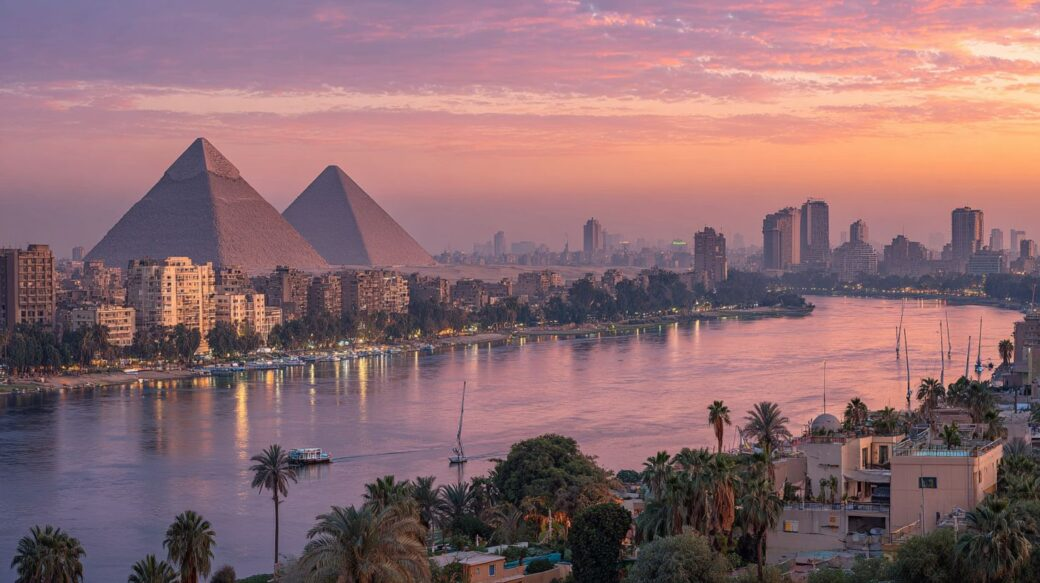
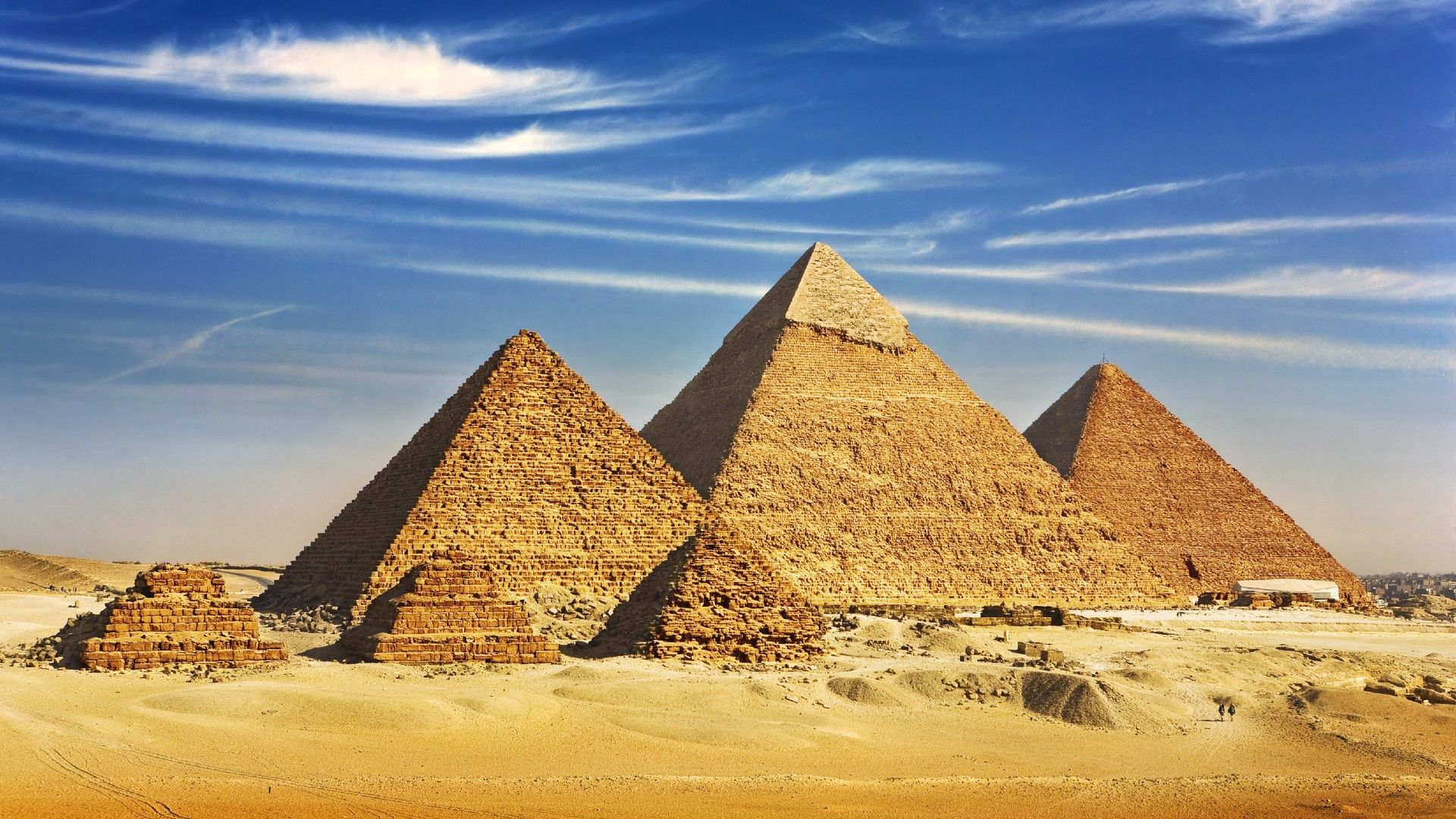
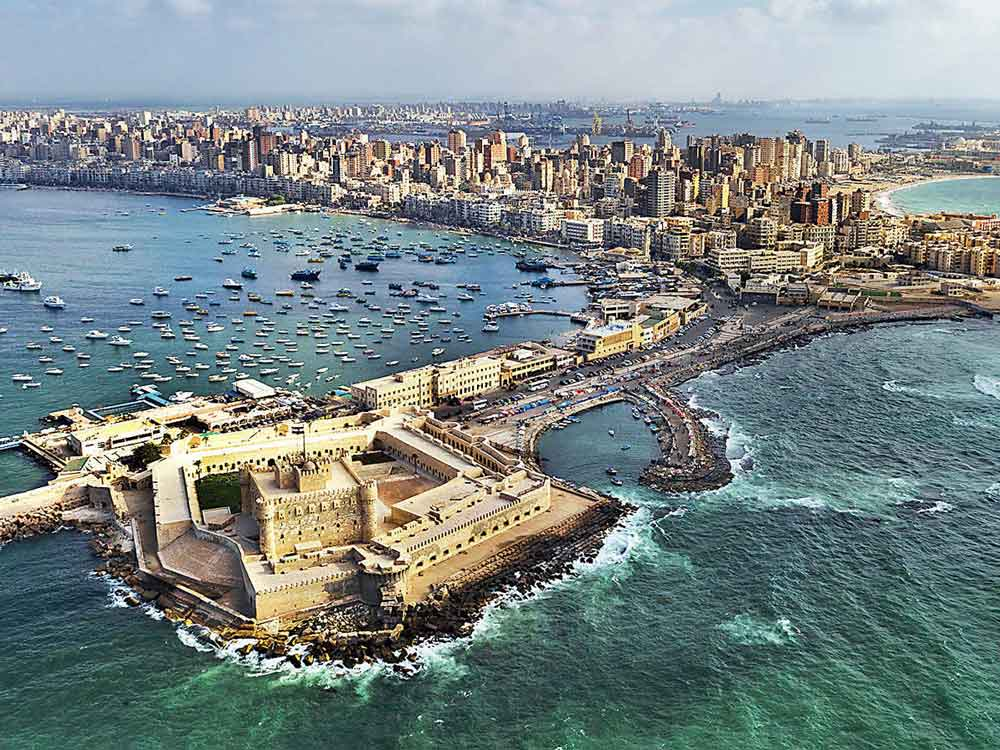
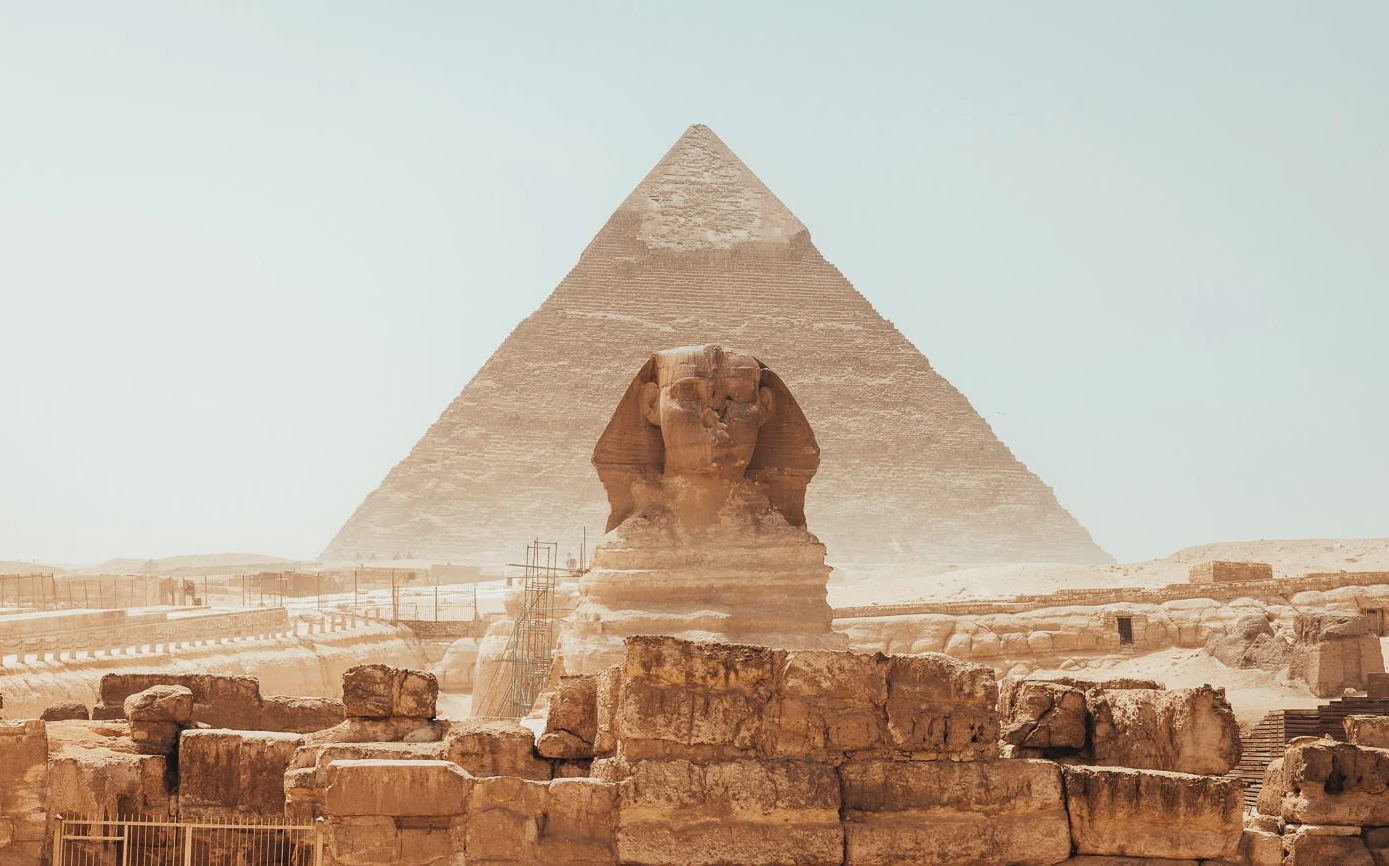
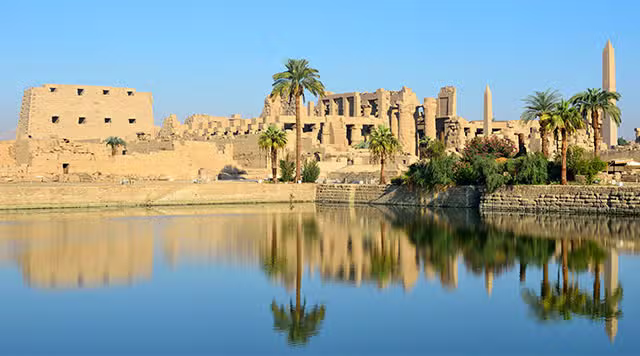
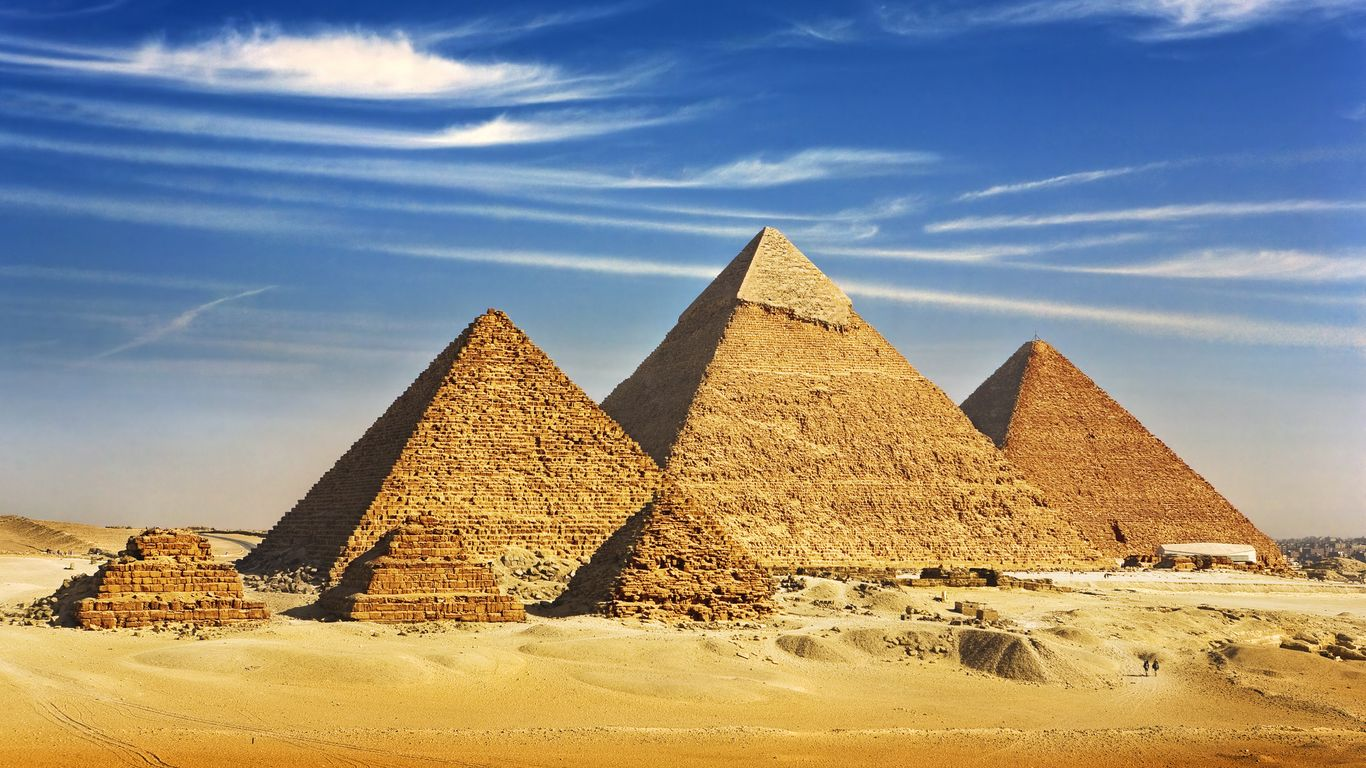
Egypt is a destination where ancient history, sacred tradition, and unforgettable landscapes come together. From the timeless Pyramids of Giza and the Nile River to the churches of Coptic Cairo and the desert beauty of Sinai, Egypt offers travelers a journey through some of the world’s most meaningful places.

This journey invites travelers to experience Egypt not only as a land of monuments, but also as a living culture filled with hospitality, faith, food, history, and wonder. Whether walking through ancient streets, visiting museums, sailing along the Nile, or standing before the great pyramids, travelers will discover a country that continues to inspire the world.

Documents & Visa

Travelers should make sure their passport is valid for at least 6 months beyond the date of entry into Egypt. U.S. travelers are generally required to have a visa to enter Egypt. Tourist visas may be obtained through the official Egypt e-Visa system or upon arrival at major Egyptian airports, depending on nationality and current entry rules.

Travelers should bring a printed copy of their passport, visa or e-Visa approval, travel insurance information, hotel details, emergency contacts, and a copy of the group itinerary.

Non-U.S. passport holders, green card holders, and travelers with special travel documents should check visa requirements before departure. Entry rules can change, so travelers should confirm requirements before final payment and again before travel.

Important reminder: Drones are not allowed to be brought into Egypt without proper authorization. Prescription medication should be kept in original packaging, and travelers should carry a doctor’s note if needed.
Luggage

Pack comfortable clothing suitable for warm weather, walking tours, and modest visits to churches, monasteries, mosques, and sacred sites.

Recommended items include:
Comfortable walking shoes
Lightweight breathable clothing
Modest outfits for religious sites
Light jacket or sweater for evenings
Sun hat or cap
Sunglasses
Sunscreen
Personal medication
Small backpack for day tours
Reusable water bottle
Travel adapter
Hand sanitizer and tissues
Copy of passport and travel documents

For Mount Sinai or early morning desert visits, travelers should bring warmer layers because temperatures can be cold before sunrise and after sunset.

Hotels

Hotels in Egypt often have security checks at the entrance. Travelers may be asked to show passport information at check-in.

Hotel tips:
Keep your passport and valuables in the hotel safe
Drink bottled water instead of tap water
Check the hotel meeting time each evening
Bring your room key and hotel card when leaving
Use elevators carefully during busy group check-in
Expect breakfast buffets in most group hotels
Ask the tour leader before leaving the hotel alone

Some hotels may have different standards from U.S. hotels. Patience and flexibility are helpful, especially during busy travel seasons.

Flights & Airport

The main international gateway is Cairo International Airport (CAI). Some itineraries may also use Sphinx International Airport near Giza, Sharm El Sheikh International Airport, Hurghada International Airport, Luxor International Airport, or Aswan International Airport depending on the tour route.

For pilgrimage and cultural tours, most groups begin in Cairo and may continue by domestic flight, coach, or Nile cruise to other regions such as Luxor, Aswan, Sinai, or the Red Sea area.

Travelers should arrive at the airport early for international flights, especially when traveling with a group. Security checks, document verification, luggage screening, and immigration lines may take extra time.

US Customs & Border

When returning to the United States, travelers must follow U.S. Customs and Border Protection rules. Keep receipts for valuable purchases and souvenirs. Avoid bringing back restricted items such as certain foods, plants, soil, seeds, animal products, or ancient artifacts.

Do not purchase or carry antiques, archaeological objects, stones from historic sites, or religious objects that may be considered cultural property unless proper documentation is provided.

Travelers should declare required items honestly and keep all receipts organized for customs review.

Money & Payment

The local currency is the Egyptian Pound (EGP). U.S. dollars may be accepted in some tourist areas, but small local currency is useful for restrooms, tips, local shops, snacks, and small purchases.

Credit cards are accepted in many hotels, larger restaurants, museums, and tourist shops, but cash is still important in markets, small shops, and remote areas.

Recommended money tips:
Bring some U.S. dollars in clean, newer bills
Exchange money at banks, hotels, or authorized exchange counters
Use ATMs located inside banks or secure areas
Carry small bills for tips and small purchases
Notify your bank before international travel
Do not exchange money with street vendors
Keep cash in separate places for safety

Tax Return

Egypt may allow VAT refunds for eligible foreign visitors on qualifying purchases. Travelers should ask the store before purchasing if the item qualifies for a tourist VAT refund.

To claim a refund, travelers usually need to keep the original invoice, passport information, purchased goods, and complete the refund process before departure at the airport or official refund point.

Not all purchases qualify. Food, hotel stays, services, and used items are usually not part of tourist tax refund programs. Travelers should allow extra time at the airport if they plan to request a VAT refund.

Weather & Clothing
Season Location Average Temp Notes
Spring: March – May Cairo & Giza 68°F – 90°F Warm and pleasant, good for sightseeing. May can become hot.
Spring: March – May Luxor & Aswan 80°F – 100°F Hotter in Upper Egypt. Morning tours are recommended.
Summer: June – August Cairo & Giza 85°F – 100°F+ Very hot. Avoid long outdoor walking during midday.
Summer: June – August Luxor & Aswan 100°F – 110°F+ Extremely hot. Best for travelers who can handle heat.
Autumn: September – November Cairo & Giza 75°F – 92°F One of the best seasons for travel and pilgrimage.
Autumn: September – November Luxor & Aswan 85°F – 100°F Still warm, but more comfortable than summer.
Winter: December – February Cairo & Giza 55°F – 70°F Comfortable during the day, cooler at night.
Winter: December – February Sinai / Mount Sinai 40°F – 65°F Can be very cold early morning and at night. Warm layers are needed.
Pilgrimage Clothing

For churches, monasteries, mosques, and sacred places, travelers should dress modestly and respectfully.

Recommended clothing:
Shirts that cover shoulders
Pants, long skirts, or dresses below the knee
Comfortable walking shoes
Light scarf or shawl for women when needed
No revealing clothing inside religious sites
Hat and sunglasses for outdoor walking
Warm jacket for Mount Sinai or early morning tours

Egypt can be hot and dusty, so breathable clothing is recommended. For pilgrimage groups, comfort and modesty should be balanced, especially on days with long walking tours.

Communication & Internet

Wi-Fi is available in many hotels, restaurants, airports, and some tourist areas, but the connection may vary. Travelers may purchase a local SIM card or eSIM for easier communication during the trip.

WhatsApp is commonly used for group communication. Travelers should make sure their phone is unlocked before buying a local SIM card.

Internet may be weaker in desert areas, on long road transfers, and around Mount Sinai. Download important documents, maps, and itinerary details before leaving the hotel.

Emergency Numbers

Police: 122
Tourist Police: 126
Ambulance: 123
Fire: 180
U.S. Embassy Cairo: +20-2-2797-3300

Travelers should also keep the tour leader’s phone number, hotel address, bus information, and emergency contact card with them at all times.

Electricity

Egypt uses Type C and Type F plugs. The standard voltage is 220V and the frequency is 50Hz.

Travelers from the United States should bring a universal travel adapter. Most phone chargers, laptop chargers, and camera chargers are dual voltage, but travelers should check the device label before plugging in.

Hair dryers, curling irons, and other heat appliances may require a voltage converter if they are not dual voltage.

Safety

Egypt welcomes many visitors each year, but travelers should follow group instructions and stay aware of their surroundings.

Safety tips:
Stay with the group during tours
Use licensed guides and approved transportation
Do not wander alone at night
Keep valuables secure
Avoid political gatherings or demonstrations
Drink bottled water
Be careful when crossing streets
Use hotel safes for passports and extra cash
Do not bring drones
Ask permission before photographing people, security areas, or military sites
Follow local customs at religious sites

For Sinai, desert routes, and remote areas, travelers should only go with organized, licensed tour arrangements and follow current local guidance.

Food & Dining

Egyptian food is flavorful, warm, and filling. Common ingredients include rice, lentils, beans, bread, vegetables, grilled meats, herbs, and spices.

Travelers should drink bottled water and be cautious with raw vegetables, street food, and ice if they have a sensitive stomach. Hotel meals and group restaurants are usually safer and more comfortable for larger groups.

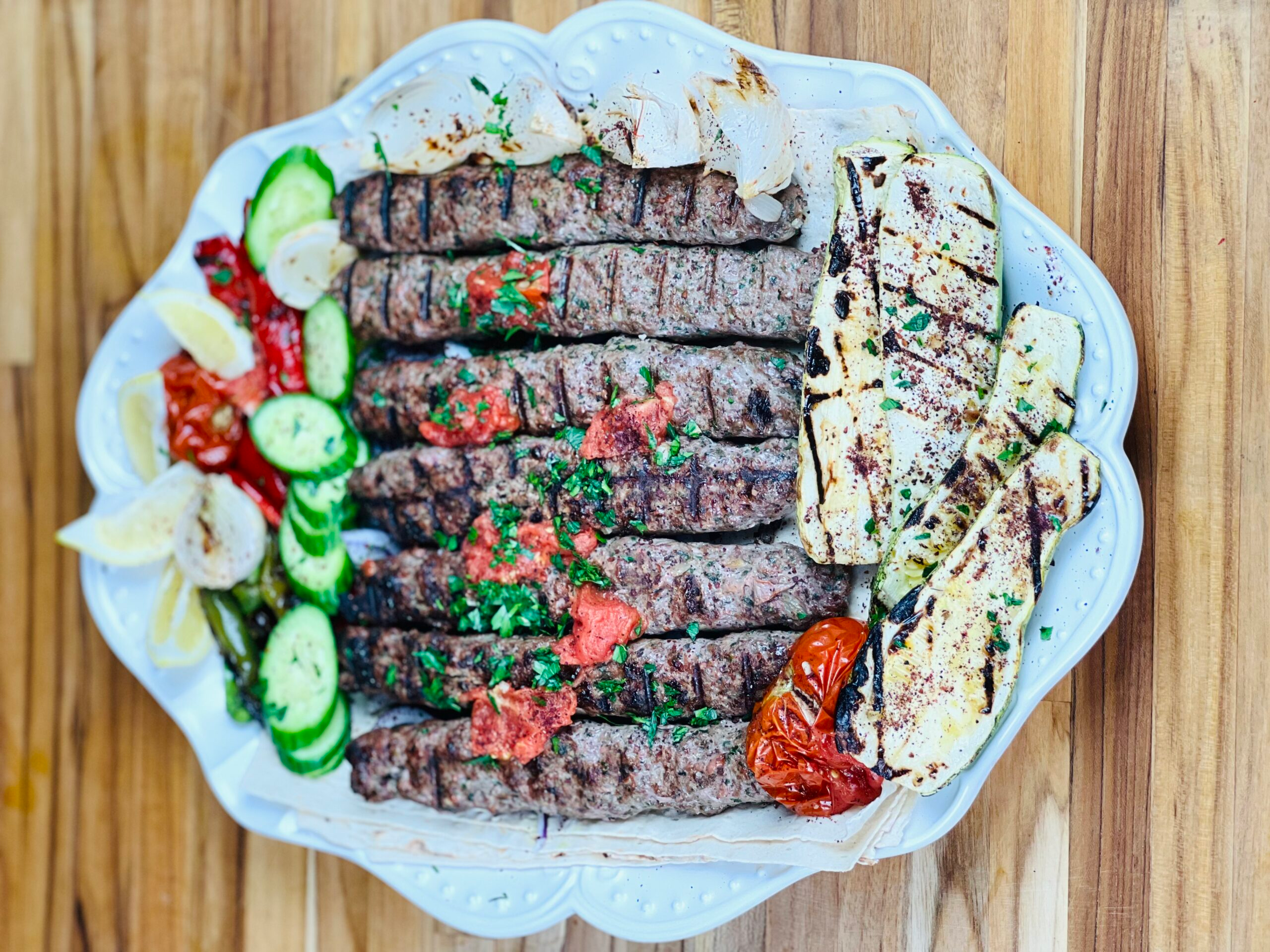
Popular foods to try include koshary, ful medames, taameya, grilled kebab, kofta, molokhia, Egyptian bread, rice dishes, and traditional desserts.

For pilgrims and older travelers, lighter meals, bottled water, and regular hydration are important because sightseeing days can be long and warm.

Local Cuisine
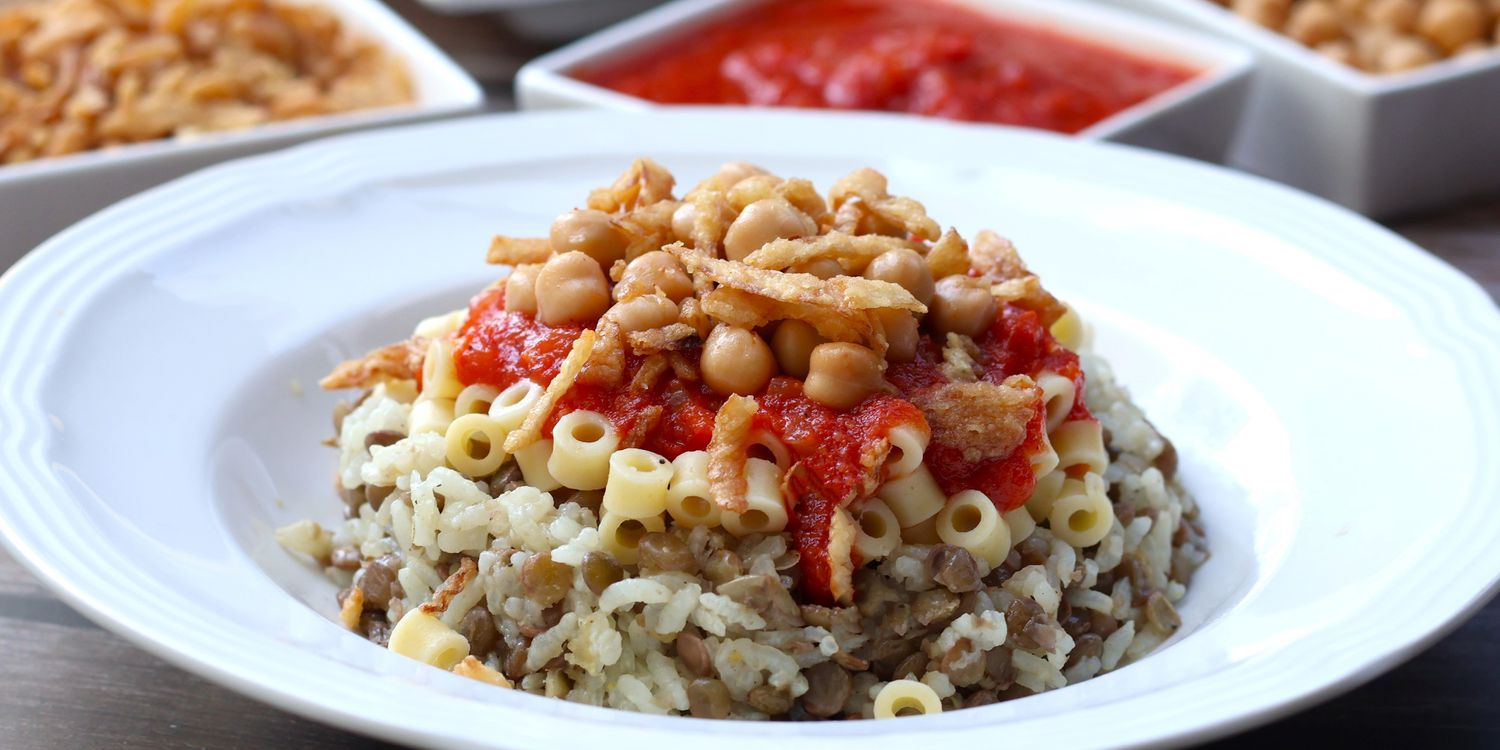
Koshary
Koshary
A popular Egyptian comfort dish made with rice, lentils, pasta, chickpeas, tomato sauce, and crispy onions. It is filling, affordable, and commonly enjoyed by locals.
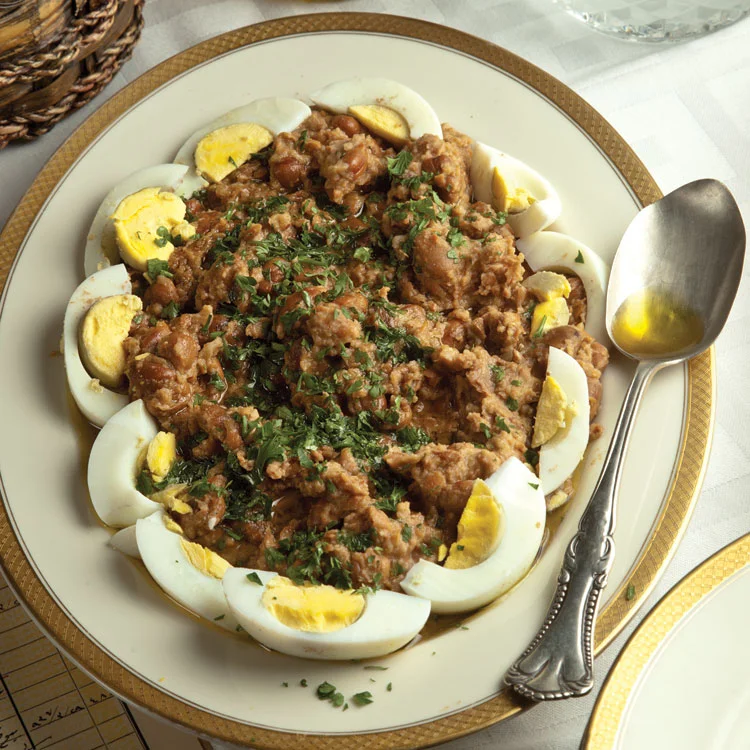
Ful Medames
Ful Medames
A traditional dish made from slow-cooked fava beans, often served with olive oil, lemon, garlic, and Egyptian bread. It is commonly eaten for breakfast.
Taameya
Taameya
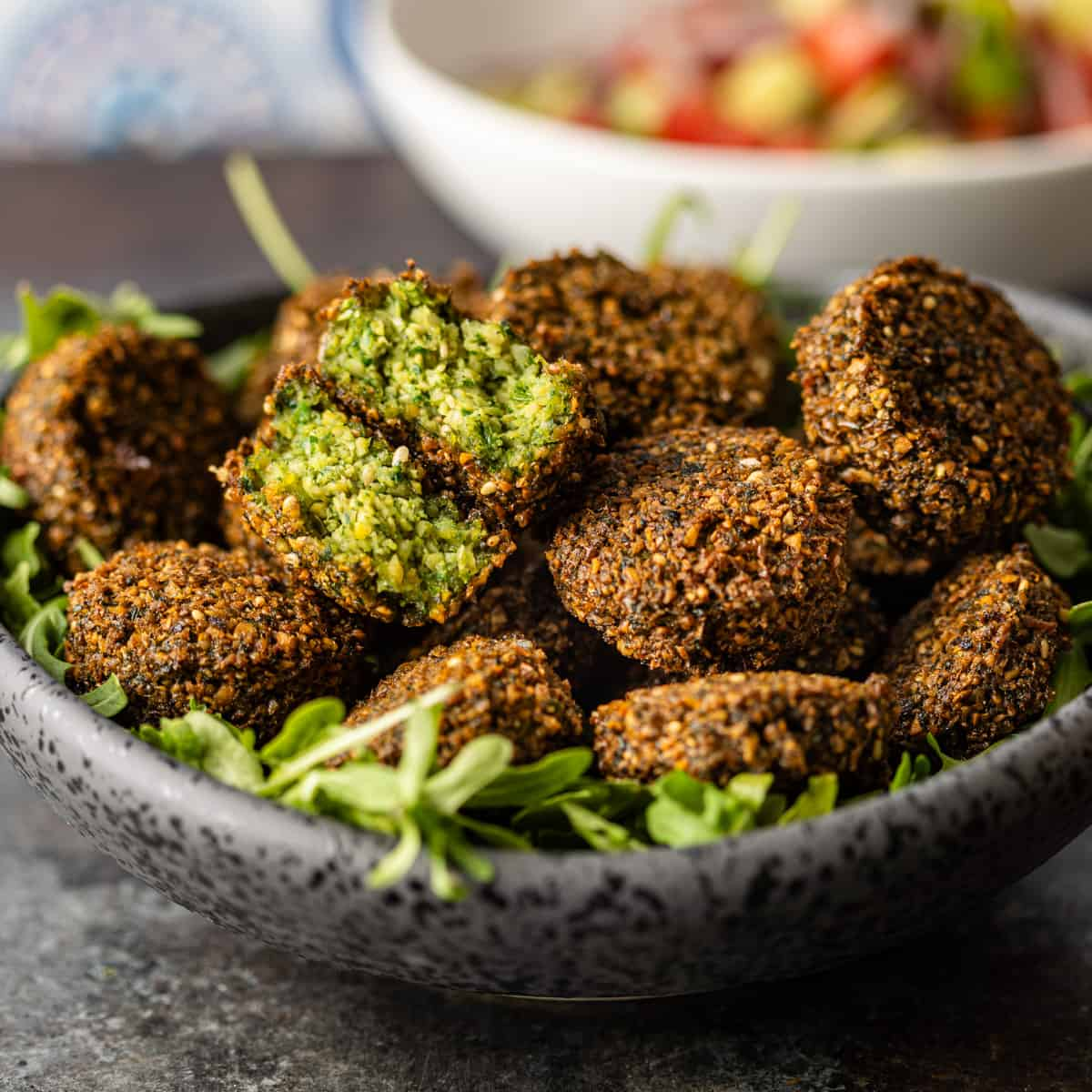
The Egyptian version of falafel, usually made from fava beans instead of chickpeas. It is crispy outside and soft inside.
Grilled Kebab & Kofta
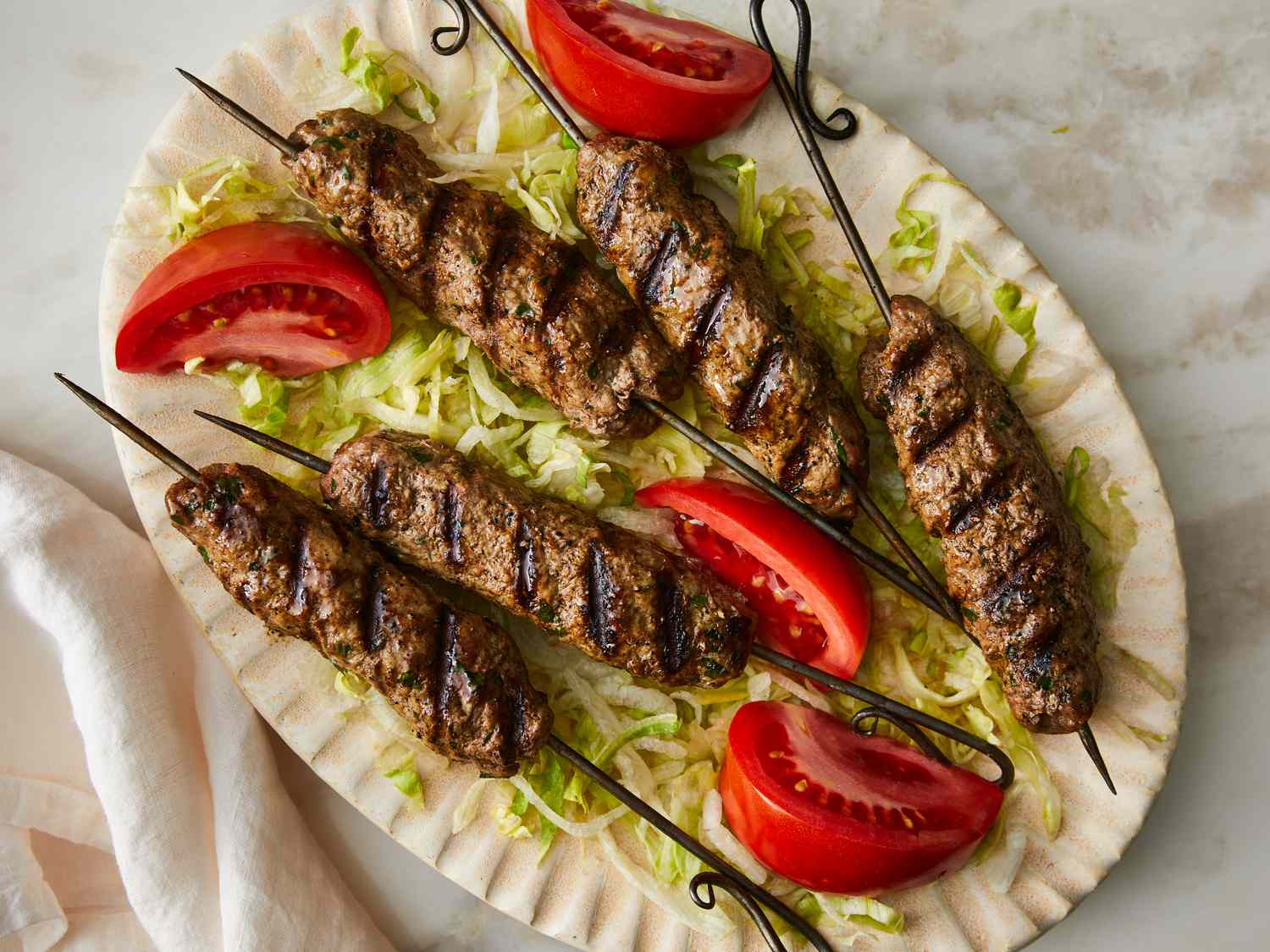
A common meat dish served with rice, bread, salad, and sauces. Good for travelers who prefer familiar grilled food.
Pilgrimage Site Overview

Egypt holds a special place in the story of faith. It is the land connected with Joseph, Moses, the Exodus, and the Holy Family’s refuge during their flight from danger. For Christian pilgrims, Egypt is more than a historic destination — it is a sacred land of protection, prayer, survival, and God’s providence.

A pilgrimage to Egypt invites travelers to reflect on Scripture, the early Christian Church, and the deep spiritual heritage of the Coptic tradition. From Coptic Cairo and ancient monasteries to Mount Sinai and the desert paths of faith, this journey helps pilgrims encounter Egypt as a place where God guided His people through hardship, silence, and hope.

Coptic Cairo
Coptic Cairo
One of the most important Christian areas in Egypt, home to ancient churches connected with early Christianity and the tradition of the Holy Family’s stay in Egypt.
Saints Sergius and Bacchus Church
Also known as Abu Serga, this church is traditionally associated with the place where the Holy Family rested during their flight into Egypt.
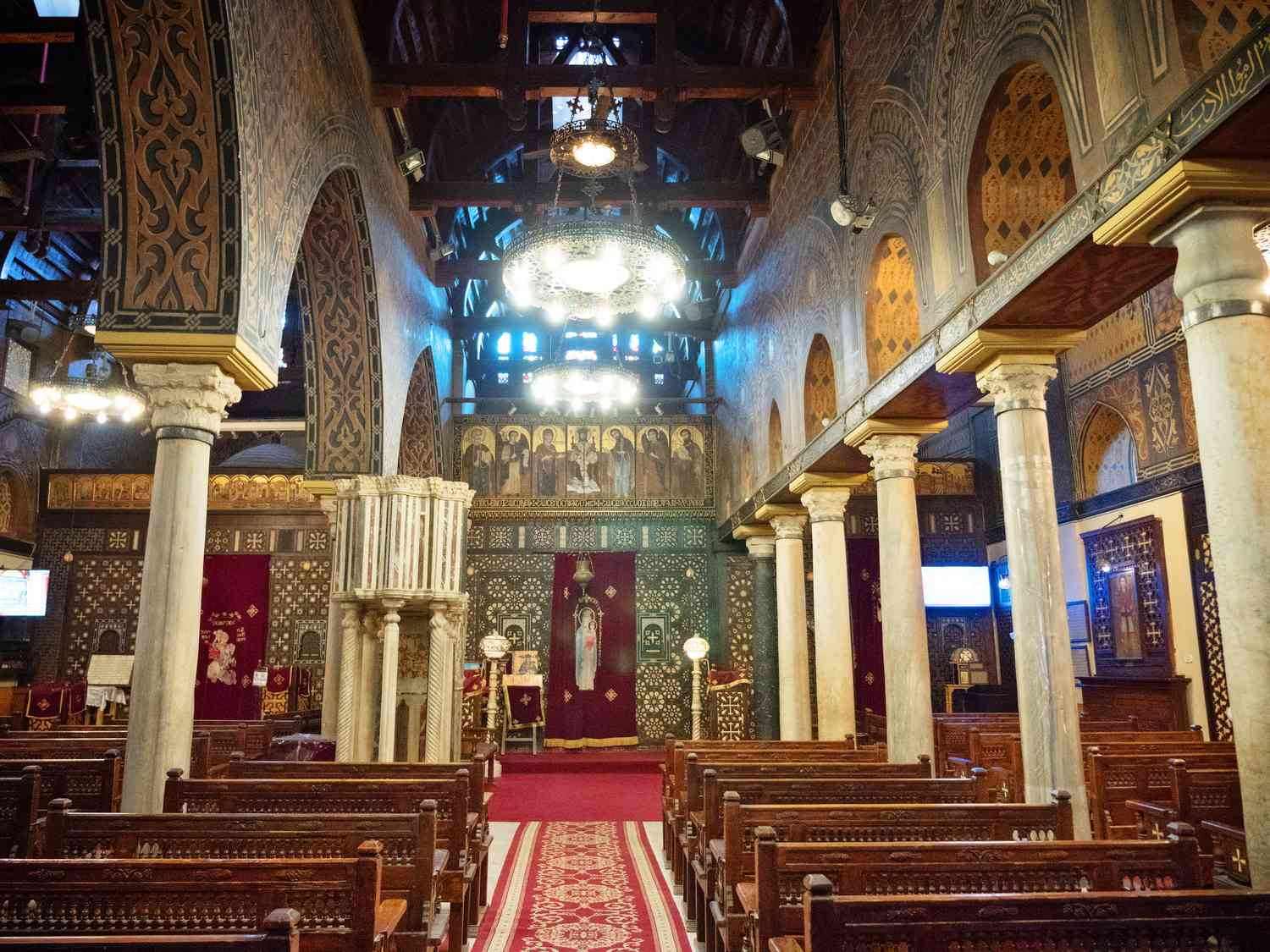
The Hanging Church
The Hanging Church
One of Egypt’s oldest and most famous Coptic churches, known for its historic beauty, icons, and importance in Coptic Christian heritage.
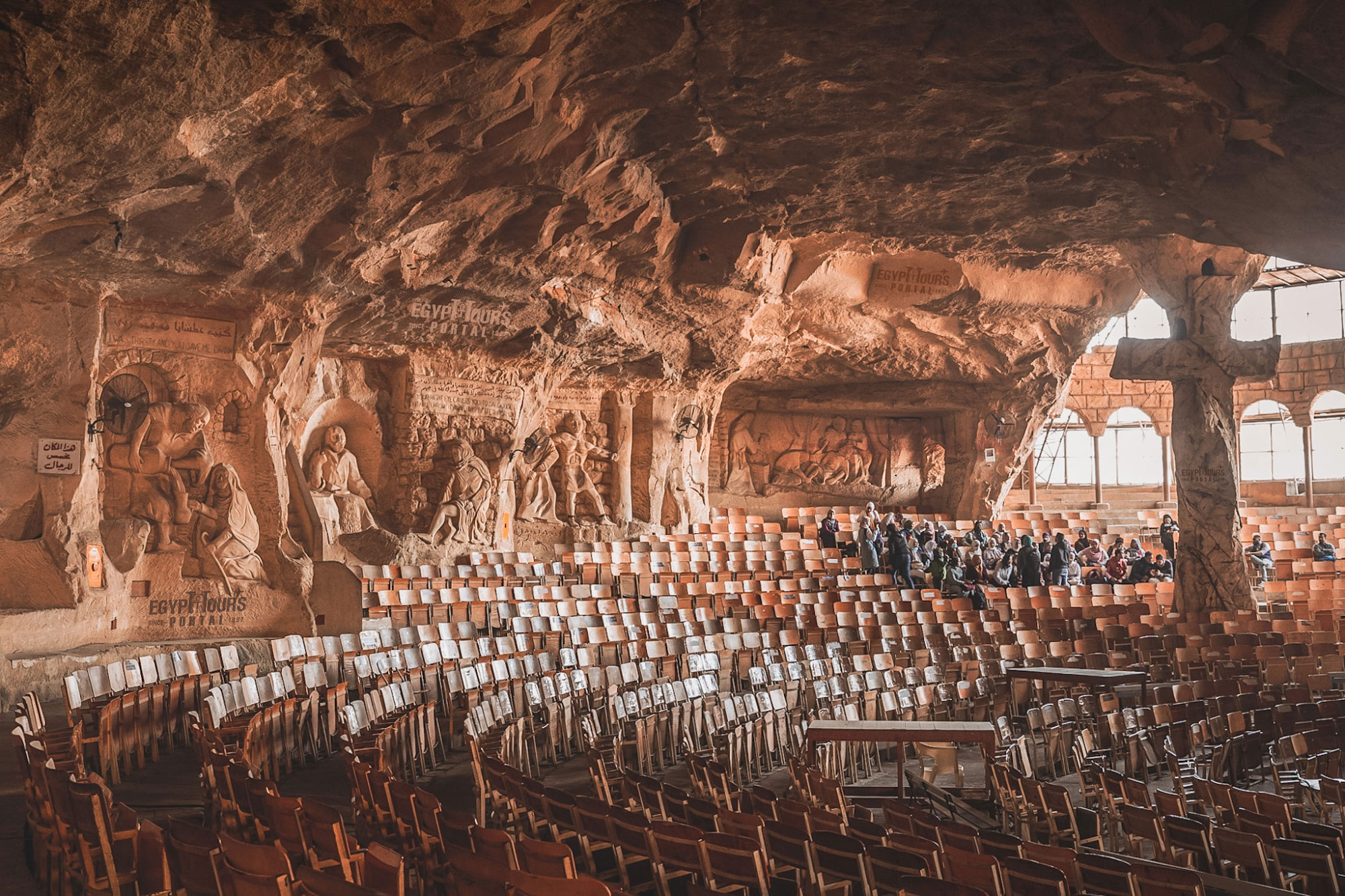
Saint Simon Monastery / Cave Church
A remarkable church built into the Mokattam hills, known for its large cave-like worship space and strong local Christian community.
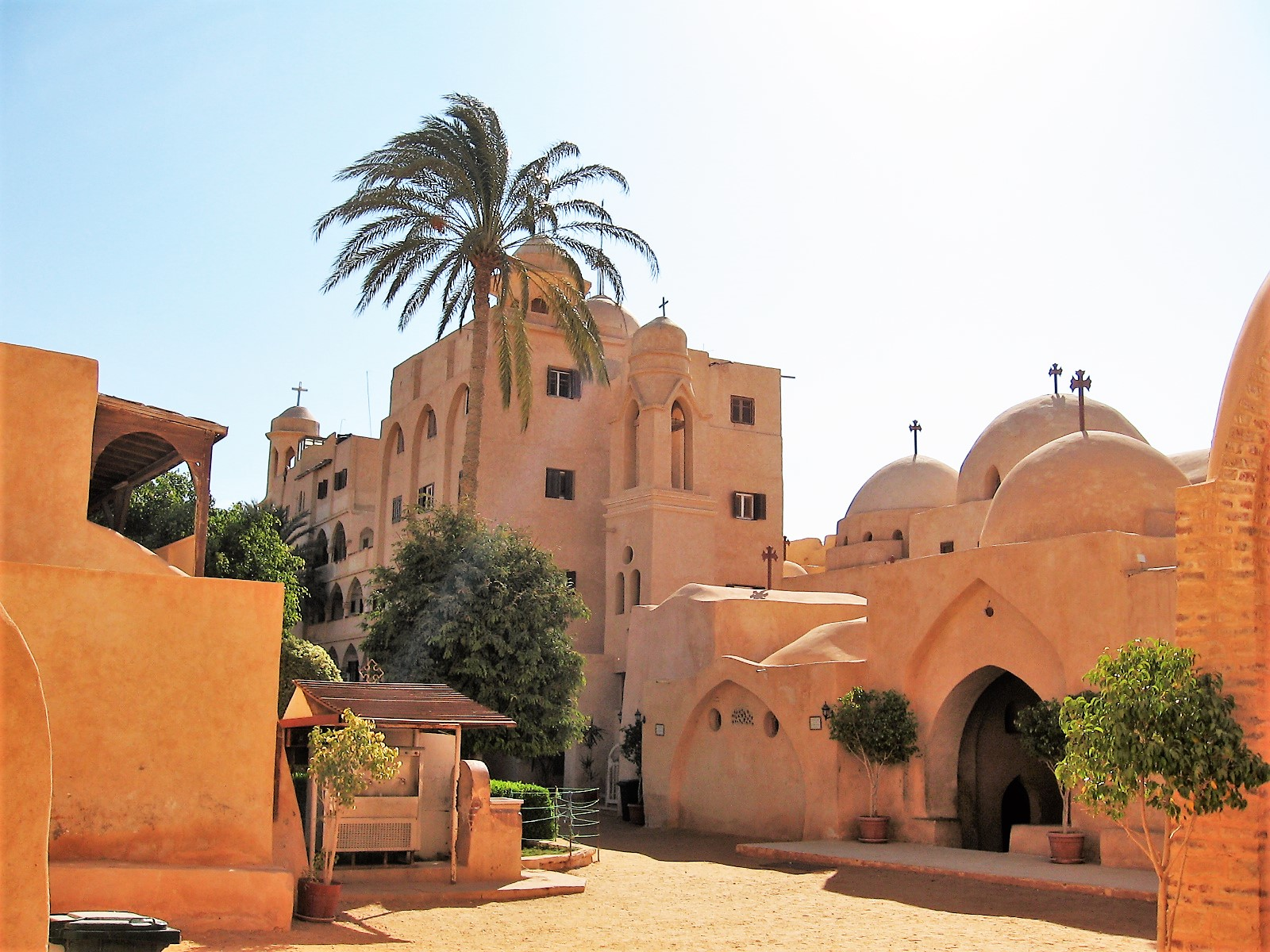
Wadi El Natrun Monasteries
A desert monastic region deeply connected to early Christian monastic life, prayer, silence, and spiritual discipline.

Ready to Visit Egypt?

Explore our curated journeys to this destination