Pilgrimage Leisure

Greece

Where Legend meet the Light

🌍 Southern Europe
💰 Euro —
⭐ Best: Apr-Jun, Sep-Oct
💬 Greek
🕐 —

Greece is one of the most iconic destinations in Europe, known for its ancient history, Mediterranean beauty, island landscapes, and deep cultural heritage. From the historic streets of Athens to the blue waters of the Aegean Sea, Greece offers travelers a journey through mythology, philosophy, architecture, coastal life, and warm local traditions.

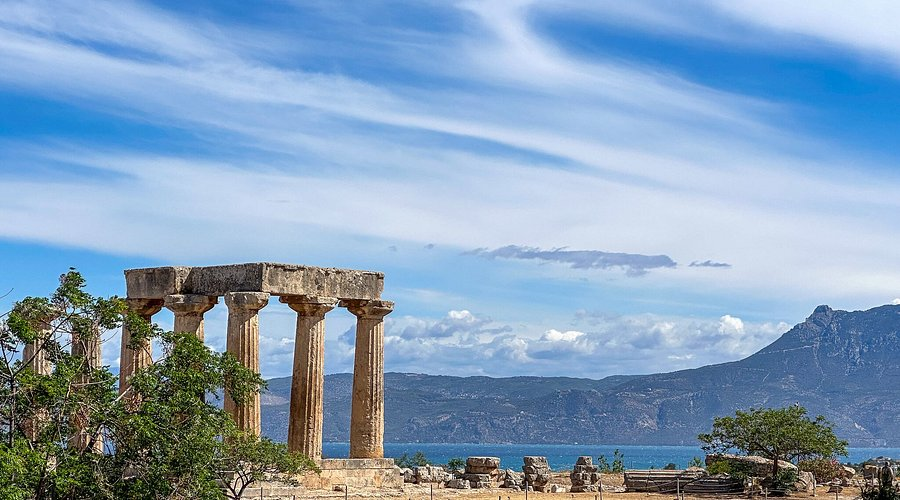
The country is especially famous for landmarks such as the Acropolis, Ancient Corinth, Delphi, Meteora, the Greek islands, and many historic towns that connect the modern world with the ancient past. Visitors can experience archaeological ruins, traditional villages, seaside views, local cuisine, monasteries, churches, and lively city centers all within one destination.

Greece is also a practical and rewarding destination for group travel. Many itineraries include a combination of mainland sightseeing, biblical sites, island visits, ferry or cruise experiences, and cultural exploration. Travelers should be prepared for walking, stone paths, stairs, warm weather, and outdoor sites with limited shade.

Whether visiting for history, faith, culture, leisure, or scenic beauty, Greece offers a memorable travel experience where ancient civilization, Christian heritage, and Mediterranean life come together.

Documents & Visa ▌

Travelers should bring a valid passport, travel documents, flight information, hotel list, travel insurance, and any required visa or residency document.

Greece is part of the Schengen Area. U.S. passport holders are generally allowed to visit Greece and other Schengen countries for short-term travel up to 90 days within any 180-day period without a tourist visa.

Passport should be valid for at least 6 months after the end of the trip when possible.

Passport Card is not valid for international air travel.

ETIAS is expected to begin in the last quarter of 2026 for visa-exempt travelers visiting many European countries, including Greece. Travelers should check current entry requirements before departure.

Non-U.S. passport holders may have different visa requirements. A Green Card does not automatically replace a Schengen visa if the traveler’s passport nationality requires one.

Travelers should keep copies or photos of their passport, visa or Green Card if applicable, travel insurance, hotel list, and emergency contacts. Save these on the phone, cloud storage, and share a copy with a trusted family member.

Do not place passport, money, bank cards, medicine, or important documents inside checked luggage.


Luggage ▌

Pack light, practical, and comfortable. Greece often involves walking through old towns, archaeological sites, churches, monasteries, ferry ports, cruise ports, stairs, and uneven stone paths.

Recommended items include comfortable walking shoes, modest clothing, a light jacket or shawl, sun hat, sunglasses, sunscreen, personal medicine, phone charger, power bank, adapter, and a small day bag.

Power banks must be kept in carry-on luggage, not checked luggage.

Bring at least two pairs of comfortable walking shoes. Greece may include marble steps, stone streets, hills, ruins, and outdoor walking areas that can become slippery or very hot in the sun.

Hotels ▌

Hotel rooms in Greece may be smaller than typical hotel rooms in the United States, especially in city centers or on islands.

Check-in is usually in the afternoon, often around 2:00 PM to 4:00 PM. Check-out is usually late morning, depending on the hotel.

Check the room before leaving: passport, phone, charger, medicine, wallet, safe, bathroom, closet, and drawers.

Do not leave passport, money, jewelry, or valuables in visible areas.

Many hotels use keycards for room entry, electricity, and sometimes elevator access.

Bathrooms may be compact, and some showers may have different layouts from what travelers are used to in the United States. Be careful with wet floors to avoid slipping.

If there is any room issue, report it to the tour leader or hotel front desk.

Flights & Airport ▌

The main international airport in Greece is Athens International Airport. Some itineraries may also use regional airports or island airports depending on the route.

Travelers should arrive at the airport at least 3 hours before an international flight.

If the flight is operated by a codeshare airline, check in with the airline listed on the final flight itinerary.

Keep passport, phone, medication, travel documents, light jacket, and one change of clothes in the carry-on bag.

US Customs & Border

When returning to the United States, travelers should follow U.S. Customs and Border Protection rules. Declare required items honestly, including food, large purchases, luxury goods, alcohol, or restricted products.

Do not bring back prohibited food, meat products, fresh fruits, plants, or unknown items from another person.

Keep receipts for valuable purchases in case they are requested at customs.

Never accept packages, luggage, or gifts from strangers or acquaintances to carry across the border.

Money & Payment ▌

Greece uses the euro, written as EUR or €.

Credit cards such as Visa and MasterCard are widely accepted in hotels, restaurants, larger stores, tourist areas, and cruise ports. American Express may not be accepted everywhere.

Small amounts of cash are still useful for restrooms, tips, taxis, small cafés, church donations, candles, local shops, markets, and rural areas.

Notify your bank or credit card company before traveling to avoid international transaction blocks.

Use bank-affiliated ATMs when possible and avoid suspicious standalone machines.

Do not exchange money with strangers on the street.

Tax Return

Greece may offer VAT refund options for eligible non-EU visitors who purchase qualifying goods from participating stores.

Travelers should ask the store before purchasing if they offer Tax Free shopping.

Keep the original receipt and tax refund form. Items may need to be shown at the airport before leaving the European Union.

Weather & Clothing ▌
Season Location Average Temp Notes
Spring / March–May Athens, Corinth, Thessaloniki 55°F–75°F
13°C–24°C
Pleasant for sightseeing and walking. Light jacket recommended.
Summer / June–August Athens, Greek Islands, Mainland Greece 75°F–95°F+
24°C–35°C+
Hot and busy. Bring sun protection, water, hat, and breathable clothing.
Fall / September–November Athens, Meteora, Islands 60°F–82°F
16°C–28°C
One of the best seasons for travel. Warm but more comfortable than peak summer.
Winter / December–February Athens, Mainland Greece, Northern Greece 40°F–60°F
4°C–16°C
Cooler and quieter. Northern Greece and mountain areas can be cold. Bring warm layers.
Pilgrimage Clothing

Clothing should be modest, respectful, and comfortable for walking.

When visiting churches, monasteries, and sacred sites, travelers should cover shoulders and knees. Avoid clothing that is too short, too thin, too tight, or too revealing.

For monasteries such as Meteora, modest dress is especially important. Women may be required to wear skirts or cover legs, and men should avoid sleeveless shirts or very short shorts.

For archaeological sites such as the Acropolis, Ancient Corinth, or Philippi, wear comfortable walking shoes, sun protection, and breathable clothing.

Communication & Internet ▌

A Europe eSIM or international roaming plan is recommended. Set it up before leaving the United States when possible.

Hotel Wi-Fi is usually available, but travelers should not depend on Wi-Fi only.

Save important information offline, including hotel address, meeting point, emergency numbers, transportation details, and important contact information.

Emergency Numbers

112 – General emergency number in Greece and the European Union
100 – Police
166 – Ambulance
199 – Fire Department
108 – Coast Guard

Electricity

Greece uses 230V / 50Hz electricity.

Common plug types are Type C and Type F, with two round pins.

Travelers should bring a universal travel adapter.

Safety

Greece is generally safe for travelers, but normal travel awareness is important.

Keep bags in front of the body in crowded areas, including markets, cruise ports, metro stations, ferries, old towns, major tourist sites, and busy squares.

Do not place phones or wallets in back pockets.

At archaeological sites, walk carefully because marble and stone surfaces can be slippery, uneven, or hot in summer.

Drink enough water, especially during summer. Heat exhaustion can happen quickly when walking outdoors.

Food & Dining ▌

Greek food is fresh, flavorful, and closely connected to Mediterranean culture. Common ingredients include olive oil, bread, vegetables, herbs, lemon, yogurt, seafood, lamb, chicken, cheese, and honey.

Popular dishes include Greek salad, souvlaki, gyros, moussaka, spanakopita, dolmades, grilled fish, tzatziki, baklava, and Greek yogurt with honey.

Meals in Greece are often relaxed and social. Restaurants may serve dishes family-style, and meals may take longer than fast-paced American dining.

Travelers with food allergies, dietary restrictions, vegetarian needs, gluten-free needs, seafood allergy, dairy allergy, or other special requests should inform Carnival US Travel before the trip.

Meals may be served at local restaurants, hotels, cruise dining rooms, or group dining locations depending on the itinerary.

Local Cuisine
Greek Salad
Greek Salad
A classic Greek dish made with tomatoes, cucumber, olives, onion, feta cheese, and olive oil. It is fresh, simple, and easy to enjoy.
Souvlaki
Souvlaki
Grilled meat skewers often served with pita, vegetables, and sauce. It is a popular casual meal in Greece.
Gyros
Gyros
Sliced meat served in pita bread with tomato, onion, fries, and tzatziki. It is one of the most common street-food favorites.
Moussaka
Moussaka
A baked dish made with layers of eggplant, ground meat, and creamy béchamel sauce. It is rich, filling, and very traditional.
Pilgrimage Site Overview ▌

Greece is one of the most meaningful pilgrimage destinations for Christian travelers because it is closely connected to the missionary journeys of Saint Paul and the early spread of Christianity in Europe. Cities such as Philippi, Thessaloniki, Berea, Athens, Corinth, and Cenchreae help pilgrims walk through the world of the New Testament and reflect on the faith of the first Christian communities.

This pilgrimage invites travelers to visit places where Scripture, history, and faith come together. In Athens, pilgrims can remember Saint Paul’s preaching at the Areopagus. In Corinth, they can reflect on the early Church community that received his letters. In Philippi, they can recall the baptism of Lydia, traditionally honored as the first Christian convert in Europe.

Beyond the Pauline sites, Greece also offers a rich spiritual heritage through its monasteries, Byzantine churches, sacred islands, icons, and Christian traditions. Meteora, with its monasteries rising above dramatic rock formations, offers a powerful experience of silence, prayer, and awe. Patmos, when included in the itinerary, connects pilgrims with Saint John and the Book of Revelation.

A pilgrimage through Greece is more than a historical journey. It is an opportunity to understand Scripture more deeply, appreciate the courage of the early Church, and reflect on how faith traveled across cultures and generations. May this journey help every pilgrim grow in faith, gratitude, and love for the living tradition of the Church.

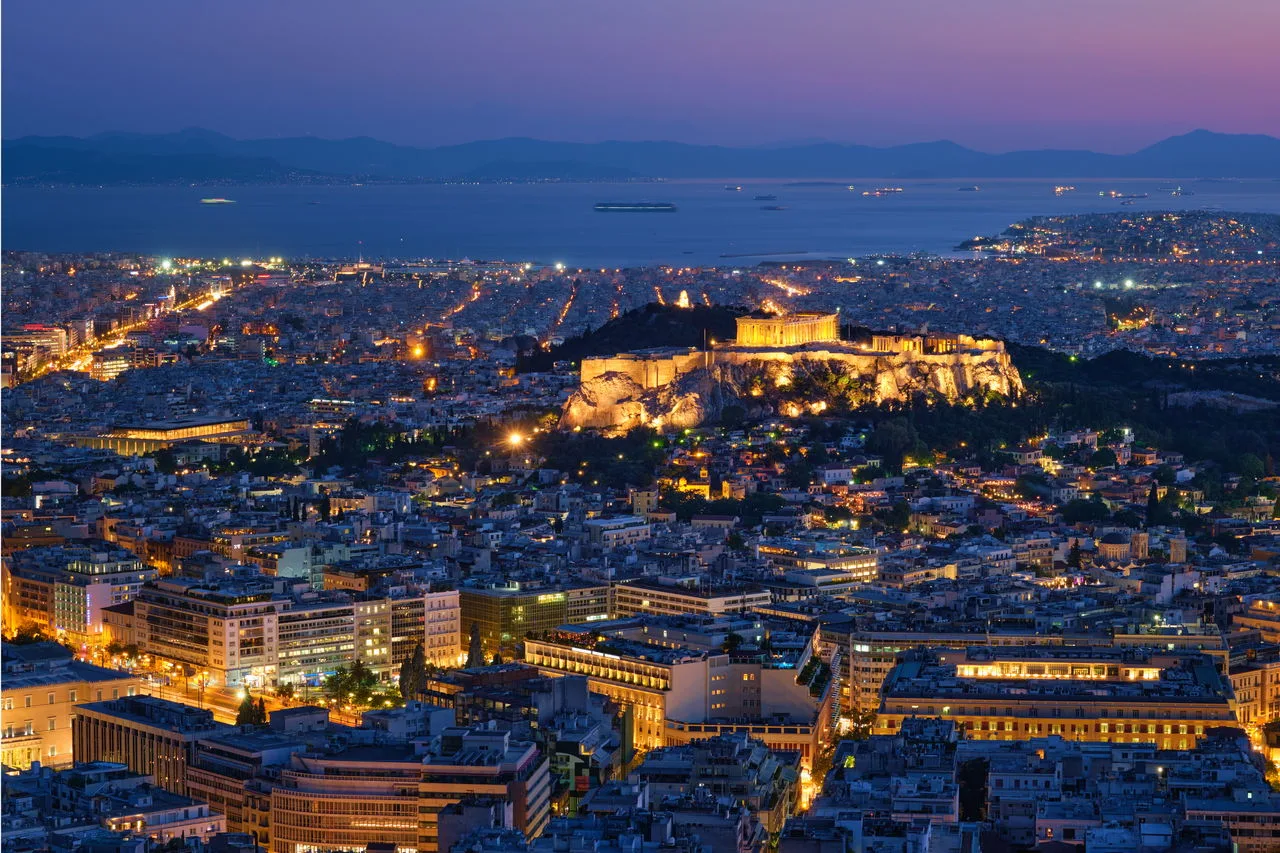
Athens
Athens
Greece’s capital city and a major center of ancient history, philosophy, and early Christian preaching. Saint Paul addressed the Athenians at the Areopagus.
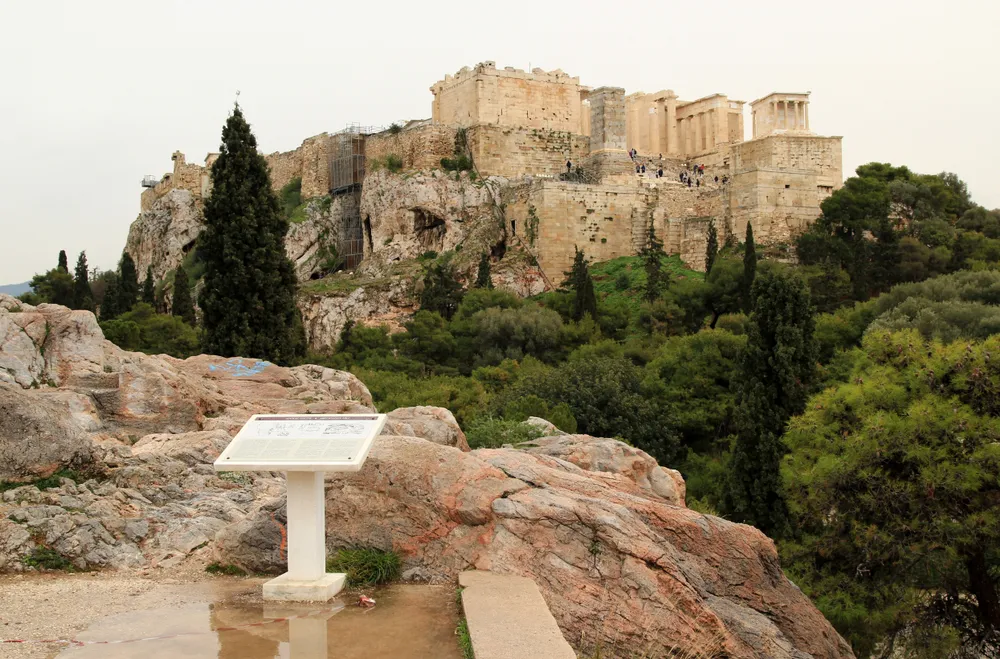
Areopagus / Mars Hill
A rocky hill near the Acropolis where Saint Paul gave his famous speech about the “unknown God” in Acts 17.
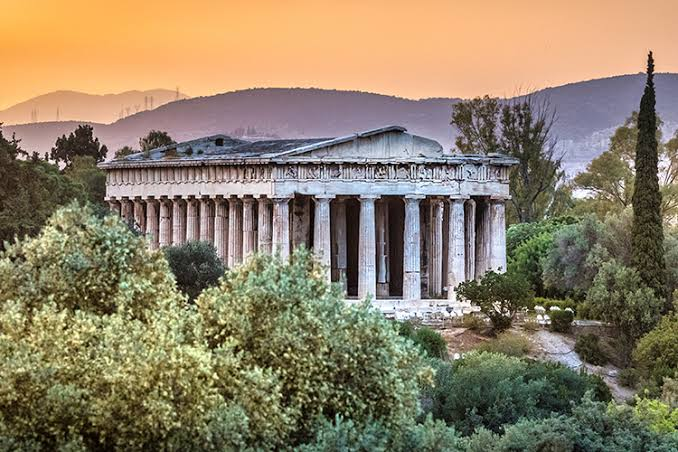
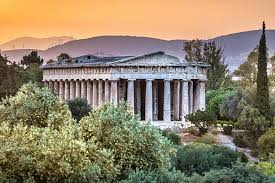
Ancient Agora of Athens
The civic and commercial heart of ancient Athens, connected to the world Saint Paul encountered during his mission.
Acropolis of Athens
Acropolis of Athens
One of the most famous ancient sites in the world, overlooking Athens and symbolizing Greek civilization. |
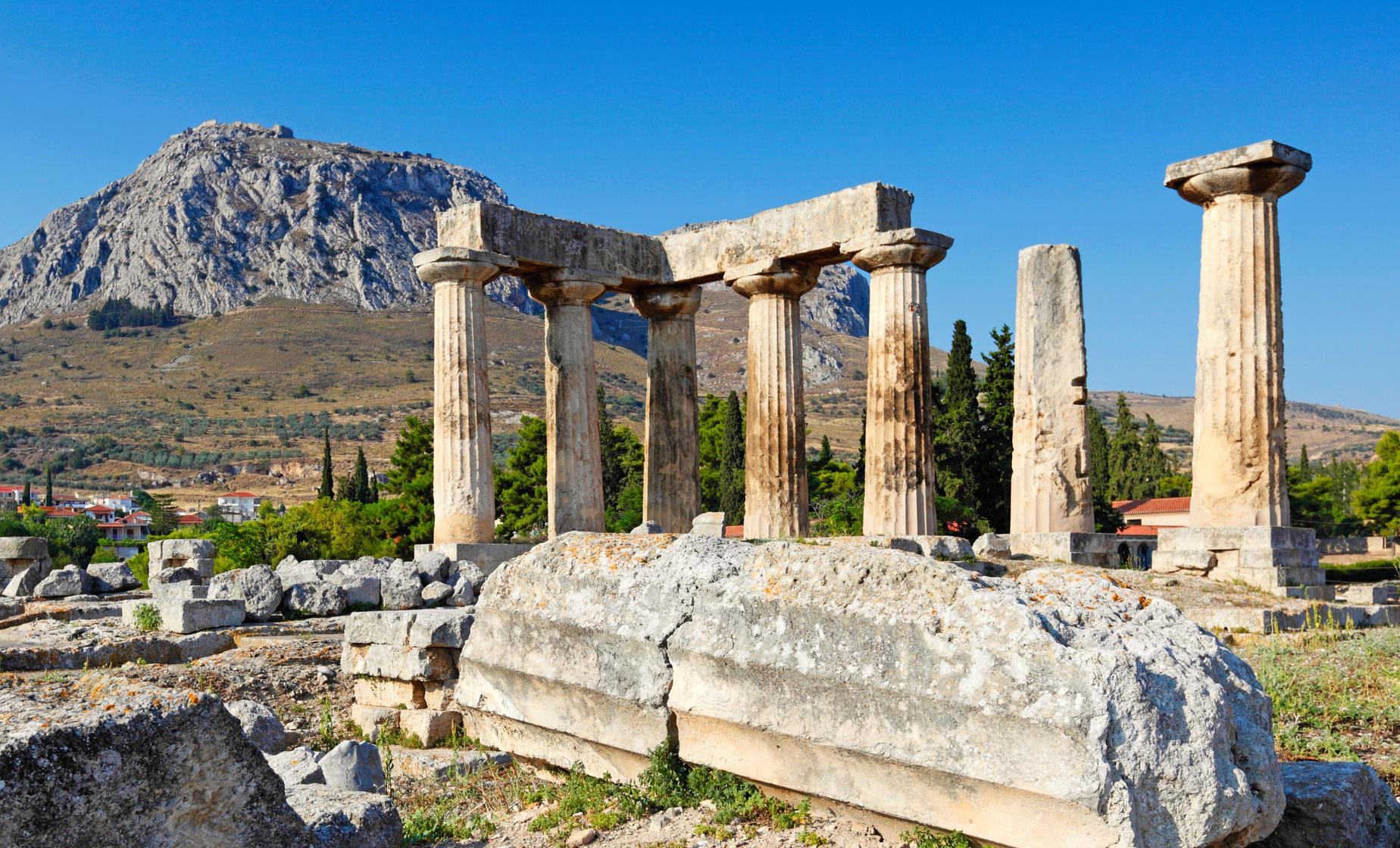
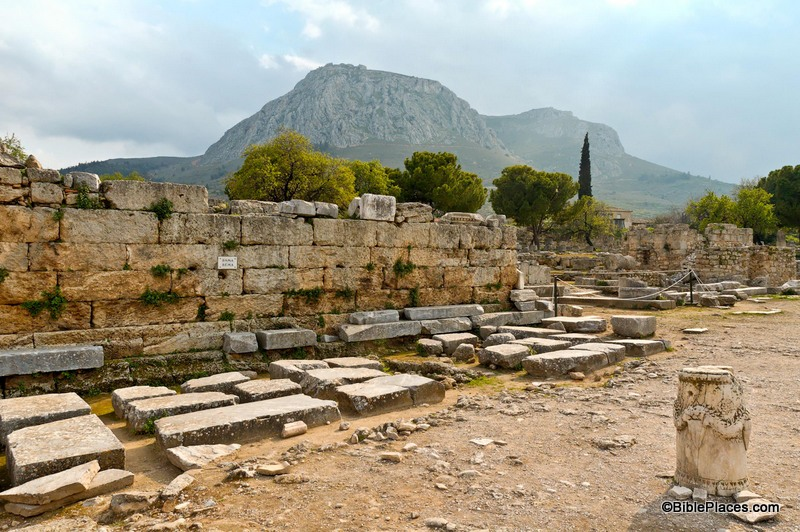
Bema of Corinth
Bema of Corinth
The platform where Saint Paul was brought before the Roman authority Gallio, making it an important New Testament site.

Ready to Visit Greece?

Explore our curated journeys to this destination