
Pilgrimage Leisure

Poland

Strength written in silent

🌍 Central Europe / Eastern-Central Europe
💰 Polish Zloty
Best: May-Jun,Sep-
💬 Polish. English
🕐

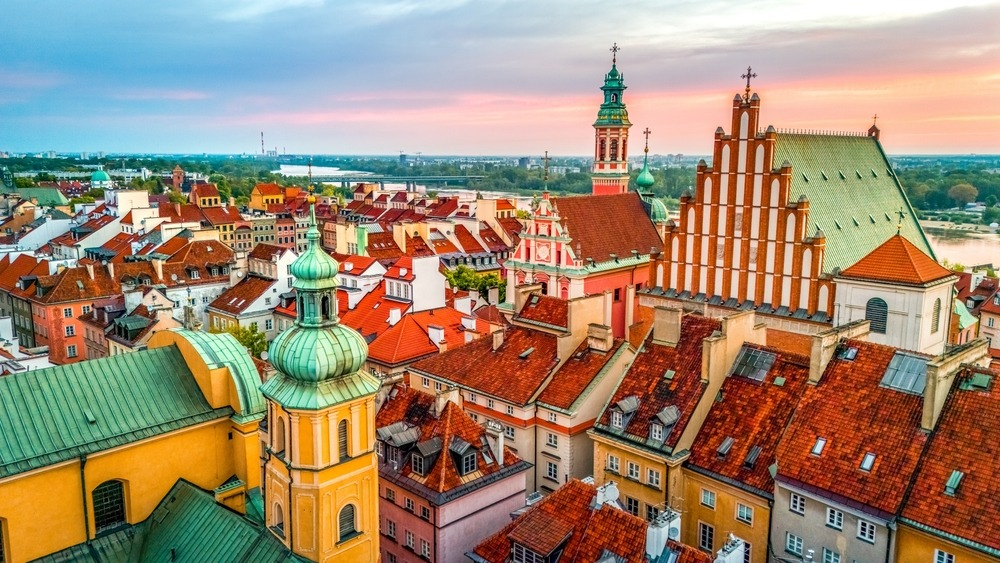
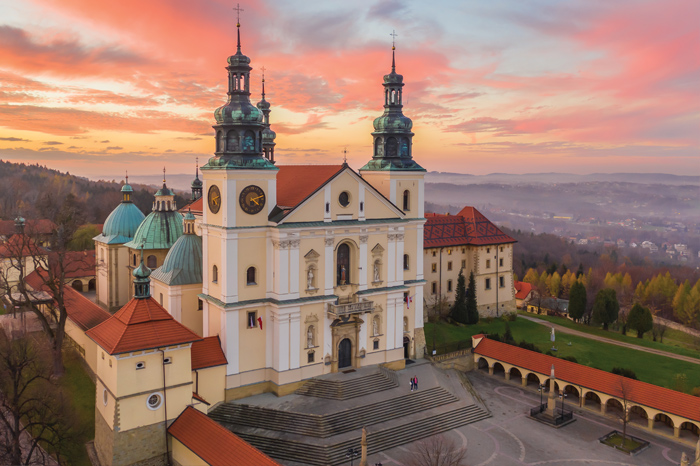
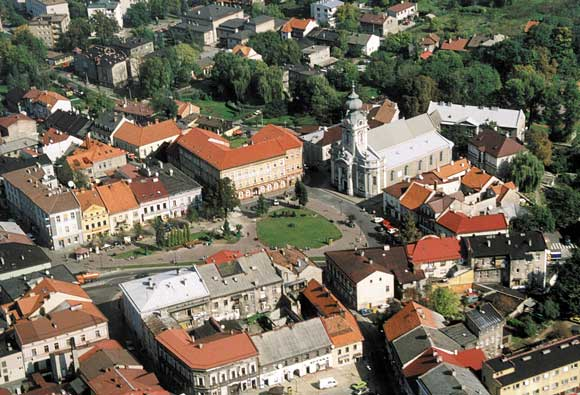
This journey brings travelers to Krakow, the cultural heart of Poland; Wadowice, the hometown of Saint John Paul II; Kalwaria Zebrzydowska, often called the “Jerusalem of Poland”; Auschwitz-Birkenau, a place of remembrance and the witness of Saint Maximilian Kolbe; Czestochowa, the spiritual home of the Black Madonna; and Warsaw, a capital city rebuilt from the ruins of war.

This handbook is prepared as a helpful travel companion. It does not replace the official itinerary, but it helps travelers better understand the places they will visit and prepare for documents, luggage, clothing, weather, health, money, local culture, and the spirit of pilgrimage.

Documents & Visa

Travelers must bring their original passport, valid for at least 6 months after the end date of the trip. A Passport Card is not valid for international air travel.

Poland is part of the European Union and the Schengen Area. U.S. citizens are generally allowed to visit Poland and other Schengen countries for short-term travel, usually up to 90 days within a 180-day period, as long as they meet entry requirements.

Entry rules may change depending on nationality, residency status, and current government regulations. Travelers should always follow the latest guidance from Carnival US and official government sources before departure.

Green Card holders and travelers who are not U.S. citizens may have different visa requirements depending on the passport they hold. A U.S. Green Card does not automatically replace a Schengen visa if the traveler’s passport requires one.

Travelers should take photos of their passport, visa or residency documents, flight itinerary, travel insurance, hotel list, and emergency contact information. Save copies on the phone/cloud and share one copy with a trusted family member.

Do not place passports, cash, bank cards, medication, or important documents in checked luggage.

Important: If missing documents prevent a traveler from departing or entering Poland or the Schengen Area, Carnival US is not responsible, and the standard tour cancellation policy will still apply.


Luggage

Each traveler is generally allowed to bring:

One (1) checked bag

One (1) carry-on bag

One (1) personal item

Specific baggage rules may vary depending on the airline listed on the ticket.

Checked baggage should include clothing, shoes, toiletries, liquids, and items not needed during the flight. Travelers should pack light and neatly because the Poland journey may include long-distance bus rides, hotel changes, walking through old towns, churches, memorial sites, and larger pilgrimage areas.

Do not place important documents, passports, cash, bank cards, jewelry, or valuable items in checked baggage. These items should always be kept with the traveler.

Carry-on baggage should include passport, visa or residency documents if applicable, flight information, travel insurance, money, bank cards, phone, charger, medication, one extra set of clothing, and a light jacket.

Power banks must always be packed in carry-on baggage and must not be placed in checked baggage.

Travelers should bring enough personal medication for the full journey, including prescription medication and common medicine such as headache medicine, digestive medicine, allergy medicine, motion sickness medicine, cold medicine, bandages, and personal health items.

Travelers should bring at least two pairs of comfortable walking shoes that have already been worn before. Krakow and Warsaw have many cobblestone streets, old town areas, stairs, and large walking zones.

A scarf, shawl, or light jacket is recommended for churches, cool buses, evening weather, and places such as Wieliczka Salt Mine, where temperatures may feel cooler underground.

Hotels

Hotels used by Carnival US during the journey are arranged according to the itinerary and travel route. In larger cities such as Krakow and Warsaw, hotel rooms may be smaller than rooms in the United States, but they are usually clean, practical, and convenient for group travel.

Hotel check-in is usually between 2:00 PM and 4:00 PM. Hotels will try to accommodate early check-in when possible. However, if rooms are not ready, travelers may store their luggage at the hotel and continue with the program.

Hotel check-out is usually between 11:00 AM and 12:00 PM, depending on the hotel.

Before leaving the room, travelers should carefully check the safe, drawers, nightstands, outlets, bathroom, closet, and luggage area. Please make sure no passport, cash, jewelry, medicine, charger, or personal item is left behind.

Do not leave passports, money, jewelry, or valuable items in visible places inside the room.

Many hotels use keycards to open room doors, activate electricity, or access elevators. In some hotels, the keycard must be inserted into a slot near the door to turn on the lights and power outlets.

Hotel bathrooms may include bathtubs with high sides. Travelers should be careful when stepping in and out to avoid slipping.

If travelers need daily room cleaning, fresh towels, toiletries, or assistance, they may contact housekeeping, the front desk, or the tour guide.

Travelers should prepare personal toiletries, medication, tissues, sunscreen, lip balm, bandages, ointment, vitamins, and a pen for filling out forms.

Flights & Airport

Carnival US will send travelers the flight itinerary and meeting information by email before departure. This document includes flight details and ticket information, but it is not a boarding pass.

Travelers should arrive at the airport at least 3 hours before an international flight. If the ticket includes a codeshare flight, travelers should check in with the airline listed as the operating carrier or as instructed in the final flight email.

If seat assignments or flight segments are missing from the electronic ticket, the airline may update the information closer to departure.

If travelers need special meals, child meals, wheelchair assistance, or other airline services, please contact Carnival US as early as possible. Requests are subject to airline availability and approval.

During transfer days, such as traveling into Poland or moving between Krakow, Wadowice, Kalwaria Zebrzydowska, Auschwitz, Czestochowa, and Warsaw, travelers should keep their passport, water, medication, phone, and light jacket in their personal bag, not under the bus.

Travelers should use the restroom before boarding the bus, bring motion sickness medicine if needed, and return to the bus on time at every stop so the group schedule is not delayed.

If travelers do not see the tour guide, driver, or group at the airport or meeting point, they should not leave the area on their own. Please call the phone number provided in the final confirmation email from Carnival US.

Important Note: Travelers should not say words related to aviation security threats, such as “bomb” or “explosive,” in any language while at the airport, during baggage check-in, security screening, or on the airplane. Such words may cause serious delays, security questioning, or legal consequences.

US Customs & Border

When returning to the United States, travelers will go through U.S. Customs and Border Protection inspection at the first U.S. airport of entry.

U.S. citizens and permanent residents who have been abroad for more than two days may generally return to the United States with up to $800 worth of goods duty-free, as long as the items are for personal use and accompany the traveler upon return.

For travelers who bring back more goods, a flat duty rate of 3% may apply to the next $1,000 worth of purchases.

Travelers should keep all purchase receipts in case U.S. Customs officers request a declaration upon return to the United States.

Travelers must declare food, plants, seeds, medicine, large amounts of cash, and valuable items when required. Certain fresh fruits, meats, plants, seeds, and agricultural products may be restricted or prohibited.

Money & Payment

Poland uses the Polish Zloty, written as PLN or shown with the symbol .

Many tourist areas, hotels, restaurants, supermarkets, and larger stores accept credit cards. Visa and MasterCard are widely used. American Express may not be as commonly accepted.

Travelers should still carry some small cash in Polish Zloty for bottled water, restrooms, candles, postcards, tips, small souvenirs, local shops, or places that may not accept cards.

Before departure, travelers should notify their bank and credit card companies that they will be traveling to Poland and other European countries in the itinerary. This helps prevent cards from being blocked or temporarily suspended due to international transactions.

Do not exchange money with strangers on the street. If travelers need to exchange money or withdraw cash, they should use reputable exchange offices, ATMs, hotel guidance, or instructions from the tour guide.

Cash should be divided and stored in more than one safe place. Do not keep all cash, passport, and credit cards in the same bag or wallet.

If the journey includes a stop in Hungary before Poland, Hungary uses the Hungarian Forint, written as HUF. Travelers may use an international credit card or keep a small amount of local currency if needed.

Tax Return

For this section, the better term is Tax Refund / VAT Refund.

Poland and other European Union countries may allow eligible travelers to request a VAT refund on certain purchases that meet the required minimum amount and store conditions.

To request a VAT refund, travelers must ask the store to prepare a Tax Free Form / VAT Refund Form at the time of purchase. Travelers should keep the original receipt, VAT refund form, passport, boarding pass, and purchased items easily accessible.

At the airport or final EU departure point, travelers may need to present the VAT refund form and the purchased items to customs officers before leaving Europe. After the form is validated, the refund may be received directly at the airport or returned to a credit card, depending on the refund company and traveler’s selected refund method.

If purchases are made in another European Union country, travelers must still obtain the Tax Free Form from the store and keep the purchased items available for inspection at the final airport before departing Europe.

Waiting time may be long depending on the number of travelers and the availability of staff at the refund or customs counter.

Please note that the refund amount is usually not the full VAT amount because service fees may be deducted by the tax refund company.

Travelers should not accept or carry luggage, packages, or goods for anyone outside the group.

Travelers should also check items carefully to avoid counterfeit goods or poor-quality imitations of famous brands. Penalties may apply if customs officers discover prohibited or counterfeit goods.

Weather & Clothing
Season Location Average Temp Notes
Spring: March – May Krakow / Wadowice 5°C – 18°C Cool and sometimes rainy. Bring a light jacket, small umbrella, comfortable shoes, and layers for churches and outdoor walking.
Spring: March – May Czestochowa / Warsaw 4°C – 18°C Cool with light wind and possible rain. Bring layers, a jacket, scarf, and walking shoes with good grip.
Summer: June – August Krakow / Wadowice 15°C – 27°C Warm with longer days. Bring breathable but modest clothing, hat, sunglasses, water, and comfortable shoes.
Summer: June – August Czestochowa / Warsaw 15°C – 28°C Warm to hot, with possible rain showers. Bring sun protection, water, light layers, and comfortable walking shoes.
Autumn: September – November Krakow / Wadowice 5°C – 20°C September is usually pleasant; late autumn becomes colder. Bring layers, a warm jacket, scarf, and shoes with good grip
Autumn: September – November Czestochowa / Warsaw 4°C – 18°C Cool with possible wind or light rain. Bring a jacket, umbrella, and comfortable shoes for old towns and pilgrimage sites.
Winter: December – February Krakow / Wadowice -5°C – 5°C Cold, with possible snow or icy streets. Bring a warm coat, scarf, gloves, beanie, and non-slip shoes.
Winter: December – February Czestochowa / Warsaw -6°C – 4°C Cold and windy, with shorter daylight hours. Bring warm layers, winter accessories, and shoes suitable for slippery ground.
Pilgrimage Clothing

When visiting churches, shrines, monasteries, memorial sites, or sacred places in Poland, travelers should dress modestly, neatly, and respectfully.

Shoulders and knees should be covered when entering churches and pilgrimage sites. Avoid clothing that is too short, too sheer, too tight, or too revealing.

For the visit to Auschwitz-Birkenau, travelers should wear simple, respectful, and modest clothing. This is a memorial site, not an entertainment destination. Avoid bright or playful outfits, loud behavior, or inappropriate photo poses.

For Wieliczka Salt Mine, travelers should bring a light jacket because the temperature underground may be cooler than outside. Comfortable walking shoes are required because the visit may include stairs, long walking paths, and uneven surfaces.

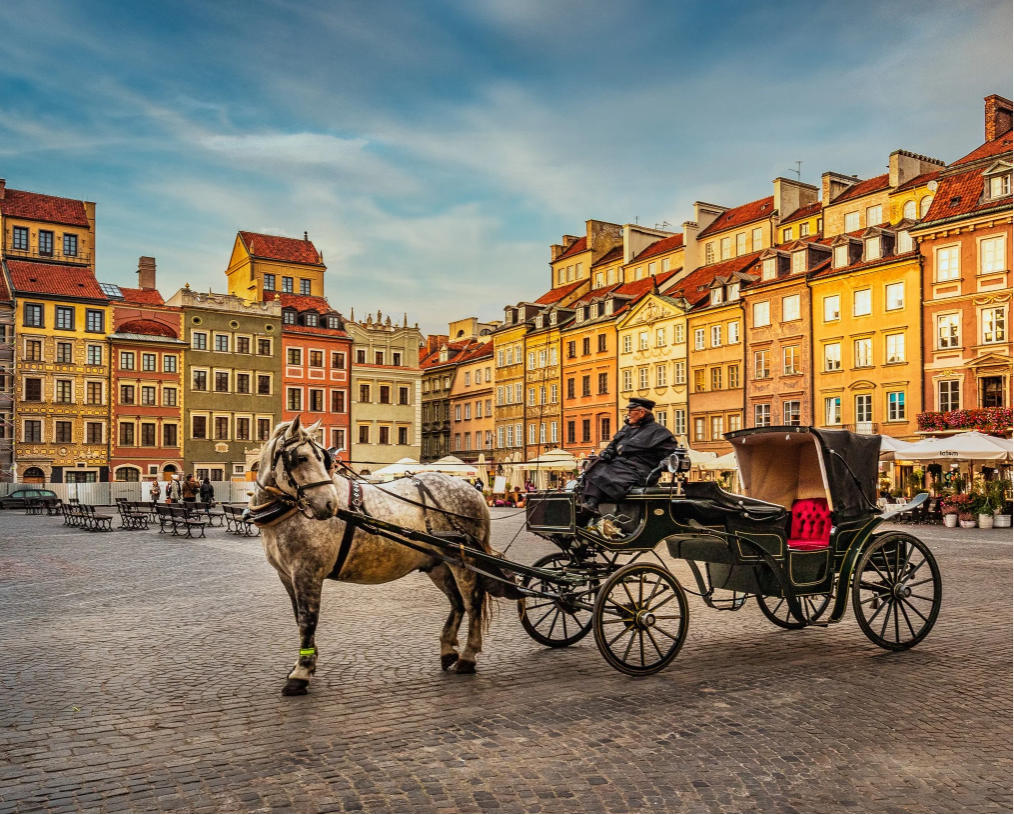
For Krakow Old Town and Warsaw Old Town, travelers should wear comfortable shoes because cobblestone streets can cause foot pain if walking for a long time.

A shawl, scarf, or light jacket is helpful for churches, cool buses, evening weather, and changes in temperature throughout the day.

Communication & Internet

An eSIM for Europe or an international roaming plan is a convenient option for traveling in Poland. Travelers are encouraged to install and set up the eSIM before leaving the United States and test the connection after arrival.

International roaming plans from U.S. carriers such as Verizon, AT&T, or T-Mobile often cost around $10–$12 per day, depending on the carrier and plan.

Hotel Wi-Fi is usually available, but travelers should not depend on it completely. It is recommended to save hotel addresses, tour leader contact numbers, guide phone numbers, and meeting points offline.

Travelers may use iMessage, Viber, WhatsApp, or other internet-based apps to contact family and friends when Wi-Fi or mobile data is available.

For group travel, travelers should make sure their phone is charged each morning and should carry a small power bank in their personal bag.

Emergency Numbers

In case of an emergency in Poland, travelers may call:

112 – General emergency number in Poland and the European Union for police, ambulance, and fire services.

999 – Ambulance / medical emergency

998 – Fire department

997 – Police

For a real emergency, the easiest and most practical number to remember is 112.

If travelers are separated from the group, they should stay in a visible and easy-to-recognize location and call the tour guide immediately.

If travelers lose an item at a hotel, airport, restaurant, church, pilgrimage site, memorial site, or tourist area, they should report it to the nearest staff member, security point, or tour guide as soon as possible.

For minor health issues, inform the tour guide so they can help contact the hotel, local guide, pharmacy, clinic, or emergency service if needed.

Electricity

Poland uses electricity at approximately 230V / 50Hz. The most common plug types are Type C, Type E, and Type F, which use round pins.

Travelers should bring a universal travel adapter for convenience throughout the journey.

Before using hair dryers, curling irons, electric shavers, chargers, or other electronic devices, please check that the device supports 100–240V. If a device only supports 110V, a voltage converter may be needed.

Power banks should always be packed in carry-on luggage and must not be placed in checked baggage.

Safety

Poland is generally a safe and welcoming destination with deep Catholic heritage, historic cities, and meaningful pilgrimage sites. However, travelers should remain aware of their surroundings, especially in crowded places such as airports, train stations, city centers, old towns, markets, restaurants, churches, pilgrimage sites, and tourist attractions.

Pickpocketing can occur in busy tourist areas. Travelers should keep passports, cash, bank cards, phones, and important documents secure at all times. Do not keep all valuables in one bag, and avoid placing your wallet or phone in your back pocket. A crossbody bag or front-worn bag is recommended for daily sightseeing.

When visiting churches, shrines, monasteries, memorial sites, or museums, please stay with the group and follow the tour guide’s instructions.

At Auschwitz-Birkenau, travelers should behave with special respect. Please avoid loud talking, laughing, joking, inappropriate photography, or casual posing. This is a place of remembrance for victims of war crimes and genocide.

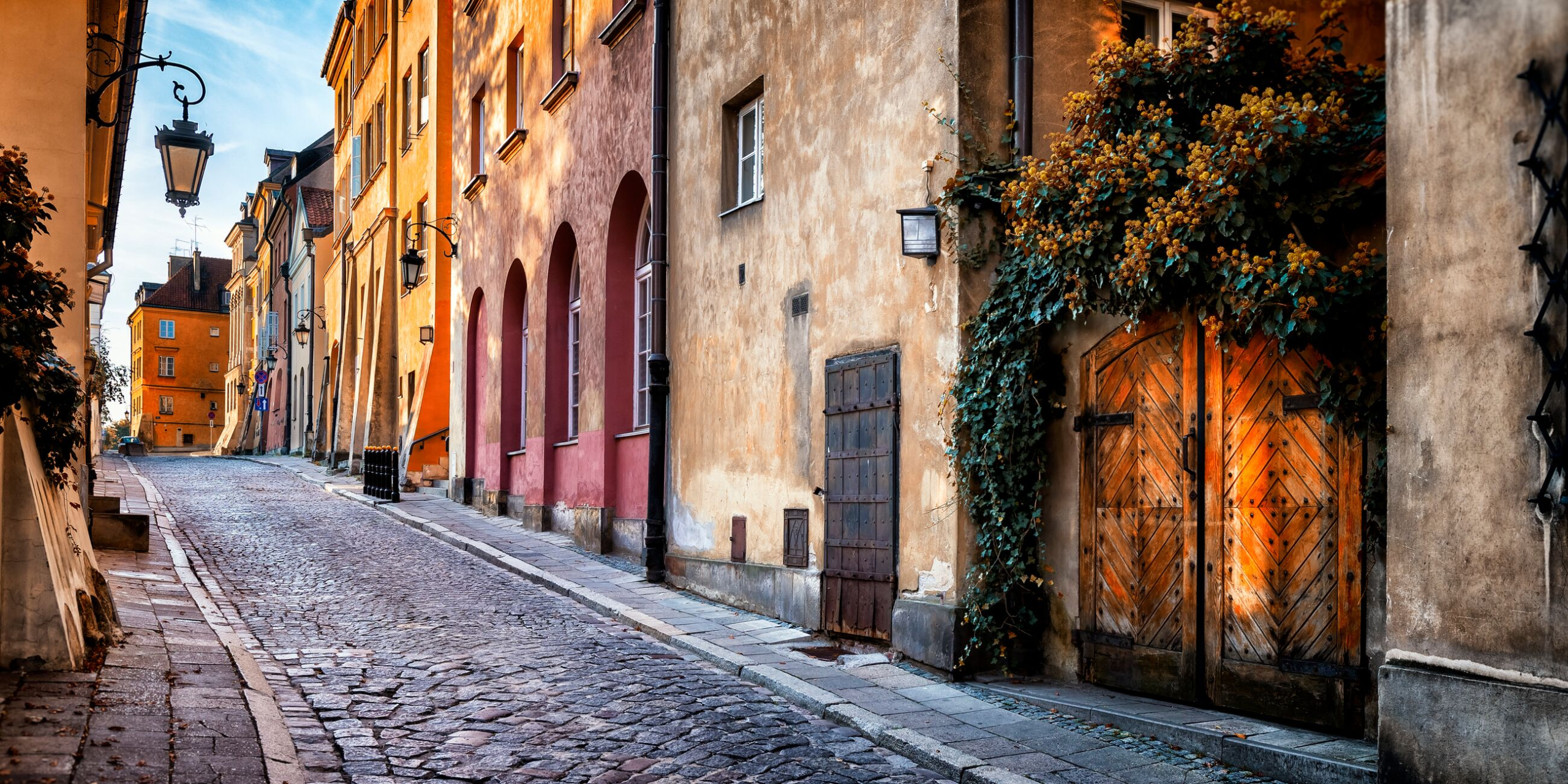
Many streets in Krakow, Warsaw, and historic towns may have cobblestone pavement, steps, uneven sidewalks, and wet or slippery surfaces. Comfortable walking shoes with good grip are strongly recommended.

Do not accept packages, luggage, food, drinks, or personal items from strangers. Travelers should only carry their own belongings and should not agree to transport anything for another person.

If travelers become separated from the group, they should stay in a visible and easy-to-recognize location and call the tour guide immediately. Do not leave the area on your own unless instructed by the tour guide or Carnival US.

Carnival US is not responsible for lost personal belongings, accidents caused by personal negligence, or issues resulting from failure to follow safety instructions.

Food & Dining

The tour usually includes breakfast at the hotel. Included meals may vary between European-style meals, Asian-style meals, and dishes suitable for Vietnamese travelers depending on the restaurant, schedule, and local conditions.

Polish cuisine is hearty, warm, and influenced by Central European traditions. Common ingredients include soups, potatoes, meat, cabbage, mushrooms, cheese, dumplings, sausages, and pastries.

Some meals in Poland may taste different from what Vietnamese travelers are used to. They may include more meat, potatoes, bread, dairy, or soup, and fewer vegetables than a typical Vietnamese meal.

Carnival US will try its best to vary the menus whenever possible, while also giving travelers the opportunity to experience local flavors.

Travelers may bring small personal food items such as instant noodles, dried shredded pork, chili, seasonings, snacks, or light food items to use when needed. However, bringing outside food into restaurants may not always be convenient. Many restaurants serve only the pre-arranged menu, and requests for hot water for instant noodles may not always be available.

Travelers should inform Carnival US in advance if they have food allergies, vegetarian needs, dietary restrictions, or special meal requests, so the team can assist within the limits of what is available.

Due to restaurant conditions, pre-arranged menus, and differences in food culture, not all special requests can be fully guaranteed.

Polish meals are often warm, filling, and comforting, especially during cooler weather. During this pilgrimage, each meal can be seen as a time to rest, regain energy, and experience the local culture before continuing to the next sacred or historical destination.

Local Cuisine
Pierogi
Polish dumplings filled with ingredients such as potato and cheese, meat, mushrooms, or cabbage. They are one of Poland’s most famous comfort foods.
Żurek
A traditional sour rye soup, often served with sausage, egg, and potatoes. It has a unique tangy flavor and is especially comforting in cool weather.
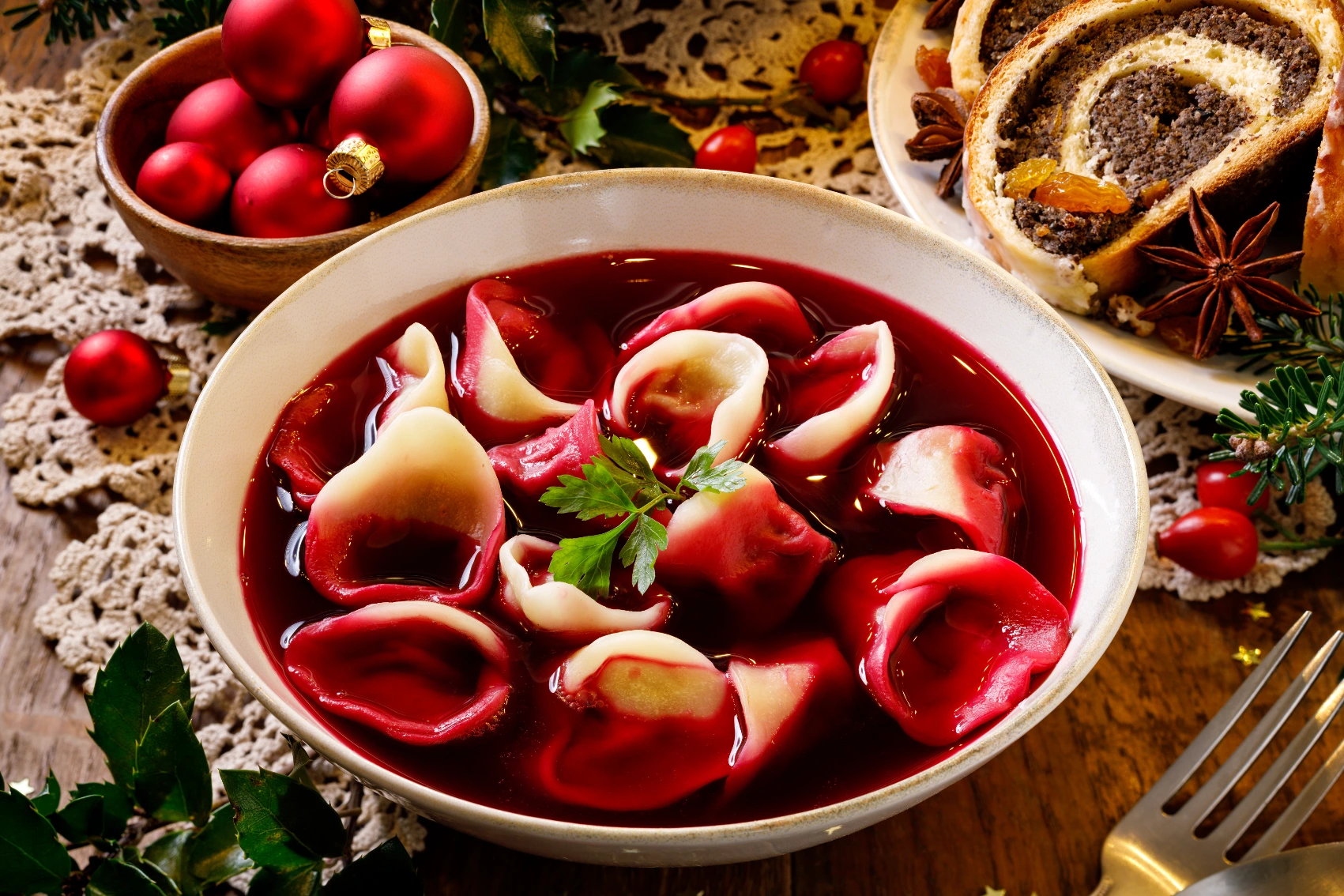
Barszcz
Beetroot soup with a deep red color and earthy flavor. It may be served clear or with small dumplings depending on the region and meal style.
Bigos
A hearty hunter’s stew made with sauerkraut, cabbage, meat, and sausage. It is rich, filling, and closely connected to Polish home cooking.
Kielbasa
Polish sausage, often grilled, smoked, or served with bread, mustard, potatoes, or sauerkraut.
Placki Ziemniaczane
Crispy potato pancakes, often served with sour cream, sauce, or meat stew.
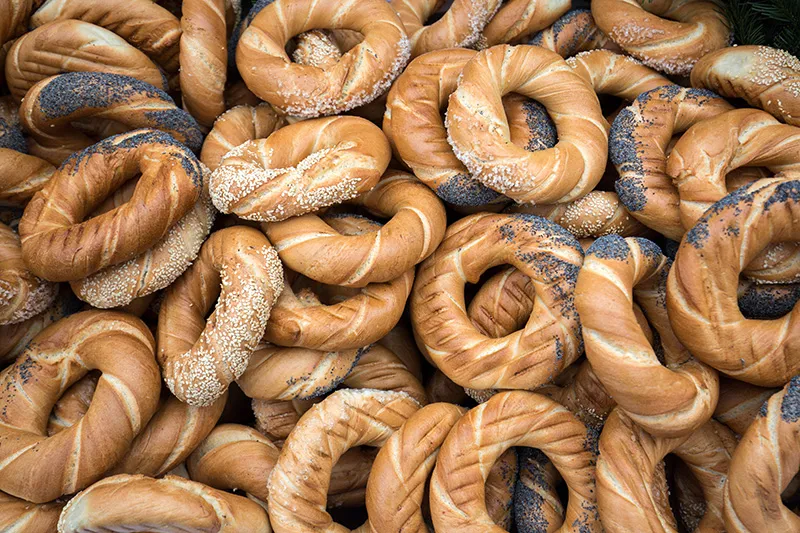
Obwarzanek Krakowski
A ring-shaped bread snack from Krakow, similar to a bagel, often sprinkled with sesame, poppy seeds, or salt.
Pilgrimage Site Overview

Poland is one of Europe’s most meaningful Catholic pilgrimage destinations, where faith, national history, and the painful memories of the twentieth century are deeply woven into its cities, shrines, churches, and sacred stories.

This journey invites pilgrims to walk through a land shaped by prayer, sacrifice, resilience, and hope. From Krakow, the historic cultural heart of Poland, to Wadowice, the hometown of St. John Paul II, each destination offers a deeper encounter with the Catholic faith and the spiritual heritage of the Polish people.

Pilgrims will visit places connected to some of the most powerful witnesses of modern Catholic history. At the Divine Mercy Sanctuary in Łagiewniki, travelers are invited to reflect on the message of St. Faustina and the prayer, “Jesus, I trust in You.” In Wadowice and Krakow, pilgrims will remember the life and vocation of St. John Paul II, whose faith, courage, and love for the Church continue to inspire Catholics around the world.

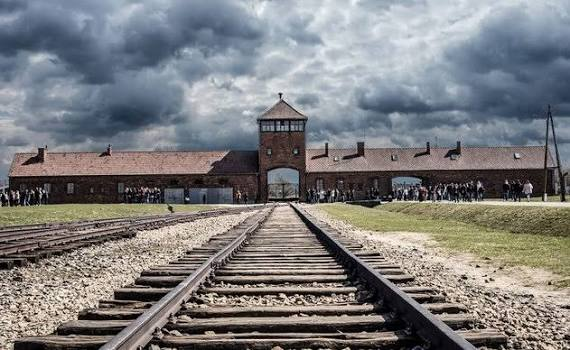
This pilgrimage also includes moments of solemn reflection. At Auschwitz-Birkenau, pilgrims are invited to walk with silence and reverence, remembering the victims of hatred and war, and honoring the heroic witness of St. Maximilian Kolbe, who gave his life for another prisoner. This stop is not only historical, but deeply spiritual, reminding every traveler of the dignity of human life and the power of sacrificial love.

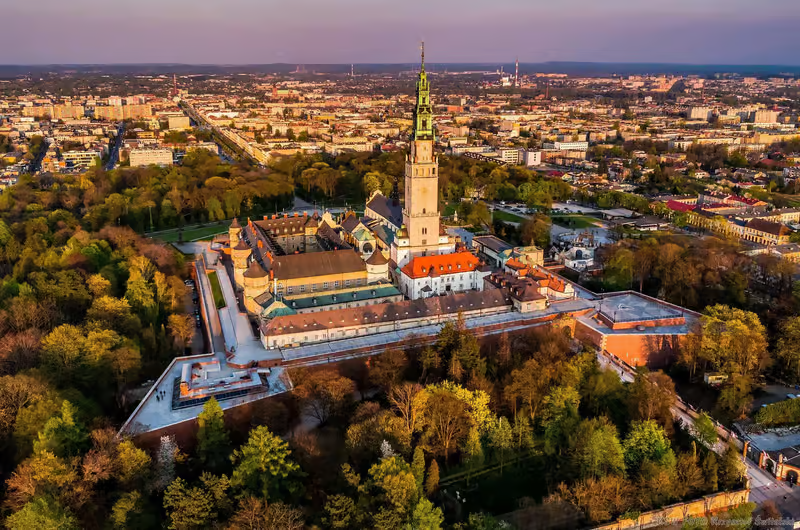
At Jasna Gora in Czestochowa, pilgrims will encounter one of Poland’s most beloved Marian shrines, home to the icon of Our Lady of Czestochowa, also known as the Black Madonna. For generations, the Polish people have turned to Our Lady in times of suffering, danger, and national hardship. This sacred place invites pilgrims to entrust their families, intentions, and personal journeys to Mary’s maternal care.

Throughout the journey, travelers will also experience Poland’s beautiful old towns, sacred churches, royal history, local culture, and warm traditions. Places such as Krakow Old Town, Wawel Cathedral, Wieliczka Salt Mine, Kalwaria Zebrzydowska, and Warsaw offer more than sightseeing. They help pilgrims see how faith, culture, memory, and national identity are closely connected in Poland.

This pilgrimage is a time to pray, reflect, give thanks, and renew the heart. Some days may include long walks, stairs, crowds, security checks, emotional moments, or schedule adjustments. Pilgrims are encouraged to travel with patience, humility, respect, and openness to God’s grace.

May this pilgrimage through Poland help every traveler grow in faith, trust more deeply in God’s mercy, honor the witness of the saints, and return home with peace, gratitude, and renewed spiritual strength.

Krakow / Kraków
Poland’s former royal capital and one of its most important cultural and religious cities. Krakow is closely connected to Saint John Paul II, sacred art, old churches, and Polish Catholic heritage.
Krakow Old Town / Stare Miasto
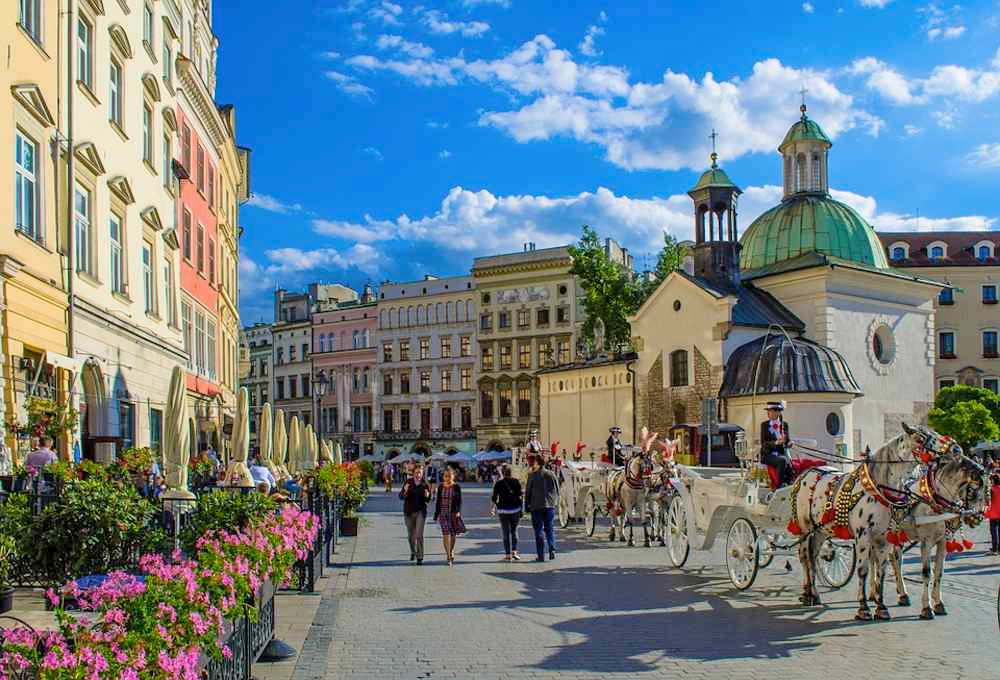
The historic heart of Krakow, known for its medieval square, cobblestone streets, churches, Cloth Hall, and vibrant cultural life. It is a place where faith, history, and daily life meet.
St. Mary’s Basilica, Krakow
One of Krakow’s most famous churches, known for its Gothic architecture, two towers, the Veit Stoss altarpiece, and the traditional trumpet call from the tower.
Divine Mercy Sanctuary, Łagiewniki
A major Catholic pilgrimage site connected to Saint Faustina Kowalska and the message of Divine Mercy: “Jesus, I trust in You.” It is a place of prayer, healing, forgiveness, and trust.
Convent of Saint Faustina Kowalska
A meaningful place connected to the life and mission of Saint Faustina. It invites pilgrims into silence, humility, and deeper trust in God’s mercy.
Wawel Hill & Wawel Cathedral
A historic and spiritual heart of Krakow, connected to Polish kings, national memory, and the early priestly life of Karol Wojtyła, later Saint John Paul II.