
Travel Tips
Traveling Across Multiple European Countries – What to Expect on a European Tour
Traveling Across Multiple European Countries – Why the Journey Feels Easier Than You Imagine
For many first-time visitors, Europe can seem almost overwhelming. A map reveals dozens of countries packed into a relatively small continent, each with its own language, traditions, cuisine, and history. The idea of visiting several of them in a single journey often raises as many questions as it does excitement.
Will every border require long immigration procedures? How many currencies should you carry? Will language differences make daily travel difficult? Can one itinerary truly capture the character of multiple countries without feeling rushed?
These concerns are understandable, especially for travelers who have never explored Europe before. Yet one of the continent’s greatest strengths is the remarkable ease with which visitors can move between destinations. Well-connected transportation networks, the Schengen Area, and thoughtfully planned itineraries make it possible to experience several countries in one seamless journey while still allowing time to appreciate what makes each place unique.
Rather than feeling like a series of disconnected vacations, a well-designed European itinerary becomes a continuous story, with each destination adding another chapter to the experience.
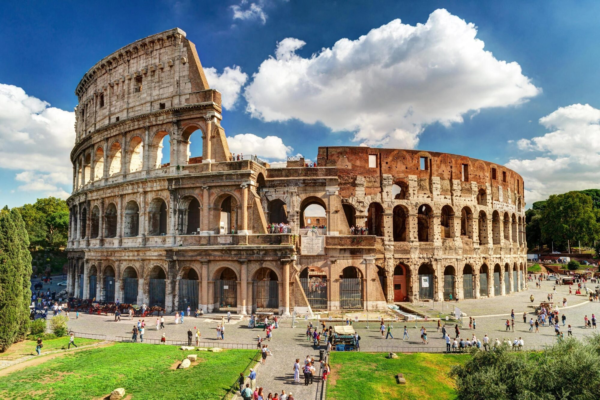
Every Country Has Its Own Personality
One of the greatest pleasures of traveling through Europe is discovering how quickly the atmosphere changes without traveling great distances.
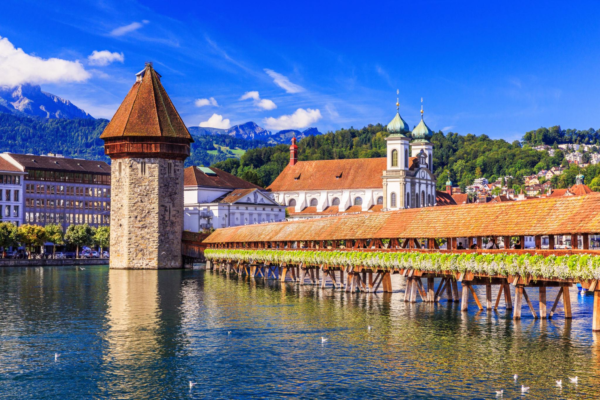
A morning might begin among the elegant boulevards and cafés of Paris before continuing toward the vineyards and medieval villages of eastern France. A few hours later, alpine scenery gradually replaces rolling countryside as the journey enters Switzerland or southern Germany. Architecture changes, menus become different, church towers adopt new shapes, and even the rhythm of everyday life begins to feel distinct.
Despite sharing borders, European countries have carefully preserved their individual identities. Italy welcomes visitors with lively piazzas and centuries of artistic heritage. Germany balances fairy-tale castles with modern efficiency. Portugal embraces Atlantic coastlines, maritime history, and warm hospitality, while Austria offers grand imperial architecture framed by mountain landscapes.
Traveling across several countries in one trip allows visitors to appreciate not only what makes each nation unique, but also how deeply connected they remain through geography, history, and culture.
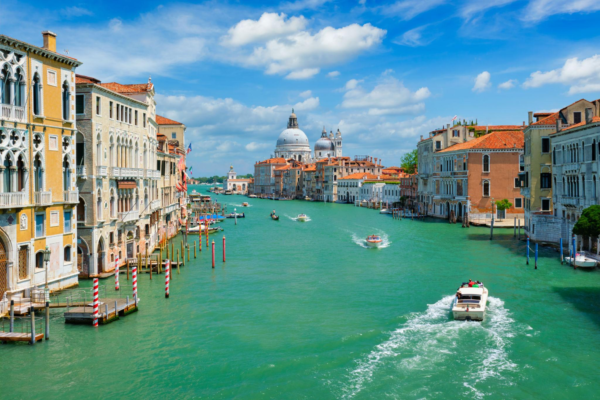
Crossing Borders Is Often Simpler Than Expected
For travelers unfamiliar with Europe, border crossings are often a source of unnecessary anxiety. Many imagine repeated passport inspections, lengthy customs procedures, and hours spent waiting between countries.
In reality, journeys through much of continental Europe often feel remarkably smooth.
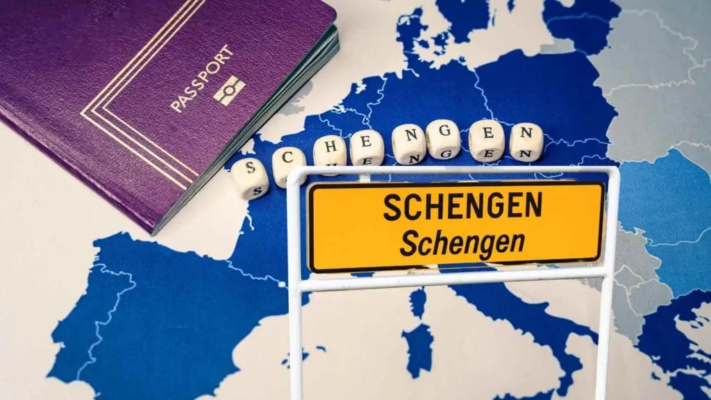
Countries within the Schengen Area have removed routine internal border controls, allowing travelers to move between participating nations much like crossing from one state to another. While passports should always remain easily accessible, many border crossings occur so seamlessly that visitors notice the change only because road signs, languages, or speed limits begin to look different.
This ease of movement transforms the travel experience. Instead of viewing each country as an isolated destination, travelers begin to appreciate Europe as an interconnected region where cultures blend naturally while still maintaining their unique identities.
For guided tours, experienced tour managers handle much of the logistical planning, allowing guests to focus on enjoying the scenery rather than worrying about administrative details.
You Don’t Need to Worry About Every Practical Detail
Before departure, many travelers spend time wondering how they will manage different currencies, transportation systems, or communication in countries where they do not speak the language.
Most discover these concerns are far less significant than expected.
The euro is used across many European destinations, reducing the need to exchange money repeatedly throughout the trip. Credit cards are widely accepted, while contactless payments have become the norm in cities large and small. Translation apps, digital maps, and mobile internet make navigating unfamiliar places easier than ever before.
Guided tours provide additional reassurance by organizing hotels, transportation, sightseeing schedules, and many daily logistics in advance. Travelers remain free to enjoy local markets, museums, cafés, and neighborhoods without constantly checking train schedules or navigating unfamiliar road networks.
Preparation remains important, but once the journey begins, Europe often feels far more accessible than first-time visitors imagine.
Slow Travel Creates Richer Memories
A common misconception is that visiting several countries automatically means rushing from one attraction to another. While this can happen on poorly planned itineraries, thoughtfully designed European journeys prioritize quality over quantity.
Instead of attempting to “see everything,” they focus on experiencing the highlights of each destination while allowing enough time for meaningful exploration.
A morning walking through Assisi may be followed by an unhurried lunch overlooking the Umbrian countryside. An afternoon exploring Neuschwanstein Castle naturally transitions into an evening spent in a Bavarian village. Days become balanced between iconic landmarks and quieter experiences that reveal everyday local life.
These pauses matter. They allow travelers to absorb each destination rather than simply collect photographs before moving on.
By the end of the journey, the countries visited begin to feel connected rather than separate, each contributing to a broader understanding of Europe’s remarkable diversity.
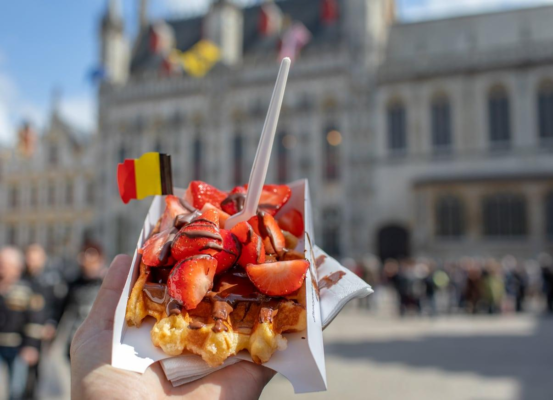
A Journey That Shows Europe as a Whole
Perhaps the greatest advantage of traveling across multiple European countries is perspective.
No single destination can fully represent Europe. The continent’s richness comes from its contrasts – between north and south, mountains and coastlines, bustling capitals and peaceful villages, Gothic cathedrals and Renaissance squares.
Experiencing several countries within one itinerary reveals these contrasts naturally. Travelers begin noticing how architecture changes from region to region, how local cuisine reflects geography, and how centuries of shared history continue shaping modern Europe.
Rather than leaving with isolated memories of individual cities, visitors return home with a deeper appreciation for the continent as an interconnected cultural landscape. Every border crossed adds another layer to that understanding, transforming a vacation into a journey of discovery.
Discover Europe with Carnival US Travel
Carnival US Travel designs multi-country European journeys that combine careful planning with meaningful experiences. From Italy, France, Germany, and Portugal to Austria, Switzerland, and beyond, our itineraries balance world-famous landmarks with local culture, comfortable pacing, and the practical support travelers need to enjoy every stage of the journey.
Because the beauty of Europe is not found in one country alone – it is found in the remarkable experience of seeing how they connect.
Contact Carnival US Travel
📍 Serving San Jose, the Bay Area, and Vietnamese communities across the United States.
📞 669-292-7688 | 669-265-7814
🌐 https://www.facebook.com/carnivalinus