
Pilgrimage Blog/Post
Why Do Catholics Make Pilgrimages? The Spiritual Meaning of Visiting Sacred Sites
A Tradition That Has Endured for More Than Two Thousand Years
From the earliest centuries of Christianity, believers began traveling to places closely connected with the life of Jesus Christ, the Apostles, and the defining events of the Christian faith. Over the past two millennia, this tradition has remained an integral part of Catholic life, continuing to inspire millions of faithful around the world.
Today, millions of pilgrims journey each year to sacred destinations such as Vatican City, Fátima, Lourdes, and Assisi. While these places are among the world’s most important Catholic pilgrimage sites, the reasons people travel there extend far beyond sightseeing.
For many Catholics, a pilgrimage is not simply a vacation or a trip abroad.
It is a spiritual journey – an opportunity to step away from daily life, deepen one’s relationship with God, and encounter the rich history and living tradition of the Catholic Church in a profoundly personal way.
Although every pilgrim brings different intentions, hopes, and prayers, they all share one common desire: to grow closer to their faith.
That is what has made pilgrimage one of the Church’s most enduring traditions.
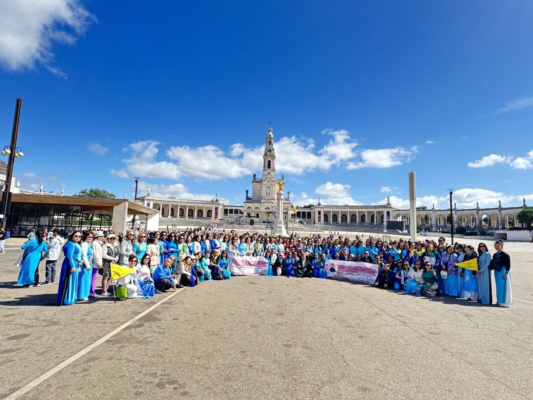
A Pilgrimage Is About More Than Reaching a Destination
When people hear the word pilgrimage, they often think of traveling to a holy place. Within the Catholic tradition, however, the destination is only part of the experience. The journey itself carries profound spiritual meaning.
Pilgrimage invites believers to temporarily leave behind the routines and distractions of everyday life, creating space for prayer, reflection, silence, and spiritual renewal.
Instead of measuring a pilgrimage by the number of miles traveled, Catholics often measure it by the transformation that takes place within the heart.
Every step becomes an opportunity to pray.
Every church visited becomes a place to reflect.
Every Mass celebrated along the journey becomes a reminder of God’s presence.
In this way, the road itself becomes part of the prayer.
Long before pilgrims arrive at a sacred shrine, the process of traveling, praying, and reflecting has already begun to shape their spiritual experience.
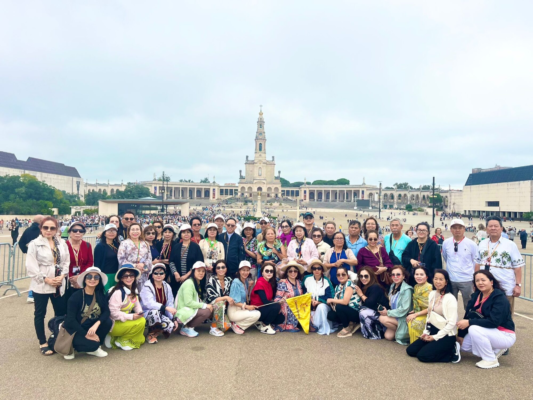
Finding Peace in the Midst of a Busy World
Modern life often leaves little room for silence.
Work responsibilities, family commitments, constant notifications, and the fast pace of daily routines can make it difficult to find moments of genuine peace.
For many Catholics, pilgrimage offers something increasingly rare:
Time to slow down.
Time to pray.
Time simply to listen.
At Fátima, thousands of pilgrims gather each evening to participate in the moving Candlelight Procession, praying the Rosary beneath the night sky in an atmosphere of profound reverence.
In Assisi, the peaceful stone streets and the simple legacy of St. Francis inspire visitors to embrace humility, gratitude, and simplicity.
Meanwhile, standing in St. Peter’s Square at the Vatican allows countless pilgrims to experience something much larger than themselves – the unity of the universal Catholic Church.
Each pilgrimage site has its own unique history and spiritual character.
Yet they all offer something increasingly precious in today’s world:
Moments of stillness that invite people to encounter God and rediscover peace within themselves.
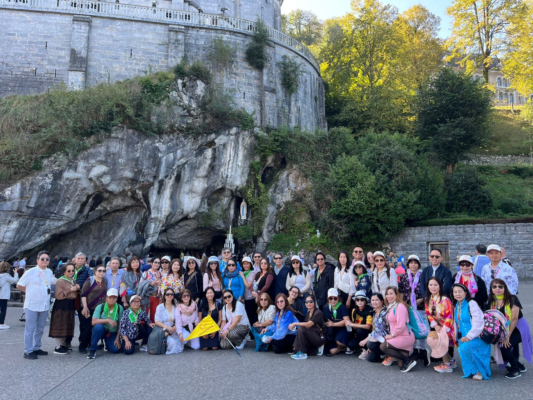
Connecting with the History of the Catholic Faith
Another reason millions of Catholics choose to make pilgrimages is the opportunity to visit places that have shaped the history of Christianity.
These are not simply famous tourist attractions.
They are living witnesses to centuries of faith.
Pilgrims may visit Vatican City, the spiritual center of the Catholic Church and the home of the Pope.
They may travel to Assisi, where St. Francis lived a life of extraordinary humility that continues to inspire Christians around the world.
Others journey to Fátima or Lourdes, places forever connected with Marian apparitions that have strengthened the faith of generations of believers.
Standing in these sacred places is a profoundly different experience from simply reading about them in a book or seeing photographs online.
Pilgrims encounter the physical spaces where countless prayers have been offered, where saints once walked, and where the Church’s history continues to unfold.
Rather than seeing only historic buildings, they become connected to stories of faith, sacrifice, hope, and grace that have endured for centuries.
That connection often leaves a lasting impression long after the pilgrimage has ended.
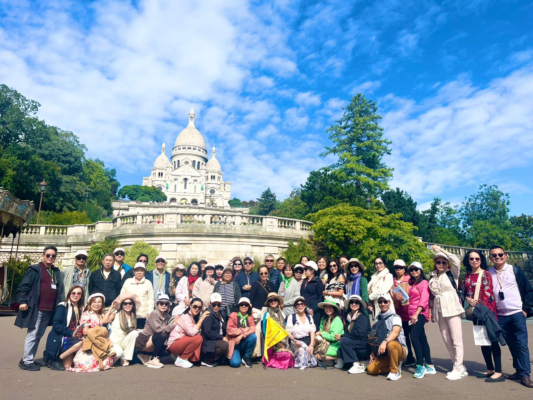
Every Pilgrimage Is a Personal Journey
No two pilgrims begin their journey with exactly the same intentions. Some travel to give thanks for blessings they have received, while others come seeking strength during difficult moments in life. Many carry prayers for their families, their children, or loved ones facing illness and hardship. Others hope to rediscover peace after seasons of uncertainty or simply wish to deepen their spiritual life through prayer and reflection. Because every pilgrim brings a unique story, every pilgrimage becomes a deeply personal experience. Two people may stand side by side during the same Mass, pray in the same basilica, or participate in the same candlelight procession, yet what they experience interiorly can be entirely different. The sacred places remain the same, but the grace and meaning each person receives often reflect where they are in their own journey of faith.
Why Do Millions of Catholics Continue to Make Pilgrimages Today?
In an age where almost every sacred site can be explored through photographs, documentaries, livestreams, and virtual tours, millions of Catholics still choose to travel thousands of miles to be physically present. The reason is simple: some experiences cannot be fully understood through a screen. Walking through the Holy Door during a Jubilee Year at St. Peter’s Basilica, praying the Rosary during the Candlelight Procession in Fátima, kneeling in silent prayer inside the Basilica of St. Francis in Assisi, or standing before the Grotto in Lourdes are moments that engage not only the mind but also the heart. These encounters create memories that remain long after the journey ends because they allow pilgrims to participate personally in places where generations of believers have gathered in prayer. A pilgrimage is not about observing history from a distance; it is about becoming part of a living tradition that continues to inspire the Church today.
For many pilgrims, these journeys also provide an opportunity to step away from the constant pace of modern life. Away from work schedules, digital distractions, and daily responsibilities, they find space to pray more intentionally, celebrate the Eucharist with fellow believers, receive the Sacrament of Reconciliation, and reflect on their relationship with God. This time of spiritual renewal often becomes the most meaningful part of the pilgrimage, reminding travelers that faith is not only something to be learned but also something to be lived and experienced.
More Than a Journey – A Journey of Faith
A Catholic pilgrimage is far more than visiting famous churches or historic landmarks. It is a journey that invites believers to rediscover peace, strengthen their relationship with God, and reconnect with the rich spiritual heritage of the Church. Sacred destinations such as Vatican City, Fátima, Lourdes, and Assisi continue to welcome millions of pilgrims each year because they offer something that remains timeless in every generation: an opportunity to slow down, to pray, and to remember what truly matters.
In a world that is constantly moving faster, pilgrimage reminds us that some of life’s most meaningful journeys are not measured by distance traveled but by the transformation that takes place within the heart. Perhaps that is why this ancient tradition continues to inspire Catholics around the world. People do not travel to these sacred places simply to see them; they travel because they hope to encounter God, deepen their faith, and return home spiritually renewed.
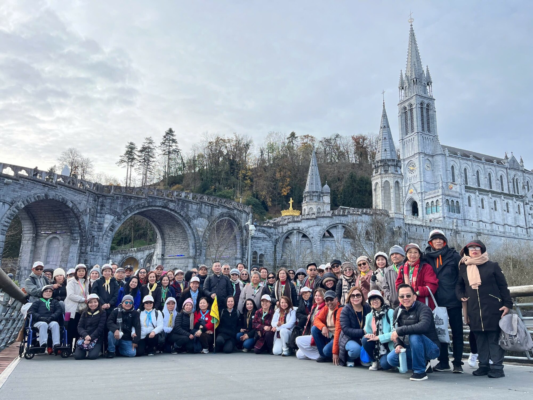
Experience a Meaningful Pilgrimage with Carnival US Travel
At Carnival US Travel, we believe a pilgrimage is much more than visiting sacred destinations—it is an opportunity to deepen your faith while walking through the places that have shaped the history of Christianity. Our carefully planned Catholic pilgrimage tours bring you to some of the world’s most significant holy sites, including Vatican City, Fátima, Lourdes, Assisi, and many other cherished destinations throughout Europe.
Travel with experienced pilgrimage leaders, celebrate Mass at historic churches, pray at renowned shrines, and experience the beauty of the Catholic faith in a way that cannot be captured through books or photographs alone. Whether you are making your first pilgrimage or returning to these sacred places once again, every journey offers a new opportunity for prayer, reflection, and spiritual renewal.
Begin your pilgrimage of faith with Carnival US Travel and experience the timeless tradition that has inspired Catholics for more than two thousand years.
📞 Call us: +1 (669) 292-7688 | +1 (669) 265-7814
🌐 Facebook: https://www.facebook.com/carnivalinus
📍 Proudly serving Catholic travelers from San Jose, the San Francisco Bay Area, and communities across the United States.